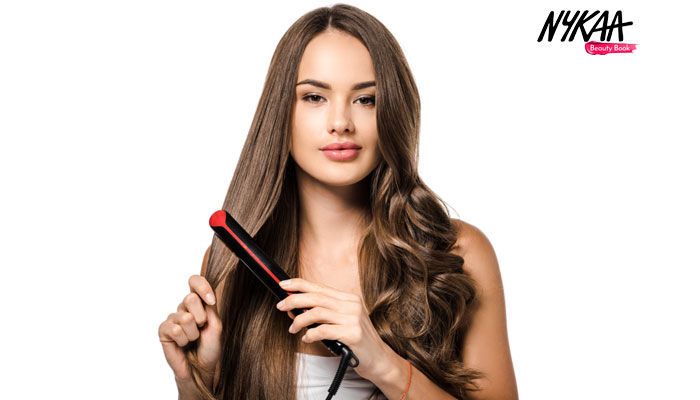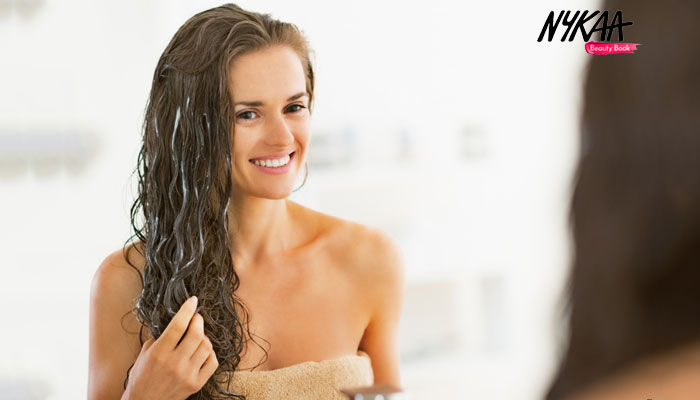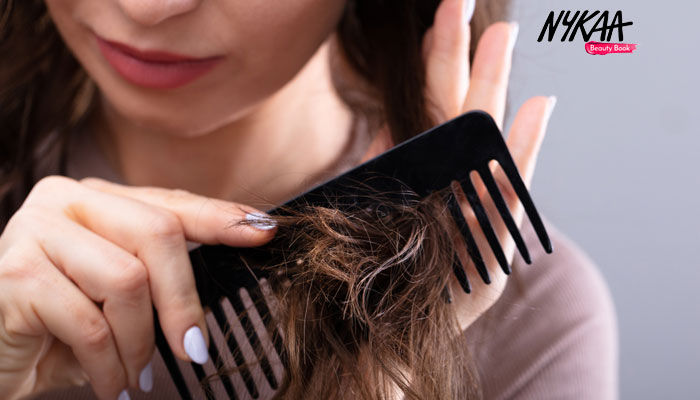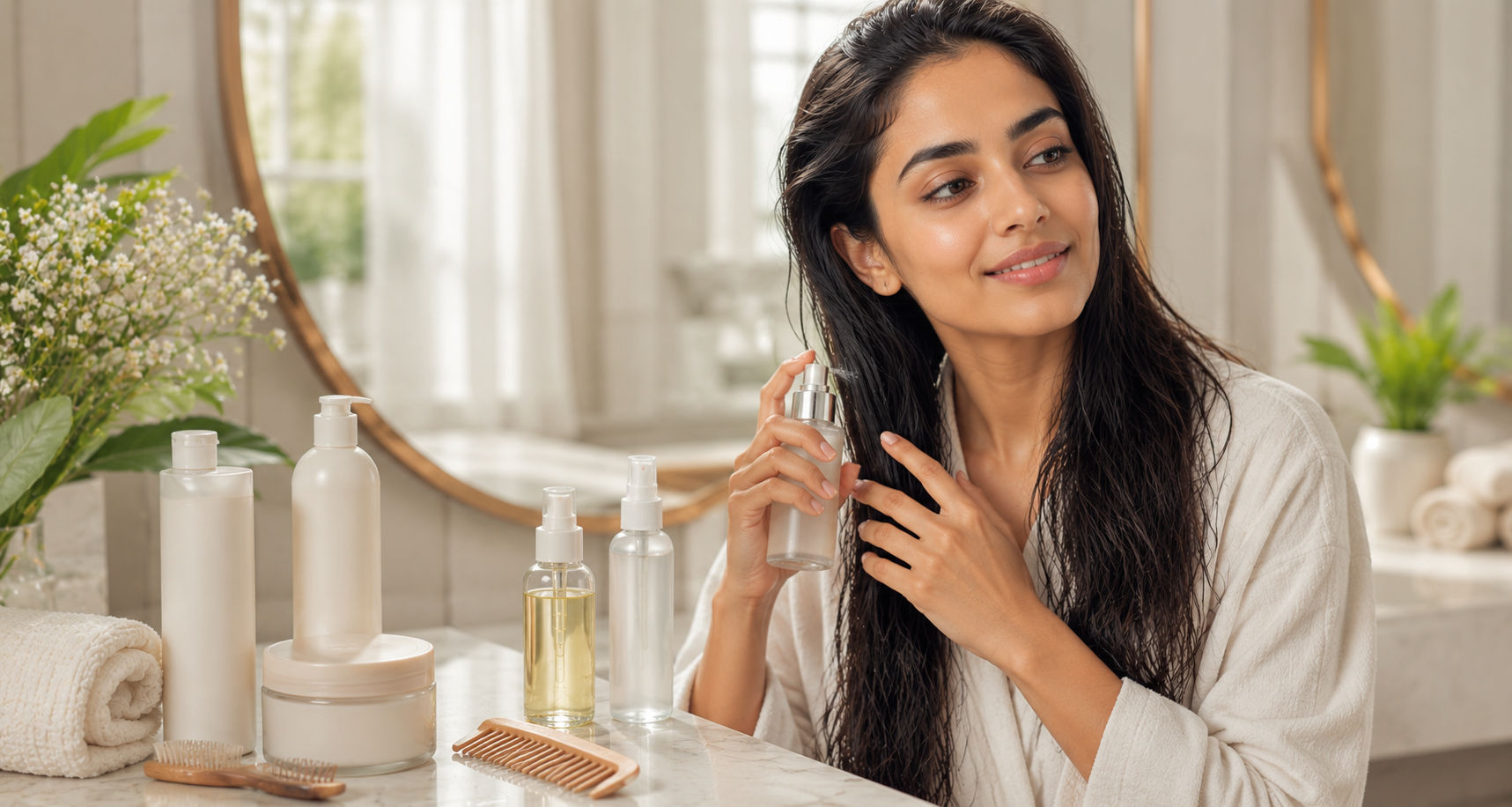
Hyaluronic acid shampoos don't create shine the way oils or serums do, but they can help hair look shinier by improving moisture levels and reducing dryness.

In This Story:
Hair usually tells you when it needs moisture.
It doesn't always look damaged right away. Sometimes it just feels rough when you run your fingers through it. Maybe it tangles more easily than it used to. Maybe it looks dull no matter what serum or oil you apply afterward.
That's usually where hyaluronic acid shampoos start getting attention.
At first, it sounds a little strange. Hyaluronic acid is something most people associate with skincare, not hair. But once you understand what it's supposed to do, it actually makes sense.
The goal isn't oily-looking shine or coating the hair with product.
It's helping dry, dehydrated hair feel softer, smoother, and easier to manage.
Hyaluronic acid is mostly about hydration
This is the first thing worth understanding. A lot of people hear "glossy hair" and immediately think of oils or shine sprays. Hyaluronic acid works differently.
Instead of creating artificial shine, it's included in formulas designed to support moisture levels in the hair.
That's why people often notice:
- less dryness
- better softness
- easier detangling
- smoother texture
The difference usually feels more noticeable than it looks at first.
Dull hair often looks shinier once it's hydrated
This is where some of the confusion comes from.
Hyaluronic acid doesn't make hair glossy the same way a finishing serum does.
Instead, when hair has enough moisture:
- it feels smoother
- the surface reflects light better
- frizz becomes less obvious
- hair looks healthier overall
That's usually where the natural-looking shine comes from.
Hair that feels dry usually benefits the most
Not every hair type needs the same level of hydration.
But these shampoos often make the biggest difference when hair feels:
- rough after washing
- dry through the lengths
- frizzy during the day
- dull despite using styling products
- slightly stiff from heat styling
That's normally when moisture-focused formulas start feeling useful.
Not every hyaluronic acid shampoo feels the same
This is something people realize pretty quickly.
One shampoo might feel lightweight and fresh.
Another might feel richer and more conditioning.
Usually they fall into a few categories:
- lightweight hydration shampoos
- anti-frizz formulas
- repair-focused shampoos
- shine-enhancing formulas
That's why two products with hyaluronic acid can perform completely differently.
Other ingredients usually matter just as much
A shampoo rarely works because of one ingredient alone.
Many formulas combine hyaluronic acid with ingredients that support hydration and softness.
| Ingredient | What It Usually Helps With |
|---|---|
| Glycerin | Moisture retention |
| Ceramides | Smoothness and protection |
| Panthenol | Softness and shine |
| Amino Acids | Strength and flexibility |
| Plant Oils | Frizz control |
| Proteins | Support for damaged hair |
Usually the formula as a whole matters more than the marketing on the front of the bottle.
Different hair concerns usually need different formulas
| Hair Concern | What Usually Works Better |
|---|---|
| Dull Hair | Gloss-enhancing hydration shampoo |
| Dry Ends | Deep hydration formula |
| Frizz | Moisture-focused shampoo |
| Fine Hair | Lightweight hydration shampoo |
| Heat Damage | Repair + hydration formula |
| Color-Treated Hair | Moisturizing strengthening formula |
That's why choosing based on your hair concern usually works better than choosing based on one ingredient.
Shampoo alone won't completely transform your hair
This is where expectations sometimes become unrealistic.
A hydrating shampoo can definitely help.
But if you're looking for softer, shinier hair overall, it usually works best alongside:
- conditioner
- leave-in products
- heat protection
- a consistent haircare routine
Think of shampoo as the foundation rather than the entire solution.
Weather changes how your hair feels
This becomes obvious pretty quickly.
A shampoo that feels perfect during winter might feel too rich during peak summer.
| Condition | What Usually Feels Better |
|---|---|
| Humid weather | Lightweight hydration shampoos |
| Dry weather | Richer moisture formulas |
| Winter | Deep hydration support |
| AC environments | Moisture-focused products |
Sometimes the shampoo hasn't changed at all. The environment has.
Hair usually feels better before it looks dramatically different
This is probably the most realistic expectation.
You don't suddenly wake up with advertisement-level glossy hair.
Instead you start noticing:
- less roughness
- easier brushing
- less visible frizz
- more softness after washing
- a healthier overall appearance
Small improvements that build over time.
When it's working, your hair simply feels easier
That's usually the biggest sign.
- Less dryness
- Less tangling
- Better softness
- More natural shine
- Easier styling
Just healthier-feeling hair that behaves better day after day.
Frequently Asked Questions
-
Is hyaluronic acid good for hair?
Yes. Hyaluronic acid helps support moisture balance, which can improve softness, smoothness, and manageability.
-
What does hyaluronic acid shampoo do?
It helps improve hydration levels in the hair, making it feel softer, smoother, and less dry.
-
Can hyaluronic acid shampoo help with frizz?
It may. Better-hydrated hair often appears smoother and easier to manage, which can reduce visible frizz.
-
Who should use a hyaluronic acid shampoo?
People with dry, dull, frizzy, heat-damaged, or dehydrated hair often notice the biggest benefits.
-
Does hyaluronic acid shampoo make hair shiny?
It can help improve shine indirectly by supporting moisture balance and smoother-looking hair.
-
Can oily hair use hyaluronic acid shampoo?
Yes. Lightweight formulas hydrate without the greasy, weighed-down feeling in your hair.