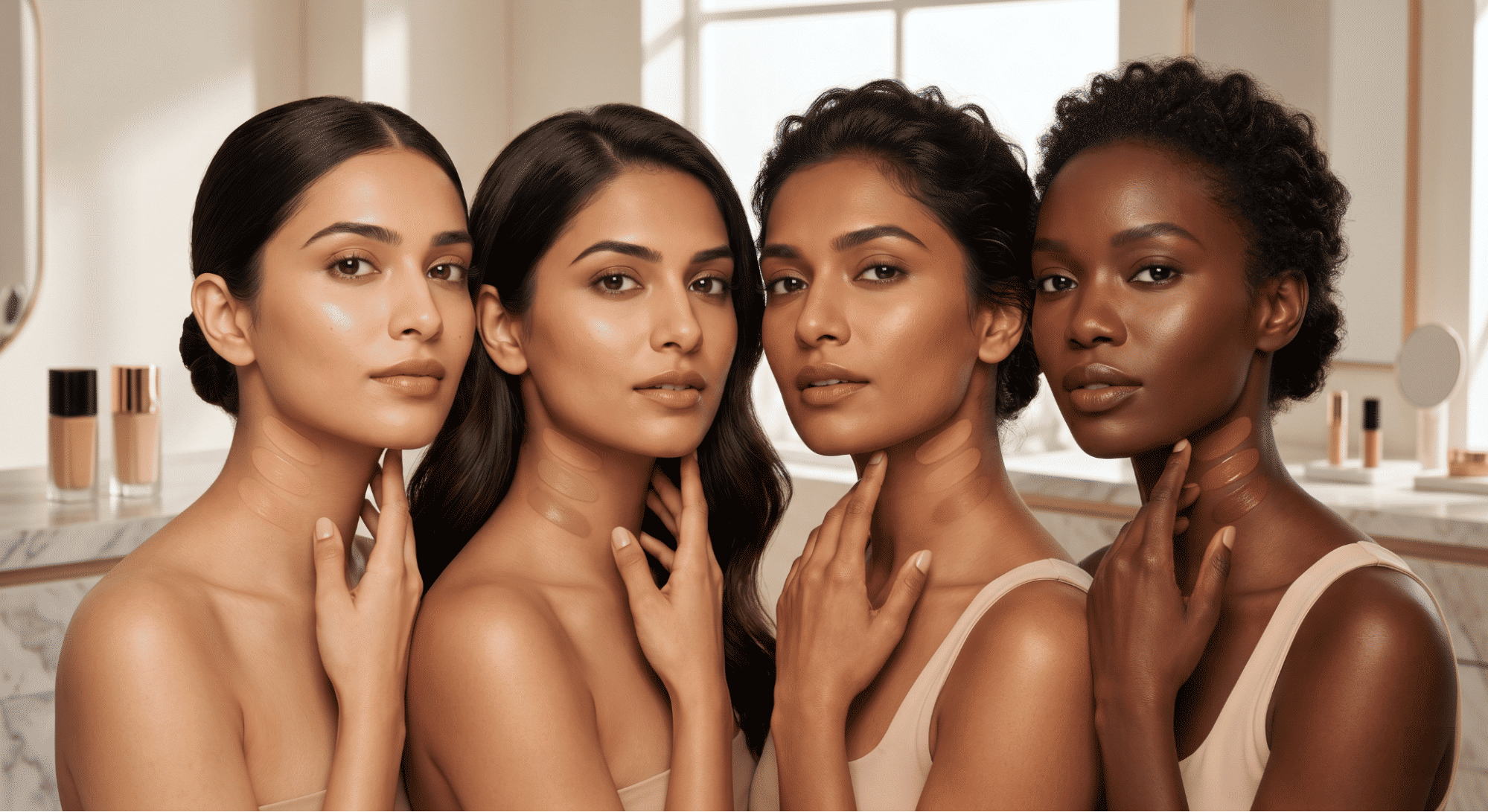
Should You Apply Foundation Before or After Concealer?
Foundation and concealer both work together differently depending on how much coverage you actually need and how natural you want the makeup to look.
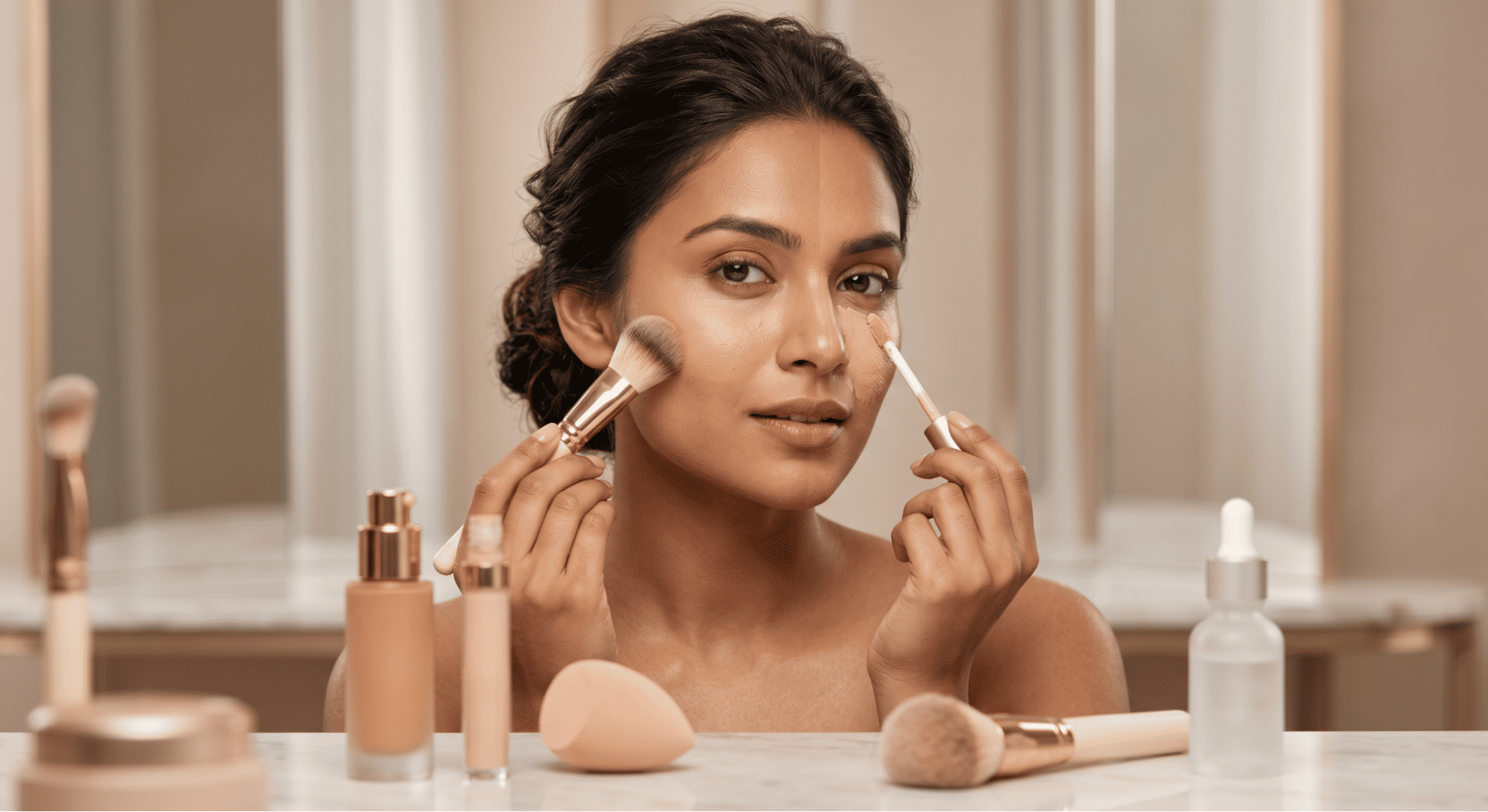
This is one of those makeup questions that keeps confusing people because both methods technically work.
Some routines apply concealer first. Others apply foundation first. Then you try both and somehow one side of the face looks smoother while the other suddenly feels heavier or patchier.
Honestly, there’s a reason the debate still exists.
But for most modern everyday makeup routines, foundation usually goes first.
Not because it’s a strict rule mainly because it tends to create a lighter, more natural-looking finish.
In This Story:
- Why Foundation First Looks Better
- Why Concealer First Feels Heavy
- Why Concealer After Foundation Helps
- When Concealer First Works Better
- Why Under-Eyes Look Better After
- Why Texture Matters More
- Choosing By Skin Type
- How Weather Changes Layering
- Why Targeted Coverage Works Better
- What Makes Makeup Look Natural
- FAQs
Foundation first usually makes makeup look softer overall
This is the biggest reason people apply foundation before concealer now.
A lot of unevenness already gets reduced once foundation is blended:
- redness softens
- slight pigmentation becomes less noticeable
- under-eye darkness often looks lighter already
So after foundation, you usually need much less concealer than expected.
That’s why most daily makeup routines now follow:
- Foundation first
- Concealer only where needed afterward
It usually keeps the skin looking fresher and less layered.
Applying concealer first can sometimes make makeup feel heavier
This happens especially under the eyes.
If thick concealer goes on first and foundation gets layered over it too, the area can start looking:
- too covered
- dry later in the day
- cakey in natural light
- heavier than the rest of the skin
That’s usually when makeup starts feeling more obvious than intended.
Thin layers generally wear better.
Concealer after foundation gives more control
This is honestly one of the biggest advantages.
Once foundation is applied, you can clearly see:
- where darkness still shows
- where redness actually needs extra coverage
- which areas don’t need more product at all
Usually that means:
- less concealer
- less powder
- fewer thick layers overall
Which is why this method became more popular for everyday makeup.
Spot concealing sometimes works better before foundation
This is where makeup rules become more flexible.
Some people still apply concealer first on:
- acne marks
- pigmentation
- dark spots
- redness around the nose
Then they lightly blend foundation over the top.
This technique can help stronger discoloration blend more naturally without building too much product later.
So the “correct” order really depends on the area and the finish you want.
Under-eyes usually look smoother with foundation first
Especially if your concealer tends to crease.
Foundation underneath already evens out the skin slightly, so afterward you usually need:
- thinner concealer layers
- less brightening product
- lighter powder
That often helps under-eye makeup stay softer throughout the day.
Texture matters more than strict order sometimes
This part gets overlooked a lot.
Heavy matte foundation plus thick concealer can look layered regardless of which one goes first.
Usually lighter textures work better together:
- thin foundation
- flexible concealer
- small targeted coverage
That combination usually looks more natural in daylight.
Skin type changes what layering feels best
| Skin Type | What Usually Works Better |
|---|---|
| Dry skin | Foundation first with lightweight concealer |
| Oily skin | Thin flexible layers throughout |
| Acne-prone skin | Spot concealing before or after foundation |
| Combination skin | Different layering depending on the area |
There usually isn’t one perfect method for everyone.
Indian weather changes how layered makeup behaves
Heat and humidity make heavy makeup feel more noticeable faster.
| Condition | What Usually Feels Better |
|---|---|
| Humid weather | Less product overall |
| Dry weather | Flexible hydrating layers |
| Long outdoor wear | Thin foundation + targeted concealer |
| AC environments | Soft satin textures |
Too many layers usually become more obvious during long hot days.
That’s why lighter makeup routines often wear better in Indian weather.
Makeup trends shifted toward targeted coverage now
People still want smoother skin, but usually not:
- thick full-face coverage
- heavy under-eyes
- flat matte makeup
- obvious layers
That’s why foundation-first routines became more popular recently.
The goal now is usually:
- skin-like finish
- flexible makeup
- lighter coverage
- natural movement in the skin
Good layering should feel invisible
That’s honestly the best result.
- Coverage still looks natural
- Makeup doesn’t feel overly thick
- Skin still looks like skin underneath
- Nothing looks obviously layered in daylight
When foundation and concealer work together properly, you stop noticing the products themselves.
Frequently Asked Questions
-
Should concealer go before or after foundation?
Usually after foundation for a lighter and more natural-looking finish.
-
Why apply foundation before concealer?
Foundation already softens unevenness, so less concealer is needed afterward.
-
Can I apply concealer first?
Yes, especially for spot concealing acne marks or pigmentation.
-
Which method looks more natural?
Foundation first usually creates a softer and less layered finish.
-
Does concealer before foundation last longer?
Not necessarily. Texture and layering usually matter more than order alone.
-
Why does makeup look cakey when I use both?
Usually because too much product is layered or the textures are too heavy together.
-
Does under-eye concealer work better after foundation?
Usually yes, because foundation already evens the area slightly first.
-
What makeup order works best for daily wear?
Most daily routines now use foundation first, then targeted concealer only where needed.