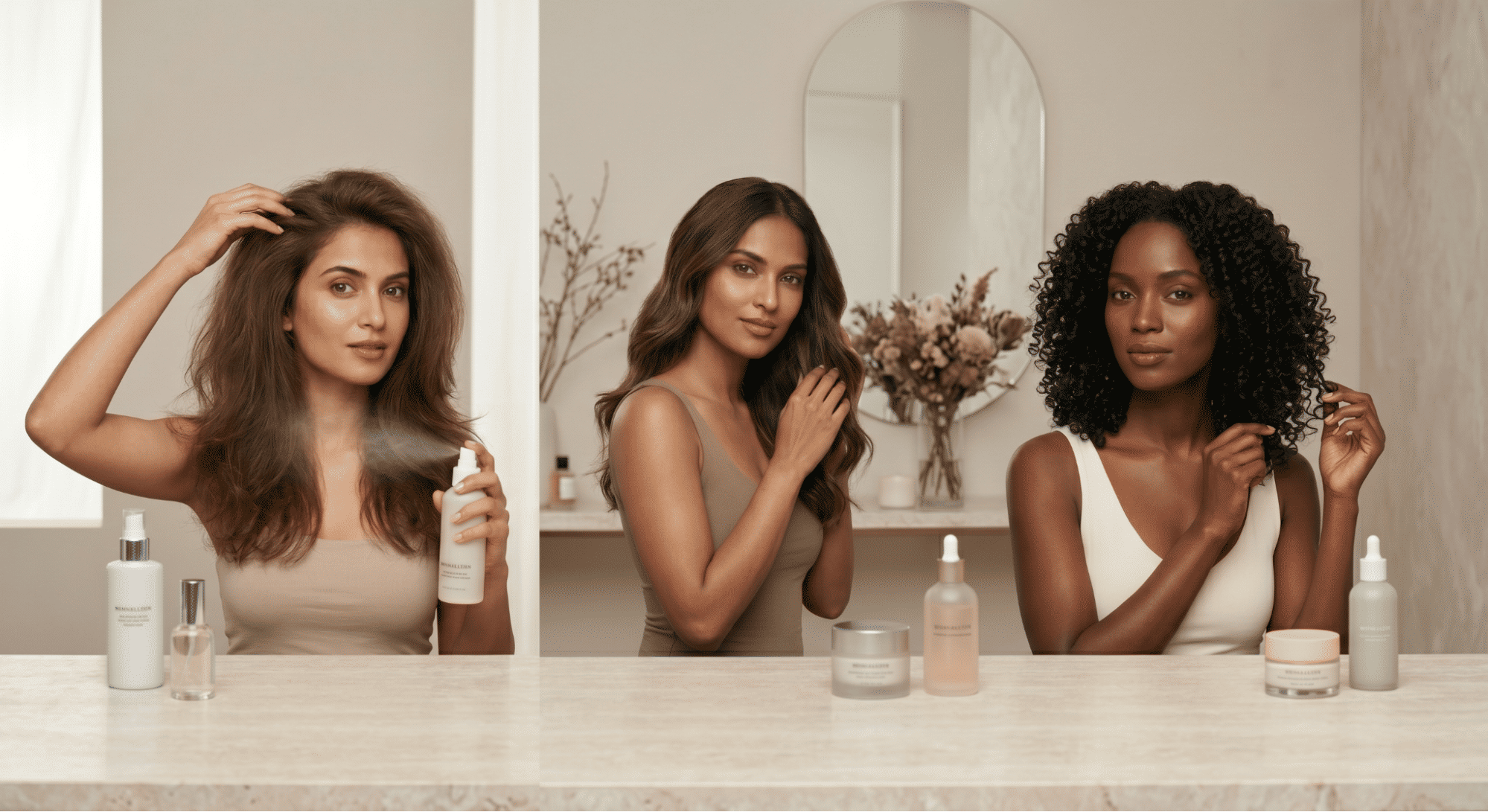
Fine hair often needs lightweight formulas, while dry, curly or damaged hair may benefit from more moisture and nourishment. That's why understanding your hair type can make choosing products easier, more effective and often more budget-friendly.
Hair products can be surprisingly hit or miss.
You buy something that has thousands of positive reviews, use it twice, and suddenly your hair feels flatter, drier, or harder to manage than before. Meanwhile, someone else swears it's the best product they've ever used.
That's usually because hair products aren't one-size-fits-all.
A formula that works beautifully for curly hair might feel far too heavy on fine hair. A shampoo designed for oily scalps may leave dry hair feeling even rougher.
Once you understand your hair type, choosing products becomes much easier and often much cheaper too.
In This Story:
- Why Fine Hair Needs Lightweight Products
- Why Dry Hair Needs More Moisture
- Why Oily Hair Needs Balance
- Why Curly Hair Needs Hydration
- Why Wavy Hair Needs Balance
- Why Damaged Hair Needs Repair
- Hair Products By Hair Type
- Why Hair Serums Work For Most Hair
- How Weather Changes Hair Needs
- Why You Need Fewer Products
- How To Know A Product Works
- FAQs
Fine hair usually needs lightweight products
Fine hair tends to get weighed down quickly.
That's why rich masks, heavy oils, and thick styling creams don't always feel great, even when they're highly recommended online.
Most people with fine hair are usually looking for:
- volume
- movement
- lightweight hydration
- less product buildup
Products that often work well include:
- volumizing shampoos
- lightweight conditioners
- leave-in sprays
- lightweight hair serums
The goal isn't adding more product. It's using products that help hair stay light and manageable.
Dry hair usually benefits from extra moisture
Dry hair often feels rough before it even looks dry.
You might notice:
- dullness
- tangles
- frizz
- lack of softness
That's usually when moisture becomes the priority.
Many people with dry hair do well with:
- moisturizing shampoos
- nourishing conditioners
- weekly hair masks
- leave-in conditioners
Ingredients like glycerin, hyaluronic acid, and nourishing oils are commonly found in products designed for dry hair.
Hair doesn't necessarily need dozens of treatments. It usually needs consistent moisture.
Oily hair doesn't need aggressive cleansing
One mistake a lot of people make is trying to remove every bit of oil from the scalp.
That often creates a cycle where the scalp feels stripped and produces even more oil afterward.
A better approach is usually:
- balancing shampoos
- lightweight conditioners
- occasional scalp treatments
Conditioner still matters, even if your scalp gets oily.
Just keep it focused on the lengths and ends rather than the roots.
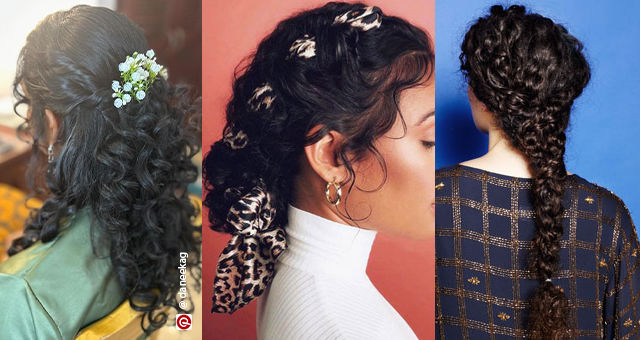
Curly hair often needs more hydration
Curly hair behaves differently from straight hair.
Natural oils don't travel down curls as easily, which is one reason curls often feel drier.
Many curly hair routines focus on:
- hydration
- definition
- reducing frizz
- improving manageability
Products that are often helpful include:
- hydrating shampoos
- rich conditioners
- curl creams
- leave-in conditioners
The goal isn't perfect curls every day.
It's helping curls stay healthy and easier to manage.
Wavy hair usually needs balance
Wavy hair often sits somewhere between straight and curly hair.
That's what makes it tricky sometimes.
Too much moisture can make waves look flat.
Too little can make hair look frizzy.
Many people with wavy hair prefer:
- lightweight hydration
- anti-frizz products
- light curl creams
- flexible styling products
A small amount of product often goes a long way.
Heat-damaged hair needs protection and repair
If you regularly use:
- straighteners
- curling irons
- blow dryers
your hair may need more support than someone who rarely uses heat.
Products commonly used for damaged hair include:
- strengthening masks
- repair treatments
- protein-rich conditioners
- heat protectants
Heat protection is probably one of the most useful products in this category.
Preventing damage is often easier than trying to reverse it later.
A quick guide by hair type
| Hair Type | Products That Usually Work Well |
|---|---|
| Fine Hair | Lightweight shampoo, volumizing spray |
| Dry Hair | Moisturizing shampoo, nourishing mask |
| Oily Hair | Balancing shampoo, lightweight conditioner |
| Curly Hair | Curl cream, leave-in conditioner |
| Wavy Hair | Anti-frizz serum, lightweight styling cream |
| Damaged Hair | Repair treatment, heat protectant |
Think of this as a starting point rather than a strict rulebook.
Hair serums can work for almost everyone
Hair serum is one of those products that suits a surprising number of hair types.
A lightweight serum may help:
- smooth flyaways
- reduce frizz
- add shine
- improve manageability
The key is usually using less than you think you need.
Too much serum can leave hair looking greasy rather than glossy.
A few drops are often enough.
Weather changes how products perform
This is something people notice after using the same products for a while.
A routine that works perfectly in winter may feel completely different during monsoon season.
Summer
Hair may become oily faster, so lightweight products often feel more comfortable.
Monsoon
Humidity can increase frizz, making smoothing products more useful.
Winter
Dryness often becomes more noticeable, so richer conditioners and masks may feel better.
That's why many people make small adjustments throughout the year rather than using the exact same products all the time.
You probably don't need as many products as you think
Haircare can become complicated very quickly.
It's easy to believe you need:
- multiple shampoos
- several masks
- different oils
- multiple styling products
But for many people, a simple routine works surprisingly well.
Usually enough:
- a shampoo suited to your scalp
- a conditioner suited to your hair type
- an occasional treatment
- heat protection when necessary
That's the foundation of many effective haircare routines.
When a product suits your hair, you usually notice fairly quickly
Hair often gives obvious signals when something is working.
It may feel:
- easier to manage
- softer after washing
- less frizzy throughout the day
- more predictable between wash days
Those signs usually matter more than marketing claims or trending ingredients.
The best hair care products aren't necessarily the most expensive ones.
They are that make your specific hair type feel healthier, more manageable and more comfortable day after day.
Frequently Asked Questions
-
Which hair products are best for dry hair?
Moisturizing shampoos, nourishing conditioners, leave-in treatments, and hydrating masks are often good choices.
-
What products should fine hair avoid?
Very heavy oils, thick creams, and rich masks can sometimes make fine hair look flat or weighed down.
-
Do curly hair types need different products?
Usually yes. Curly hair often benefits from extra moisture and products that help improve definition and reduce frizz.
-
How do I know if a product suits my hair type?
Hair should generally feel softer, easier to manage, and more comfortable after consistent use.
-
Should I change hair products every season?
Not necessarily, but small adjustments can help as humidity, temperature, and dryness change throughout the year.
-
Can using too many hair products damage hair?
Too many products can create buildup and make hair feel heavy, although they don't always cause direct damage. A simpler routine is often easier to manage.