In This Story:
- Why Highlighter Should Blend In
- Where Highlighter Looks Best
- Why Less Highlighter Works Better
- Why Cream Highlighters Look Natural
- Why Powder Highlighter Shows Texture
- Different Highlighter Placements Explained
- How Face Shape Changes Placement
- Why Blending Matters More
- How Weather Changes Highlighter
- Why Natural Glow Looks Better
- What Makes Highlighter Look Seamless
- FAQs
Modern makeup trends now lean toward glow that looks fresh and skin-like instead of harsh or metallic in daylight. That’s why cream and satin highlighters, softer blending and lighter application usually create a much more natural-looking glow on the skin.
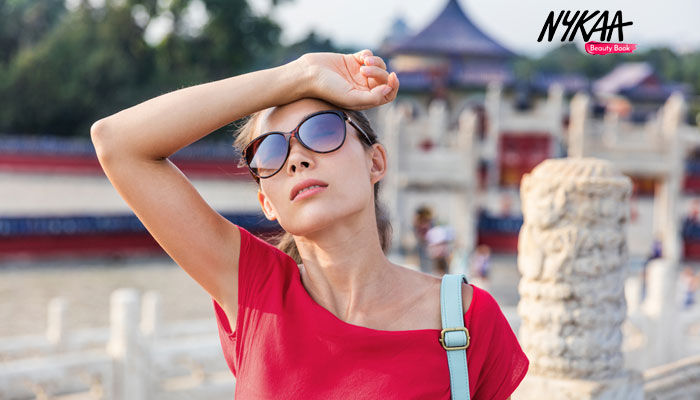
Highlighter can make the skin look fresh and healthy… or suddenly make the face look overly shiny in about two seconds.
And honestly, almost everyone has experienced applying what looked like a subtle glow indoors, then stepping outside and realizing the cheeks are reflecting sunlight like a mirror.
That’s usually where learning how to apply highlighter correctly starts making a difference.
Because with highlighter, placement and texture matter way more than people expect.
Highlighter should blend into the skin, not sit on top
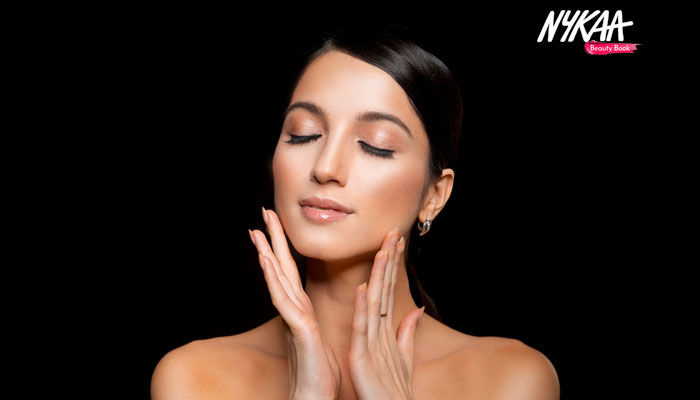
This is the biggest difference between natural glow and obvious shimmer.
A good highlighter usually melts softly into:
- foundation
- blush
- skin texture
instead of looking like a separate stripe of shine across the face.
That’s why softer blending usually looks better than applying a very intense product immediately.
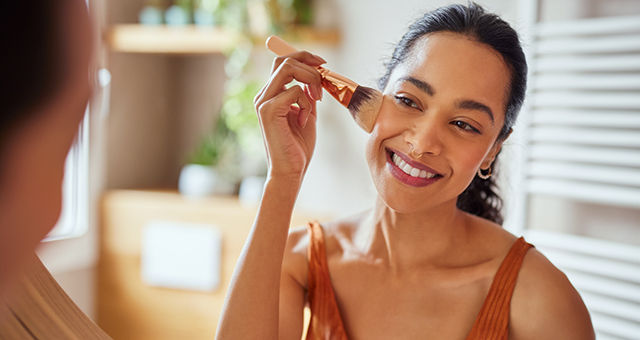
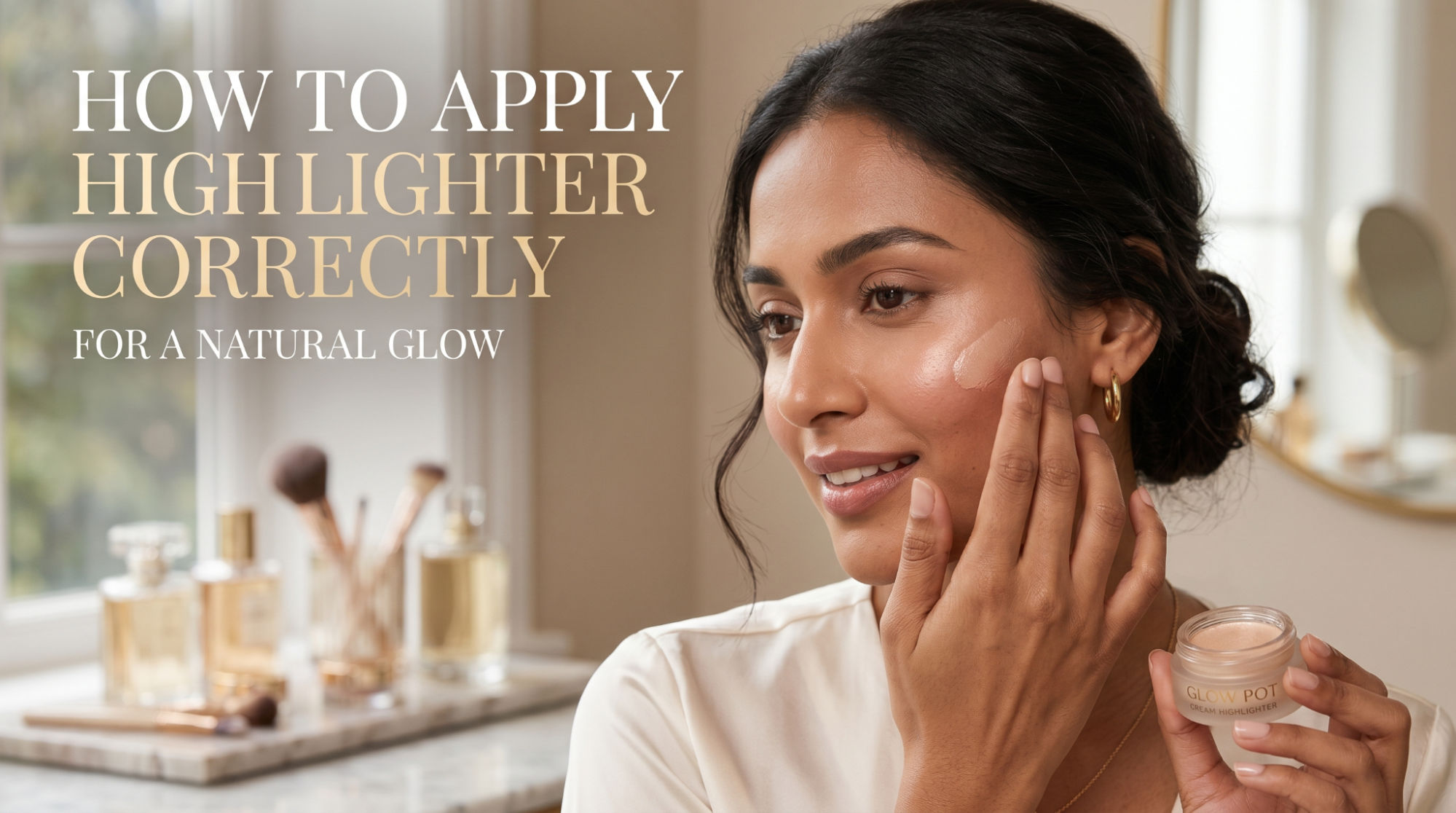
The cheekbones are usually the easiest place to start
This is where highlighter tends to look most flattering naturally.
Usually it works best:
- slightly above the blush
- on the highest point of the cheeks
- blended upward softly toward the temples
That placement catches light naturally without making the face look greasy.
Too low on the cheeks can sometimes make the face look overly shiny instead of lifted.
Using less product almost always looks better
This honestly changes everything.
Highlighter builds very quickly, especially in daylight.
Applying too much immediately can:
- emphasize pores
- look metallic
- make texture more visible
- create harsh shimmer lines
Usually:
- one small layer
- soft tapping motions
- gradual blending
looks much fresher and more natural.
Cream highlighters usually look more skin-like
This is why cream formulas became so popular recently.
Cream highlighters usually:
- melt into makeup better
- diffuse light softly
- look less powdery
- feel more natural for daily wear
Especially in natural sunlight, cream textures usually blend into the skin more smoothly than intense powder shimmer.
Powder highlighter can sometimes emphasize texture
Especially on:
- dry skin
- textured cheeks
- enlarged pores
- heavy matte makeup
Very metallic powder formulas can sit sharply on top of the skin instead of blending naturally.
Usually softer satin finishes look more flattering in real life.
Different highlighter placements create different effects
| Placement Area | What It Usually Does |
|---|---|
| Top of cheekbones | Adds soft lift |
| Brow bone | Brightens eye area |
| Inner corners | Makes eyes look fresher |
| Nose bridge | Adds subtle dimension |
| Cupid’s bow | Makes lips appear fuller |
Usually keeping highlight focused in fewer areas looks more natural overall.
Face shape changes how highlighter looks too
This part gets overlooked a lot.
For example:
- round faces usually suit slightly lifted placement
- longer faces often look better with softer, controlled glow
- textured skin usually looks smoother with cream highlight
So there isn’t really one perfect placement for everyone.
Blending matters more than brightness
Honestly, even expensive highlighter can look harsh if it isn’t blended properly.
Usually better:
- soft edges
- gradual glow
- diffused shine
instead of a sharp reflective stripe across the face.
The softer the blend, the more natural the glow usually looks.
Indian weather changes how highlighter wears
Especially in humidity and summer heat.
| Condition | What Usually Looks Better |
|---|---|
| Humid weather | Satin or cream glow |
| Dry weather | Hydrating cream highlight |
| Peak summer | Soft natural sheen |
| Winter | Slightly richer glow |
Very metallic formulas can sometimes start looking oily quickly in Indian heat.
That’s why softer glow usually feels more wearable daily.
Natural glow makeup is much softer now
This is honestly one of the biggest makeup shifts recently.
People still like glow, but usually not:
- chunky glitter
- blinding metallic shine
- obvious shimmer streaks
- heavy reflective makeup
The trend now is more about:
- healthy-looking skin
- soft reflection
- subtle radiance
- glow that still looks believable up close
That’s exactly where softer cream and satin highlighters work best.
The best highlighter almost disappears into the skin
That’s honestly the goal.
When highlighter is blended properly:
- glow catches the light softly
- skin still looks natural
- makeup doesn’t feel heavy
- nothing looks overly shiny or glittery
It just makes the face look fresher overall.
Frequently Asked Questions
-
How do I apply highlighter correctly?
Use a small amount on the high points of the face and blend softly into the skin.
-
Where should highlighter be placed?
Usually on the cheekbones, brow bone, inner corners, nose bridge, and cupid’s bow.
-
Why does my highlighter look too shiny?
Too much product or very metallic formulas can look harsh in daylight.
-
Are cream highlighters more natural?
Usually yes, because they melt into the skin more smoothly.
-
Which highlighter texture works best for daily wear?
Soft cream or satin finishes usually look the most natural.
-
Can highlighter emphasize texture?
Yes, especially very glittery or powder-heavy formulas. Softer textures usually look smoother.