In This Story:
This one’s for makeup junkies. Wearing makeup is such a fun way to express yourself. And the only rule you should follow is to clean your makeup brushes, sponges, and tools regularly; not just because dirty tools are less effective but also because they’re the perfect breeding ground for bacteria. So unless you want to deal with acne flare-ups and eye infections, take heed now! Just like you need to wash your hands and face before you apply your makeup so that you can start with a fresh canvas, you need to have your brushes and other applicators clean to avoid any old residue mixing with your new makeup, remember the old saying, do not pour new wine into old wineskins? Well, that’s true with old and nasty makeup brushes and new makeup.
And since we’re all about cleaning and organizing our makeup-loving lives, here’s the skinny on how to clean all your beauty tools. Because not only do your clean makeup brushes help you stay away from the spread of bacteria but they also make makeup applications better and smoother. So before you ask yourself, ‘How do you clean makeup brushes?’ ask yourself why cleaning a makeup brush is important.
Why Cleaning Makeup Brushes Is Essential
If cleaning your makeup brushes is not something you do on a regular basis, then these reasons will surely help you. After reading these reasons we know for a fact the question of why do I need to clean my brushes will become how do I clean makeup brushes!
1. Prevents Skin Concerns
Makeup brushes, unlike airbrushes, touch the surface of your skin while applying makeup on the face. They also pick up the cells or bacteria that are on your skin at the same time. This means that the next time you use the brush the minuscule amount of bacteria that is on the brush (invisible to the naked eye) will land back on the skin. This can cause breakouts, fungal infections, acne, and other skin concerns.
2. Improves Application
Just a newly sharpened pencil can write better. A clean brush applies makeup better. It smoothly glides on the skin for the desired results and won’t feel clumpy or rough on the skin. It will make the final result so much smoother and flawless.
3. Increases Lifespan
When your makeup brushes or any other applicators are clean, their lifespan increase. Clean brushes remain soft and flexible while hard, used, dirty, and clumpy bristles have a higher chance of breaking and falling apart. Compare it with clean hair that reduces hair fall while dirty, filthy, knotted hair promotes hair fall.
4. Provides Hygienic Application
If nothing else, it offers a hygienic application process. It keeps germs, bacteria, and other impurities at bay and allows your skin to maintain its health. Unclean brushes are a breeding ground for germs that can easily transfer to your skin.
How To Clean Cosmetic Brushes
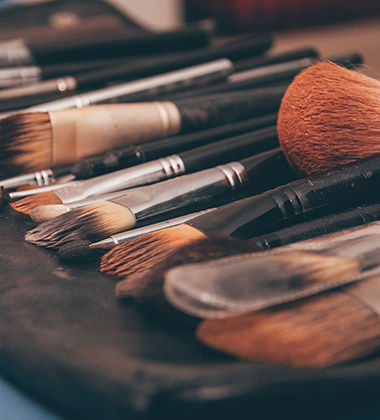
1. How To Clean Makeup Brushes
How often: Once every fortnight is ideal. But if you’re recovering from a cold or giant zit, sanitize everything once you’re better to make sure no residual germs are left behind.
Method: Mix a dollop of baby shampoo (like Johnson's New No More Tears Baby Shampoo) with water in a shallow bowl. Swirl each brush around until no more product comes out of the bristles. Rinse the brushes in clear, warm (never hot) water and let air dry lying on a face towel. Never leave them drying by sitting them upright. It’s bad for the bristles and the metal fixtures! Bye-bye bacteria!
2. How To Clean Makeup Sponges
How often: At least once a week
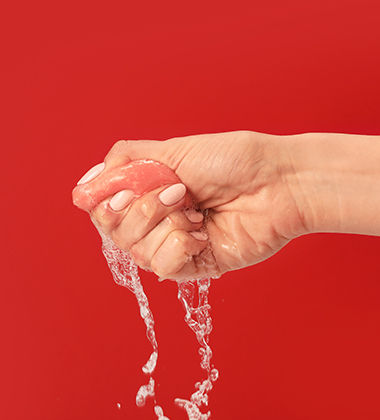
Method: Wet the sponge thoroughly. Then apply a dollop of baby shampoo to the surface of the sponge and work up a lather. Gently squeeze the sponge till no more product comes out. Rinse thoroughly under water till it runs clear. Wring and let air dry on a clean towel. Don’t ever scrub at your sponge; it’s the best way to ruin them.
3. How To Clean Powder-Puffs
How often: Depends on how often you use it and the weather. Every week in the summer or periods of heavy use, and once a fortnight in the winter or when you use them infrequently.
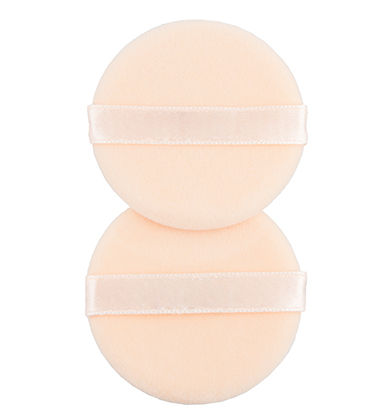
Method: Wash them the way you would a sponge; lather up gently with baby shampoo. Rinse well in running water and allow to dry thoroughly on a clean towel. Don’t place it in the compact case till absolutely dry otherwise, you’ll ruin your powder product!
Tip: If your applicator feels less fluffy after a wash, blitz with a warm (not hot) hair dryer to separate the fibers and make it fluffy again.
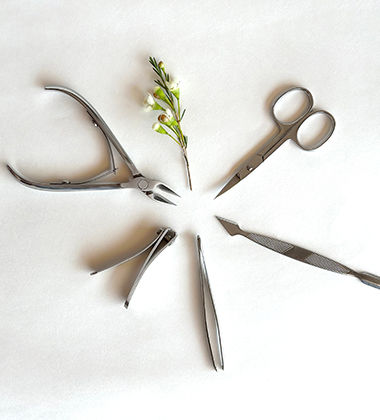
4. How To Clean Beauty Metal Tools
How often: After each use.
Method: Remove non-metal components like rubber pads from Tweezers, Nail Clippers, Eyelash Curlers, and Files and wash in warm water with a teaspoon of antibacterial hand wash liquid like a Hand Wash. Leave to dry on a hand towel.
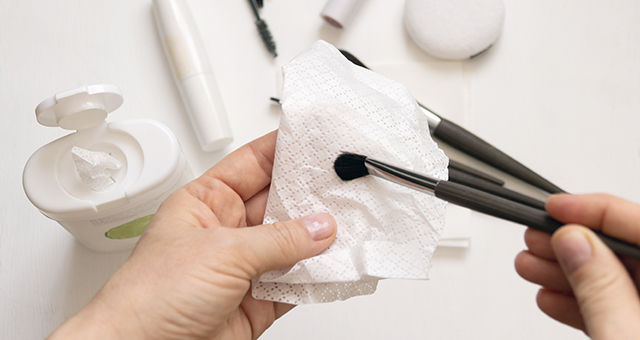
Tip: If you can’t do this every time then at least give your tools a quick rub with wet wipes when you’re done using them.
5. How To Clean Hair Brushes And Combs
How often: Once a month.
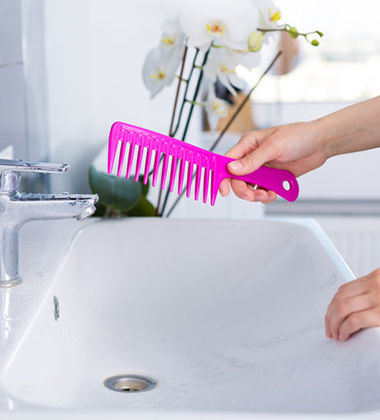
Method: Soak combs in a deep bowlful of warm water with a little baby shampoo for fifteen minutes. Rinse with water and let them air dry.
Now to hair brushes. Start by removing as much hair from the brush as you can using your fingers. Rinse under warm water and then soak in a deep bowl containing warm water and a little baby shampoo. Swish the brush around to loosen gunk. You may want to use a soft toothbrush to scrub between bristles. Rinse well and let air dry, bristles facing down on a towel.
Tip: Never dry hairbrushes with the bristles facing up. The water can get trapped in the padding and encourage bacterial growth!
6. How To Clean Makeup Cases/Bags
How often: Every fortnight.
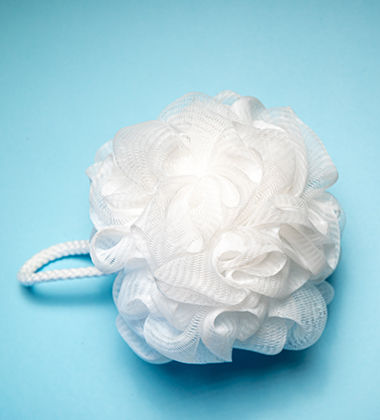
Method: Fill a deep bowl with warm water and a tablespoon of hydrogen peroxide. Soak loofahs for about half an hour and rinse well. Hang them up and allow to air dry.
7. How To Clean Makeup Cases/Bags
How often: Once a month. After all, your tools are only as clean as the containers they’re kept in!
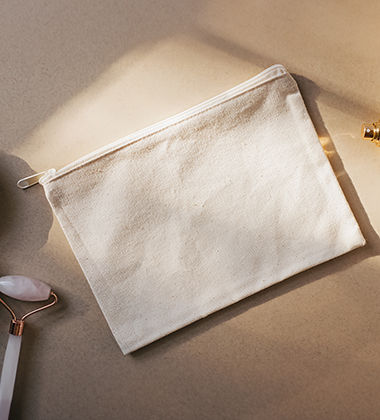
Method: Take everything out of the case or bag. Wipe out spills with a warm washcloth dipped in some antiseptic solution. Wipe down the outside as well. Use a fresh, dry washcloth to dry clean. Then leave the bag or case open and allow to air dry thoroughly.
Additional Ways To Clean Makeup Brushes
Other than washing your makeup brushes with shampoo and hand wash, there are other chemical-grade solutions and tools you can use to clean your makeup brushes.
1. Brush Cleanser Solution
A brush cleanser solution can clean your regular makeup, dirt, and grime along with the toughest adhesives and formulas glue, mascara, latex, and even acrylic from the most delicate, natural, and synthetic fibres. This is so versatile that it can also clean wigs, masks, lashes, combs, brushes, sponges, and other tools. It is paraben-free and also conditions your bristles making it softer than before.
Nykaa recommends:
2. Silicone Pads
Just like your skin, your brushes also need some form of scrubbing. A silicone pad is just the perfect tool for that. Simply wet the brushes and the pad, add some cleaning solution, shampoo, or handwash, and rub the brushes against the grooves of the pad. Do this multiple times until your brush comes out clean. Wash it with regular water and let it dry. This will clean the inner parts of your brush as well without a harsh scrubbing.
Nykaa recommends:
3. Cleaning Scrubber
If you have heavy-duty dirt on your makeup brushes, then this synthetic yet delicate scrubber is perfect for your tools. Think of it as a milder version of the scrubber used to clean dishes. You can rub your makeup brushes, combs, tools on this scrubber and the textured material will easily clean off colour, formulation, and dirt with just a few strokes.
Nykaa recommends:
How Frequently Should You Clean Makeup Brushes?
If you you use liquid makeup such as foundation, concealer, bronzer, blush, or colour correctors then clean your makeup brushes daily. Wet formulae leave room for dirt, bacteria, and dust to stick on the surface easily.
If you use powder makeup such as setting powder, powder blushes, and eye shadow then you can clean your makeup brushes once a week.
If you use sponges instead of brushes then you have to wash it daily no matter what the state of matter of your makeup it, sponges absorb moisture from your skin and make itself a great source of infestation.
Metallic tools need to be wiped off after every use to avoid makeup transfer, a deep cleaning can be done once a week.
Parting Thoughts
How do you wash makeup brushes? With shampoo, conditioner, handwash, or a chemical solution? No matter what you use, it is important that your makeup applicators are getting cleaned. The cleaner your brush is the more hygienic your skin stays and your application offers a better result. Moreover, if you can reduce one reason of acne causes, then that should be your only reason.
FAQs
1. How should I clean my makeup brushes?
You can use a shampoo, handwash, or even a chemical solution made specifically for cleaning makeup brushes. You can simply dip the makeup brushes into the solution and swirl it around or rub it on a gentle silicone pad or a scrubber.
2. How often should I clean my makeup brushes?
If you use liquid makeup then clean your brushes daily, if you use powder makeup then clean it once a week. Makeup sponges need to be washed daily no matter what.
3. Why should I clean my makeup brushes?
Unclean makeup brushes can cause acne breakouts, pimples, fungal infestation, and chunky makeup application. Clean makeup brushes offer a flawless makeup finish and keeps your skin healthy.
4. When should I replace my makeup brushes?
No matter how clean you keep your brushes, eventually their lifespan runs out, the bristles start becoming loose, they break, the brushes become uneven and the applicatio becomes flawed. Ideally, if you keep your brushes and other makeup applicators clean then you can use them around 1–3 years, depending on the usage and wear and tear.
5. How to identify if my makeup brushes are dirty?
They start smelling, the bristles start looking frazzled, they don’t offer a smooth finish, no matter how much you clean them they are still dirty.