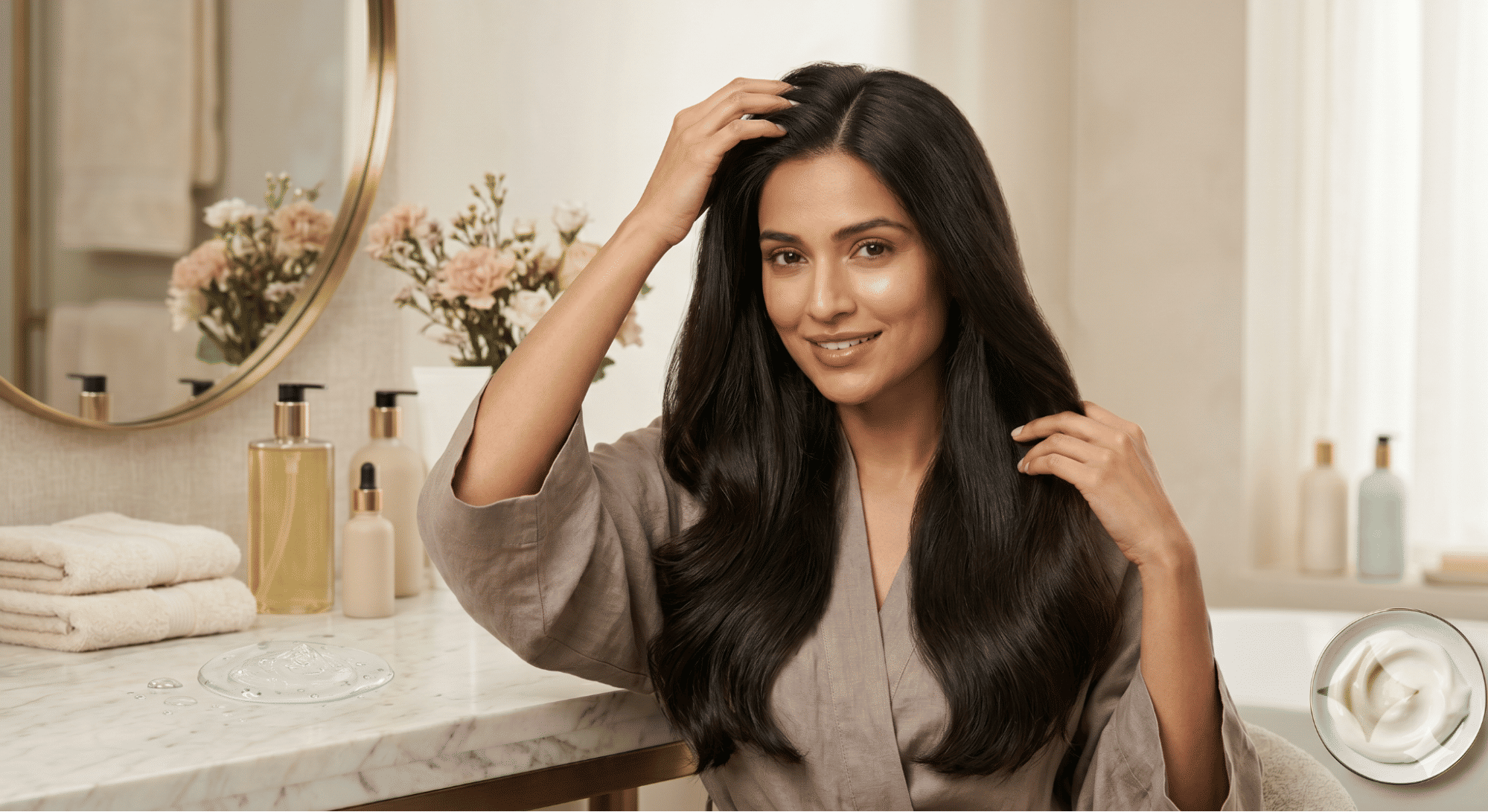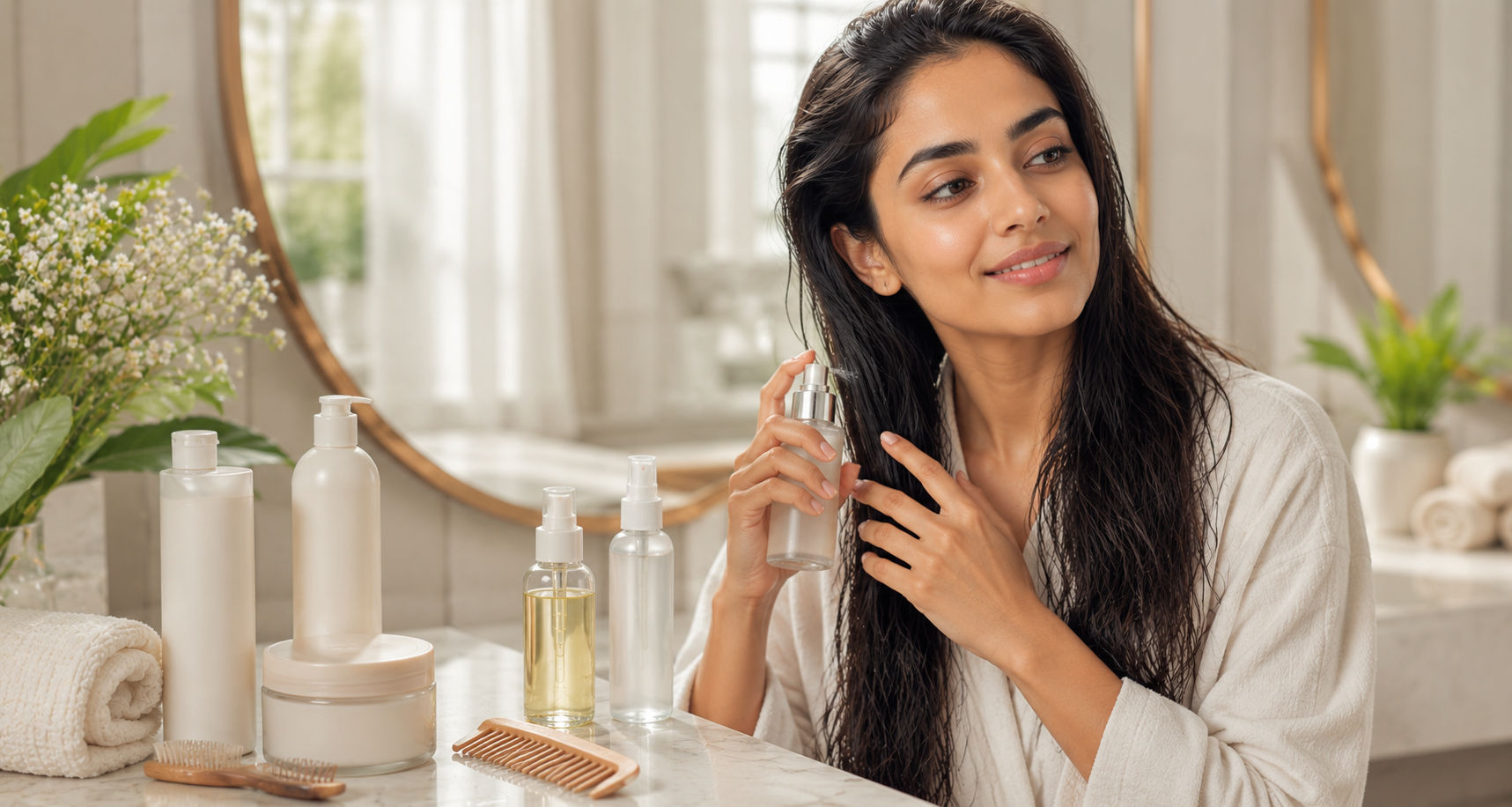
Layering leave-in conditioners, serums and styling products correctly can help hair retain moisture, reduce flyaways and dry more smoothly. That's why many people find that a simple, well-layered routine works better for frizz control than adding more products.
In This Story:
- Why Damp Hair Works Better
- Why Leave-In Comes First
- Why Serum Comes Next
- When You Need Styling Cream
- Why Heat Protectant Matters
- Simple Product Layering Guide
- Best Anti-Frizz Shampoo By Hair Type
- Affordable Frizz Products That Work
- How To Reduce Frizz And Add Volume
- Why Heavy Oils Can Backfire
- Why Frizz Isn't Always Damage
- How Weather Changes Hair
- Why Less Products Work Better
- What Makes Hair Dry Smoother
- FAQs
You wash your hair, follow your routine, and for a few minutes everything looks great.
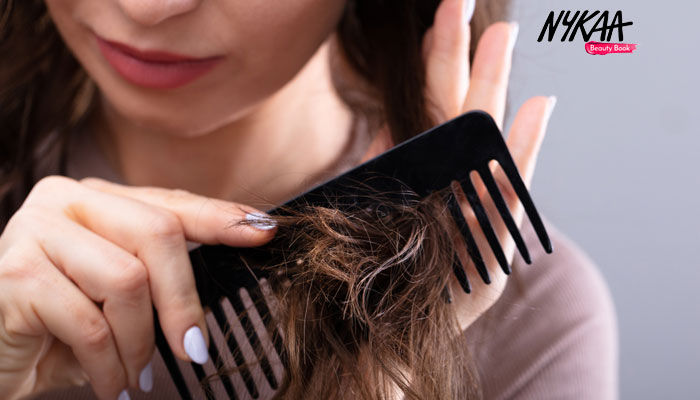
Then the hair starts drying. Suddenly there are flyaways around the crown, frizz near the ends, and somehow the smooth finish you expected never shows up.
Honestly, this happens to a lot of people. The problem isn't always the shampoo or conditioner. Sometimes it's simply the order in which post-wash products are applied.
A few small changes can make hair feel much smoother without adding extra products to your routine.
If you've ever wondered why your hair still gets frizzy after washing, even when you're using good products, the answer is often hiding in the layering process.
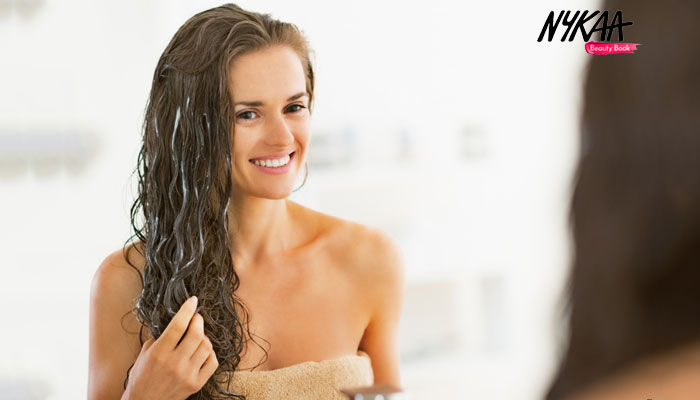
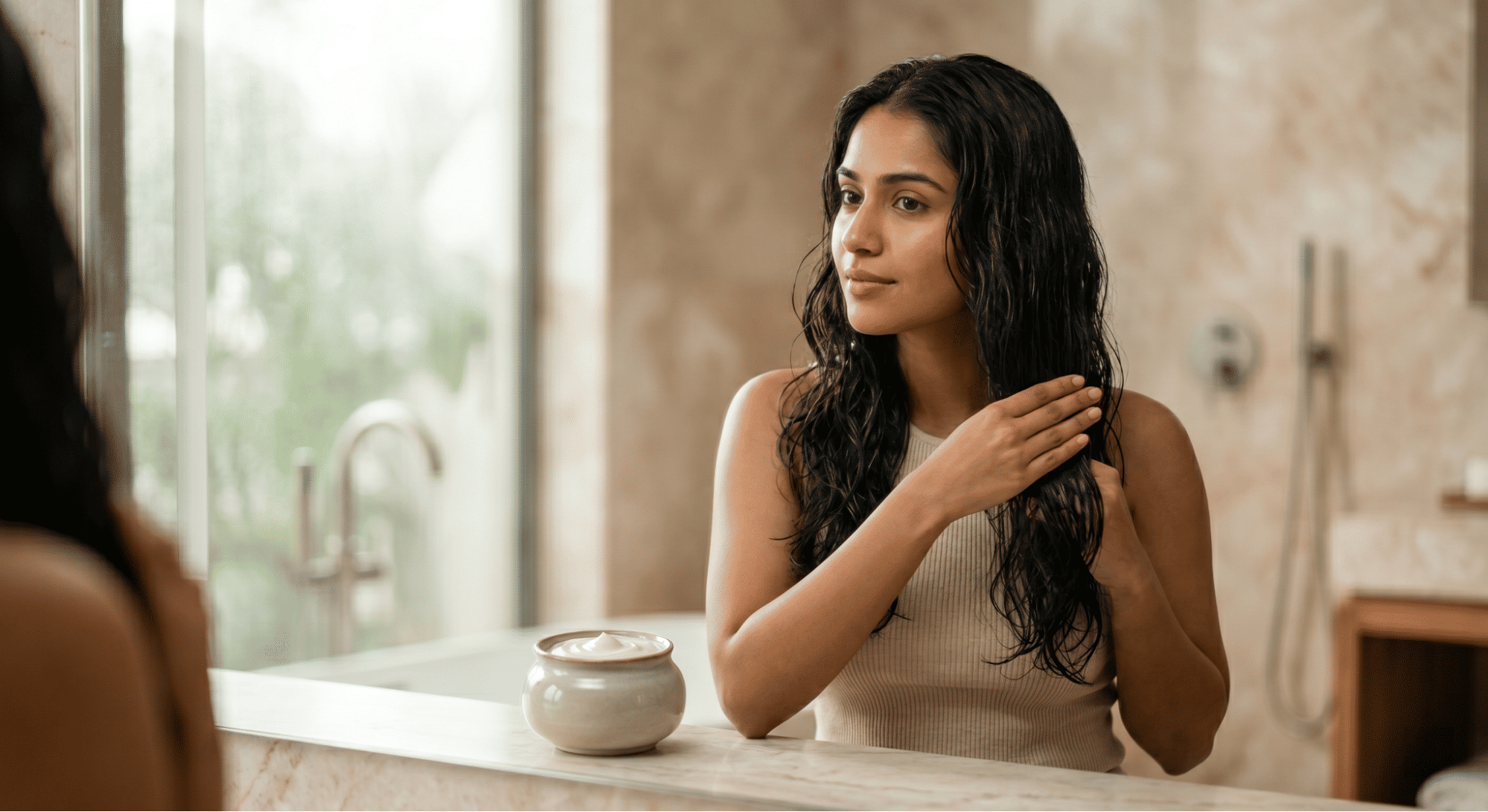
Start with damp hair, not soaking wet hair
This is one of the most common mistakes.
When hair is dripping wet:
- products can slide off
- formulas become diluted
- some areas get more product than others
Hair that is damp not dripping usually absorbs products more evenly.
A microfiber towel or soft cotton T-shirt can help remove excess water without roughing up the hair.
Step 1: Apply your leave-in conditioner first
Think of leave-in conditioner as the foundation.
It helps:
- add moisture
- improve softness
- reduce tangles
- create a smoother base
And honestly, smoother hair tends to frizz less.
Focus mostly on:
- mid-lengths
- ends
The roots usually don't need much.
A lot of people ask whether leave-in conditioner should go on before serum.
Usually, yes. Moisture tends to work better before smoothing products.
Step 2: Use a serum or lightweight anti-frizz product
Once the leave-in is distributed, this is usually the next step.
A serum helps:
- seal moisture in
- smooth the hair cuticle
- reduce flyaways
A little goes a long way.
Too much can make hair feel greasy instead of smooth.
That's why some people think a serum isn't working when the real issue is simply using more than the hair needs.
Step 3: Add curl cream or styling cream if needed
If you have:
- wavy hair
- curly hair
- thick hair
this is usually where styling products come in.
These products help:
- define texture
- control puffiness
- improve shape while drying
Not everyone needs this step.
Straight hair often feels fine with just leave-in conditioner and serum.
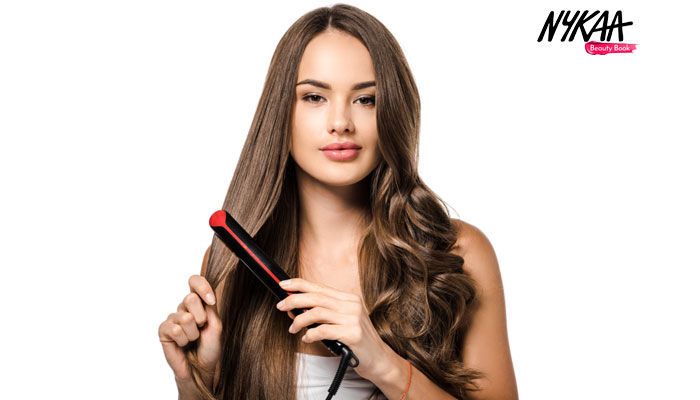
Step 4: Always finish with heat protection before styling
This gets skipped surprisingly often.
If you're using:
- a blow dryer
- straightener
- curling tool
heat protection should be the final layer before styling.
Otherwise heat can:
- increase dryness
- create more frizz
- make hair feel rough over time
Think of it as insurance for your hair.
A simple post-wash layering guide
| Hair Concern | Product Order |
|---|---|
| Everyday frizz | Leave-in - Serum |
| Wavy hair | Leave-in - Curl cream - Serum |
| Curly hair | Leave-in - Curl cream - Gel |
| Heat styling | Leave-in - Serum - Heat protectant |
| Dry ends | Leave-in - Serum on ends |
Usually simpler routines work better than complicated ones.
Which anti-frizz shampoo works best for your hair type?
People ask this all the time.
The truth is that straight, wavy, and curly hair usually need different things.
Straight hair
Straight hair often does best with:
- lightweight smoothing shampoos
- sulfate-free cleansers
- formulas that won't flatten volume
Wavy hair
Wavy hair usually likes balance.
Too much moisture can feel heavy, but too little often leads to puffiness and frizz.
Curly hair
Curly hair generally benefits from:
- richer hydration
- sulfate-free formulas
- ingredients that help reduce moisture loss
The best anti-frizz shampoo isn't always the most expensive one. It's usually the one that matches your hair type.
Affordable products for frizzy hair can work surprisingly well
A lot of people assume they need luxury products to control frizz.
Honestly, that's not always true.
Many affordable products now contain ingredients like:
- argan oil
- glycerin
- shea butter
- amino acids
which can help improve softness and manageability.
The product itself matters, but so does how you use it.
Even good products can underperform when they're layered randomly.
What if you want less frizz and more volume?
This is where things get tricky.
Many anti-frizz products are designed to smooth the hair, but some of them can also make hair feel flatter.
If your goal is reducing frizz while keeping fluffy hair and volume, lighter products usually work better.
A routine like this often helps:
- lightweight leave-in conditioner
- volumizing mousse
- lightweight serum on the ends
- heat protectant
That combination helps control flyaways without making the hair feel weighed down.
Don't apply heavy oils first
This is where people sometimes get frustrated.
Applying oil before moisture can make hair feel coated without actually feeling hydrated.
In many cases:
moisture first
sealing products second
works much better.
Hair often feels softer and less frizzy as a result.
Frizz isn't always a sign of damage
This is worth remembering.
Sometimes frizz appears because:
- hair is dry
- humidity is high
- products weren't layered evenly
Not because the hair is unhealthy.
A little frizz is actually normal.
Especially in humid weather.
Indian weather changes how products behave
Especially during monsoon and summer.
| Condition | What Usually Helps |
|---|---|
| Humid weather | Lightweight serum |
| Dry weather | Extra leave-in moisture |
| Monsoon season | Anti-frizz cream |
| Heat styling days | Heat protectant |
The same routine may feel completely different depending on the season.
More products don't always mean better hair
Honestly, this is one of the biggest lessons people learn.
Five products applied randomly can create:
- buildup
- heaviness
- inconsistent results
Two or three products layered properly often work much better.
And hair feels lighter too.
When your layering routine works, hair dries differently
That's usually the first sign.
Less puffiness.
Fewer flyaways.
Softer texture.
More manageable ends.
The hair still looks like your hair.
Just smoother and easier to deal with.
Frequently Asked Questions
-
What order should I apply hair products after washing?
Usually leave-in conditioner first, followed by serum or styling products, then heat protectant if needed.
-
Should I apply serum before leave-in conditioner?
Usually no. Moisturizing products tend to work better before serums.
-
Can too many hair products cause frizz?
Sometimes. Heavy layering can lead to buildup and uneven results.
-
Do I need both leave-in conditioner and serum?
Not always, but many people find the combination helps with moisture and frizz control.
-
Why does my hair still get frizzy after washing?
Humidity, dryness, product order, and hair type can all play a role.
-
Which anti-frizz shampoo works best for straight, wavy, or curly hair?
Straight hair usually prefers lightweight smoothing formulas, while wavy and curly hair often benefit from more moisture-focused shampoos.