
In This Story:
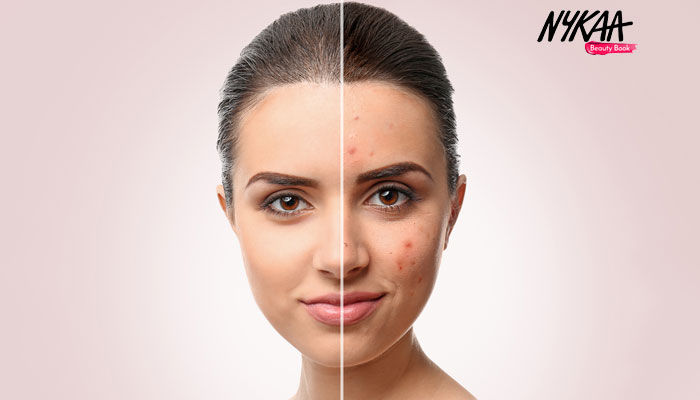
Are you even from a humid and tropical country like India if you don’t have an uneven skin tone that really makes it difficult to pull off a no-makeup makeup look in the summers? According to a dipstick conducted by the expert researchers at Nykaa, over 80% of women across major cities in the country report inconsistency when it comes to their skin tone. There are many reasons for hyperpigmentation apart from simple acne scars (phew pimple poppers).
Just like there are several causes, there are ample solutions if you get your hands on the right formulation and perfect routine. So, without further ado, let’s see what are some common (and uncommon) causes of pigmentation, and how you can cure and prevent them with the ideal products and concentration. Wait around till the end, because we will also answer some of your burning questions that are definitely going to leave a mark (in all the right ways).
What Are The Causes Of Pigmentation?
Pigmentation is an uneven skin tone caused by excess melanin, often seen as dark spots, patches, or blotches. Common causes of pigmentation include excessive sun exposure, acne, cuts, or rashes that can leave behind dark marks on your skin.
- Sun Exposure: When the harsh UV rays hit the skin, melanin production increases to protect the skin from sun damage. When your skin is overexposed and underprotected, it leads to the formation of dark spots and pigmentation, which then becomes hard to brighten.
- Hormonal Changes: When there is a huge imbalance in your body’s hormonal production and regulation, melanin production increases and concentrates in certain areas, leading to dark spots and pigmentation.
- Post-Inflammation: Inflammations such as acne, pimples, cysts, eczema, burns, and boils all stretch your skin, and when this stretched skin shrinks, the skin appears darker, leading to uneven skin tone and pigmentation.
Different Types Of Pigmentation
Even uneven skin has differences that set it apart from others. Let’s see what are some common types of pigmentation and how they can be treated individually and as a whole.
- Melasma: These are irregularly shaped brown or grey patches on the face. They include pigmented spots such as dark circles, lip pigmentation, body pigmentation, especially around the underarms, neck, knees, and elbows.
- Sunspots: As the name suggests, this type of pigmentation occurs due to excessive exposure to the sun. They appear as brown spots on the face and body. Post-Inflammatory Hyperpigmentation (PIH): These include marks left on the outer layer of your epidermis after skin trauma like acne, scars, rashes, etc
How To Cure Pigmentation?
Products that have active ingredients such as kojic acid, tranexamic acid, vitamin C, retinoids, glutathione, thiamidol, and niacinamide all function towards minimising dark spots and brightening pigmented skin. But curing pigmentation includes a targeted approach that treats (common) specific areas and an overall approach that brightens and evens out your skin as a whole.
Targeted Solution For Pigmentation
- Lips: Our diet, lifestyle, makeup, genetics, and hormones all cause our lips to experience pigmentation. Use the Derma Co lip balm with kojic acid and SPF to brighten your lips and further protect them from sun damage.
Nykaa Recommends:
- Under The Eyes: Improve the wrinkles and skin sensitivity under your eyes with the Beauty Of Joseon undereye cream, made with 10% ginseng, 2% vitamin A, retinal, glycerin, niacinamide, and cholesterol for healthy, glowing, and revived skin.
Nykaa Recommends:
- Around The Mouth: Pigmentation around your mouth and chin is extremely common, especially on Indian skin. Treat the pigmentation with Wishcare’s Pure Glow Face Cream that’s formulated with niacinamide, hyaluronic acid, and vitamin C.
Nykaa Recommends:
- Dark Spots: Refine skin texture, even out your skin tone, and brighten your complexion with the Anti-Dark Spot Intensive Care from Uriage. Made with Mela Technology, vitamin C, AHA, and niacinamide, this product is soothing and hydrating, enriched with mineral elements.
Nykaa Recommends:
- Uneven Skin: An overnight rejuvenating cream helps biologically reduce the production of melanin while boosting cell renewal for a corrective and preventive brightening effect. This Bioderma Brightening Overnight Cream hydrates the skin and radiates the skin overnight.
Nykaa Recommends:
Complete Pigmentation Care
For an overall evening out of your skin tone, you need brightening ingredients such as niacinamide and arbutin in Anua’s Niacinamide Txa4 Serum, glycolic acid and vitamin C in Murad Vita - C Glycolic Serum, or even a patented ingredient such as Thiamidol in Eucerin’s Anti-Pigment Dual Serum With Hyaluronic Acid. Apply these serums after cleansing your face, once in the morning and once at night. Follow it up with a moisturiser to lock in the product, and don’t forget to wear sun protection to prevent pigmentation.
Nykaa Recommends:How To Prevent Pigmentation?
In order to avoid pigmentation and dark spots and to ultimately achieve an even skin tone, you need to tackle and protect your skin, primarily by using products that help in sun protection to avoid pigmentation of skin by excess melanin production. Although you can’t prevent hormonally and genetically induced pigmentation, you can prevent excess melanin production caused due to sun exposure with the regular use of a sunscreen. Here are a few sunscreens that are ultra-hydrating, nourishing, and preventing
Parting Thoughts
Higher melanin production offers protection against sun damage, but it also leads to more pigmentation due to the UV rays and inflammation. This leads to an uneven skin tone, making people search for a targeted solution that not only cures but also prevents aggressive hyperpigmentation. And skin-minimalism is making us look for simple routines that don’t require layering ingredients to treat pigmentation. All you need are some potent formulations and powerful products to say hello to even skin.
FAQs
- To reduce lip pigmentation?
Exfoliate your lips thoroughly to remove any dead skin cells. Hydrate and moisturise regularly to avoid cracks, tears, and dry skin. Use a lip balm, lip oil, or lip mask to reduce dehydration, and add sun protection to avoid pigmenting it further. If you are looking for ingredients that can reduce pigmentation, opt for vitamin C, kojic acid, kakadu plum, and glycolic acid.
- Can I skip moisturiser and use sunscreen?
Sunscreen and moisturisers are both irreplaceable and equally important. It’s necessary to apply a layer of moisturiser to keep skin supple and hydrated, and follow it up with a sunscreen that does the job of protecting the skin from harmful UV rays which can cause premature aging.
- What should I look for in a pigment removal cream?
Look for brightening ingredients such as glycolic acid, niacinamide, hyaluronic acid, retinol, and vitamin C to reduce pigmentation. These ingredients will help reduce hyperpigmentation if not completely remove it eventually with regular and consistent use.
- Recommend an anti-pigment skincare routine?
An anti-pigment skincare routine should include a cleanser, toner, serum, moisturiser, and sunscreen to tackle and prevent pigmentation caused by the sun, hormones, genetics, and diet.