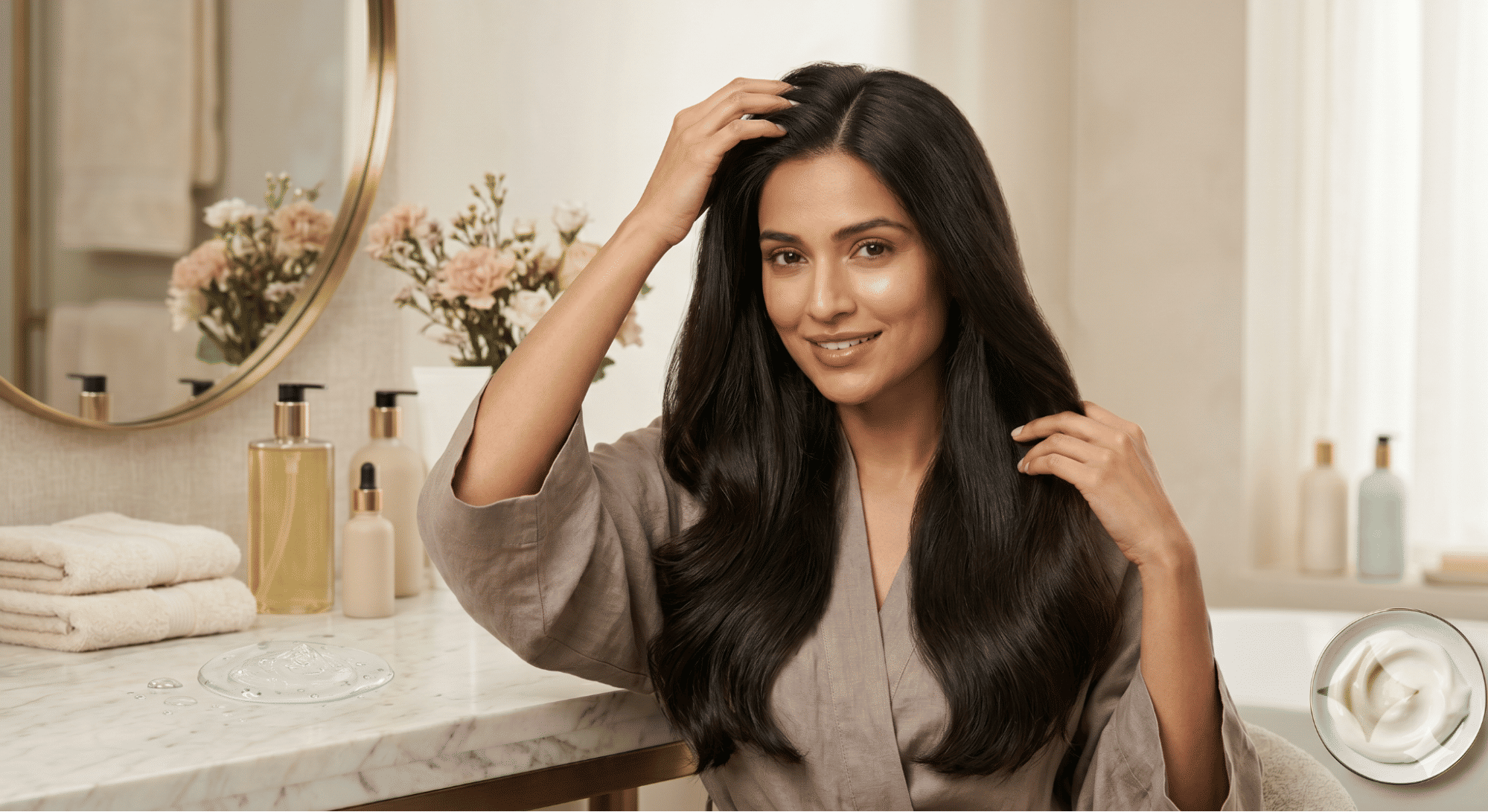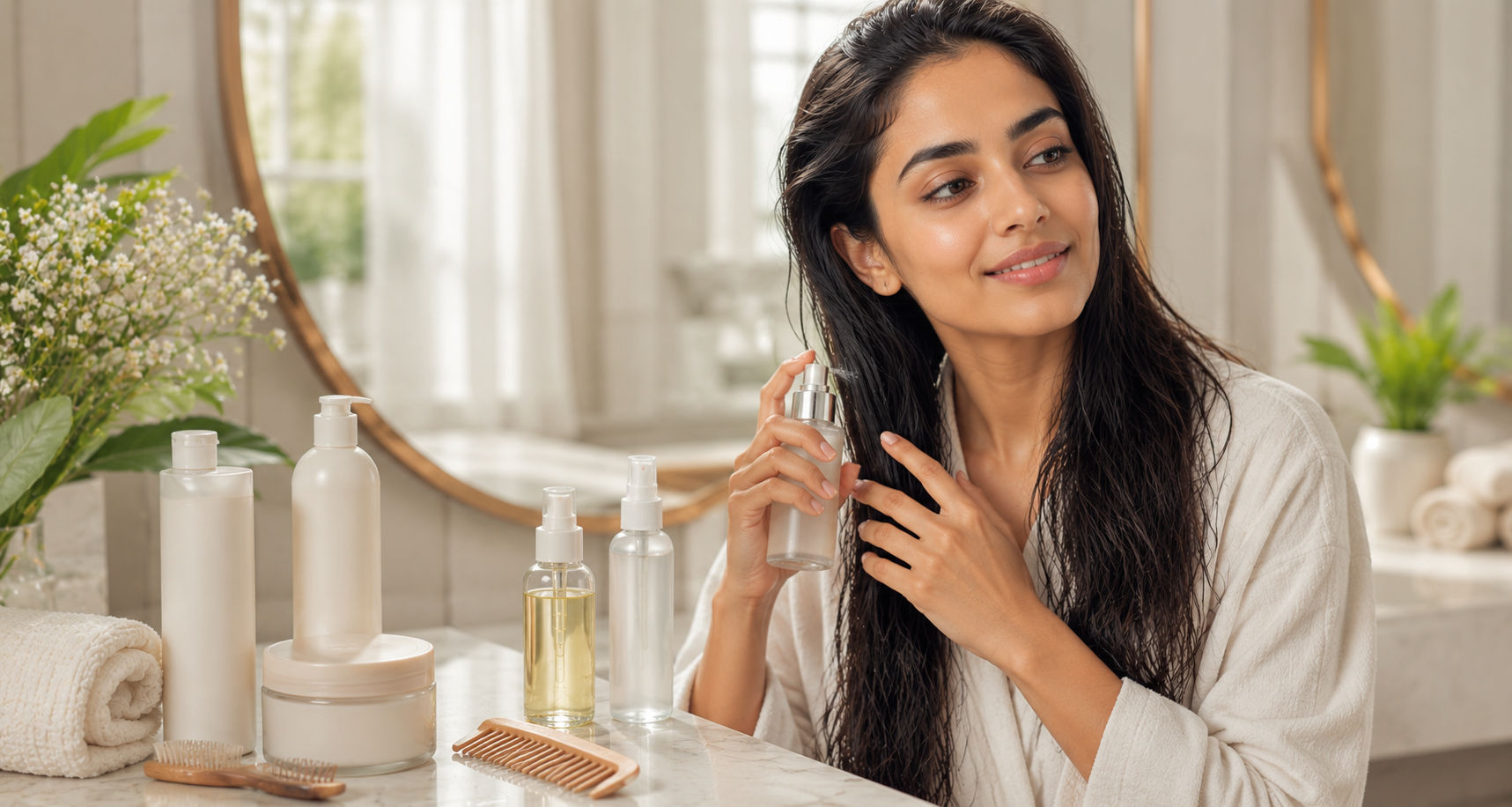
A rinse-out conditioner provides moisture and smoothness immediately after shampooing, while a leave-in conditioner stays on the hair to help control frizz, dryness and tangles throughout the day. That’s why some hair types do well with just a regular conditioner, while others benefit from using both.
In This Story:
The conditioner feels like one of the simplest parts of a haircare routine until you start shopping for it.
You go looking for a regular conditioner and suddenly there are leave-ins, sprays, creams, milks, and treatments sitting on the same shelf.
At that point, it's pretty reasonable to wonder whether they're all doing the same thing.
They aren't. Both products help with softness and manageability, but they work at different stages of your routine. That's why some people swear by leave-ins while others are perfectly happy with a regular conditioner and nothing else.
Why Are There Two Different Types of Conditioner?
Hair doesn't always need the same kind of help throughout the day.
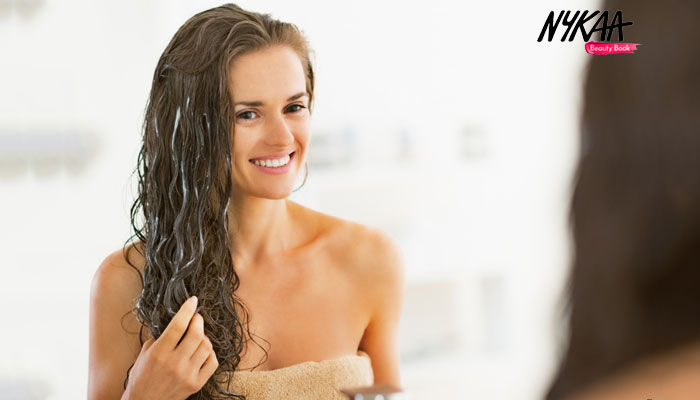
A rinse-out conditioner is designed to work immediately after shampooing.
A leave-in conditioner is designed to stay with your hair after washing and continue helping throughout the day. That's why they exist side by side rather than replacing each other.
What Does a Rinse-Out Conditioner Actually Do?
This is the conditioner most of us grew up using. You wash your hair, apply it through the lengths, wait a minute or two, and rinse it away.
Even though it doesn't stay on the hair very long, it still does a lot of the work when it comes to making hair feel:
- softer
- smoother
- easier to detangle
- less rough after washing
If you've ever forgotten conditioner entirely, you've probably noticed the difference before your hair was even dry.
For many people, this step alone handles most of their conditioning needs.
What Makes Leave-In Conditioners Different?
The biggest difference is right there in the name. It stays on the hair. Once you've towel-dried or partially dried your hair, the leave-in remains behind while you go about your day.
That's why it's often used for things like:
- frizz control
- extra softness
- easier styling
- reducing dryness between washes
Some people notice the benefits immediately. Others simply realize their hair feels a little easier to deal with later in the day.
Does Leave-In Conditioner Replace Regular Conditioner?
This is probably the biggest misunderstanding around leave-ins.
People sometimes think a leave-in conditioner is simply a stronger version of regular conditioner.
In reality, they're built differently. A rinse-out conditioner helps right after shampooing when the hair has just been cleansed.
A leave-in conditioner works more like ongoing support. That's why many hairdressers recommend thinking of leave-ins as an addition rather than a replacement.
Who Actually Benefits From Leave-In Conditioner?
Not everyone needs one. That's worth saying because social media sometimes makes it sound like every routine requires six extra products.
Leave-ins tend to be most useful for hair that regularly feels:
- dry
- frizzy
- difficult to detangle
- rough at the ends
They're also popular with people who use heat tools frequently or have naturally curly hair.
In those situations, having a little extra moisture left behind often makes a noticeable difference.
What If Your Hair Is Fine?
Fine hair is usually where people get nervous about leave-in products.
And honestly, that's understandable. The wrong product can make fine hair feel flat pretty quickly.
The good news is that modern leave-ins come in lighter formulas than they used to.
Many people with fine hair do well with:
- lightweight sprays
- leave-in mists
- fluid milk formulas
Usually the trick isn't avoiding leave-in conditioner completely.
It's simply using less of it.
Leave-In Conditioner vs Rinse-Out Conditioner: Quick Comparison
| Feature | Rinse-Out Conditioner | Leave-In Conditioner |
|---|---|---|
| Applied During Wash Day | Yes | No |
| Rinsed Away | Yes | No |
| Texture | Usually richer | Usually lighter |
| Main Role | Softens after shampooing | Helps maintain moisture |
| Best For | Everyday conditioning | Extra hydration and frizz control |
Both can work together without competing with each other.
Does Weather Change Which One Feels Better?
Hair often behaves very differently depending on the season.
In humid weather, people usually complain about:
- frizz
- puffiness
- flyaways
During winter, the complaints often change to:
- dryness
- rough ends
- static
That's one reason the same routine doesn't always feel perfect year-round.
Sometimes your hair simply needs something different depending on the environment.
One Mistake People Make With Leave-In Conditioner
More product doesn't automatically mean better results.
This is especially true with leave-ins. When hair starts feeling dry, it's tempting to keep adding product.
But sometimes that leads to:
- heaviness
- buildup
- hair feeling coated
A small amount applied where it's actually needed usually works better than covering the entire head.
So Do You Need Both?
If your hair already feels soft, manageable, and comfortable with a regular conditioner, there may be no reason to add another step.
If your hair constantly feels dry, frizzy, or difficult to control between washes, a leave-in conditioner may be worth trying.
Haircare isn't really about following the longest routine possible.
It's about finding the point where your hair feels easier to manage without adding products it doesn't need.
Frequently Asked Questions
-
What's the main difference between leave-in conditioner and rinse-out conditioner?
A rinse-out conditioner is used and washed away during your shower, while a leave-in conditioner stays on the hair after washing.
-
Can leave-in conditioner replace regular conditioner?
Usually no. Most leave-ins work best as an extra step rather than a replacement.
-
Do I need both types of conditioner?
Not always. It depends on your hair type, dryness level, and how manageable your hair feels between washes.
-
Which conditioner is better for frizz?
Leave-in conditioner often helps because it continues working after your hair has dried.
-
Can fine hair use leave-in conditioner?
Yes. Lightweight spray or mist formulas usually work well for fine hair.
-
How often should I use leave-in conditioner?
Many people use it after every wash, while others use it only when their hair feels dry.
-
Is leave-in conditioner useful for curly hair?
Yes. Curly hair often benefits from extra moisture and softness between wash days.