Preparing your hair early with the right scalp care, hydration and lighter products can help reduce common monsoon concerns like frizz, buildup and flat roots. That's why many people find that small routine adjustments before the season starts work better than trying to fix hair problems after they appear.
In This Story:
- Why Healthy Ends Matter
- Why Scalp Care Matters
- Why Pre-Monsoon Hydration Helps
- Why Reviewing Products Helps
- Why Leave-In Conditioner Helps
- Simple Pre-Monsoon Hair Checklist
- Why Humidity Changes Hair
- Why Heavy Oiling Can Backfire
- Why Buildup Feels Worse In Monsoon
- What To Do After Rain Exposure
- Why Working With The Weather Helps
- Common Monsoon Hair Problems
- FAQs
The first few weeks of monsoon are usually when people realize their hair has its own plans.
A routine that worked perfectly through summer suddenly stops delivering the same results. Hair feels bigger, roots seem oily much faster, and styling takes twice the effort for half the payoff.
Most people blame the rain. In reality, the changes often begin before the heavy showers even arrive. Rising humidity affects how hair behaves long before you get caught in your first downpour.
The good news is that preparing your hair before monsoon starts is often easier than trying to fix problems once they're already happening.
Take a Look at Your Hair Ends
Before buying new products or changing your entire routine, check the condition of your ends.
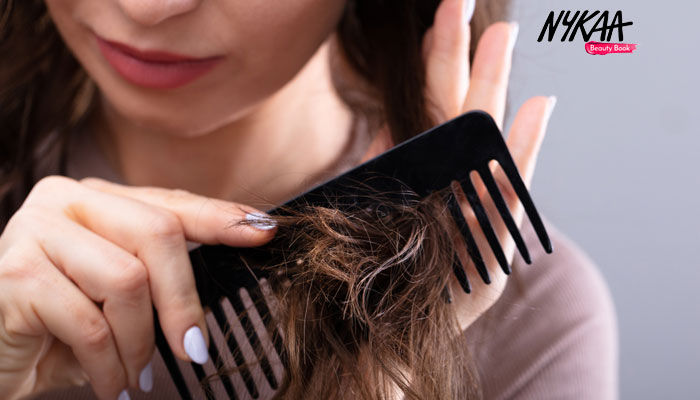
If they're already dry, rough, or splitting, humid weather tends to make those issues much more noticeable.
Hair with damaged ends often reacts unpredictably to moisture in the air. Instead of looking smoother, it may appear puffier and harder to control.
A simple trim can make a bigger difference than many people expect.
You don't need a dramatic haircut. Even removing a small amount of damaged hair can help reduce tangling and make the overall texture feel healthier.
Don't Forget About Your Scalp
When people think about monsoon hair care, they usually think about frizz first.
The scalp, however, is often where seasonal problems actually begin.
As humidity rises, many people notice their scalp feeling different. Hair may seem oily sooner after washing. Some experience mild itchiness, while others feel like their roots never look fresh for very long.
This doesn't necessarily mean you need stronger products.
In many cases, consistency matters more than intensity.
Keeping the scalp clean and avoiding excessive buildup can go a long way toward making hair feel lighter during humid months.
Address Dryness Before Humidity Makes It Worse
It sounds strange at first.
Most people associate monsoon with moisture, not dryness.
But hair that is already dehydrated often reacts more dramatically when humidity increases.
You might notice:
- More flyaways
- Increased puffiness
- Rough texture
- Less shine than usual
A few weeks of regular conditioning before the season changes can help improve how your hair handles excess moisture in the air.
The goal isn't to make hair heavy with products. It's to help it stay balanced.
Review the Products You're Using
Many summer products continue working perfectly during monsoon.
Others don't. A styling cream that felt lightweight a month ago might suddenly leave hair looking flat. Rich formulas can sometimes feel sticky once humidity levels climb.
If your hair tends to get weighed down easily, this is a good time to simplify things.
Lighter products often perform better when the air already contains plenty of moisture.
That doesn't mean replacing everything at once. Sometimes changing one product is enough.
A Leave-In Conditioner Can Be Useful
Not everyone needs one, but a lightweight leave-in conditioner often earns a place in monsoon routines.
Used sparingly, it may help:
- Reduce tangles
- Improve softness
- Control flyaways
- Make hair easier to style
Applying too much product can have the opposite effect, especially when humidity is already making hair feel heavier than usual.
A Simple Pre-Monsoon Hair Checklist
| Step | Why It Helps |
|---|---|
| Trim damaged ends | Makes hair easier to manage |
| Keep the scalp clean | Reduces buildup and excess oil |
| Condition regularly | Improves moisture balance |
| Switch heavy products if needed | Prevents weighed-down hair |
| Add a leave-in conditioner | Helps with frizz and tangles |
You don't need a ten-step routine.
Most people see better results from consistency than complexity.
Accept That Humidity Changes Hair
This is probably the most important thing to remember.
Even healthy hair reacts to weather.
Social media often creates the impression that perfect hair is possible in every season. In reality, humidity affects nearly everyone to some degree.
You may notice:
- More volume than usual
- A few extra flyaways
- Less predictable styling results
- Hair that feels different from day to day
That's normal.
The goal isn't to eliminate every sign of humidity. It's to keep hair manageable enough that it doesn't become frustrating.
Be Careful With Heavy Oiling
A common reaction to frizz is applying more oil.
Sometimes that works well.
Other times it leaves hair looking greasy by midday.
During monsoon, many people find that moderation works better than heavy oil treatments.
If your hair already feels weighed down, adding more oil may not solve the problem.
Pay attention to how your hair responds rather than following the same routine all year.
Watch for Buildup
Monsoon weather has a way of making buildup feel more obvious.
Hair that looked fine a few weeks earlier may suddenly seem:
- Flat
- Dull
- Heavy
- Difficult to style
This can occur when product residue, sweat, environmental particles and natural oils start to build up at a faster rate.
Occasional clarifying can help refresh the hair when it starts feeling overloaded.
You don't need to clarify constantly. Most people only benefit from it when hair genuinely feels weighed down.
If You Get Caught in the Rain
It happens. One minute the weather looks fine, and the next you're standing under a shop awning waiting for a downpour to stop.
If your hair gets soaked unexpectedly:
- Gently dry it when possible
- Avoid aggressive rubbing with a towel
- Let the scalp dry properly
- Wash if the hair feels dirty afterward
Rainwater isn't always as clean as people assume, especially in cities where pollution levels are higher.
Work With the Weather, Not Against It
One of the biggest mistakes people make during monsoon is expecting their hair to behave exactly as it did during dry weather.
Hair naturally responds to changes in humidity. A little extra texture or volume doesn't mean your routine has failed.
Sometimes it's easier to re-shift expectations than to add more products.
Healthy, manageable hair is a much more realistic goal than perfectly smooth hair every single day.
Common Monsoon Hair Concerns
| Concern | What Often Causes It |
|---|---|
| Frizz | Humidity in the air |
| Flat roots | Sweat and excess oil |
| Dull-looking hair | Product buildup |
| Tangles | Dry or damaged ends |
| Heavy feeling hair | Overuse of products |
Understanding the cause usually makes finding a solution much easier.
Frequently Asked Questions
-
How should I prepare my hair before monsoon starts?
Take care of the health of the scalp, cut off the damaged ends, give regular conditioning and don't overburden your routine with heavy products.
-
Why does hair become frizzy during monsoon?
Hair absorbs moisture from humid air, which can cause strands to swell and become more difficult to control.
-
Should I oil my hair more during monsoon?
Not necessarily. Heavy oiling can sometimes make hair feel greasier and heavier in humid weather.
-
What products work well during monsoon?
Lightweight leave-in conditioners, anti-frizz products, and gentle cleansing products are often useful.
-
Do I need a clarifying shampoo?
Only occasionally. It can help when hair starts feeling dull, flat, or weighed down by buildup.
-
Is it possible to avoid frizz completely during monsoon?
No. A little frizz is normal and a natural reaction to humidity. Usually not to get rid of it, but to have a better control and manageability.