Primer is mainly there to help foundation sit better on the skin, but whether it actually makes a visible difference depends on your skin type, makeup routine and even the weather.
Primer is one of those makeup products people constantly debate about.
Some people feel their foundation looks smoother and lasts longer with it. Others stop using primer completely and realise their makeup still looks almost the same.
Honestly, both experiences are valid.
Because whether primer actually helps depends on:
- your skin type
- the foundation formula
- how much makeup you wear
- the weather
- even the skincare underneath
That's why primer works really well for some routines and feels unnecessary in others.
In This Story:
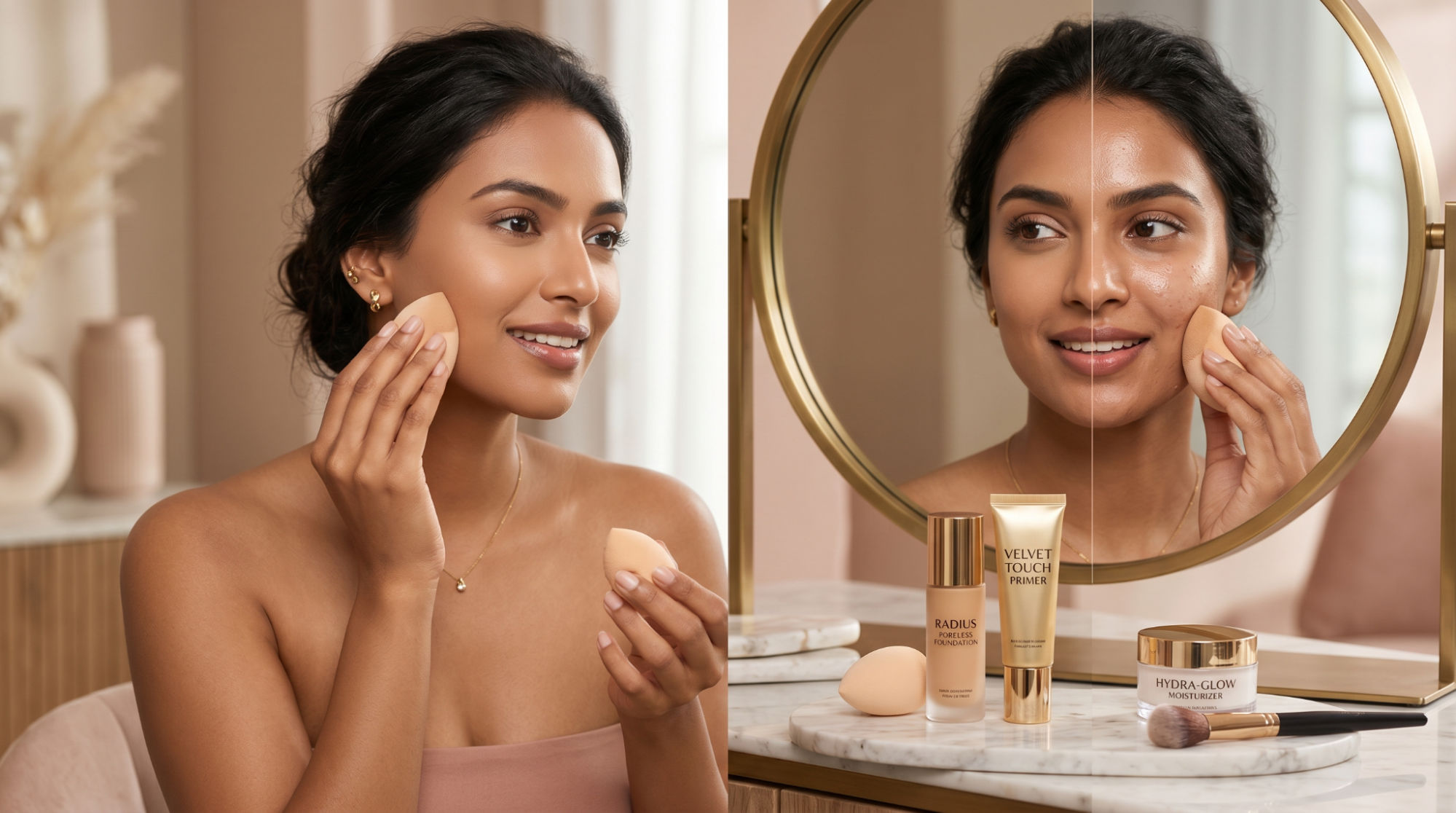
Primer is mainly there to improve how foundation sits
That's its real purpose.
A good primer can help:
- smooth texture slightly
- reduce excess shine
- help makeup grip better
- stop foundation from separating too quickly
That's basically why the whole primer before foundation routine became popular in the first place.
But primer isn't magic either. It supports makeup, it doesn't completely transform skin.
Sometimes skincare already does enough
This is something people usually realise later.
If your skin already feels:
- balanced
- moisturized properly
- not overly oily or dry
foundation can often sit perfectly fine without primer.
That's why many lightweight makeup routines skip primer completely and still wear well.
Sometimes good skin prep matters more than adding another layer.
Too many layers underneath foundation can backfire
This happens more than people expect.
Heavy moisturizer + gripping primer + full-coverage foundation can quickly start feeling:
- thick
- slippery
- uneven after a few hours
Sometimes foundation pills or separates not because the products are bad, but because there's simply too much underneath.
That's why a simple foundation prep routine often wears better than an overloaded one.
Different primers solve different problems
This is where primer gets confusing.
Not all primers do the same thing.
Some focus on:
- hydration
- oil control
- smoothing texture
- longer wear
- glow or brightness
So whether primer helps depends on what your skin actually needs.
For example:
- oily skin – a lightweight matte primer may help
- dry skin – hydrating primer usually feels better
- textured skin – smoothing primers often help more
The wrong primer can sometimes make foundation look worse instead of better.
Primer won't completely erase texture or pores
This is worth saying honestly.
A lot of people expect primer to make skin look filtered.
But real skin still has:
- pores
- texture
- movement
- fine lines
Primer can soften the appearance slightly, but it won't completely change the skin underneath.
That softer effect is usually what people notice most.
Weather changes whether primer feels useful
Especially in Indian weather.
| Condition | What Usually Feels Better |
|---|---|
| Humid weather | Lightweight mattifying primer |
| Dry weather | Hydrating prep |
| Winter | Moisturizer matters more |
| Long outdoor wear | Gripping primer helps more |
So some days primer feels genuinely useful, while other days it just feels like an extra layer.
Foundation texture matters too
Some foundations already contain:
- smoothing ingredients
- gripping polymers
- hydrating silicones
So adding primer underneath can sometimes:
- make foundation slide around
- create pilling
- feel heavier than necessary
That's why matching textures matters more than people think.
A lightweight skin-like foundation may not need much prep at all.
Common primer types and what they usually help with
| Primer Type | Usually Helps With |
|---|---|
| Hydrating Primer | Dryness and dullness |
| Matte Primer | Excess shine |
| Silicone Primer | Smoother texture |
| Gripping Primer | Longer makeup wear |
| Illuminating Primer | Softer glow |
Not everyone needs every type.
Usually choosing one based on your skin concern works better than layering multiple primers together.
Simple makeup prep usually looks fresher anyway
Honestly, this is where many people eventually end up.
Usually enough:
- moisturizer
- sunscreen
- primer only if needed
- thin foundation layers
That tends to wear more naturally than very heavy prep underneath foundation.
Especially in everyday makeup.
When foundation sits properly, you stop thinking about the primer underneath
That's usually the best sign.
- Makeup lasts normally
- Foundation looks smoother
- Texture feels more balanced
- Nothing separates too quickly
It just feels easier to wear through the day.
Frequently Asked Questions
-
Should I use primer before foundation?
It depends on your skin type, foundation formula, and how long you want makeup to last.
-
Does primer make foundation last longer?
Sometimes yes, especially in heat, humidity, or long makeup days.
-
Can I skip primer completely?
Yes. If your skincare and foundation already work well together, primer may not be necessary.
-
Which primer works best for oily skin?
Lightweight mattifying primers usually help reduce excess shine and makeup separation.
-
Why does foundation pill with primer?
Too many layers or incompatible textures between skincare, primer, and foundation can cause pilling.
-
Is primer necessary for everyday makeup?
Not always. Many daily makeup routines work perfectly fine with just moisturizer and sunscreen underneath foundation.
-
Which primer works best for dry skin?
Hydrating primers or moisturizing skin prep usually work better for dry skin than very matte primers.
-
Does primer completely hide pores?
No. Primer can soften the appearance of pores slightly, but it won't fully erase natural skin texture.