In This Story:
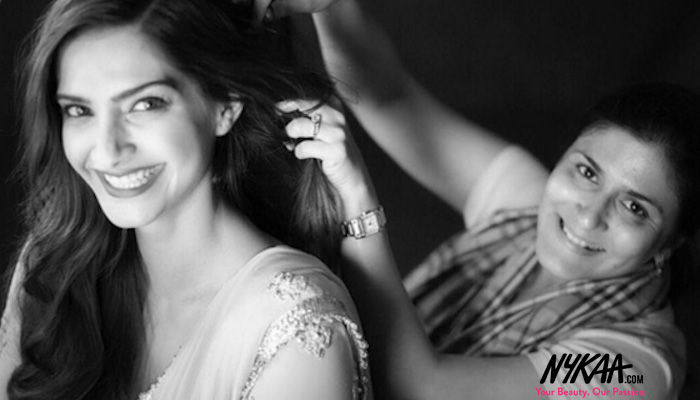
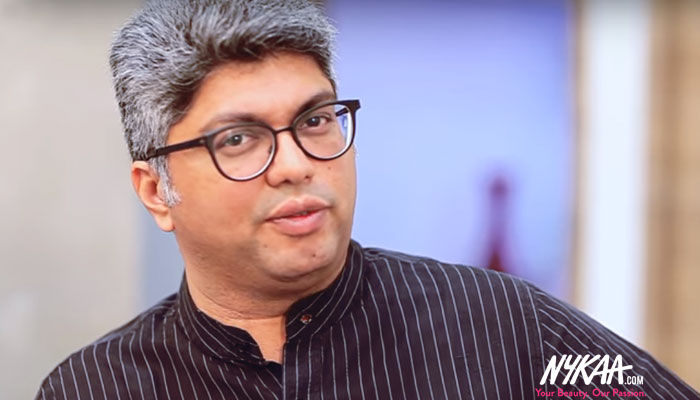
We live in stressful times. Work pressures, financial burdens, family commitments, relationship issues, tedious commutes… All these build up to affect our health in a gazillion ways. Insomnia, eating too much or too little, irritability, anxiety, and dull skin and hair loss are common fallouts. “Hair loss is never the only symptom of anxiety and stress. However, anxiety and hair loss have a complex relationship, and anxiety can, in many cases, cause hair loss to occur, and in other cases, make it more difficult to control,” say Dr Apoorva and Dr Sonal Shah, trichologists extraordinaire who are synonymous with strand and scalp care. Featured in the Limca Book of Records as India’s first certified trichologist, Dr. Apoorva took up the cause of tresses long before it became fashionable. She set up the Richfeel Trichology Centres in India to solve common strand woes. His beautiful wife, Dr Sonal, shares his passion and is a qualified Beauty Physician in Natural Therapies. She is also the first female Indian trichologist who launched the country’s earliest range of nutritive homoeopathic remedies. Together, the couple was the Official Hair Care Experts for the Femina Miss India Pageant for ten consecutive years.
So here’s your expert-approved, pretty simple tips & techniques to reverse stress-induced hair fall.
1. Different Types Of Hair Loss
“When you’re feeling good, your vibrant health is reflected in your shining and radiant hair. But if you’re under stress, it’s just the reverse,” says Dr. Sonal. Hair loss is a sign that stress has pushed your body out of balance. “Stress can cause hair to become dull, lifeless and greasy because of overproduction by traumatised sebaceous glands,” she points out. The two main kinds of hair loss due to stress include Alopecia Areata and Telogen Effluvium. Dr. Apoorva says Alopecia Areata is characterised by the sudden loss of large clumps of hair in areas around your scalp, while Telogen Effluvium is a condition where more hairs than normal prepare to fall out. “The third condition, Trichotillomania, is the habitual condition caused by stress and anxiety where the person pulls out hairs without realising it,” he adds
2. Sudden Hair Loss Caused By Stressors
Dr Sonal says sudden and rapid hair loss (Telogen Effluvium) is a common condition experienced by people who have had a shock to their system. “This is commonly seen in women after childbirth, people with high fevers, people who go on fasts or rapid weight-loss diets, and those recovering from surgery or other stresses.” Other causes could include stressful events such as deaths in the family, abuse or accidents, severe emotional stress, the termination of a pregnancy and a change in birth control pills. Hair loss after the stress associated with terminating a pregnancy also occurs due to sudden changes in hormone levels. The hair enters a resting phase and is usually shed three months after the abortion.
The good doctor says that Telogen Effluvium, which affects more women than men, increases the percentage of hairs in the resting phase from 10 per cent to about 30 per cent, and causes clumps of hair to fall out, a distressing occurrence for anyone. “It’s upsetting for women with once-thick hair to notice thinning all over the scalp. Clumps of hair falling out while braiding or curling is a common phenomenon,” says Dr. Sonal. The only silver lining is that stress-induced hair loss is a temporary condition and doesn’t lead to baldness. “Also, as soon as your body finds its equilibrium and you recover from stress, the hair loss should cease,” Dr. Sonal adds.
Dr. Apoorva says that the scalp is the first place to show distress. Illness, medication and imbalances in nutrition all show up in your hair and scalp. “Even aspirin and over-the-counter allergy pills or cold tablets can have a negative effect on your hair, especially if your hair is chemically treated with colour or a permanent rinse,” he points out. While stress-induced hair loss is usually temporary, some hair loss may continue until the root of the problem is resolved.
3. How To Reverse Hairfall Through Diet?
As in life, there are no magic pills or miracle foods that can reverse hair fall overnight. However, following a healthy diet for hair loss can ultimately lead to healthy hair. “The hair and scalp can be healed by eating foods that promote physical health and well-being,” says Dr. Sonal. She says one should avoid foods that are high in oils and fats. “Red meats, fried foods, most nuts and nut products are not good for hair. Similarly, you should limit your intake of shellfish and iodised salt because they contain too much iodine. Iodine does help hair growth, but too much can cause acne and hair fall.” Chocolate and cocoa products, cheese, sugar, coffee and tea, and alcohol should be consumed in limited quantities because they can trigger systemic problems that upset the delicate balance between your hair and its environment, the scalp, she adds.
The best foods for healthy hair include:
- Good protein sources include chicken, turkey, fish, dairy products, legumes and tofu.
- Iron-rich foods such as lentils, spinach and other leafy green vegetables, including broccoli, kale and salad greens.
- Vitamin C-rich foods such as blackcurrants, blueberries, broccoli, guava, kiwi fruits, oranges, papaya, strawberries and sweet potatoes.
- Omega 3, 6, 9 rich foods such as oily fish such as salmon, herring, sardines, trout and mackerel and plant sources including avocado, pumpkin seeds and walnuts.
- Vitamin A-rich foods such as animal products and orange/yellow coloured vegetables, including carrots, pumpkins and sweet potatoes.
- Fortified cereals and whole grains, oysters, beef and eggs, all rich sources of zinc.
- Biotin-rich foods such as whole grains, liver, egg yolk, soy flour and yeast.
4. Reduce Your Stress Levels For Lustrous Locks
Dr. Apoorva says de-stress techniques are key to reversing stress-induced hair loss because “hair loss can cause even more stress in your life”. He suggests that instead of feeling additional stress, one should look at hair loss as the body's central nervous system's way of communicating a problem. “Your hair is part of an early warning distress system that may be trying to tell you that the medication you’re taking, the food you’re eating or your lifestyle is stressing your system and it's time to make changes.” In his opinion, relaxation techniques like yoga, meditation and exercise can all reverse hair fall. After all, it’s well documented that if stress and anxiety are causing your hair loss, reducing anxiety levels can help restore your crowning glory.
Best Anti-Hairfall Products On Nykaa
Here are some of the best products you can try, along with managing your hairfall.
Anti-Hairfall Shampoo
Nykaa Recommends:
Anti-Hairfall Conditioner
Nykaa Recommends:
Anti-Hairfall Oil
Nykaa Recommends:
Anti-Hairfall Serum
Nykaa Recommends:
Anti-Hairfall Masks
Nykaa Recommends:
Parting Thoughts
Hairfall can be a tough pill to swallow, but with the right routine, some self-care, and a whole lot of self-love can even reverse your hairfall and promote new hair growth. One of the biggest reasons for hairfall is stress and anxiety, and when you curb it, you can help your hair regrowth journey.
Wishing for strong & thick hair? Check out: How To Bounce Back From Thinning Hair
FAQs
-
How can I reduce my hairfall?
The best way to reduce hairfall is to first understand the root cause of it. If you have stress or your diet is bad, make sure to invest in a healthy, balanced diet that reduces your stress and anxiety and diet.
-
How will I know that I have hairfall?
It is normal to lose around 50-100 strands of hair in a day, but if you are losing more than that, you need to get your scalp checked. If you also stop seeing the growth of new hair strands, that is usually a sign of hair loss. Finally, a good reason for baby hair.
-
What can I do to stop hairfall?
Use anti-hairfall products that are infused with hair-friendly ingredients such as rosemary, gooseberry, biotin, and keratin.