In This Story:
Let’s talk dandruff, yes, that annoying flakes we’ve all seen at some point. I thought a little snow on my shoulder was a winter fashion accessory, until snow stayed too long! In this blog, we are going to take a deep dive on what actually causes dandruff, the different types of dandruff (yes there are), and the best ways to get rid of it, fast. This will be a guide with a little personal experience, and a lot of proven forms release all its life! We’re fighting the flakes wherever they may be, dry, oily or something in between, we’ve got you. So grab your favorite cuppa and let’s plan to navigate scalp drama with style and substance, beauty starts in the roots after all!
How is Dandruff Formed?
Let us walk you through the process leading to the existence of hair dandruff.
- A fungus, when overactive, feeds on sebum – an essential natural scalp oil – and thus, depletes hair of its natural oils and moisture.
- This sebum breaks down to certain acidic by-products that are harmful to the health of the scalp.
- The scalp responds to the presence of the disturbing by-product by turning red and itchy.
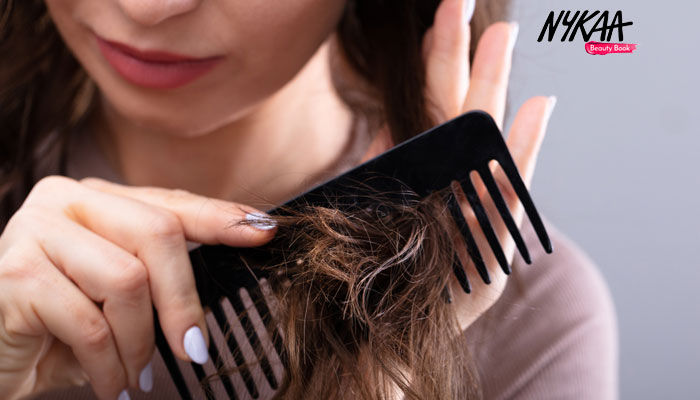
- In an attempt to shed the unwanted by-product, the body signals the brain to shed skin faster, resulting in dead skin cells visible as white flakes falling off the scalp.
- This is the stage where you keep shrugging your shoulders, hoping the snowflakes will come to a halt.
Types of Dandruff
Based on the evoking cause, dandruff can be fairly classified into three categories. Let’s sneak a look at the types of dandruff.
1. Wet dandruff
Wet dandruff is the result of extreme sebum production, which leaves oily scales on the scalp. This type of dandruff is exacerbated if the humid scalp attracts more dirt and is inadequately washed. Thus, the build-up of excess oil and sebum on the scalp incites wet dandruff.
2. Oily dandruff
Oily dandruff, also known as greasy dandruff, occurs when you don’t shampoo your hair enough, leading to the accumulation of skin cells and flaking. Washing your hair less often makes your hair greasy and scalp oily, triggering oily scalp dandruff.
3. Dry dandruff
Dry dandruff is caused by a fungal or scalp infection, resulting in an itchy and flaky scalp. A dry scalp that is void of moisture piques dry dandruff.
Heavy dandruff occurs more in males than in females. Puberty is also the time when dandruff makes its unsolicited presence felt. Recognising the formation of dandruff in its early stages can help control dandruff before it exacerbates.
Dandruff Symptoms
The early signs of dandruff preceding flakes include:
1. Dryness and Tightness
Excessive dandruff destroys your skin’s natural moisture barrier and allows the moisture to escape, leaving the scalp dry and tight. Even after adequate combing, the hair seems to lose its lustre and becomes unmanageable.
2. Itchiness and Inflammation
Experiencing itchiness on the scalp due to dead cells and a flaky scalp is the most common dandruff symptom. Itchy scalp causes irritation, which consequently leads to redness.
3. Hair Fall
It is normal to experience hair fall, but if you lose hair strands at a higher rate, it might be a symptom of dandruff. 25-30 is the average number of hair strands one loses every day.
Tresemme Hair Fall Defence Shampoo reinforces the strength in your hair and prevents excessive hair fall.
4. Acne
Although not directly related, the severity of dandruff encourages the sudden outbreak of pimples on the face. Tackling dandruff from the root takes care of the acne. Avoid getting dandruff on your face as it triggers acne.
What Causes Dandruff?
Now that you have answers for what dandruff is, scan the underlying reasons for dandruff. It is a common misconception that poor hygiene is a responsible dandruff cause. However, it’s not always the only reason for dandruff.
1. Existing Skin And Medical Conditions
People with eczema, psoriasis and other skin disorders are more prone to dandruff issues. Also, people suffering from Parkinson’s disease or some other neurological illnesses are known to have dandruff.
2. Improper Hair Care Regimen
Not sure if you are shampooing enough? Shampooing too frequently can irritate the scalp, and shampooing less often can cause the accumulation of dirt and oil on the scalp. In either case, dandruff is a given. Also, certain hair products that don’t suit you can react and prove to be a prime dandruff cause.
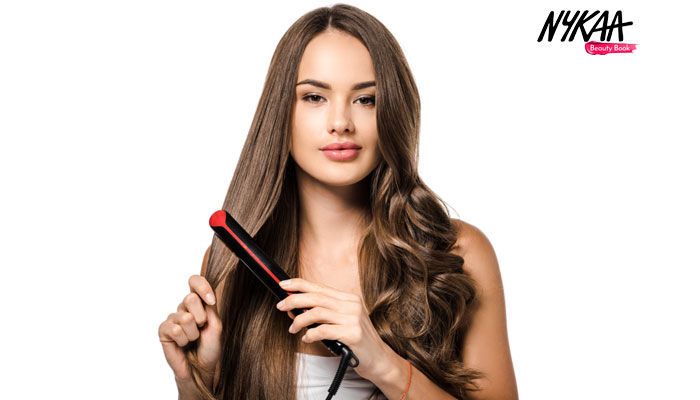
3. Overusing Hair Styling Equipment
Love playing around with heat styling instruments on a daily basis? We have got news for ya. Excessive use of harsh hair styling equipment, such as blow dryers and straighteners, can deplete the hair of its natural moisture and increase dryness, which consequently leads to dandruff. Ensure you straighten your hair only occasionally and use protective hair styling creams. Kerastase Specifique Hydra-Apaisant Hair Mask For Sensitive, lets you groom your hair while providing Anti-Dandruff Action.
4. Following A Poor Diet
Can’t keep calm until you consume that last chip in the packet? Excessive consumption of junk or unhealthy food is known to escalate dandruff. Also, insufficient water intake clogs pores and increases the probability of dandruff. It is essential to maintain a nutrient-rich diet.
5. Inviting Extreme Stress
Is your job giving you an existential crisis? Well, sorry to be the bearer of bad news, but all that stress shows up on your scalp. Mental stress, if not handled well, can create a smooth driveway for dandruff to arrive and ruin your pretty hair. Ensure a healthy sleep cycle and find ways to control stress.
The exquisite aroma of PureSense Relaxing Macadamia Stress Relief Spray relaxes the senses and calms the mind while helping alleviate stress.
Lastly, let us tend to that lingering question that must be hovering around your head by now. Is dandruff contagious? No. So don’t let dandruff be the reason you ditch your BFF.
Certain habits, such as washing hair in extreme water temperatures, over-consumption of sugar in the diet, and constant exposure to chlorinated water while swimming, can aggravate the dandruff problem. Soothing an agitated scalp is one herculean task, but putting a stop to this flaky drama is not as tangled as it seems.
Tips to Remove Dandruff
1. Soothe Your Scalp With An Oil Massage
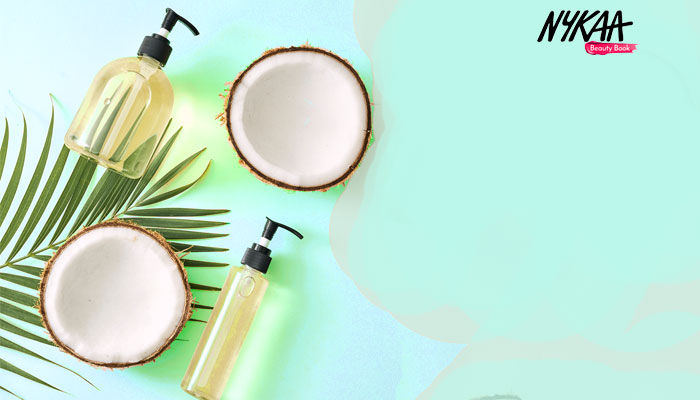
Mothers are known to be adamant about blessing your mane with dollops of coconut oil. Applying coconut oil, which is known to fight fungi, can also help bid adieu to dandruff. Apply coconut oil regularly at night before sleeping and wash it off in the morning. Antioxidant-rich Tea Tree Oil and Green Tea are another natural dandruff tip to drive away dandruff swiftly. Nat Habit Neem Bhringraj Tea Tree Anti Dandruff Hair is a non-greasy formula that penetrates hair follicles to nourish the scalp from within and knock off those flakes.
2. Add Drops Of Lemon Juice To Fight The Fungus
Use a dropper to push 3 drops of Lemon Juice onto your scalp. The acid in the Lemon Juice triggers the breakdown of the dandruff-causing fungus. Lemon Juice is a natural dandruff cure that doesn’t involve harsh chemicals. You can also squeeze some lemon into a cup of water and apply this solution to your hair to free the scalp of excess oil and reduce dandruff.
3. Infuse Rebalancing Serum Into Your Hair Care Regimen
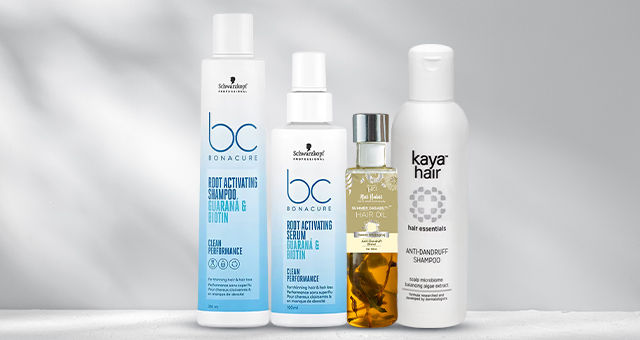
If your dandruff is triggered by irregular sebum production, balance it with the help of a serum that tilts the scales in your favour. A good serum soothes the stressed scalp, provides moisture, effectively confronts and keeps dandruff in control. Schwarzkopf Professional Bonacure Scalp Genesis Root is a rebalancing fluid for scalps prone to dandruff problem.
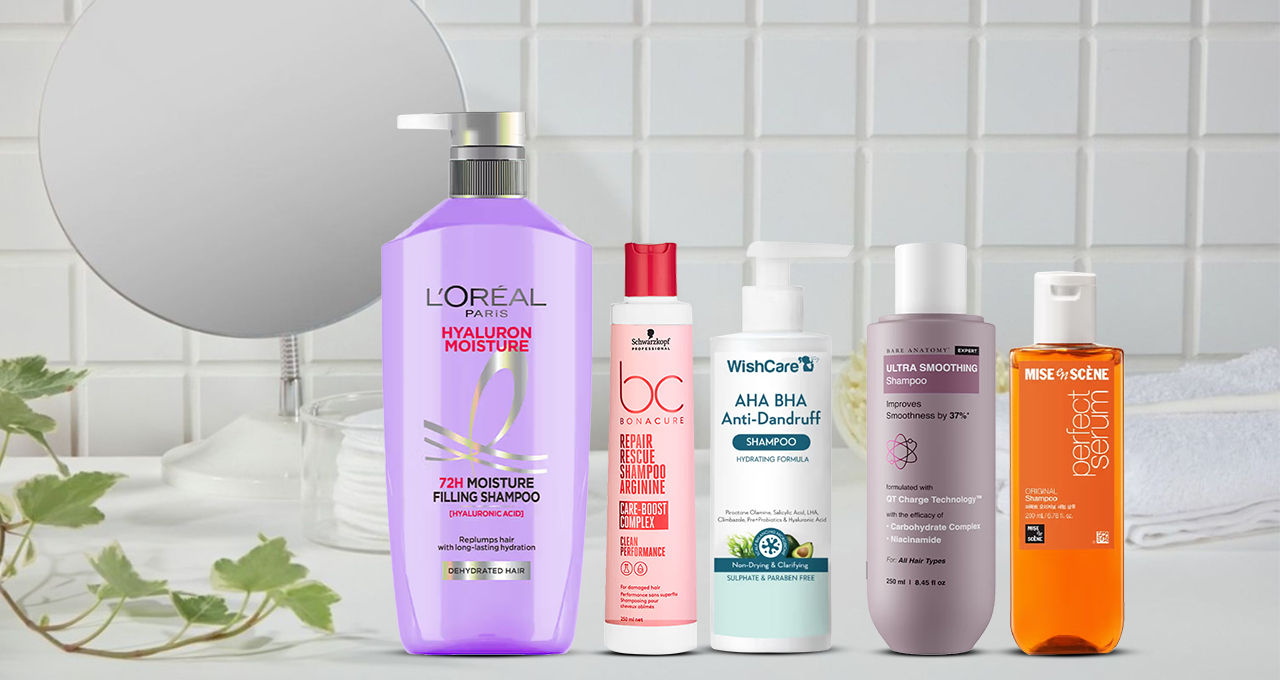
4. Wash Your Hair With An Anti-Dandruff Shampoo
Anti-dandruff shampoos are specially formulated to focus on ousting dandruff and restoring hair’s natural sheen. They purify the scalp to prevent flaking while retaining moisture. Kaya Anti-Dandruff Shampoo, formulated with Piroctone Olamine and enriched with Vitamin B5, is a gentle dandruff solution for a healthy scalp free of dandruff.
Home Remedies To Remove Dandruff
For getting rid of dandruff, sometimes the best solutions are quietly waiting to be discovered in your kitchen cupboard. I have always been a fan of natural, simple remedies that feel more like self-care rituals, as opposed to clinical remedies. To start, there is coconut oil mixed with a couple drops of tea tree oil. This is a powerful combination for your scalp. Massage it into your scalp and let it sit for 30 minutes, and that's it! You are soothing irritation and providing ammunition for the fungus behind the dandruff flakes! Then, you have apple cider vinegar. A diluted rinse (one-part vinegar & two parts water) will help balance your scalp pH, and help dissolve any buildup on your scalp (bonus: leaves shiny hair too!). If you want something more indulgent, we would suggest a hair mask of yoghurt and honey. Yoghurt calms the scalp, and honey is a natural humectant and antibacterial. Finally, do not overlook the healing powers of aloe vera. Cooling, soothing, and deeply hydrating, it is excellent to apply if your dandruff is on the dry and itchy end. Home remedies may not provide instant results, but your scalp can regain balance with diligence and a little bit of TLC. After all, healthy hair definitely starts with a happy scalp. Take dandruff control in your hands and keep this nasty enemy of your pretty mane away! Don’t let the flaky monsters rob your hair of its strength and radiance.
FAQs On Causes Of Dandruff
-
Can using hair styling products cause dandruff?
Hair gels, sprays, and serums can build up on the scalp, clogging follicles and irritating the skin. This can lead to flaking that mimics dandruff or even triggers real dandruff if the scalp becomes imbalanced. Always wash your hair thoroughly and give your scalp a breather between styling sessions.
-
Can dandruff appear on areas other than the scalp?
Surprisingly, yes. While the scalp is the most common spot, dandruff-like flakes can show up in other oily areas like your eyebrows, around the nose, behind the ears, and even the chest. It’s all linked to seborrheic dermatitis, a condition that’s not just a scalp issue.
-
Is dandruff contagious?
You can’t catch dandruff by sharing hats, combs, or pillows. Dandruff is usually caused by internal factors like scalp sensitivity, yeast overgrowth, or even stress, so it’s not something you can "pass on."
-
Can dandruff be caused by hard water?
Yes, hard water can contribute to dandruff. It often leaves mineral residues on the scalp, which can lead to dryness and irritation. If you're in a hard water area, consider using a clarifying shampoo or installing a shower filter for a gentler rinse.