In This Story:
- Why Is My Hair Still Frizzy After Using Conditioner?
- Is Your Conditioner Getting Enough Time to Work?
- Dry Hair vs Frizzy Hair
- Can Shampoo Cause Frizz?
- Does Towel Drying Matter?
- Is Frizz Just Your Hair Type?
- Why Humidity Causes Frizz
- Quick Frizz Fix Guide
- Do You Need More Than Conditioner?
- How Heat Damage Affects Frizz
- Why Weather Makes Frizz Worse
- Is Frizz-Free Hair Realistic?
- Focus On Manageable Hair
- FAQs
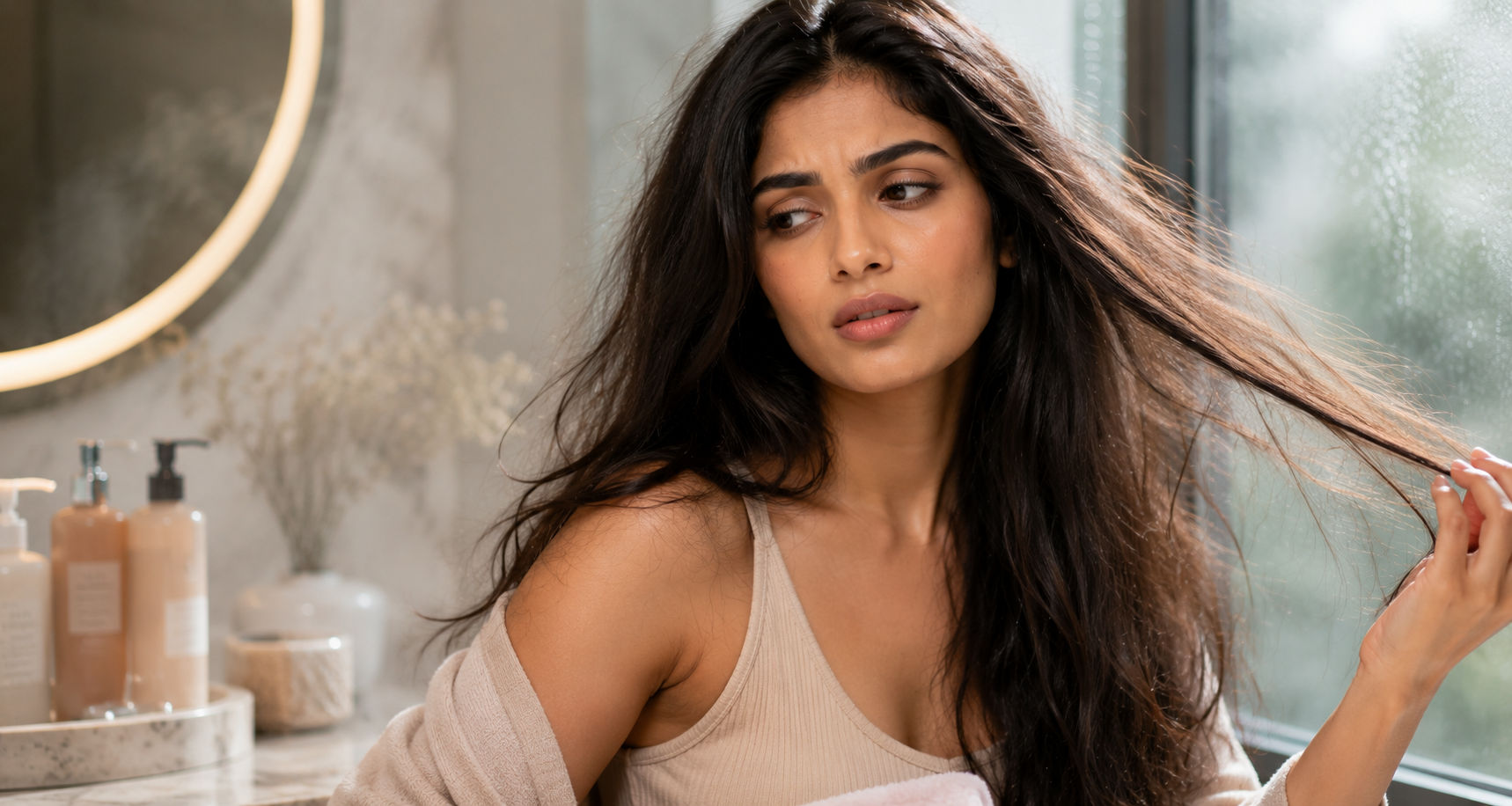
This is probably the most common question people ask.
Conditioner helps with softness and makes hair more manageable but doesn't necessarily take care of all the frizz reasons automatically.
Hair can still look frizzy because of:
- dryness
- humidity
- heat damage
- rough handling
- natural texture
That's why some people use a great conditioner and still struggle with flyaways or puffiness.
Why Is My Hair Still Frizzy After Using Conditioner?
This is probably the most common question people ask.
Conditioner helps with softness and makes hair more manageable but doesn't necessarily take care of all the frizz reasons automatically.
Hair can still look frizzy because of:
- dryness
- humidity
- heat damage
- rough handling
- natural texture
That's why some people use a great conditioner and still struggle with flyaways or puffiness.
Is Your Conditioner Getting Enough Time to Work?
It sounds obvious, but many people rinse conditioner out almost immediately.
A conditioner usually needs a little time to coat the hair properly.
Allowing it to sit for a few minutes can help:
- soften rough strands
- improve smoothness
- reduce tangles
- make hair easier to manage
It's a small change, but sometimes it makes more difference than buying a new product.
Is Your Hair Actually Dry Rather Than Frizzy?
People often use "dry" and "frizzy" as if they mean the same thing.
They don't.
Hair can be:
- soft but frizzy
- dry and frizzy
- hydrated but fluffy
Frizz often appears when hair is searching for moisture or reacting to moisture in the environment.
That's one reason humidity tends to make frizz much more noticeable.
Can Your Shampoo Be Making Frizz Worse?
Sometimes the issue starts before conditioner even enters the picture.
If your shampoo feels very harsh or leaves your hair feeling squeaky clean, it may be removing more oil than your hair likes.
That can leave the hair feeling:
- rougher
- drier
- harder to smooth
In those situations, conditioner ends up trying to fix a problem created earlier in the routine.
A balanced shampoo and conditioner combination often works better than focusing on conditioner alone.
Does Towel Drying Cause Frizz?
Honestly, it can. Many people rub their hair aggressively with a towel without thinking much about it.
The problem is that rough drying can disturb the hair cuticle, which often leads to:
- flyaways
- puffiness
- extra frizz
A gentler approach usually helps.
Instead of rubbing, many people simply press or squeeze excess water out of the hair.
Is Your Hair Type Naturally Prone to Frizz?
This is something people don't hear often enough.
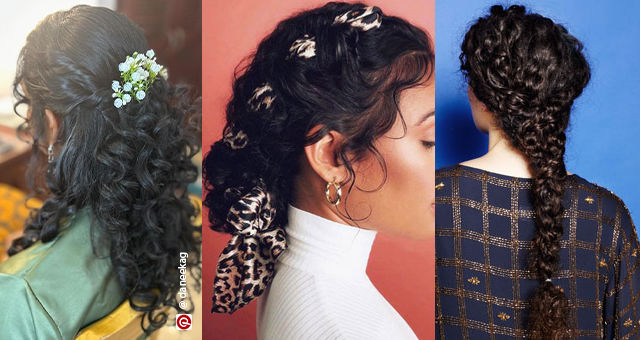
Not all frizz is a sign of damage. Wavy hair and curly hair naturally have more texture, which means a certain amount of frizz can be completely normal.
Sometimes what looks like frizz is simply:
- natural movement
- texture
- volume
Trying to eliminate every flyaway isn't always realistic.
Why Does Humidity Make Hair So Frizzy?
If your hair behaves perfectly indoors but becomes puffy the moment you step outside, humidity is probably involved.
Hair can pull moisture from the air when humidity levels rise.
That often leads to:
- swelling of the hair shaft
- uneven texture
- flyaways
- puffiness
This is especially common during monsoon season and humid summer weather.
Sometimes your conditioner is working just fine—the weather is simply working against it.
Quick Frizz Troubleshooting Guide
| Possible Cause | What You Might Notice |
|---|---|
| Dry hair | Rough ends and puffiness |
| Humidity | Frizz increases outdoors |
| Harsh shampoo | Hair feels stripped |
| Rough towel drying | Flyaways after washing |
| Lack of leave-in products | Frizz returns quickly |
| Natural texture | Soft but fluffy hair |
The cause isn't always the same for everyone.
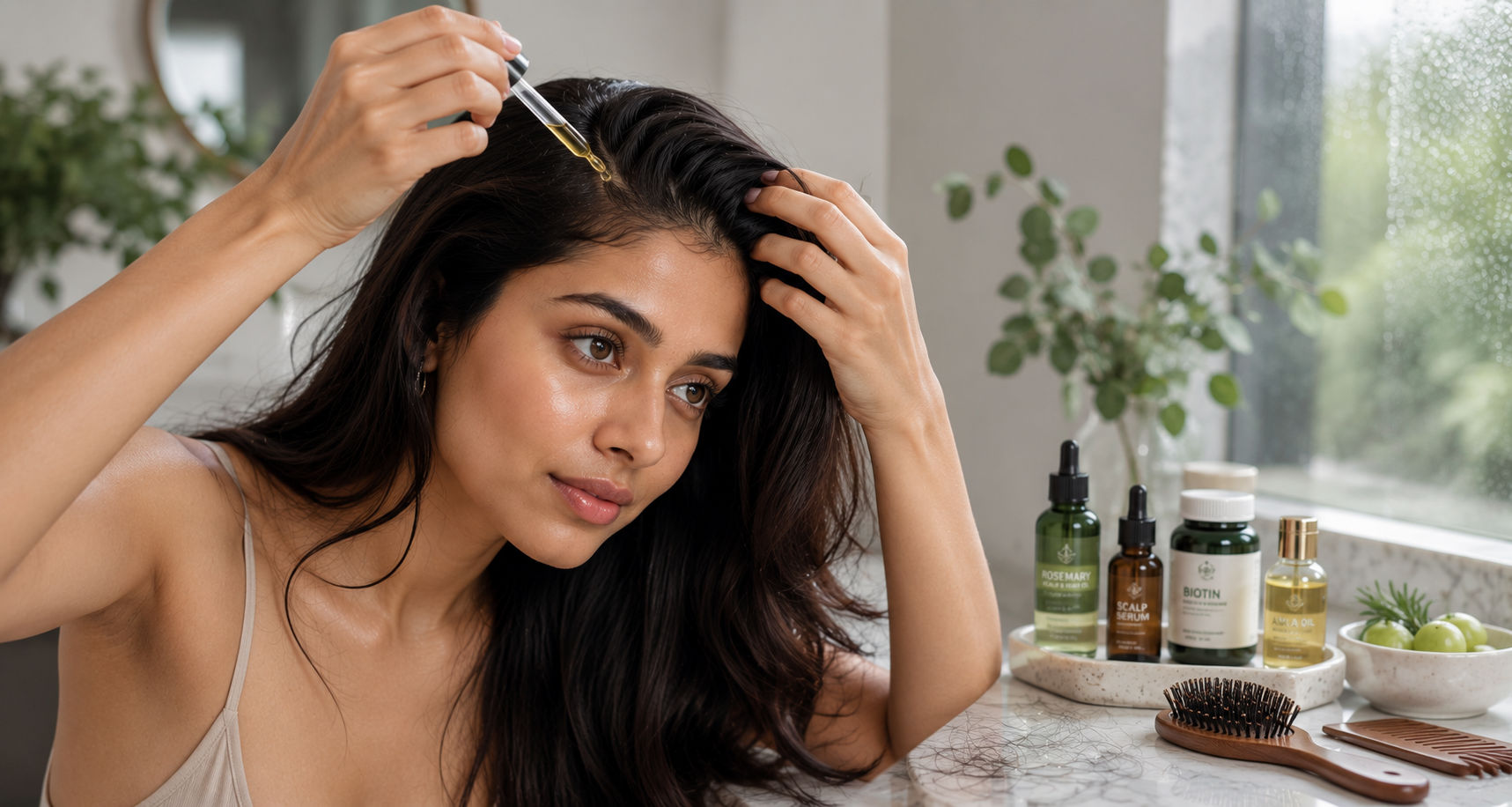
Do You Need More Than Conditioner for Frizz Control?
Sometimes, yes. Conditioner helps during wash day, but once it's rinsed away, its job is mostly done.
For some hair types, adding a lightweight product afterward can help maintain smoothness.
Common options include:
- leave-in conditioner
- hair serum
- anti-frizz cream
They're not for everyone, but if your frizz returns quickly after washing, they can make an obvious difference.
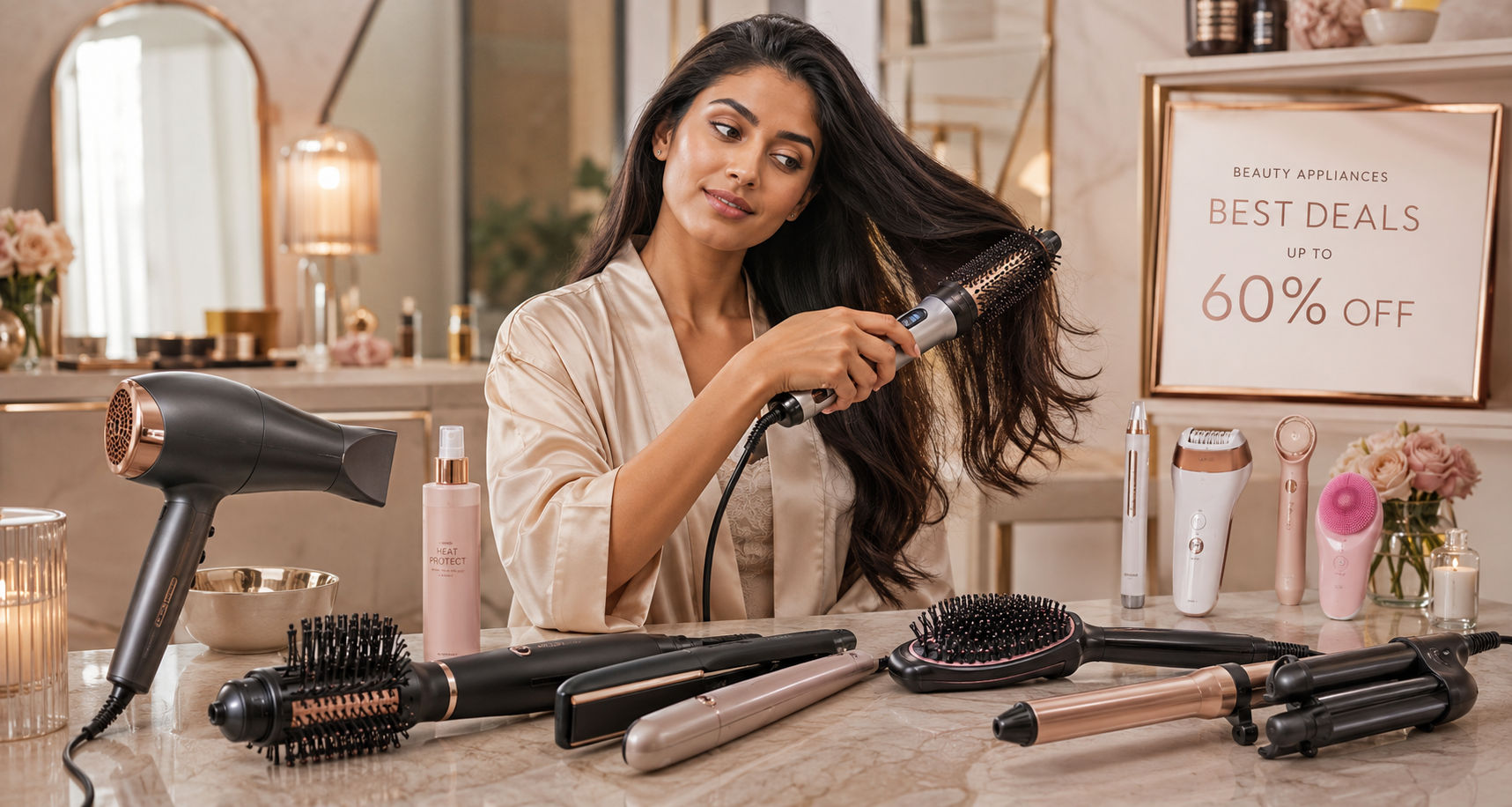
Can Heat Damage Make Frizz Harder to Manage?
Hair that's regularly exposed to:
- blow dryers
- straighteners
- curling tools
often becomes more difficult to smooth over time.
Even a good conditioner has limits if the hair is repeatedly exposed to high heat without protection.
That's why heat protectants are often recommended alongside conditioning products.
Does Indian Weather Make Frizz Worse?
In many cases, yes. Hair often has to deal with:
- humidity
- heat
- sweat
- monsoon weather
throughout the year.
A routine that works perfectly in winter may suddenly feel less effective during humid months.
That's normal. It doesn't necessarily mean your products have stopped working.
Is Completely Frizz-Free Hair Realistic?
Probably not all the time.
A lot of the hair we see online has been:
- professionally styled
- photographed under ideal lighting
- touched up throughout the day
Real hair reacts to weather, movement, and everyday life.
A few flyaways don't automatically mean something is wrong.
Focus on Manageable Hair, Not Perfect Hair
The goal usually isn't zero frizz.
It's hair that feels:
- softer
- smoother
- easier to style
- easier to manage
When your routine is working well, you'll often notice fewer bad hair days rather than perfectly polished hair every hour of the day.
And honestly, that's a much more realistic expectation.
Frequently Asked Questions
-
Why is my hair frizzy even after conditioning?
Frizz can be caused by dryness, humidity, heat damage, rough towel drying, or natural hair texture.
-
Does conditioner completely remove frizz?
Not always. Conditioner helps improve softness and manageability, but other factors can still contribute to frizz.
-
Can shampoo make my hair frizzy?
Yes. A shampoo that's too harsh can leave hair feeling stripped and more prone to frizz.
-
Why does my hair get frizzy outside?
Humidity can cause hair to absorb moisture from the air, which often leads to puffiness and flyaways.
-
Should I use a leave-in conditioner for frizz?
Many people find that leave-in conditioners help maintain smoothness between wash days.
-
Is some frizz normal?
Absolutely. Wavy, curly, and textured hair naturally tends to have some frizz and movement.
-
What's the biggest mistake people make when dealing with frizz?
Often it's assuming the conditioner is the problem when factors like humidity, heat styling, shampoo choice, or drying habits may be contributing more.