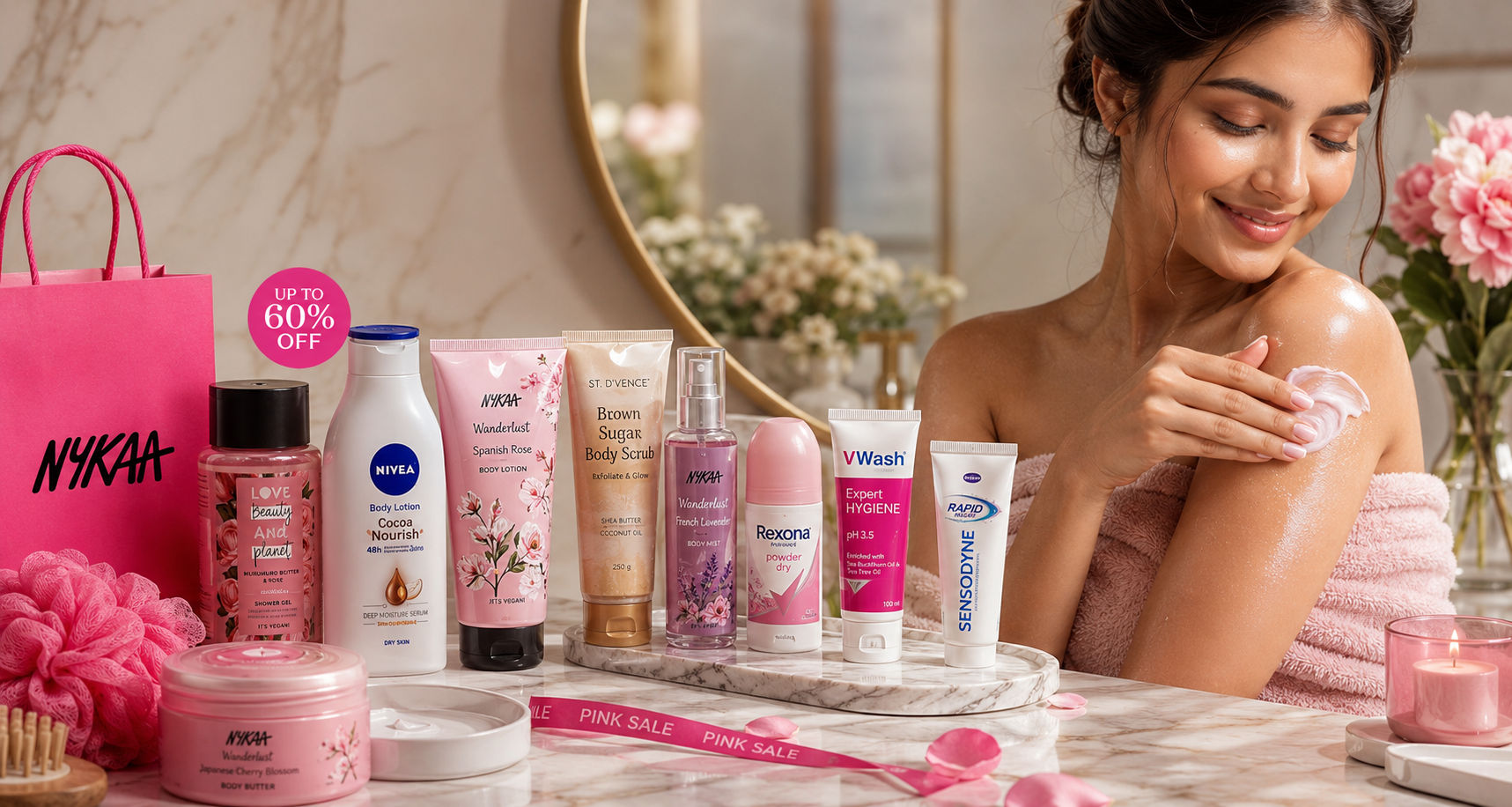
For most people, if not all, bathing and showering are just tasks to check off their daily list. You’re back for your hectic day at work and done with your chores at home, that sweet, sweet shower is calling to you to wash off, not just the dirt but also the stresses of the day, the dust from travelling in the bustling city, but also all the makeup and sweat lugging on your shoulders. A shower is not just to wash off the impurities, but it is a sensorial experience that washes the day off, pampering you into a lull, so you wake up refreshed to face the next day.
But what seems like a simple task can give you a larger-than-life experience and make every shower time pleasing and calming with the right products, formulations, and routine. But for that, first let’s answer some burning questions that are hotter than your girl’s bathwater temperature.
So, without further ado, here are some frequently asked questions about your sacred shower time.
1. Is hot water bad for your skin?
Yes, hot water is bad for your skin. During the winter season, people, especially women who run cold, love taking steaming hot showers. But this, although it may seem satisfying and comforting, is bad for your skin. It can damage your skin barrier, strip your skin of its natural oils, dehydrate your skin, and worsen skin conditions, along with increasing skin sensitivities. Although cold water is not an ideal temperature, lukewarm water is best for morning and evening showers, as they are pleasant and non-damaging for your skin. But if you still feel your skin drying out, here are some body lotions to try.
Nykaa Recommends:
2. What’s the right way to exfoliate for glowing skin without overdoing it?
The right way to exfoliate your skin for that natural glow, without tearing your skin, is to use a gentle physical scrub or a chemical exfoliant in soft, gentle, and circular motions. The ideal interval between every scrub session should be at least 3-4 days to avoid tearing your skin. Make sure to also not aggressively rub the product on your skin, and use cold or lukewarm water to wash it off. Here are some body scrubs to reduce tan, promote a natural glow, and one that won’t hurt your skin.
Nykaa Recommends:
3. Should you use a loofah, a washcloth, or just your hands in the shower?
The best way to cleanse yourself is to use your hands; using a washcloth is also good for physical exfoliation, but unkempt washcloths can be a breeding ground for bacteria and mould, and plastic or synthetic loofahs can also transfer bacteria. We recommend using a body scrub once a week and an exfoliating body wash to remove excess and stubborn dirt that a washcloth or loofah would help with otherwise.
Nykaa Recommends:
4. What’s the difference between body butter and body cream?
The main difference between a body butter and a body cream is the texture and consistency. A body butter is more oil-based, heavy, and ideal for intense hydration if you have extremely dry and cracked skin. A body cream can be oil-based, gel-based, water-based, or cream-based, and it is ideal for normal to dry skin. A cream is heavier than a lotion but lighter than butter. A body butter can be used in winter, and a cream or a lotion can be used during the summer.
Nykaa Recommends:
5. Do bath salts or bath bombs have actual skin benefits?
Depending on the ingredients, oils, and other chemicals, bath bombs can be a beautiful sensorial experience to touch, smell, and see. The colours, the foam, and the shimmer that spreads through the water, the oils that soften he skin, the salts that heal body aches, and the aroma that titillates the sense of smell, all together can make it a great experience for your mind and body. If your skin is prone to vaginal infections or skin sensitivities, then you can avoid bath salts or bath bombs that can trigger a fungal or allergic reaction. But if you love a spa-like pampering session at home, here are some salts, bombs, and oils to invigorate your senses every time.
Nykaa Recommends:
6. Are cold showers really good for your skin and circulation?
Yes, cold showers are beneficial for your skin and blood circulation. They contract and dilate your skin, causing blood cells to course through the veins faster, refreshing the vessels under your skin in quick succession. It boosts blood flow, improves oxygen supply, and nutrients to the skin and organs. It tightens your pores, radiates your overall complexion, seals in moisture, and reduces puffiness and inflammation.
7. What’s a post-shower routine for soft, glowing skin?
A post-shower routine ensures the hydration levels of your skin stay intact. To avoid drying your skin out, use a soft cloth to slightly dab off the excess moisture from your skin instead of rubbing it and dehydrating your skin. Use a moisturiser to lock in the hydration. If your skin gets dry very quickly after a shower, use essential body oils.
Nykaa Recommends:
8. Can showering too often damage your skin barrier?
Yes, showering too often can damage your skin, as long, hot, and frequent showers can strip away the natural oils of your skin, leading to dryness, irritation, and patchy skin. During the summers when there’s too much humidity and sweat-inducing heat, you can shower twice or maybe even three times if you have spent too much time in the sun. But during colder months, such as monsoon and winter, showering once a day is enough. If you feel your skin is drying or tearing apart, make sure to use a hydrating lotion or cream to restore moisture. And if you are stepping out after a shower, ensure to use a lotion with SPF.
Nykaa Recommends:
9. Can body oils be used as body lotions?
Yes, body oils can be used as body lotions. Lotions are creamier yet lighter than oils. Depending on your skin type and needs, you can choose between an oil and a lotion. You can use a lotion during the summer when your body has a tendency to sweat and perspire, and use an oil during colder months for supple, velvety skin. You can also use a body oil for stretch marks, to break down cellulite buildup, and fat accumulation.
Nykaa Recommends:
10. How to prevent dry skin after a shower?
To prevent dry skin after a shower, moisturise your damp skin with a body lotion, cream, oil, butter, milk, or yoghurt. This ensures your skin remains hydrated even hours after a shower. Also, make sure to use body washes that don’t have any drying ingredients or alcohol that can strip away the natural oils and moisture of your skin.
Nykaa Recommends:
Parting Thoughts
Don’t look at your shower time as a task to be ticked off your daily schedule. Make every bath time a sensorial experience with invigorating fragrances and hydrating formulations, right from a moisturising body wash, a hydrating body lotion, and an aromatic and healing body salt.