In This Story:
Post-monsoon hair shedding is common, but the right ingredients can help support a healthier scalp and stronger-looking hair over time.
The end of the monsoon often comes with an unexpected surprise.
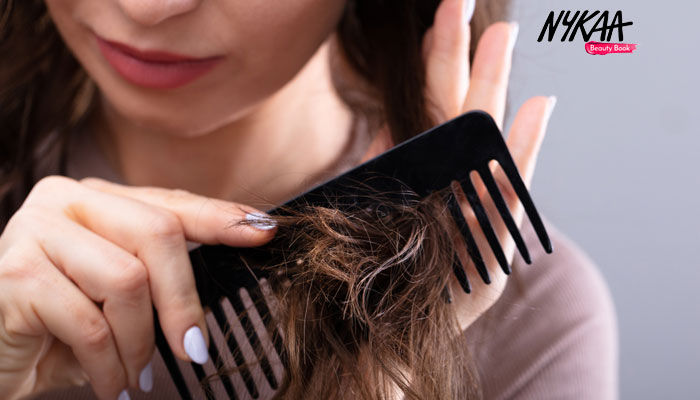
You wash your hair, glance at the shower drain, and suddenly it seems like you're losing far more strands than usual. The hairbrush looks fuller, your ponytail feels a little thinner, and every wash day becomes slightly more worrying.
If this sounds familiar, you're not alone. Many people notice seasonal hair shedding after weeks of humidity, frequent washing, sweaty scalps and changing weather. In most cases, it's temporary. The important thing isn't trying every trending product you see online, it's understanding which ingredients are actually worth adding to your routine.
Some ingredients focus on keeping the scalp healthy, while others are better known for strengthening hair or supporting fuller-looking strands over time. Knowing the difference makes shopping a lot easier.
Start With a Healthy Scalp
Healthy-looking hair usually begins at the scalp.
When the scalp feels oily, uncomfortable or weighed down by product build-up, hair rarely looks its best. That's why many post-monsoon routines begin with ingredients that help keep the scalp feeling clean and balanced rather than immediately focusing on hair length.
Think of it as creating a healthier environment before expecting stronger-looking hair.
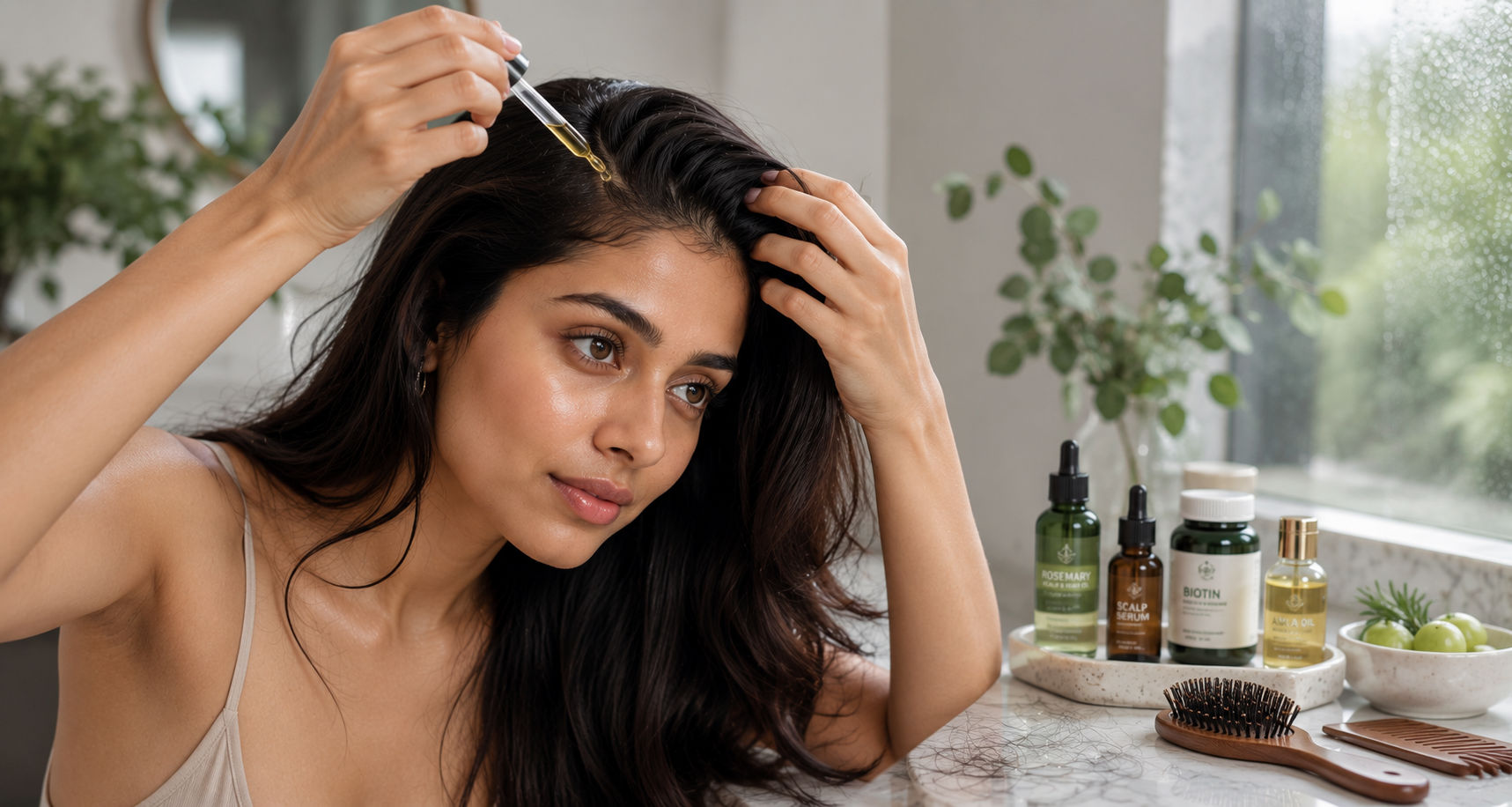
Rosemary Oil Continues to Be a Favourite
Few ingredients have attracted as much attention recently as rosemary oil.
Its popularity isn't just because it's trending on social media. Many people include it in their routines as part of a long-term approach to maintaining healthy-looking hair.
The key word is consistency.
Like most haircare ingredients, rosemary oil isn't an overnight solution. It tends to work best when used regularly over time as part of a balanced routine.
Biotin Supports Stronger-Looking Hair
Biotin has been part of haircare conversations for years.
You'll find it in shampoos, conditioners, serums and supplements because it's commonly associated with supporting healthy-looking hair.
While it won't instantly change the appearance of your hair, it's one of those ingredients people often choose when they're trying to build a routine focused on strength rather than quick fixes.
Caffeine Isn't Just for Your Morning Coffee
It might sound surprising, but caffeine has also found its place in haircare.
You'll often spot it in shampoos and scalp treatments designed for thinning or shedding hair.
Its role isn't to make hair grow overnight. Instead, it's included in products that aim to support a healthier scalp as part of an overall haircare routine.
Peptides Are Becoming More Common
Haircare has borrowed plenty of ideas from skincare, and peptides are a good example.
These ingredients are appearing in more scalp serums because they're often included in formulas designed to support healthier-looking hair over time.
If you're building a routine instead of searching for a quick fix, peptides are worth recognising on an ingredient list.
Amla Has Been Trusted for Generations
Long before ingredient labels became part of everyday shopping, amla was already a familiar part of haircare routines in many Indian households.
It's still widely used today in oils, masks and shampoos.
For many people, it represents a blend of traditional care and modern formulations, making it one of the easiest ingredients to include in a regular routine.
Bhringraj Remains a Popular Choice
Bhringraj has a long history in Ayurvedic haircare.
It's often found in products created for people who want to care for their scalp while improving the overall appearance of their hair.
You’ll often find it in products formulated for people looking to care for the scalp while enhancing the overall look of their hair.
Redensyl Has Become a Familiar Name
If you've been looking at hair growth serums recently, you've probably noticed Redensyl appearing on ingredient lists.
It is commonly found in products formulated for individuals with increased hair shedding or thinning.
Rather than expecting immediate results, most people use it as part of a routine that focuses on gradual improvement over several months.
Protein Helps Hair Feel Stronger
Hair goes through a lot after weeks of humidity.
Frizz, tangles and repeated styling can all leave it feeling weaker than usual.
Protein-rich ingredients help improve the look and feel of damaged strands, making hair appear smoother and easier to manage.
They're particularly useful if your hair has started feeling rough after the rainy season.
Don't Ignore Hydrating Ingredients
Hair growth conversations often focus entirely on the roots.
But dry, brittle ends break more easily, making it harder to maintain length.
That's why ingredients like glycerin, hyaluronic acid and nourishing botanical oils still deserve a place in your routine.
Looking good isn’t just about new hair growth. But it’s equally important to keep existing strands in good nick.
Choose Ingredients Based on Your Hair Concern
Instead of following every trend, think about what your hair is actually asking for.
| If you're noticing... | Ingredients Worth Exploring |
|---|---|
| Seasonal hair shedding | Rosemary oil, Redensyl |
| Weak or brittle hair | Biotin, protein |
| Dry hair | Glycerin, nourishing oils |
| Scalp build-up | Clarifying scalp care ingredients |
| Hair that lacks volume | Caffeine, peptides |
There's no rule that says you need all of them. A simple routine with one or two well-chosen ingredients often feels easier to stick with.
Give Your Hair a Little Time
Hair doesn't usually change within a week.
That's one reason so many people end up disappointed. They switch products too quickly, hoping for instant results.
In reality, haircare is often about small improvements that become noticeable over time.
A routine you can follow consistently is usually far more valuable than a shelf full of products you rarely use.
The Best Ingredient Is the One That Fits Your Routine
It's easy to feel overwhelmed when every new launch promises thicker, healthier hair.
The truth is, no single ingredient works for everyone.
Some people benefit from rosemary oil, others prefer peptides or biotin, while someone else may simply need a routine that focuses on scalp care after the humid months.
Instead of chasing every trend, pay attention to how your hair feels. Choose ingredients that match your concerns, stay patient with the process and give your routine time to work.
Healthy-looking hair is usually built through consistency, not shortcuts.
Frequently Asked Questions
-
Is it normal to notice more hair fall after the monsoon?
Yes, it can be. Many people see a little more hair shedding once the rainy season ends. Humidity, frequent washing, sweat and seasonal changes can all play a part. In most cases, it settles down with time and a consistent haircare routine.
-
Which ingredients are worth looking for if I'm worried about post-monsoon hair fall?
There's no single ingredient that suits everyone, but rosemary oil, caffeine, biotin, peptides and Redensyl are commonly found in products made for thinning or shedding hair. The right choice depends on what your hair and scalp need.
-
Can one ingredient make my hair grow faster?
Hair growth doesn't usually come down to one ingredient alone. Things like genetics, overall health, diet, scalp condition and daily habits all influence how your hair grows. Ingredients can support a healthy routine, but they aren't instant solutions.
-
How long should I stick with a new haircare product before deciding if it works?
Hair changes gradually, so it's worth giving a new product a fair chance. Rather than expecting visible results in a couple of weeks, most people find it more realistic to use a routine consistently for several months before deciding whether it's helping.
-
Can I use more than one hair growth ingredient at the same time?
You can, provided the products are designed to work together and you follow the directions on each one. There's no need to fill your shelf with every trending ingredient, though. A simple routine with a few well-chosen products is often easier to maintain.