In This Story:
Choosing the right texture, ingredients, and formula can make foundation apply more evenly, last longer, and feel comfortable throughout the day.
If you have dry skin, you've probably experienced this at least once.
Your skincare feels great, your foundation looks flawless for the first few minutes, and then suddenly it starts catching on dry patches you didn't even know were there. By lunchtime, your makeup looks less like a smooth base and more like something that needs fixing.
It's frustrating, especially when you've already spent time moisturising. That's where a hydrating primer can make a noticeable difference.
Think of it as the step that makes skincare and makeup play better together. Instead of hiding dryness, the right primer creates a smoother canvas for foundation to apply more evenly and feel comfortable all day long.
If you're looking for one that suits dry skin, here's what to keep in mind.
Hydration Comes Before a Smooth Finish
It's tempting to choose a primer because it promises blurred pores or longer-lasting makeup.
For dry skin, hydration usually matters first.
When your skin feels comfortable, foundation is less likely to cling to rough areas or settle unevenly. A primer can't replace moisturiser, but it can give your makeup a better surface to sit on.
Sometimes, that's all it takes to make your base look more natural.
Gel-Cream Primers Often Feel the Most Comfortable
Primer textures have changed a lot over the years.
Instead of thick silicone-heavy formulas, many newer primers feel light and almost skincare-like.
Gel-cream textures are especially popular because they spread easily, absorb quickly and leave the skin feeling fresh instead of coated.
If heavy makeup products aren't your thing, this texture is a good place to start.
Look for Ingredients That Support Hydration
A long ingredient list isn't necessarily better.
A few well-known hydrating ingredients often do the job beautifully.
These include:
- Hyaluronic acid
- Glycerin
- Ceramides
- Squalane
Rather than simply sitting on top of the skin, these ingredients help the complexion feel softer and more comfortable before makeup goes on.
A Dewy Primer Doesn't Have to Feel Greasy
Some people avoid hydrating primers because they assume every glowing finish will look oily.
That's not always the case.
Many formulas are designed to leave behind a healthy-looking radiance without feeling slippery. The finish looks fresh rather than shiny, which works especially well if your skin naturally leans towards dryness.
Choose Your Primer Based on the Makeup You Wear
Not every makeup routine needs the same kind of primer.
If you usually wear:
- a skin tint,
- lightweight foundation,
- BB cream,
- or just concealer,
A lightweight hydrating primer is often enough.
If you prefer fuller coverage, you may enjoy a richer primer that gives foundation a little more grip without making it feel heavy.
Your Primer Should Work With Your Moisturiser
One common mistake is layering products that don't sit well together.
If your moisturiser is rich and nourishing, you probably won't need an equally heavy primer.
On the other hand, if your moisturiser is lightweight, a hydrating primer can provide that extra boost before makeup.
The goal is balance, not layering as many products as possible.
Give Your Skincare a Minute Before Applying Primer
It sounds simple, but timing makes a difference.
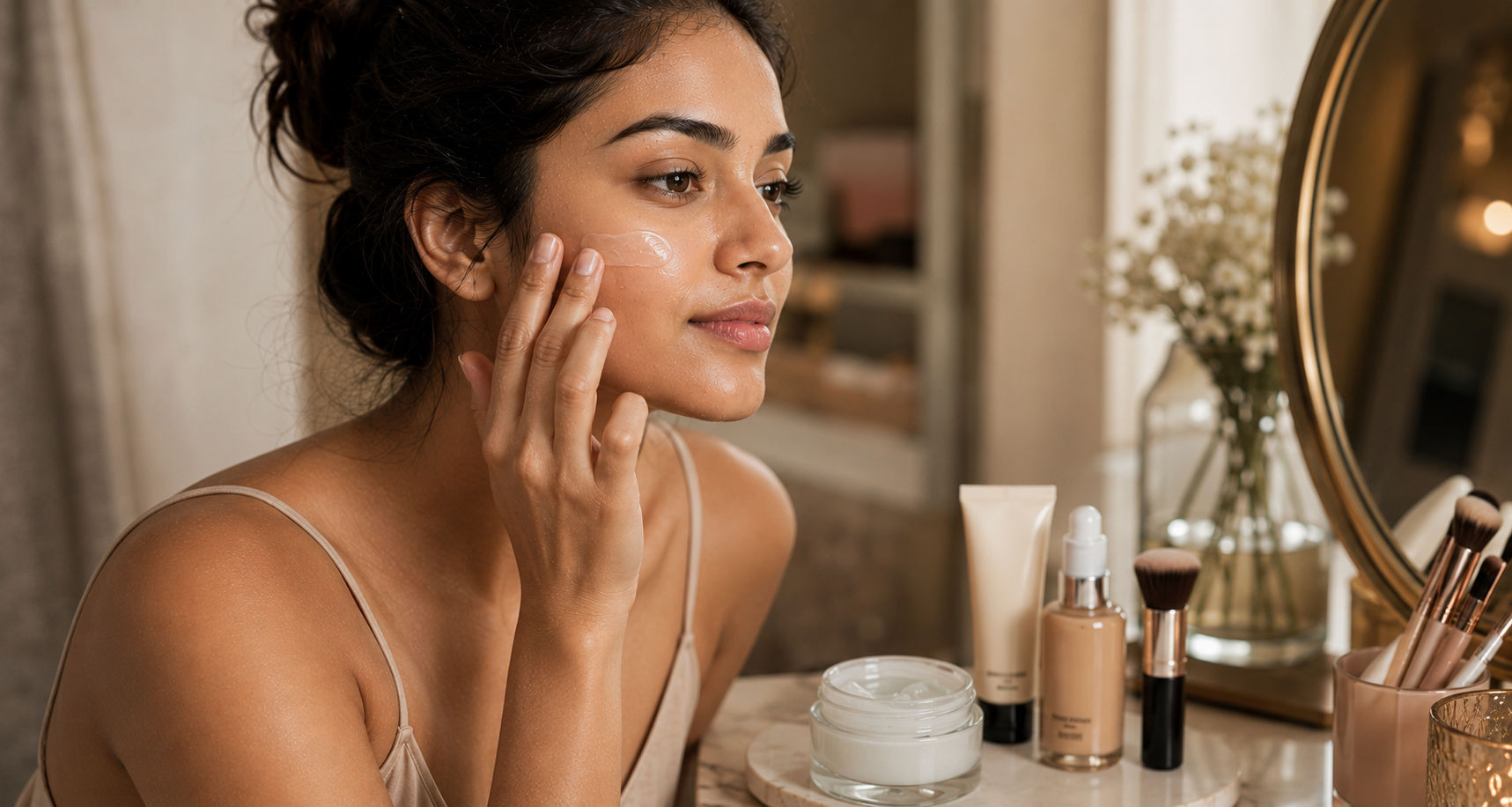
Applying primer immediately after moisturiser can sometimes make products move around instead of settling properly.
Waiting a minute or two allows your skincare to absorb before you move on to makeup.
It's a small habit that often leads to a smoother finish.
Less Primer Usually Works Better
More product doesn't always mean better makeup.
A small amount spread evenly across the face is often enough.
Adding too much primer can leave the base feeling heavier than necessary, especially if you're already using a hydrating moisturiser underneath.
Sometimes the lightest application creates the most natural result.
A Hydrating Primer Can Help Makeup Feel More Comfortable
People often talk about how a primer makes makeup look.
Just as important is how makeup feels. When the skin underneath is comfortable, the foundation is less likely to feel tight during the day. That's one reason hydrating primers have become a favourite for people with dry skin.
Comfort and finish often go hand in hand.
Finding the Right Primer Is More About Texture Than Trends
New primers launch all the time, each promising something different.
Instead of chasing every trend, think about what your skin actually needs.
| If your skin feels... | A primer you could consider |
|---|---|
| Dry throughout the day | Rich hydrating primer |
| Slightly dry | Lightweight gel primer |
| Tight after cleansing | Hyaluronic acid primer |
| Sensitive | Fragrance-free hydrating primer |
| Dull before makeup | Dewy finish primer |
The right texture usually makes a bigger difference than choosing the newest product on the shelf.
A Good Makeup Base Starts Before Foundation
Foundation often gets the credit for a flawless finish, but preparation matters just as much.
Well-moisturised skin, a primer that feels comfortable and a little patience between each step can completely change how your makeup sits.
It's not about adding more products.
It's about choosing the ones that work well together.
Frequently Asked Questions
-
Can I skip primer if I've already applied a rich moisturiser?
You can, and on some days your skin may not need anything else. But if the foundation has a habit of looking uneven by lunchtime or catching around dry spots, a hydrating primer often makes the difference. Think of moisturiser as skincare and primer as the step that helps makeup behave a little better.
-
Why does my foundation still look flaky even after using a primer?
The primer isn't always the problem. Dry skin needs time to absorb skincare before makeup goes on. If you apply everything one after another, products can bunch together instead of settling into the skin. Giving each layer a minute to sink in often works better than adding more product.
-
I don't wear foundation every day. Is a primer still worth buying?
It depends on what you want from it. Some people wear a hydrating primer on no-makeup days because it leaves their skin feeling smoother and looking fresher. Others only reach for it when they're getting ready for an event. Neither approach is wrong.
-
What's the biggest mistake people make when choosing a primer?
Buying one simply because it's trending. A primer that's brilliant for oily skin may leave dry skin feeling even tighter. Paying attention to the finish and texture usually tells you more than the product's popularity ever will.
-
Should my primer and foundation have the same finish?
Not necessarily, but they should work well together. A dewy primer paired with a natural-finish foundation often creates a fresh-looking base. If one product is very matte and the other is intensely glowy, the final result can sometimes be less predictable.
-
How will I know if I've found the right primer?
You'll probably notice it without looking too closely in the mirror. Makeup feels easier to blend, your skin stays comfortable for longer and you stop thinking about those dry patches that normally appear halfway through the day. Sometimes the best primer is the one you barely notice because everything else is working as it should.