In This Story:
- Why Matte Lipsticks Feel Drier
- Why Long-Wear Formulas Can Be Less Comfortable
- Why Lip Prep Makes Such a Difference
- Why Hydrating Lipsticks Feel Better
- The Best Lipstick Finishes for Dry Lips
- How Weather Affects Lipstick Wear
- Why Touch-Ups Sometimes Make Things Worse
- Why Comfortable Lipsticks Fade More Naturally
- Why Soft Finishes Look Fresher
- When Lipstick Feels Effortless
- FAQs
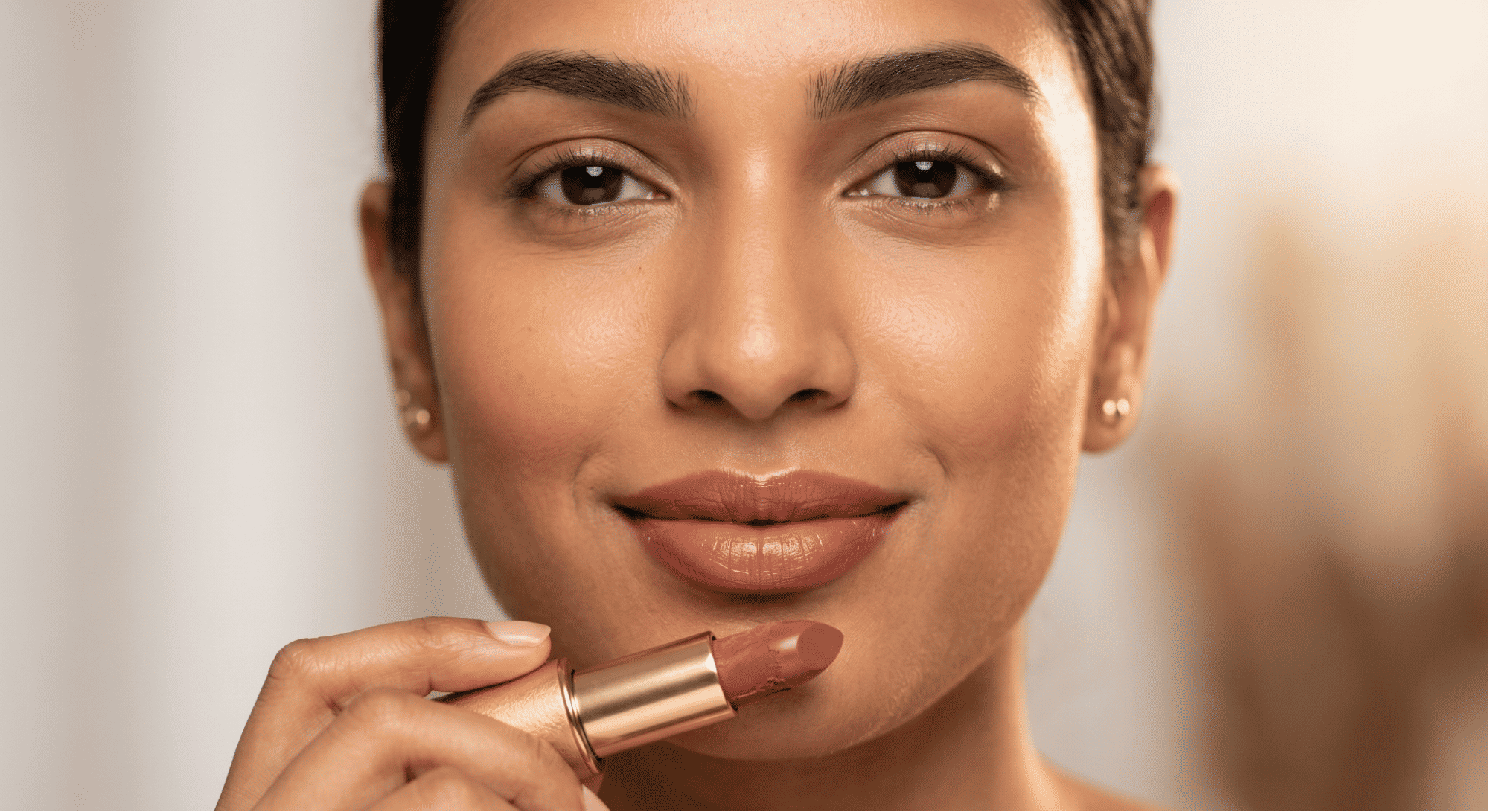
Some lipsticks can start looking flaky, settle into fine lines, or leave lips feeling tight after a few hours, especially when the formula is very matte or long-wearing. That's why many people with dry lips now gravitate toward softer finishes like satin, creamy matte, and balm-inspired lipsticks that feel more flexible throughout the day while still delivering color and polish.
Dry lips have a way of making even the nicest lipstick feel disappointing.
You apply your favorite shade in the morning, everything looks smooth, and then a few hours later every tiny dry patch seems to appear out of nowhere. The color starts collecting around flaky areas, the center of the lips begins to crack slightly, and suddenly the lipstick feels much heavier than it did when you first applied it.
That's usually the point where people realize the problem isn't always the shade—it’s often the formula.
And honestly, when your lips tend to be dry, comfort becomes just as important as color payoff.
Very Matte Lipsticks Tend to Highlight Dryness More
One of the first things people with dry lips notice is that matte lipsticks have a habit of drawing attention to texture.
Because these formulas grip the lips more firmly, even small dry patches can suddenly become obvious once the lipstick sets. That's why finding a good lipstick for dry lips is often less about following trends and more about choosing a texture that works with your lips instead of against them.
Softer finishes generally feel much easier to wear, including:
- Satin lipsticks
- Creamy matte formulas
- Balm-like lipsticks
- Soft mousse textures
These formulas tend to move more naturally with the lips instead of sitting stiffly on top, which often makes them feel more comfortable throughout the day.
Long-Wear Lipsticks Often Come With a Trade-Off
Not every long-wearing lipstick feels dry, but many do.
The reason is fairly simple. Formulas designed to resist transferring usually contain stronger setting ingredients, which help the color stay put but can sometimes leave lips feeling less flexible after several hours.
That's the trade-off many people eventually run into:
Maximum staying power versus all-day comfort.
And honestly, plenty of people would rather reapply their lipstick once or twice than spend the entire day feeling like their lips need a glass of water.
Lip Prep Changes More Than Most People Realize
Even the most comfortable lipstick can struggle if the lips underneath are already dry.
A simple prep routine often makes the biggest difference:
- Apply a lightweight lip balm beforehand
- Gently remove any flaky skin
- Blot away excess balm before applying lipstick
The goal is to create a smooth surface without making the lips overly slippery. Too much balm underneath can cause lipstick to slide around, so balance usually works best.
Nykaa Recommends:
Hydrating Lipsticks Have Come a Long Way
For a long time, moisturizing lipsticks had a reputation for being overly glossy, slippery, or lacking staying power.
That's changed quite a bit.
Many newer formulas now sit comfortably between a balm, a satin lipstick, and a creamy matte finish. They still feel nourishing on the lips, but they don't necessarily look shiny or feel overly soft.
That's one reason hydrating lipsticks have become much more popular for everyday wear. They offer comfort without making it look like you're wearing a lip balm instead of a lipstick.
Some Lipstick Finishes Naturally Feel Better on Dry Lips
Certain textures simply tend to work better when dryness is a concern.
| Finish Type | What It Usually Feels Like |
|---|---|
| Satin | Soft and flexible |
| Creamy Matte | Polished but comfortable |
| Balm Lipstick | Lightweight hydration |
| Soft Mousse | Airy and cushiony |
| Ultra Matte Liquid | Often drier over time |
Another benefit of softer formulas is that they usually fade more gracefully throughout the day, rather than breaking apart unevenly.
Weather Can Change How Lipstick Feels
This becomes especially noticeable during winter months or in air-conditioned environments.
| Condition | What Usually Happens |
|---|---|
| Winter | Lips lose moisture faster |
| Dry weather | Matte formulas feel tighter |
| Humid weather | Lipstick stays smoother longer |
| AC environments | Lips can feel drier throughout the day |
Sometimes it feels like a lipstick suddenly stopped working, when in reality your environment changed and your lips are reacting differently.
Layering More Lipstick Rarely Fixes Dryness
This is one of the most common touch-up mistakes.
When lipstick starts looking flaky or cracked, the instinct is often to apply another layer directly on top. Unfortunately, that usually makes things worse.
Extra layers can:
- Emphasize texture
- Feel heavier
- Create uneven color buildup
A better approach is usually to remove any excess product first, add a small amount of balm if needed, and then apply a fresh thin layer of lipstick.
In most cases, less product ends up looking smoother.
Nykaa Recommends:
Comfortable Lipsticks Usually Fade Better Too
This is something people don't always think about when choosing a formula.
Softer, more flexible lipsticks tend to:
- Fade more evenly
- Crack less around the center of the lips
- Feel more comfortable while talking and eating
- Require less maintenance throughout the day
And honestly, that's what makes them so appealing.
When a lipstick wears gracefully, you stop thinking about it every few minutes.
Softer Finishes Often Look Fresher in Real Life
Very flat matte lips can sometimes make dryness look more noticeable than it actually is.
Satin, creamy, and softly hydrated finishes tend to make lips appear:
- Smoother
- Healthier
- Fuller
- Less textured
Especially in natural daylight.
That's one reason softer finishes have become so popular recently—they tend to look fresher and more effortless without sacrificing polish.
When a Lipstick Works for Dry Lips, You Barely Notice It
That's usually the biggest sign you've found the right formula.
Your lips don't feel tight an hour later. Dry patches don't suddenly appear halfway through the day. The color fades gradually instead of cracking, and the formula still feels comfortable hours after application.
At that point, you're no longer thinking about your lipstick.
You're just wearing it.
And honestly, that's exactly how a good lipstick should feel.
Frequently Asked Questions
-
What lipstick finish works best for dry lips?
Satin, creamy matte, and hydrating lipstick formulas are usually the most comfortable because they offer color without emphasizing dryness.
-
Why do matte lipsticks look flaky on dry lips?
Matte formulas grip texture more strongly, which makes dry patches and fine lines appear more noticeable.
-
Can hydrating lipsticks still last long?
Yes. While they may require occasional touch-ups, many modern hydrating formulas offer surprisingly good wear without feeling dry.
-
Are liquid lipsticks bad for dry lips?
Not always, but very matte liquid lipsticks can feel more drying over time, especially if your lips are already dehydrated.
-
Which lipstick texture feels easiest to wear every day?
Soft matte, satin, creamy, and balm-inspired textures are usually the most comfortable for daily wear.
-
Why does lipstick crack in the center of my lips?
The center of the lips moves the most while talking, eating, and drinking, so thicker or drier formulas often break down there first.