In This Story:
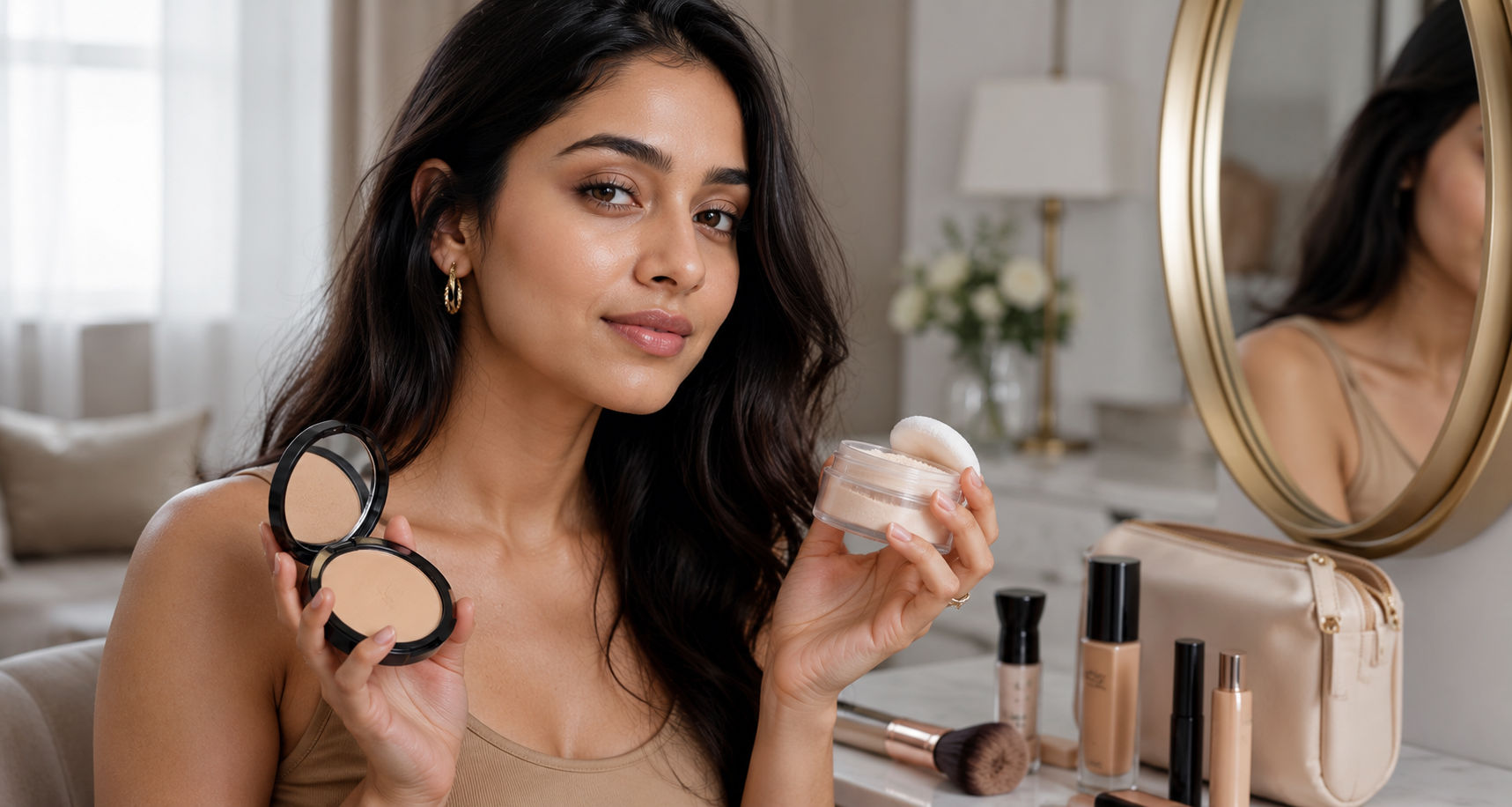
While loose powder helps set your makeup for long-lasting wear, compact powder is perfect for quick touch-ups and on-the-go shine control. Choosing the right one depends on your skin type, lifestyle, and makeup preferences.
Face powder is one of those products that rarely gets much attention until you realise how much of a difference it makes.
Maybe your foundation looks perfect when you leave the house but starts looking shiny by lunchtime. Perhaps your concealer settles into fine lines before the day is over. Or maybe you simply want your makeup to last through work, dinner plans or a long celebration.
That's where powder comes in. The tricky part isn't deciding whether you need one. It's figuring out which type will actually suit your routine. Compact powder and loose powder may seem similar, but they aren't designed to do exactly the same job.
If you've ever wondered which one is worth buying or whether you need both, here's everything you need to know before adding one to your makeup kit.
Why Powder Is More Than Just the Last Step
A good base doesn't end with foundation.
Powder helps hold your makeup together, keeps excess shine in check and gives your skin a smoother-looking finish. Depending on the formula, it can also soften the appearance of pores, stop concealer from creasing and help your makeup stay fresh for longer.
Of course, not everyone's routine looks the same. Someone who prefers a five-minute makeup routine may expect something completely different from a person who enjoys spending time perfecting every step.
That's exactly why compact and loose powders both have their place.
The One You'll Probably Reach for on Busy Days
Compact powder is the one many of us are already familiar with.
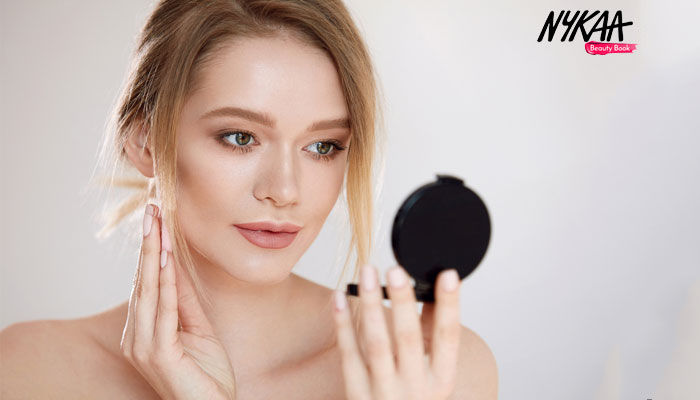
Pressed neatly into a case, it's easy to carry, quick to apply and perfect for those little touch-ups between meetings, classes or coffee runs. A few dabs can instantly reduce shine without disturbing the rest of your makeup.
Many compact powders also provide a touch of coverage. On days when you don't feel like wearing foundation, they can help even out your complexion while still letting your skin look like skin.
If convenience is high on your priority list, a compact powder is hard to beat.
The Powder That Works Behind the Scenes
Loose powder plays a slightly different role.
Formulated to set your make-up, not formulated to add noticeable coverage. The finely milled texture sits lightly on the skin, giving foundation and concealer something to grab onto, while creating a softer, smoother finish.
That's also why makeup artists tend to reach for loose powder when they want makeup to last through weddings, long events or photoshoots.
Despite that reputation, it isn't reserved for professional makeup. A light dusting can work just as well for everyday wear if long-lasting makeup is your goal.
Compact vs Loose Powder: What's the Real Difference?
They are in the same class but they are solving different problems.
| Compact Powder | Loose Powder |
|---|---|
| Pressed into a compact case | Fine, lightweight powder in a jar |
| Great for quick touch-ups | Best for setting freshly applied makeup |
| Often offers light coverage | Adds very little coverage |
| Easy to carry while travelling | Usually applied before leaving home |
| Works well for quick everyday routines | Ideal for longer-lasting makeup |
Which One Works Best for Your Skin Type?
Your skin type can make choosing between the two much easier.
If your skin gets oily
Loose powder usually makes a great first step because it helps keep foundation in place and controls excess shine. Later in the day, a compact powder can quickly freshen your complexion without needing to redo your makeup.
If your skin is combination
You don't necessarily have to treat your whole face the same way.
A light layer of loose powder through the T-zone often keeps oil under control while leaving drier areas looking natural. A compact can then be useful for quick touch-ups if needed.
If your skin feels dry
Powder isn't something you need to avoid you just need to use it thoughtfully.
A small amount of loose powder around areas that tend to crease is often enough. If you enjoy using compact powder, look for formulas that promise a natural or radiant finish rather than an ultra-matte effect.
If your skin is normal
Either option can work beautifully.
Your decision may come down to lifestyle rather than skin concerns. If you're always on the move, compact powder offers convenience. If you enjoy taking your time with makeup, loose powder can help your base last even longer.
Do You Really Need Both?
Surprisingly, many people do.
Rather than replacing one another, compact and loose powders often work together.
A common routine looks something like this:
Apply foundation and concealer.
Set everything with loose powder.
Keep a compact in your handbag for the occasional touch-up later in the day.
It sounds simple because it is.
Each product takes care of a different part of your makeup routine.
A Few Small Habits That Make Powder Look Better
Sometimes it's not the powder that's the problem it's how it's being used.
A few simple changes can make a noticeable difference:
- Start with well-moisturised skin so powder sits more evenly.
- Apply thin layers instead of trying to mattify everything at once.
- If your face becomes oily during the day, blot first before adding more powder.
- Pick a shade that blends into your complexion instead of trying to brighten it.
- Use a fluffy brush for a softer finish or a puff when you want extra staying power.
Small adjustments often create the most natural-looking results.
Which One Should You Buy?
The answer depends less on trends and more on your everyday routine.
If you want something that's quick, portable and easy to use throughout the day, compact powder is likely to become your favourite.
If your priority is helping the foundation and concealer stay put from morning until evening, loose powder is the better investment.
And if you wear makeup regularly, there's every chance you'll enjoy having both.
One prepares your makeup for the day ahead.
The other keeps it looking fresh once the day gets busy.
Frequently Asked Questions
-
Is there a big difference between compact powder and loose powder?
Yes, but it's not a matter of one better than the other. Loose powder is typically used after foundation to hold your makeup in place, while compact powder is the one people tend to reach for later in the day when they want to tone down shine or refresh things. They address different problems so so many makeup lovers own both.
-
Can I skip foundation and wear only compact powder?
Absolutely. On days when you don't feel like wearing a full face of makeup, a compact powder can still make your skin look a little more even and polished. Just apply it over your skincare or sunscreen, and you're good to go. It's a simple option for work, college or everyday errands.
-
Does loose powder always give a matte finish?
Not necessarily. While many loose powders help reduce excess shine, the finish depends on the formula you choose. Some leave the skin looking soft and velvety, while others are designed to keep a natural glow intact. If you prefer a fresh-looking base rather than a completely matte one, look for powders described as lightweight or natural finish.
-
I have oily skin. Should I buy compact powder or loose powder first?
If you only want to buy one, think about when shine bothers you the most. If your makeup starts looking oily a few hours after you've left home, a compact powder is easy to carry and use whenever you need it. If you're looking for something that helps your makeup stay fresh from the beginning, loose powder is often the better place to start.
-
Is it worth keeping both powders in your makeup bag?
For many people, yes. Loose powder usually stays at home because it's part of the makeup application process, while compact powder is the one that comes along for the day. Once you think of them as two products with different jobs rather than two versions of the same thing, it becomes much easier to see where each one fits into your routine.