Blush looks easy until you actually start applying it yourself.
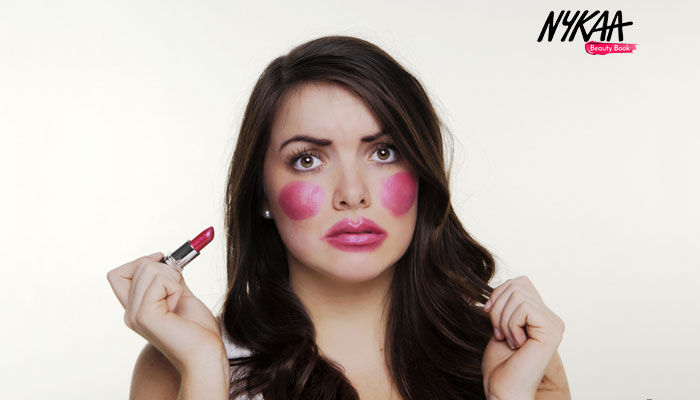
One second your makeup looks fresh and natural, the next second there's a bright patch on one cheek that refuses to blend properly. And honestly, almost everyone goes through this while learning cream or liquid blush for the first time.
That's why the whole cream blush vs liquid blush comparison matters more than people think because texture completely changes how forgiving the product feels on the skin.
And for beginners, forgiving makeup usually makes the biggest difference.
In This Story:
- Why Cream Blush Feels Easier
- Why Liquid Blush Feels Intense
- Why Cream Blush Looks Softer
- Why Liquid Blush Lasts Longer
- How Application Changes Everything
- Choosing By Skin Type
- Why Liquid Blush Looks Patchy
- Different Blush Textures Explained
- How Weather Changes Blush
- Why Less Blush Looks Better
- What Makes Blush Easy To Wear
- FAQs
Cream blush usually feels easier to control
This is one of the main reasons beginners tend to prefer cream blush first.
Cream blush usually:
- blends more slowly
- stays workable longer
- spreads evenly with fingers or a sponge
- creates softer edges naturally
So even if you apply a little too much, it's usually easier to blend out and fix.
That softer application style is what makes cream blush feel more beginner-friendly overall.
Liquid blush can become intense very quickly
This is where beginners usually struggle at first.
Most liquid blush formulas are:
- highly pigmented
- very concentrated
- fast-setting
- lightweight but strong in color payoff
A tiny dot can sometimes be enough for the entire cheek.
That's why beginners often accidentally apply too much product at first and then end up trying to fix overly bright cheeks.
Cream blush usually creates a softer makeup look
Especially for daily makeup.
Cream textures tend to melt into the skin naturally and create:
- softer blending
- skin-like warmth
- more natural cheek color
- less sharp edges
That's why cream blush became so popular in everyday makeup routines recently.
It tends to look effortless more easily.
Liquid blush usually lasts longer in humidity
This is where liquid blush performs really well.
Because many liquid blushes set faster, they usually:
- survive humidity better
- last longer on oily skin
- fade more slowly during the day
Especially in Indian summer weather, this difference becomes noticeable.
So while cream blush feels easier, liquid blush often gives stronger long wear.
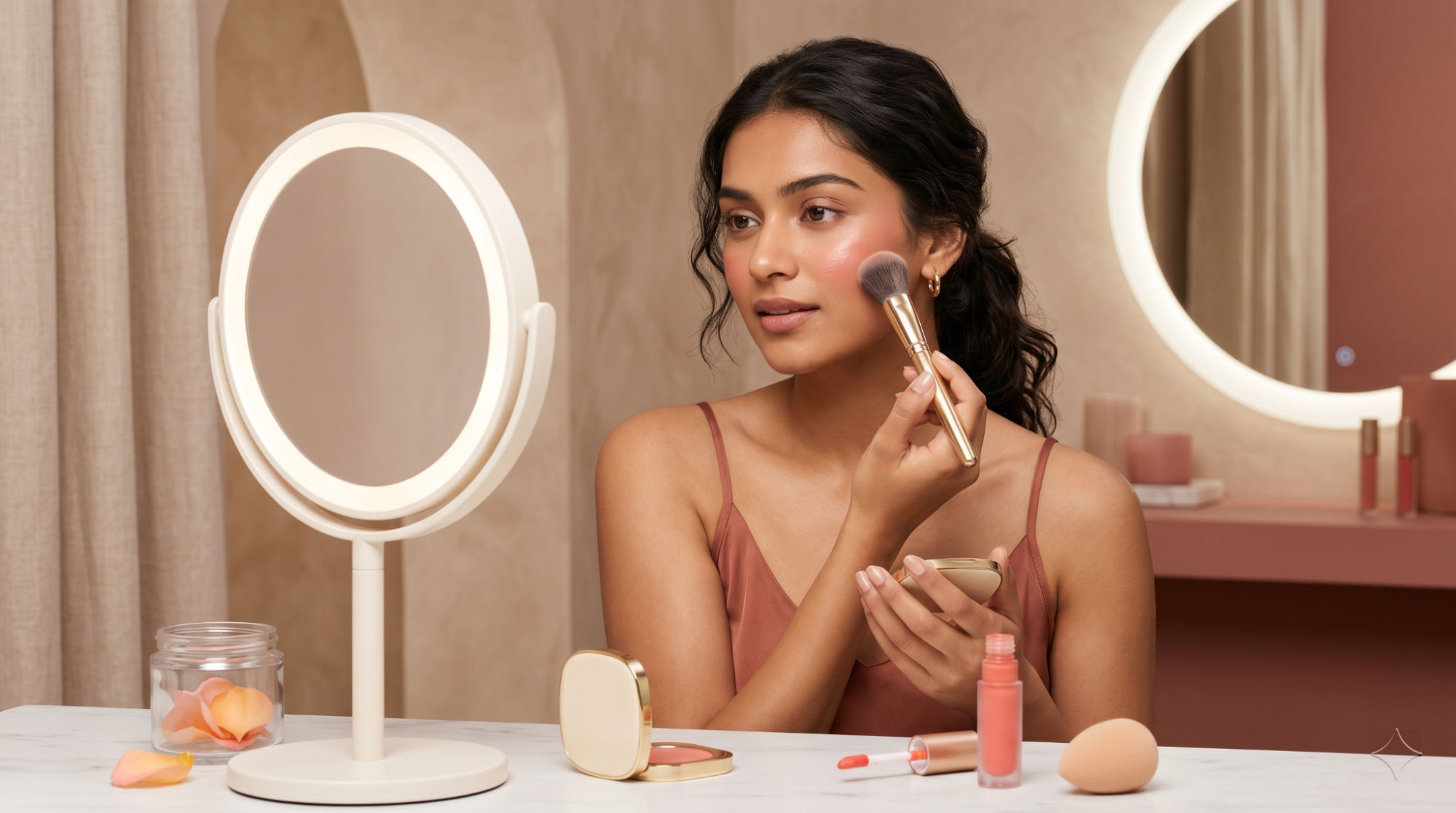
The way you apply blush changes everything
Sometimes technique matters more than the formula itself.
Usually:
- fingers - easiest with cream blush
- sponge - softens both textures
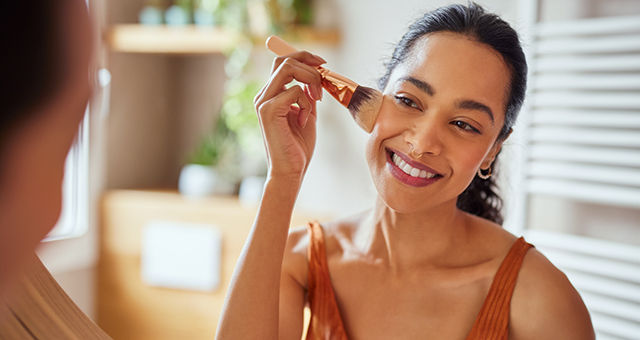
- brush - gives softer diffused blending
And honestly, beginners usually get better results by starting with very tiny amounts first.
Especially with liquid blush.
Different skin types usually prefer different blush textures
| Skin Type | What Usually Feels Better |
|---|---|
| Dry skin | Cream blush |
| Oily skin | Liquid blush or soft cream |
| Combination skin | Either, depending on finish |
| Beginner makeup users | Cream blush usually feels easier |
So there isn't really one perfect answer for everyone.
Liquid blush can look patchy if blending takes too long
This is something beginners notice quickly.
Some liquid blush formulas dry down very fast, so if blending doesn't happen immediately:
- color can stick unevenly
- patches become harder to fix
- edges can look stronger
Cream blush usually gives more time to work with the product before it sets.
That's why it often feels less stressful for beginners.
Different blush textures create different makeup finishes
| Blush Texture | What It Usually Looks Like |
|---|---|
| Cream blush | Soft natural finish |
| Liquid blush | Lightweight long wear |
| Cream-to-powder blush | Smooth semi-matte look |
| Dewy liquid blush | Fresh glowing skin |
| Soft cream blush | Everyday skin-like makeup |
Usually softer textures feel easier and more forgiving while learning makeup.
Indian weather changes how blush wears
Especially during hot and humid months.
| Condition | What Usually Works Better |
|---|---|
| Humid weather | Liquid blush |
| Dry weather | Cream blush |
| Winter | Hydrating cream textures |
| Peak summer | Lightweight liquid formulas |
That's why many people switch blush textures depending on the season too.
Most blush mistakes come from using too much product
This honestly happens to almost everyone at first.
Usually blush looks patchy because:
- too much product gets applied immediately
- blending starts too late
- people try fixing it by adding even more blush
Most of the time:
- smaller amounts
- softer blending
- gradual layering
look fresher and more natural.
The best beginner blush is usually the easiest one to blend
That's honestly the simplest way to look at it.
When the texture suits you:
- color blends naturally
- makeup doesn't look patchy
- blush still looks soft after a few hours
- application stops feeling stressful
It just becomes easier to wear daily.
Frequently Asked Questions
-
Which is better for beginners, cream blush or liquid blush?
Cream blush is usually easier to control and blend for beginners.
-
Does liquid blush last longer?
Usually yes, especially in humid weather and on oily skin.
-
Which blush texture looks more natural?
Both can look natural, but cream blush often gives a softer skin-like finish.
-
Why does liquid blush look patchy sometimes?
Some formulas dry quickly before they are blended properly.
-
Can oily skin use cream blush?
Yes. Lightweight or soft matte cream blushes usually work well on oily skin.
-
Do I need a brush for cream blush?
Not necessarily. Fingers or a sponge often blend cream blush very naturally.
-
How much liquid blush should beginners use?
Usually one very small dot per cheek is enough to start with.