Dark circles often look heavier when concealer is layered too much, not because there isn't enough coverage.
In This Story:
- Why Thick Concealer Looks Heavy
- Why Targeted Concealer Works Better
- When Color Correction Helps
- Why Gentle Blending Matters
- Why Concealer Shade Matters
- Why Under-Eye Hydration Helps
- Simple Concealer Steps Explained
- Why Too Much Powder Looks Dry
- How Weather Changes Concealer
- Why Perfect Coverage Isn't Necessary
- What Makes Concealer Look Natural
- FAQs
Dark circles can be frustrating because concealer doesn't always behave the way we expect.
You apply a little and the darkness still shows through. So naturally, you add more. Then suddenly the under-eye area starts looking dry, creased, or noticeably heavier than the rest of the face.
Honestly, that's where a lot of people get stuck.
The goal isn't to use as much concealer as possible. It's to use the right amount in the right places so the under-eyes look brighter and fresher without looking heavily covered.
And most of the time, that comes down to technique rather than buying a different concealer.
Don't start with a thick layer
This is probably the most common concealer mistake.
When dark circles are visible, many people apply a large triangle of concealer under the eyes hoping for maximum coverage.
But most of the time, that creates:
- more creasing
- heavier texture
- obvious makeup
- concealer that looks dry later
A small amount usually works much better.
Especially for everyday makeup.
The under-eye area is thin and constantly moving, so lighter layers tend to wear better throughout the day.
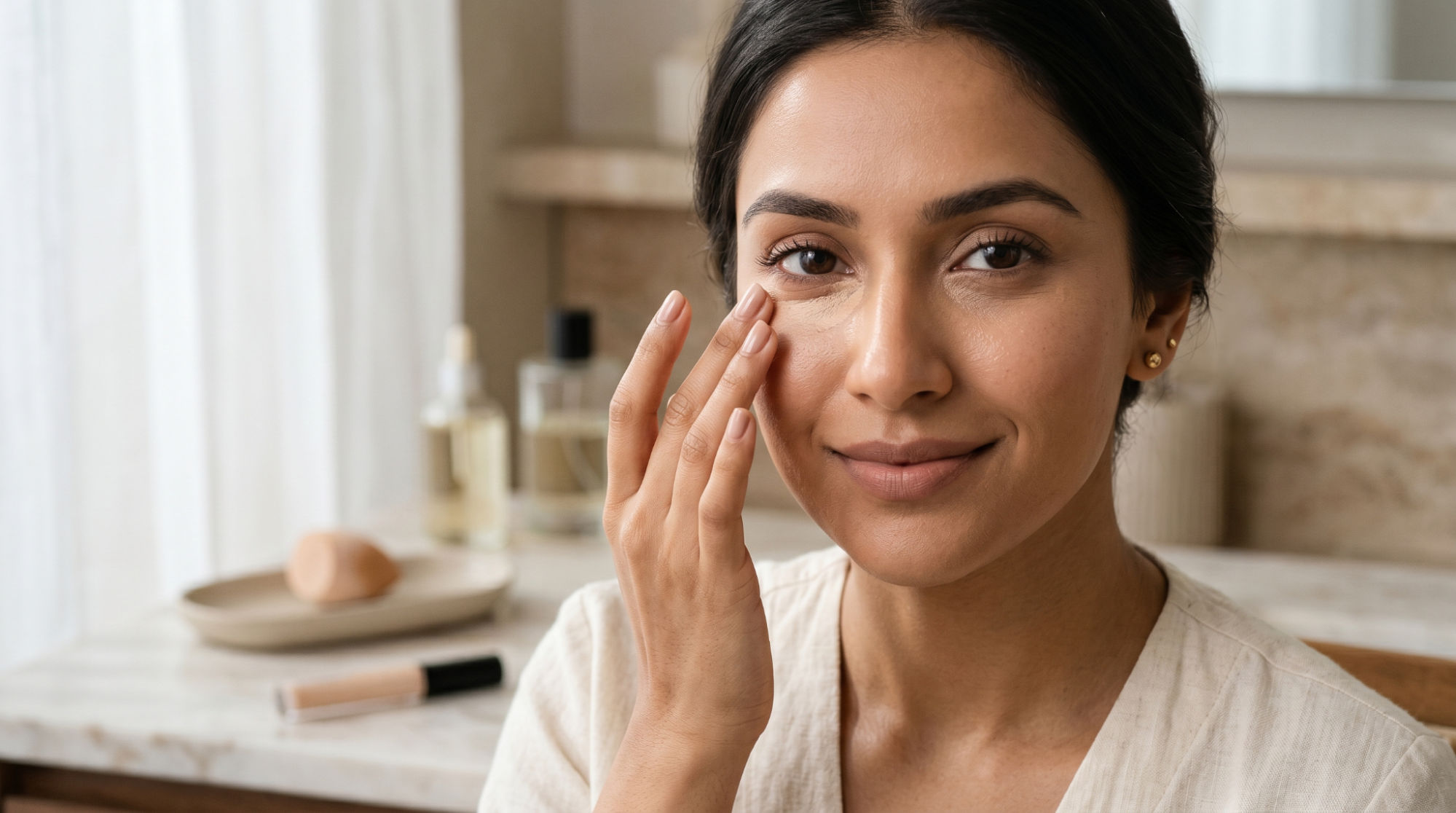
Apply concealer only where dark circles are darkest
Dark circles aren't usually equally dark everywhere.
For most people, the deepest shadow appears:
- near the inner corner
- along the tear trough
- closest to the bridge of the nose
That's where concealer usually makes the biggest difference.
Instead of covering the entire under-eye area, focusing on the darkest sections often creates a more natural result.
The skin looks brighter without looking overdone.
Sometimes color correction works better than more concealer
This is something many people discover after years of layering extra makeup.
If your dark circles have:
- blue tones
- purple tones
- grey tones
adding more concealer may not fully solve the problem.
A light color corrector underneath can help neutralize darkness first.
Usually:
| Dark Circle Tone | Corrector Usually Used |
|---|---|
| Blue | Peach |
| Purple | Peach-orange |
| Grey | Warm peach |
| Deep brown-grey | Orange |
Once the darkness is balanced, you often need much less concealer afterward.
And that usually means a smoother finish.
Blend gently, not endlessly
This sounds simple, but it matters.
After concealer is applied, constant blending can:
- move product away
- reduce coverage
- create uneven patches
- make dark circles reappear
Usually a few gentle taps are enough.
A damp sponge, brush, or fingertip can all work.
Once the product looks blended, it's often best to stop.
Overworking concealer rarely improves the finish.
Choose a shade that brightens naturally
A lot of people automatically buy a concealer that's much lighter than their skin tone.
Sometimes that works.
But sometimes it creates:
- a grey cast
- an ashy appearance
- under-eyes that don't match the rest of the face
Usually a concealer that is one shade lighter than your skin tone looks more natural.
Especially in daylight.
The goal is brighter-looking skin, not obvious contrast.
Under-eye hydration makes a big difference
Dry under-eyes can make even expensive concealer look heavy.
If the area feels:
- tight
- flaky
- dehydrated
concealer often settles into lines faster.
Usually enough:
- lightweight eye cream
- simple moisturizer
- a few minutes for products to settle
That helps create a smoother surface without making makeup slide around.
Balance matters more than using lots of skincare.
A simple under-eye concealer routine
| Step | Why It Helps |
|---|---|
| Light hydration first | Prevents dryness |
| Color correct if needed | Neutralizes darkness |
| Apply small amounts | Prevents heaviness |
| Blend gently | Maintains coverage |
| Set lightly if needed | Helps reduce creasing |
Most smooth-looking concealer comes from layering less, not more.
Powder is optional, not mandatory
This surprises people sometimes.
A tiny amount of powder can:
- reduce creasing
- improve longevity
- help concealer stay in place
But too much powder can:
- emphasize fine lines
- make under-eyes look dry
- create a heavier finish
For many people, a light dusting works better than baking or heavy setting.
And some people skip powder altogether.
Indian weather changes how concealer wears
Especially during warmer months.
| Condition | What Usually Works Better |
|---|---|
| Humid weather | Thin concealer layers |
| Dry weather | Extra hydration underneath |
| Long outdoor days | Lightweight long-wear formulas |
| Everyday wear | Flexible natural finishes |
Heavy under-eye makeup tends to become more noticeable in heat and humidity.
That's why lighter application often looks fresher.
You don't need to erase every bit of darkness
This is probably the biggest makeup shift in recent years.
A lot of people now prefer:
- brighter-looking under-eyes
- natural skin texture
- softer coverage
- makeup that still looks like skin
Instead of trying to completely remove every shadow.
And honestly, it often looks more flattering in real life.
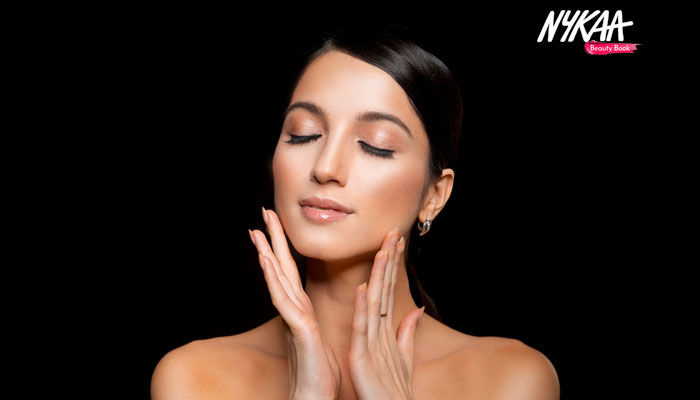
When concealer is applied well, people don't notice the concealer
That's usually the goal.
Under-eyes look fresher.
Dark circles appear softer.
Skin still looks like skin.
Nothing feels thick, dry, or cakey.
Just a brighter, more awake version of your face.
And honestly, that's usually more beautiful than perfect coverage.
Frequently Asked Questions
-
How do I hide dark circles without looking cakey?
Use thin layers and focus on the darkest areas first instead of applying concealer across the entire under-eye area.
-
Why do my dark circles still show through concealer?
The darkness may need color correction first. Blue, purple, or grey tones often show through concealer if they're not neutralized beforehand.
-
Should concealer be lighter than my skin tone?
Slightly lighter is usually fine, but going too light can create an unnatural or ashy appearance.
-
How do I stop under-eye concealer from creasing?
Use less product, hydrate the area properly, and set lightly if needed.
-
Do I need color corrector for dark circles?
Not always. But for deeper blue, purple, or grey-toned dark circles, color correction can reduce the amount of concealer needed.
-
Do I need powder under my eyes?
Not necessarily. Many people use only a very small amount or skip powder completely for a fresher finish.
-
What is the best concealer technique for dark circles?
Apply a small amount to the darkest areas, blend gently, and build coverage only where needed. Thin layers almost always look more natural than heavy application.