In This Story:
Monsoon might be a season of respite, but sometimes it comes at a cost. For starters, the increased humidity in the air can strip the moisture and natural oils from your hair, thereby weakening the roots. This can lead to dry and brittle hair that breaks easily (and we don’t want that, no thank you). Another reason for increased hairfall during monsoon can also be due to washing your hair too often. What this does is that it leaves your hair feeling dry, frizzy, and fragile. Also, if your hair remains damp for long periods of time, it can turn into a breeding ground for all kinds of bacteria and infections, leading to further hair complications.
So, if you’re looking for ways how to prevent hair loss, it’s safe to say that you’ve landed on the right page. Armed with the right products, home remedies, and cautionary tips, keep scrolling to skim through this quick guide designed with tips to reduce hairfall to help your hair look (and feel) its healthiest.
What Causes Hair Fall During the Monsoon?
High Humidity Levels
When the monsoon season arrives, the air becomes really humid. This extra moisture can make our hair weak and frizzy, and it becomes more likely to break. High humidity can also mess with the natural oils on our scalp, leading to hair fall.
Contact With Rainwater
Rainwater, especially when it hasn't been cleaned, often carries pollutants and acids that can harm our hair. If our locks are frequently getting soaked in untreated rainwater, they can become brittle and dry, resulting in more hair shedding.
Scalp Fungal Infections
Additionally, the dampness during this season creates a perfect environment for fungal infections on the scalp. These infections can weaken hair roots, block hair follicles, and cause issues like dandruff or itchiness, contributing to hair loss. To combat this, it's crucial to maintain good scalp hygiene and try to keep our hair dry as much as possible during the rainy months.
How To Reduce Hairfall At Home During The Rainy Months
Here are some hairfall control tips for monsoon:
1. Protect Your Hair
Consider this your golden hair fall in monsoon control tip: Regardless of whether it’s pouring or drizzling, it’s always a good idea to cover your head before you step out of your house. Carrying a scarf or a cap can be very useful in protecting your hair if you suddenly get caught off guard with a cloud shower.
2. Weekly Oil Massages
If you want to know how to prevent hairfall during monsoon, make sure to treat your hair to some good ol’ champis. A good weekly oil massage will not only nourish your hair and scalp but also increase blood circulation and restore moisture. Try to leave it on for a couple of hours, or even overnight before washing it off for stronger results.
3. Stick To Basics
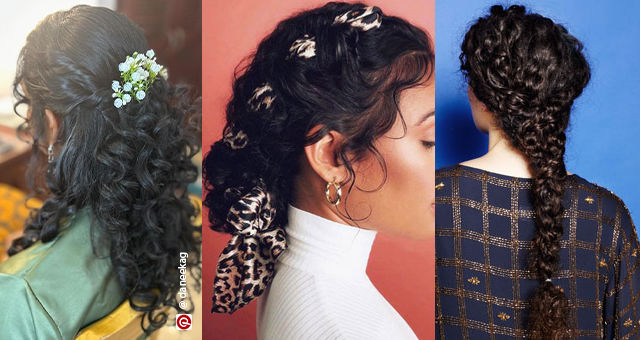
One of the most effective ways to control hair fall in monsoon for women is by avoiding hairstyles that require too much effort. As the season transitions, your hair is bound to go through a lot of changes. It has to get used to the change in weather, which leads to transitioning your hair care routine by swapping your summer products with formulas that best suit the rainy months. Fancy hairstyles often require a whole bunch of products and hairstyling tools, which can also lead to breakage. We all love a good blow dry (we feel you), but try to stick to simple, easy-to-do hairstyles because you want to avoid styling tools like hair dryers and straighteners that contribute a large amount of heat to your hair.
4. Don’t Tie Wet Hair
Knowing how to control hair fall in monsoon for women is extremely important, and to be honest, the maintenance is just so much more difficult the longer your hair. A very simple tip that you can keep in mind during monsoon is to avoid tying your hair if it’s wet. Also, avoid using hairties that have too much grip. A tight rubber band, especially when your hair is wet, can cause breakage. Instead, turn to scrunchies that are more relaxed and are kinder to your hair.
5. Rethink Your Hair Wash Routine
If you want to know how to reduce hair fall in monsoon naturally, then start by paying attention to your hair wash routine. If your shampoo and conditioner are not suiting your hair during monsoon, you can consider switching to a milder product. Additionally, use a microfibre towel or a cotton t-shirt to absorb the water from your hair. This will avoid friction and minimise breakage. You can also include a nourishing hair serum to calm frizz and add shine to your hair during monsoon.
How To Stop Hairfall Immediately With Home Remedies
If you’re wondering about how to stop hair fall immediately with home remedies, keep scrolling.
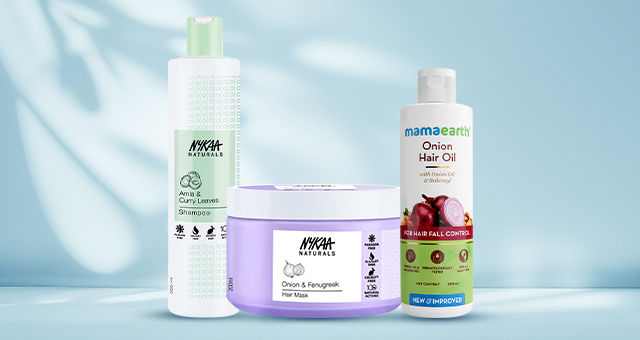
1. Onion Juice
Method: Extract the juice of an onion by blending it. Apply it to the scalp and let it rest for 30 minutes. Wash it off with a gentle shampoo.
Benefit: Once you get past the smell, you’ll discover that onion juice is an excellent remedy for hairfall during monsoon. Its antibacterial properties keep scalp infections at bay. It also increases blood circulation and nourishes the scalp to give you healthy and lustrous hair.
Nykaa Recommends:
2. Amla
Method: Mix two spoons of lemon juice with amla powder. Apply the paste to your scalp. Let it rest for an hour before washing it off with a gentle shampoo.
Benefit: Wondering how to stop hairfall for both men and women? Amla’s what you need. Amla, or the Indian gooseberry, is a rich source of vitamin C. Hair fall is often associated with a vitamin C deficiency. Amla helps strengthen and nourish hair follicles, thereby triggering hair growth. Additionally, it prevents premature greying too.
Nykaa Recommends:
3. Fenugreek
Method: Soak two spoons of fenugreek, or methi, seeds overnight. Grind them into a paste and apply to the scalp. Let it rest for an hour before washing it off.
Benefit: Fenugreek seeds are an all-around hair remedy. They promote hair growth, repair damage, and nourish your hair. If flaunting long, shiny, and strong hair is your goal, then a little fenugreek in your hair care routine will do wonders.
Nykaa Recommends:
Key Takeaways
In conclusion, while monsoon hair fall is a common concern, it is usually temporary and manageable with the right care. Understanding the causes, such as high humidity, exposure to rainwater, and scalp infections, can help you take preventive steps. Incorporating a gentle hair care routine, maintaining scalp hygiene, and using nourishing treatments like hot oil massages can significantly reduce hair fall. If the problem persists, seeking professional advice ensures long-term hair health.
FAQs
-
Is hairfall normal during monsoon?
Some amount of hairfall is normal throughout the year. The increased humidity and excessive hair washes can make your hair fragile and prone to breakage. If you’re wondering how to prevent hair loss, you can switch to anti-hairfall shampoos or the home remedies that we shared above and let us know in the comments section if they worked for you. However, if you’re experiencing an unusual amount of hair loss during monsoon, we highly recommend consulting a doctor.
-
How can I stop hairfall immediately?
Here are a few editor-favourite anti-hair fall products that can help you: Indulekha Bringha Anti Hairfall Hair Cleanser, MCaffeine Naked & Raw Coffee Shampoo For Hairfall Control with Protein & Argan Oil and Pilgrim Redensyl & Anagain Advanced Hair Growth Serum.
-
Are Hot Oil Treatments Good for Monsoon Hair Fall?
Oils like coconut, almond, or argan help nourish the scalp, strengthen roots, and combat dryness caused by humidity. The warmth from the oil improves blood circulation, promoting hair growth. However, avoid over-oiling and ensure you wash thoroughly to prevent fungal buildup in the damp weather.
-
Can Hair Colouring Damage Hair More in Monsoon?
Humidity and rainwater can strip colour-treated hair of moisture, making it brittle and more prone to breakage. The chemicals in dyes can also react poorly with rain pollutants, further weakening the hair. Using colour-protect shampoos and limiting exposure to rain can help protect coloured hair.
-
Can Monsoon Hair Fall be Permanent?
It’s often caused by external factors like humidity, fungal infections, and poor scalp hygiene. With proper care and timely treatment, hair growth typically resumes. However, if hair fall persists for months or worsens, it may indicate an underlying issue and should be evaluated by a dermatologist.