In This Story:
- Why Skin Prep Matters
- Why Less Foundation Looks Better
- How Application Changes The Finish
- Why Full Coverage Isn’t Always Necessary
- How Skin Condition Affects Foundation
- Products That Help Foundation Look Smoother
- How Weather Changes Makeup Wear
- Why Too Much Powder Looks Heavy
- What Skin-Like Makeup Really Looks Like
- FAQs
A flawless foundation routine looks surprisingly different in real life than it does on social media. Online, skin often appears impossibly smooth. There are no visible pores, no shine, no texture, and somehow the makeup stays exactly where it was placed for twelve hours straight. Real life, however, has different rules. Foundation moves, skin changes throughout the day, and heavy layers that looked perfect in the bathroom mirror can suddenly feel much more noticeable by lunchtime.
That's probably why beauty trends have shifted away from ultra-heavy coverage and toward base makeup that looks more believable. The goal isn't necessarily to hide every tiny detail anymore. It's to create a finish that looks polished, fresh and comfortable enough to wear all day. And honestly, achieving that skin-like effect usually has less to do with expensive products and more to do with the way foundation is applied.
Why Skin Prep Matters
Most great foundation days start long before foundation enters the picture.
When skin feels balanced, makeup tends to follow suit. But if the skin is overly dry, dehydrated, excessively oily, flaky, or weighed down by multiple layers of skincare, foundation often highlights those issues rather than hiding them. It's one of the biggest reasons the same foundation can look beautiful one day and unexpectedly patchy the next.
A simple routine is usually all that's needed. A lightweight moisturiser, sunscreen and a minute or two to let everything settle can create a much smoother canvas than an elaborate ten-step routine. In fact, piling too many products underneath foundation often creates the very problems people are trying to avoid, causing makeup to slide, separate or feel heavier as the day goes on. More often than not, balanced skin prep wins over complicated skin prep.
Why Less Foundation Looks Better
It feels counterintuitive, but smoother-looking foundation often comes from using less of it.
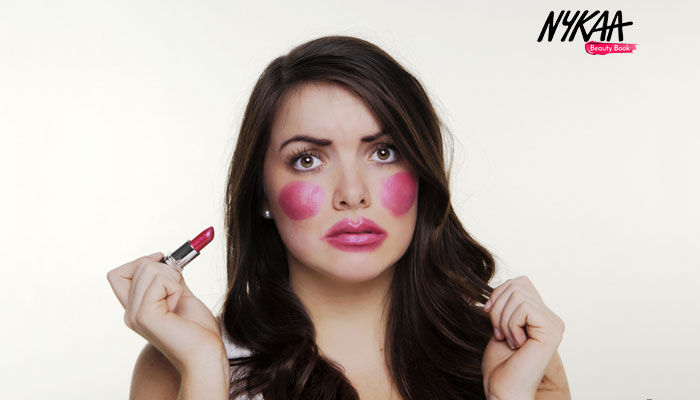
Many people assume extra product will blur imperfections more effectively, yet thicker layers tend to settle into texture, gather around expression lines and become far more noticeable in natural daylight. The skin loses dimension, and instead of looking perfected, the makeup starts looking like makeup.
Lighter layers blended gradually tend to create a much more convincing finish. This is especially true around areas like the nose, chin, smile lines and under-eyes, where product naturally likes to collect. Allowing a little bit of your real skin to peek through often makes foundation appear smoother, fresher and significantly more expensive looking, regardless of the actual price tag.
How Application Changes The Finish
The way foundation is applied can completely transform the final result.
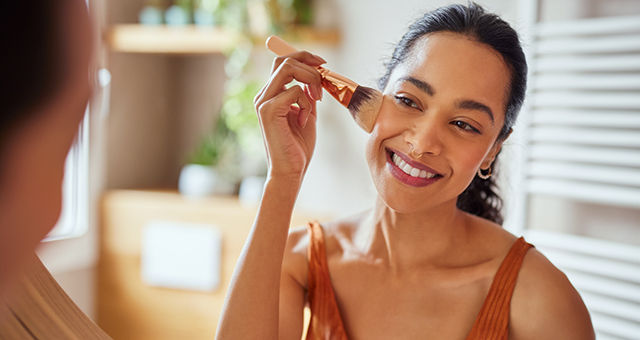
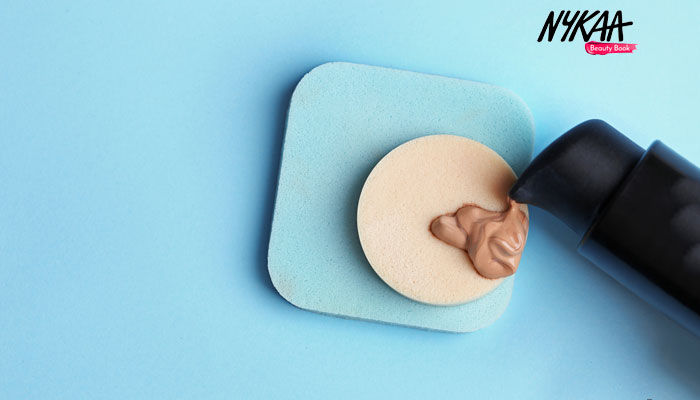
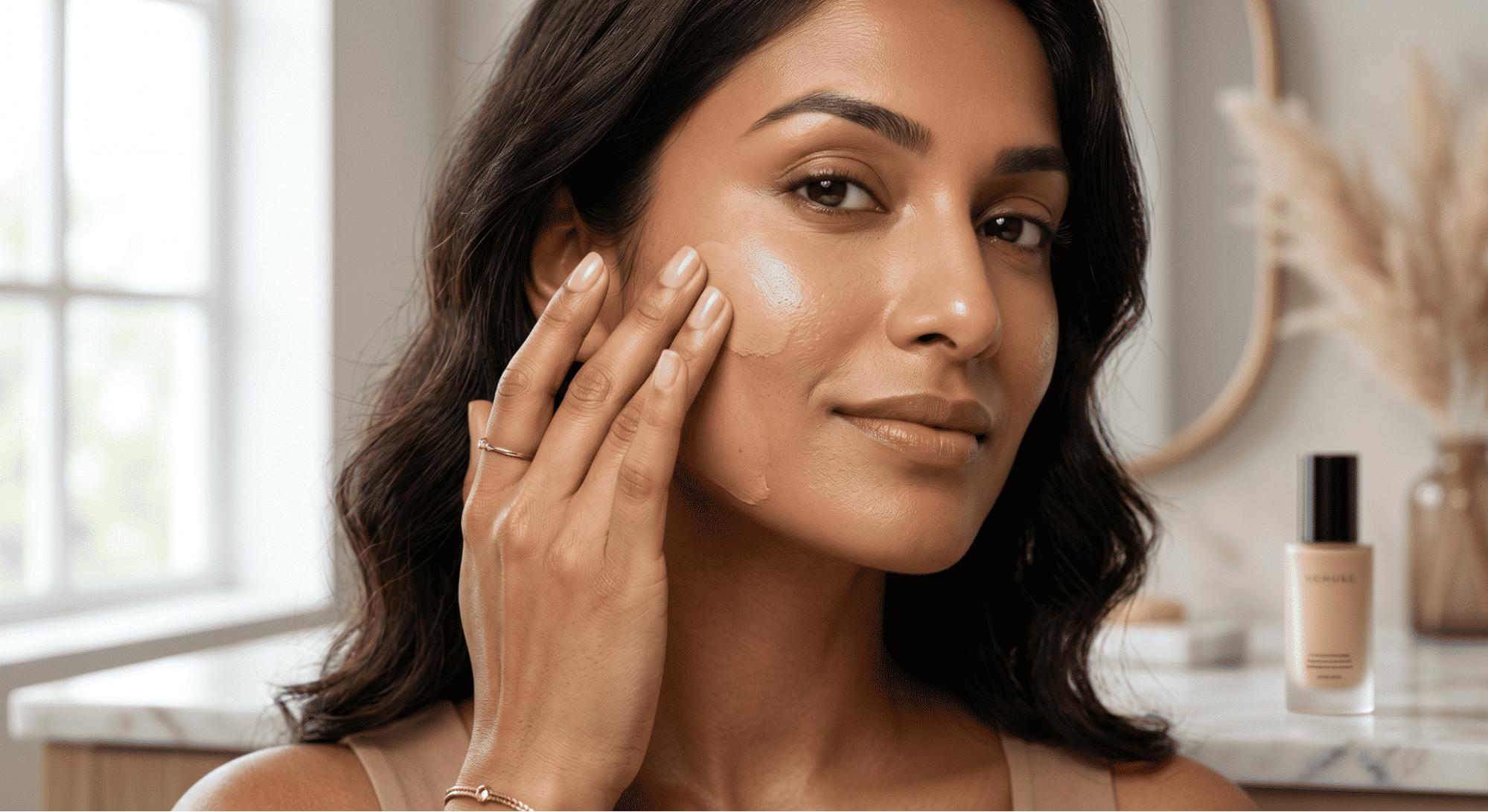
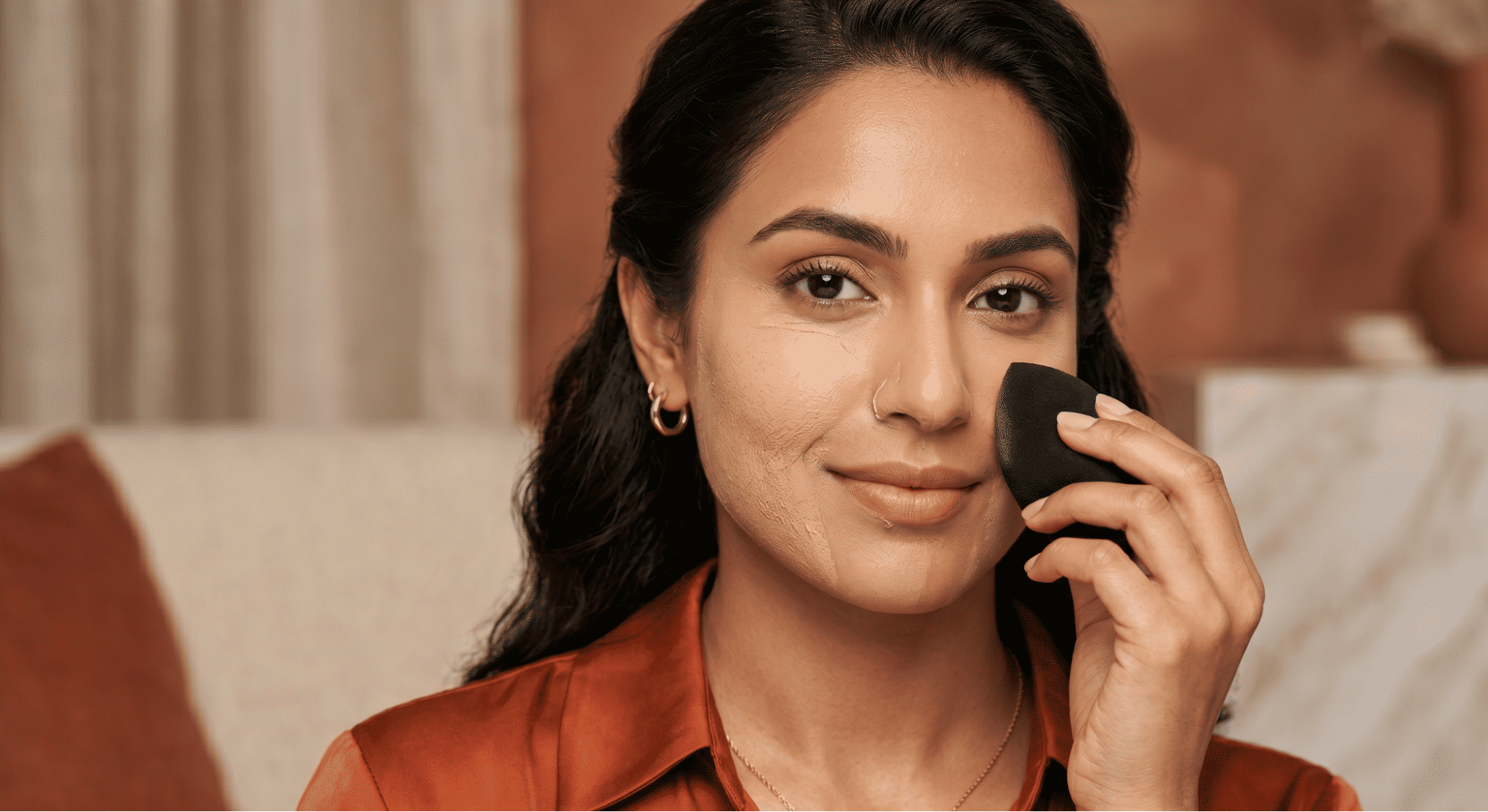
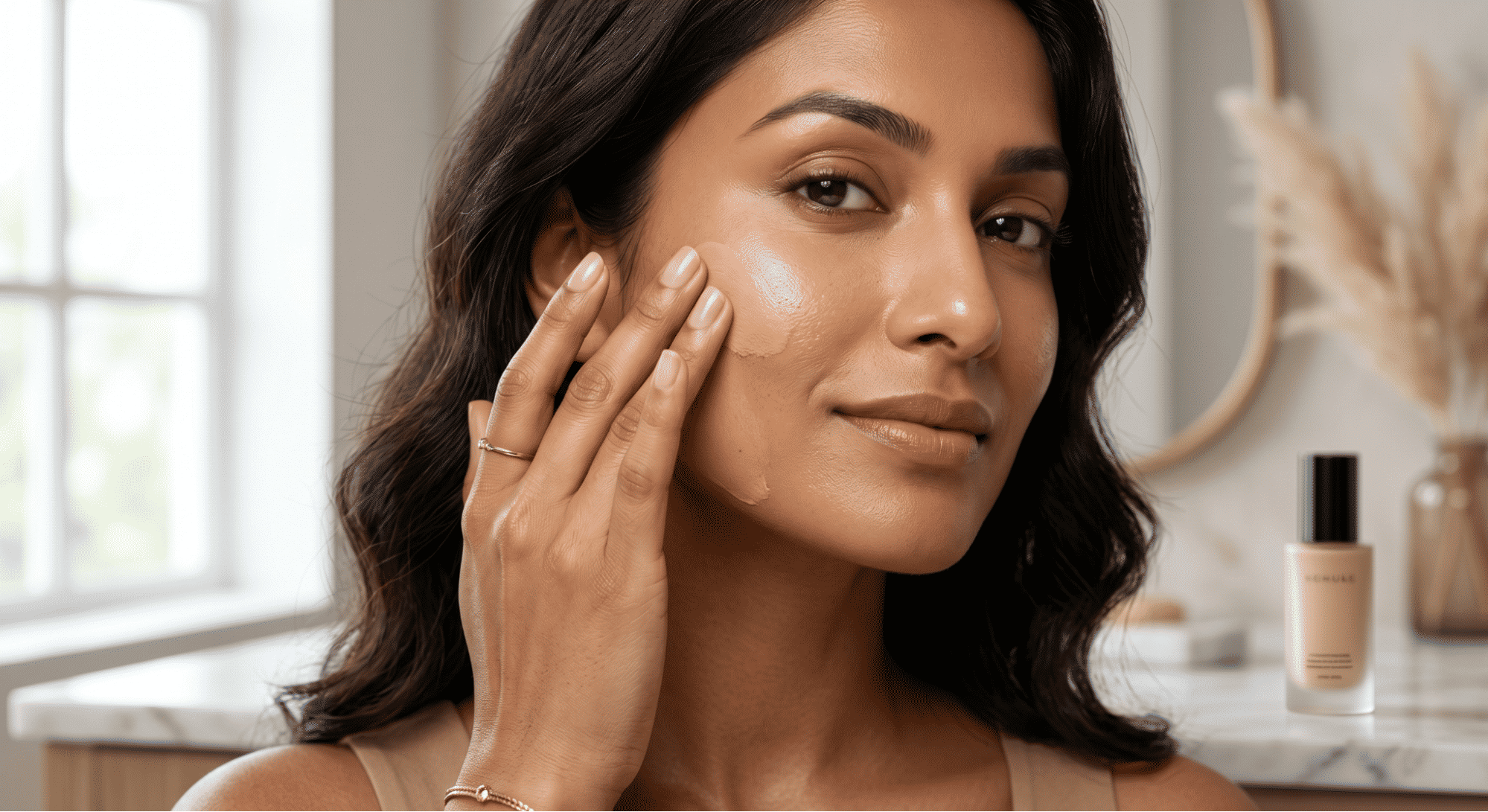
A brush generally creates a more polished, perfected effect with slightly higher coverage, while a damp sponge tends to soften edges and diffuse product into the skin for a more seamless finish. Fingers, meanwhile, bring warmth into the equation, helping foundation melt into the complexion in a way that often feels effortless and natural.
| Application Method | What It Often Looks Like |
|---|---|
| Brush | More coverage, polished finish |
| Sponge | Soft, diffused blending |
| Fingers | Natural skin-like melt |
There isn't a universally correct method. The best tool depends on your skin type, the formula you're using and the look you're trying to achieve. What remains consistent, however, is that softer blending almost always creates a more believable finish.
Why Full Coverage Isn’t Always Necessary
One of the biggest shifts in modern makeup is the idea that skin doesn't need to be completely erased to look good.
Real skin has natural shadows, slight redness, visible pores and movement. Those details aren't flaws. They're what make skin look alive. Trying to conceal every trace of them can sometimes leave the complexion looking flatter and heavier than intended.
A skin-like foundation approach focuses more on creating balance than perfection. Instead of masking everything, it gently evens out the complexion while allowing the face to retain its natural character. Ironically, that often looks more polished than layers of full coverage ever could.
Nykaa Recommends:
How Skin Condition Affects Foundation
Foundation responds to the condition of the skin underneath it more than many people realise.
A complexion that's feeling dry may cause foundation to cling in certain areas, while excess oil can encourage separation throughout the day. Too much skincare can create slipping, while balanced hydration often results in the smoothest finish.
| Skin Condition | What Often Happens |
|---|---|
| Too dry | Foundation clings |
| Too oily | Makeup separates |
| Too much skincare | Foundation slides |
| Balanced hydration | Smoother finish |
This explains why foundation can behave completely differently from one day to the next, even when every product in your routine remains exactly the same.
Products That Help Foundation Look Smoother
When it comes to achieving a skin-like finish, lightweight products usually do most of the heavy lifting.
Rather than layering thick textures, many makeup artists focus on products that add subtle hydration and flexibility. Lightweight moisturisers help minimise dry patches, hydrating primers can soften the overall texture, damp sponges create more natural blending, and thin liquid foundations tend to mimic real skin far more convincingly than dense formulas. A light mist of setting spray can also help makeup settle into the complexion instead of sitting visibly on top.
| Product Type | What It Usually Helps With |
|---|---|
| Lightweight moisturiser | Prevents dry patches |
| Hydrating primer | Softens texture |
| Damp sponge | Natural blending |
| Thin liquid foundation | Skin-like coverage |
| Setting spray | Helps makeup settle |
The overall effect feels fresher, lighter and far more wearable throughout the day.
How Weather Changes Makeup Wear
Weather quietly influences foundation more than most people expect.
What works beautifully during winter can suddenly feel heavy during peak summer, while a routine that performs perfectly outdoors may behave differently after several hours in air-conditioned spaces. Indian weather, in particular, tends to make these differences very noticeable.
| Weather Condition | What Often Feels Better |
|---|---|
| Humid weather | Lightweight foundation |
| Dry weather | Extra hydration underneath |
| Winter | Slightly richer moisturiser |
| Air-conditioned spaces | Flexible skin-like formulas |
Sometimes the foundation hasn't changed at all. The environment simply changed the conditions it has to work in.
Nykaa Recommends:
ZAWhy Too Much Powder Looks Heavy
Powder can be incredibly helpful, but it's often most effective when used with restraint.
A light dusting can reduce excess shine, slightly blur texture and improve longevity. The trouble begins when powder becomes the solution for every makeup concern. Excessive powder can flatten the complexion, exaggerate dryness and settle into fine lines much faster than many people realise.
The areas that usually benefit from a lighter hand include the under-eyes, around the nose and anywhere expression lines naturally form. Keeping powder minimal allows foundation to maintain the soft, skin-like quality that makes modern base makeup so appealing.
What Skin-Like Makeup Really Looks Like
One of the biggest misconceptions about natural-looking foundation is that it should make skin look completely flawless.
In reality, skin-like makeup still looks like skin.
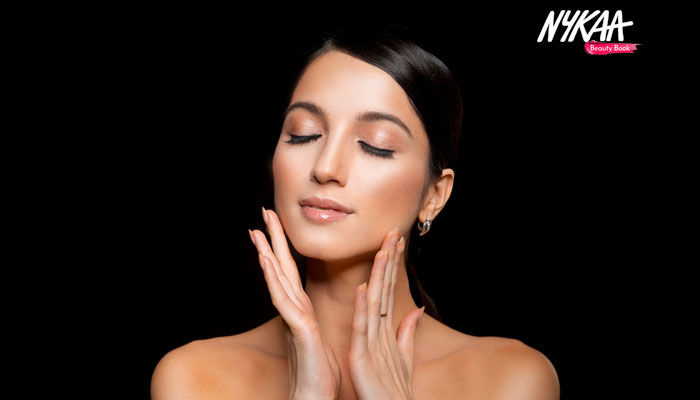
You may still notice pores. A little texture might remain visible. There may be a slight glow when light hits the face. And that's exactly the point. Modern beauty trends are increasingly embracing makeup that enhances rather than disguises, favouring realistic finishes, flexible textures and comfortable wear over the pursuit of absolute perfection.
Because in real life, believable skin usually looks far more beautiful than a perfectly flat canvas.
Foundation Usually Looks Best When It Almost Disappears Into the Skin
The most successful foundation isn't necessarily the one with the highest coverage or the longest wear claim.
It's the one that quietly becomes part of the skin. The texture looks softened rather than erased, the complexion appears even without looking masked, and the makeup remains comfortable long after application.
When foundation is applied well, people rarely notice the foundation itself. They simply notice that your skin looks healthy, fresh and naturally polished.
And honestly, that's what effortless makeup has always been about.
Frequently Asked Questions about How to Apply Foundation for a Smooth and Skin-Like Finish
-
How do I apply foundation properly?
Start with balanced, moisturised skin and build foundation gradually in thin layers rather than applying heavy coverage all at once.
-
Why does my foundation look heavy?
Thick layers, excess powder and too many products underneath the makeup are some of the most common reasons foundation starts looking obvious.
-
Should I use a brush or sponge for foundation?
A sponge generally creates a softer, more skin-like finish, while a brush typically offers slightly more coverage and definition.
-
How do I get smooth-looking foundation?
Balanced skin prep, lightweight formulas and patient blending usually make the biggest difference.
-
Why does foundation separate during the day?
Excess oil, humidity, dehydration or overly rich skincare underneath can cause foundation to break apart or move unevenly as the day goes on.