Foundation honestly looks very different in real life than it does online.
On social media, makeup often looks completely flawless:
- No pores
- No texture
- No shine
- No movement
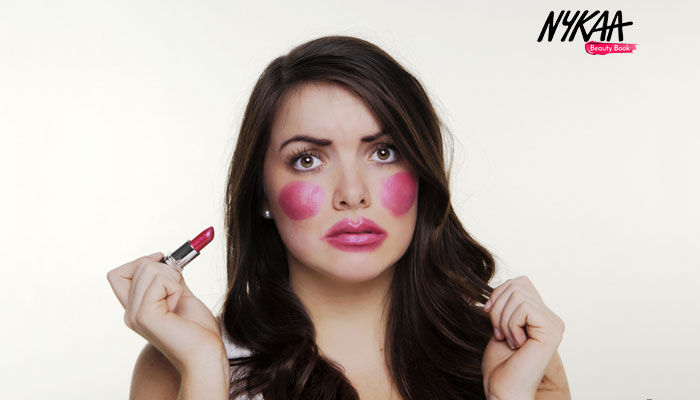
But in real lighting, heavy foundation can start looking obvious pretty quickly, especially after a few hours.
That's probably why more people now want foundation that looks natural instead of extremely full coverage.
And honestly, getting that smooth skin-like finish is usually less about buying expensive makeup and more about how you apply it.
In This Story:
- Why Skin Prep Matters
- Why Less Foundation Looks Better
- How Application Changes The Finish
- Why Full Coverage Isn't Always Necessary
- How Skin Condition Affects Foundation
- Products That Help Foundation Look Smoother
- How Weather Changes Makeup Wear
- Why Too Much Powder Looks Heavy
- What Skin-Like Makeup Really Looks Like
- FAQs
Smooth Foundation Usually Starts With Skin Prep
This is where most natural-looking makeup begins.
If your skin feels:
- Dry
- Flaky
- Very oily
- Dehydrated
- Overloaded with skincare
foundation usually shows it immediately.
That's why a smooth foundation routine usually starts before foundation even touches the face.
Usually enough:
- Lightweight moisturizer
- Sunscreen
- Letting skincare settle for a minute
Too many layers underneath makeup can make foundation:
- Slide around
- Separate faster
- Feel heavier later
Balanced prep almost always works better than complicated prep.
Using Less Foundation Usually Looks Better
This sounds backwards at first.
A lot of people think more foundation equals smoother coverage.
But thicker layers usually:
- Settle into texture faster
- Look heavier in daylight
- Crease around movement areas
- Feel more obvious after a few hours
Thin layers blended properly almost always look more skin-like.
Especially around:
- Nose
- Chin
- Smile lines
- Under-eyes
Usually, foundation looks smoother when the skin can still show through slightly.
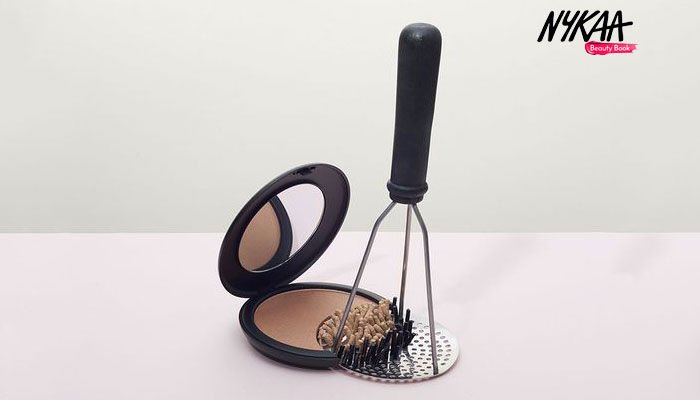
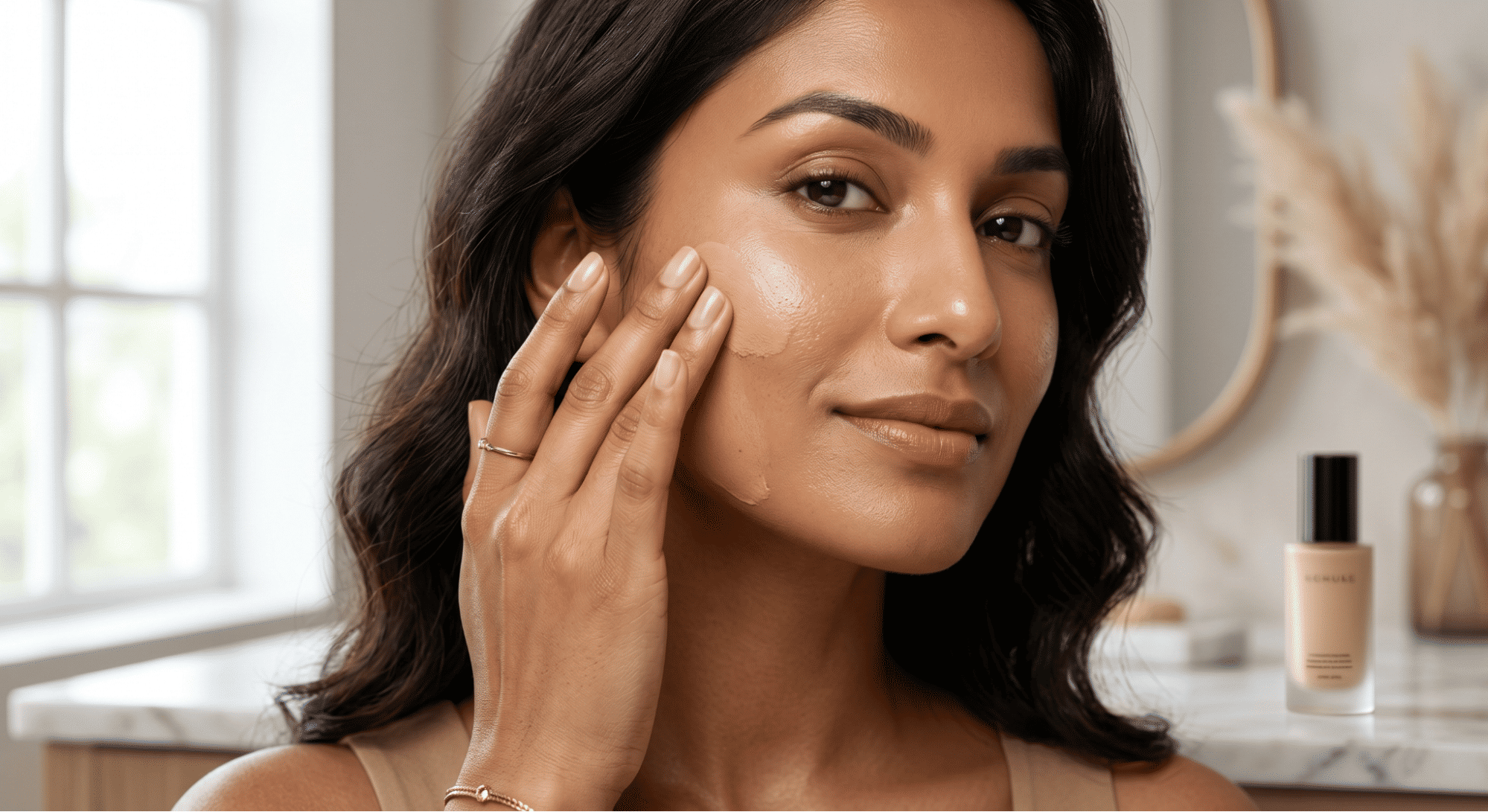
The Way You Apply Foundation Changes the Finish Completely
This honestly makes a huge difference.
Usually:
| Application Method | What It Often Looks Like |
|---|---|
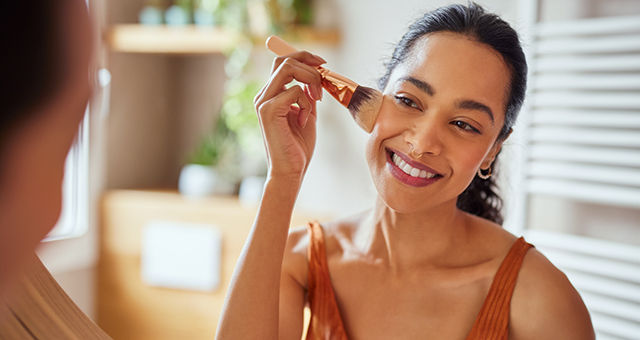
| Brush | More coverage, polished finish |
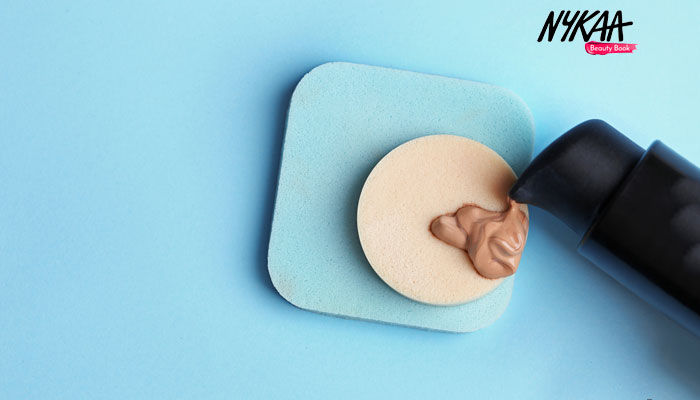
| Sponge | Softer blended texture |
| Fingers | Natural skin-like melt |
There's no single "correct" method.
It depends on:
- Your skin type
- Foundation formula
- The finish you prefer
But softer blending usually helps makeup look less obvious on the skin.
That's a big part of learning how to apply foundation naturally.
You Don't Need Every Part of the Face Fully Covered
This changes how natural foundation looks immediately.
Real skin still has:
- Slight redness
- Shadows
- Texture
- Natural movement
And honestly, that's completely normal.
Trying to erase every tiny thing usually makes makeup look:
- Heavier
- Flatter
- Less realistic
Skin-like foundation usually focuses more on evening out the face rather than completely masking it.
Foundation Sits Better When Skincare Underneath Feels Balanced
This matters a lot more than people realise.
Usually:
| Skin Condition | What Often Happens |
|---|---|
| Too dry | Foundation clings |
| Too oily | Makeup separates |
| Too much skincare | Foundation slides |
| Balanced hydration | Smoother finish |
That's why foundation can look completely different depending on how your skin feels that day.
Even with the same products.
Lightweight Products Usually Blend More Naturally
Especially for daily makeup.
| Product Type | What It Usually Helps With |
|---|---|
| Lightweight moisturizer | Prevents dry patches |
| Hydrating primer | Softer texture |
| Damp sponge | Natural blending |
| Thin liquid foundation | Skin-like coverage |
| Setting spray | Helps makeup settle |
Usually lighter textures look fresher and more natural in daylight.
Especially in Indian weather.
Weather Changes Foundation More Than People Expect
This becomes obvious very quickly once seasons change.
Usually:
| Weather Condition | What Often Feels Better |
|---|---|
| Humid weather | Lightweight foundation |
| Dry weather | More hydrating prep |
| Winter | Slightly richer moisturizer |
| AC environments | Flexible skin-like formulas |
So sometimes your makeup routine didn't suddenly stop working the environment changed.
That's especially noticeable in Indian summers where heavy foundation can feel uncomfortable very quickly.
Powder Helps But Too Much Changes the Whole Finish
This is usually where makeup starts looking heavier than intended.
A small amount of powder can:
- Reduce excess shine
- Blur texture slightly
- Help makeup last longer
But too much powder often:
- Emphasises dryness
- Makes makeup look flat
- Settles into lines faster
- Removes the skin-like finish
Usually, lighter powder application keeps foundation looking fresher.
Especially around:
- Under-eyes
- Smile lines
- Nose area
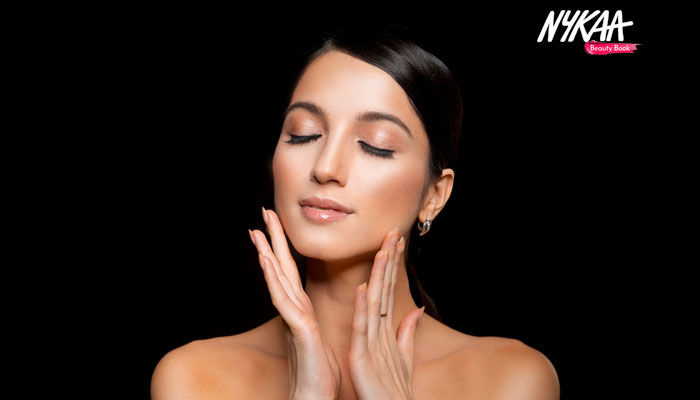
Skin-Like Foundation Still Looks Like Real Skin
This is important to remember.
Even smooth natural foundation still shows:
- Pores
- Tiny texture
- Natural movement
- Slight glow
And honestly, that usually looks much better in real life than extremely thick flawless coverage.
Modern makeup trends are moving more toward:
- Comfortable makeup
- Flexible textures
- Natural finishes
- Realistic skin
Instead of completely flat perfection.
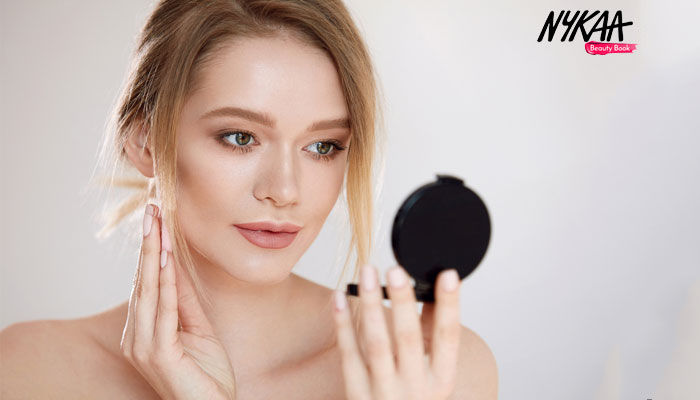
Foundation Usually Looks Best When It Almost Disappears Into the Skin
That's honestly the goal now.
Good foundation doesn't necessarily mean:
- Full coverage everywhere
- Extremely matte skin
- Heavy layers
Usually it means:
- Skin still looks natural
- Makeup blends softly
- Texture looks smoother, not hidden
- The face still feels comfortable after hours
When foundation is blended well, people usually notice your skin first, not the makeup sitting on top of it.
And honestly, that's what makes makeup look effortless.
Frequently Asked Questions
-
How do I apply foundation properly?
Apply thin layers on balanced, moisturized skin and blend gradually instead of applying heavy coverage all at once.
-
Why does my foundation look heavy?
Usually because of thick layers, excess powder or too much product underneath the makeup.
-
Should I use a brush or sponge for foundation?
Sponges usually create a softer skin-like finish, while brushes generally give more coverage.
-
How do I get smooth-looking foundation?
Balanced skin prep, lightweight layers and proper blending usually make the biggest difference.
-
Why does foundation separate during the day?
Oil, humidity, dehydration or overly heavy skincare underneath can cause foundation to break apart or slide.