In This Story:
- Why Too Much Concealer Looks Patchy
- Why Dry Skin Affects Concealer
- Why Too Much Skincare Backfires
- Why Skin Prep Needs Time
- Why Texture Matters More
- Why Over-Blending Looks Uneven
- Common Concealer Mistakes
- Why Too Much Powder Looks Heavy
- How Weather Changes Concealer
- Why More Product Makes It Worse
- When Concealer Blends Better
- FAQs
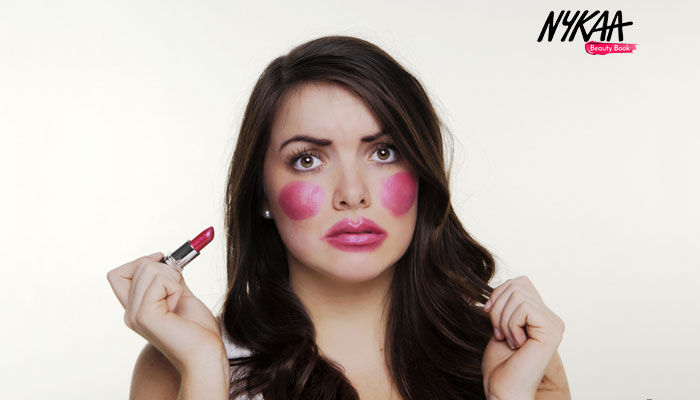
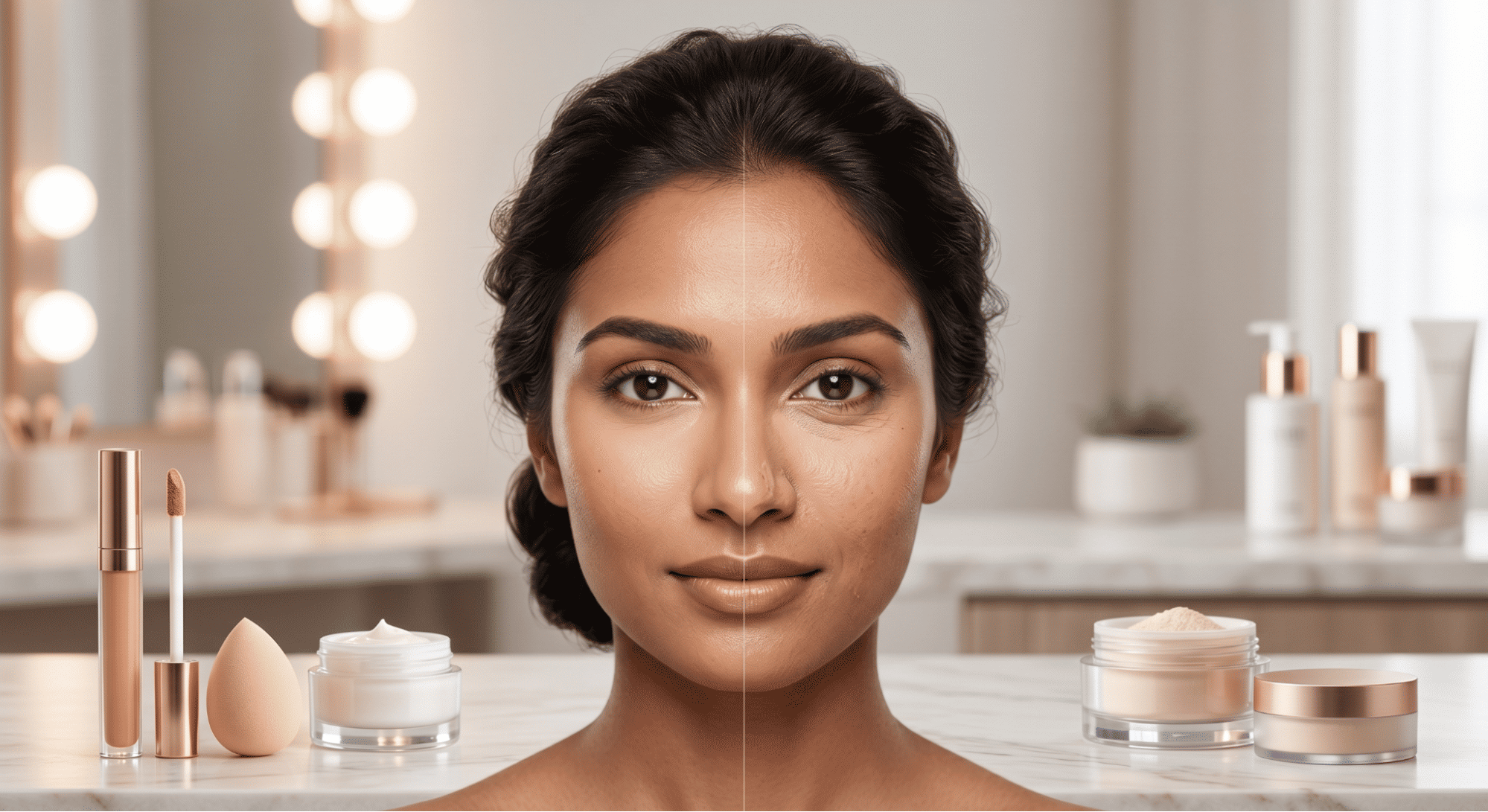
Too much product, dry areas underneath or layering concealer too quickly can all make coverage look uneven through the day. That’s why lighter layers, balanced skin prep and choosing the right texture usually help concealer blend more smoothly and look fresher for longer.
Concealer can feel confusing like that. You apply it expecting everything to look smooth, then somehow one side blends beautifully while the other looks uneven, dry, or starts separating within minutes.
And honestly, patchy concealer happens to almost everyone. Sometimes it’s the product itself. But a lot of the time, it comes down to one small detail in prep, layering, or application that changes how everything sits on the skin.
The good part is it’s usually fixable. A few simple adjustments can make concealer look smoother without needing heavier coverage.
In This Story:
- Why Too Much Concealer Looks Patchy
- Why Dry Skin Affects Concealer
- Why Too Much Skincare Backfires
- Why Skin Prep Needs Time
- Why Texture Matters More
- Why Over-Blending Looks Uneven
- Common Concealer Mistakes
- Why Too Much Powder Looks Heavy
- How Weather Changes Concealer
- Why More Product Makes It Worse
- When Concealer Blends Better
- FAQs
Using too much concealer is one of the biggest reasons
This happens all the time.
It feels natural to add more product when you want extra coverage, but thicker layers usually:
- settle faster
- cling unevenly
- crease more easily
- become harder to blend
Then instead of looking smoother, the concealer starts looking heavier and patchier.
Usually a small amount blended properly looks better.
And feels lighter too.
Dry skin underneath can make concealer catch instantly
This is a very common reason.
If skin feels:
- flaky
- tight
- dehydrated
concealer often grabs onto those areas first.
Especially around:
- under-eyes
- corners of the nose
- near the mouth
That’s when makeup can look uneven even if the concealer formula itself is good.
Balanced hydration underneath usually helps a lot.
Too much skincare underneath can also cause patchiness
This surprises people sometimes.
Layering too much:
- moisturizer
- eye cream
- sunscreen
can leave the skin feeling slippery.
Then concealer may start:
- moving around
- separating
- blending unevenly
Usually lighter prep works better than layering too much underneath.
Not letting skincare settle changes the finish
This step gets rushed easily.
If moisturizer or sunscreen still feels wet and concealer goes right on top, it may not grip evenly.
Giving products a minute before makeup helps everything feel more balanced.
It’s a small pause, but it can make a noticeable difference.
The texture may not match your skin
This matters more than people expect.
For example:
Very matte concealer on dry skin
- may cling quickly
Very creamy concealer on oily skin
- may separate faster later
Sometimes it’s not that the concealer is bad.
It just may not suit how your skin feels that day.
And skin changes more than most people expect.
Over-blending can also make concealer patchy
This happens especially under the eyes.
Once concealer starts setting, blending too much can:
- lift product away
- move coverage unevenly
- create visible patches
Usually gentle blending works best.
Then once it looks smooth, stop there.
More blending doesn’t always mean a better finish.
Common reasons concealer looks patchy
| Common Mistake | What Usually Happens |
|---|---|
| Too much concealer | Heavy uneven texture |
| Dry skin underneath | Product clings |
| Too much skincare | Concealer slides |
| Over-blending | Coverage lifts |
| Wrong texture | Uneven wear later |
Usually patchiness comes from one or two small things together.
Powder can help… or make patchiness worse
This depends on how much you use.
A light amount can:
- smooth the finish
- reduce movement
- help concealer stay in place
Too much powder can:
- make concealer look dry
- settle into lines
- emphasize texture
Especially under the eyes.
Usually softer setting works better than packing on product.
Hot weather can make patchiness feel worse
Especially during Indian summer.
| Condition | What Usually Helps |
|---|---|
| Humid weather | Lightweight concealer |
| Dry weather | More hydration first |
| Peak summer | Thin layers only |
| Long outdoor days | Small touch-ups |
Weather affects concealer more than people expect.
Heat and humidity can make uneven areas more noticeable faster.
Adding more concealer usually makes it worse
This happens constantly.
When concealer looks uneven, the first instinct is adding more.
But layering fresh product on top often makes:
- texture thicker
- creasing more obvious
- uneven spots stand out more
Usually better:
- smooth the area gently
- blend lightly
- use only a tiny amount if needed
Less correction usually looks fresher.
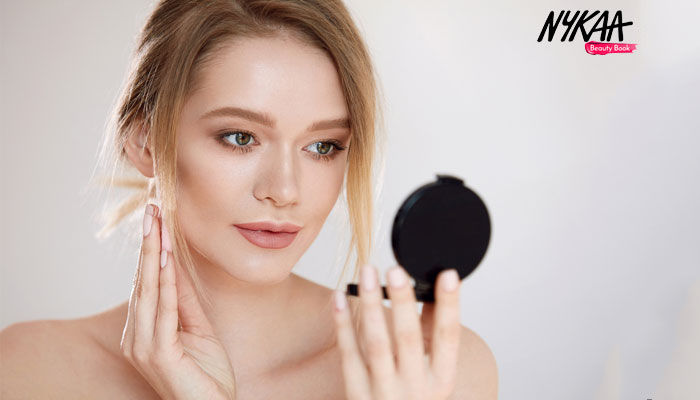
When concealer sits properly, it almost disappears into the skin
That’s usually how you know it’s working.
Coverage looks even.
Skin still looks natural.
Nothing feels dry or heavy.
It just blends in and stays comfortable through the day.
And honestly, that usually looks much better than trying to make every spot look completely covered.
Frequently Asked Questions
-
Why does my concealer look patchy?
Usually because of dry skin, too much product, or uneven layering.
-
Can moisturizer help patchy concealer?
Yes. Balanced hydration often helps concealer blend more smoothly.
-
Why does concealer separate around my nose?
That area moves more and often gets oilier faster.
-
Does powder make concealer patchy?
Too much powder can sometimes make texture look drier or heavier.
-
How do I make concealer look smoother?
Use thin layers, prep the skin properly, and blend gently without overworking it.
-
Why does concealer look patchy under my eyes?
Dryness, too much product, or over-blending are usually the most common reasons.