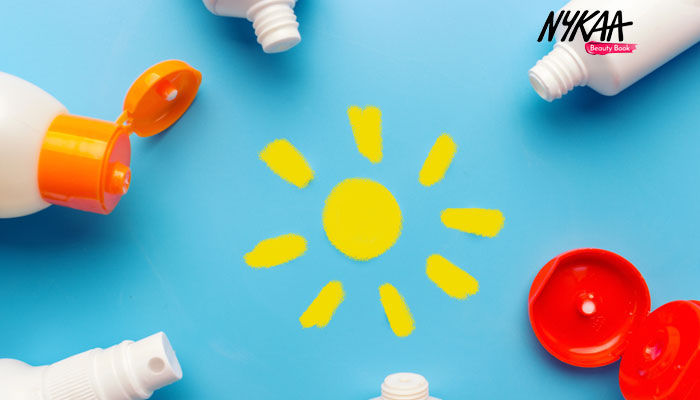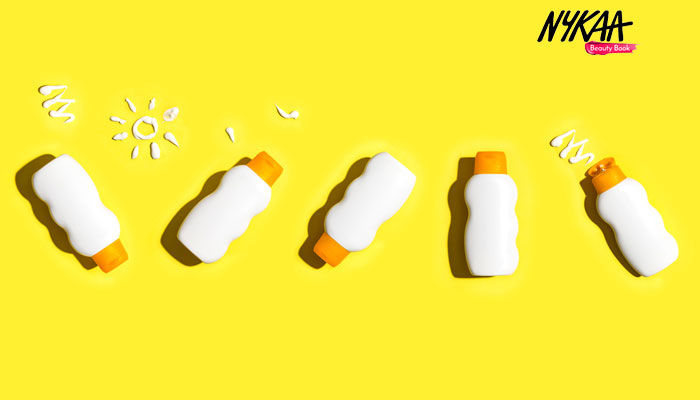
The best body sunscreen depends on your skin type, daily sun exposure, and preferred texture. Whether you choose SPF 30 or SPF 50, consistent application and reapplication matter more than chasing the highest SPF.
In This Story:
When people think about sunscreen, the face usually gets all the attention.
But if you spend even a few minutes outside every day, your arms, neck, hands, and legs are getting sunlight too. Walking to work, driving, waiting for a cab, or even hanging clothes outside all add up over time.
That's why body sunscreen deserves a place in your routine just as much as facial sunscreen.
The challenge isn't finding a sunscreen with a high SPF. It's finding one that feels comfortable enough that you won't mind using it every day.
Why Everyday Body Sunscreen Matters
Most sun exposure doesn't happen during vacations. It happens little by little through everyday activities.
A few minutes outside in the morning, lunch breaks, running errands or weekend walks may not sound like much but they all add up to cumulative UV exposure.
Making sunscreen part of your morning routine is often easier than trying to remember it only on particularly sunny days.
How Much SPF Do You Really Need?
This is usually the first thing people look for when buying sunscreen.
For everyday wear, SPF 30 and SPF 50 are the most common options.
A SPF 30 is often sufficient for daily wear if you’re mostly indoors and only spend a short time outdoors.
If you spend longer outside, travel frequently, or your work keeps you outdoors, many people prefer SPF 50.
Whatever SPF you choose, applying enough sunscreen and reapplying during long periods outdoors matters just as much as the number printed on the bottle.
Choose a Texture You'll Actually Enjoy
This is where many people decide whether they'll keep using a sunscreen.
A product can offer excellent protection, but if it feels greasy, sticky, or takes forever to absorb, it usually ends up forgotten.
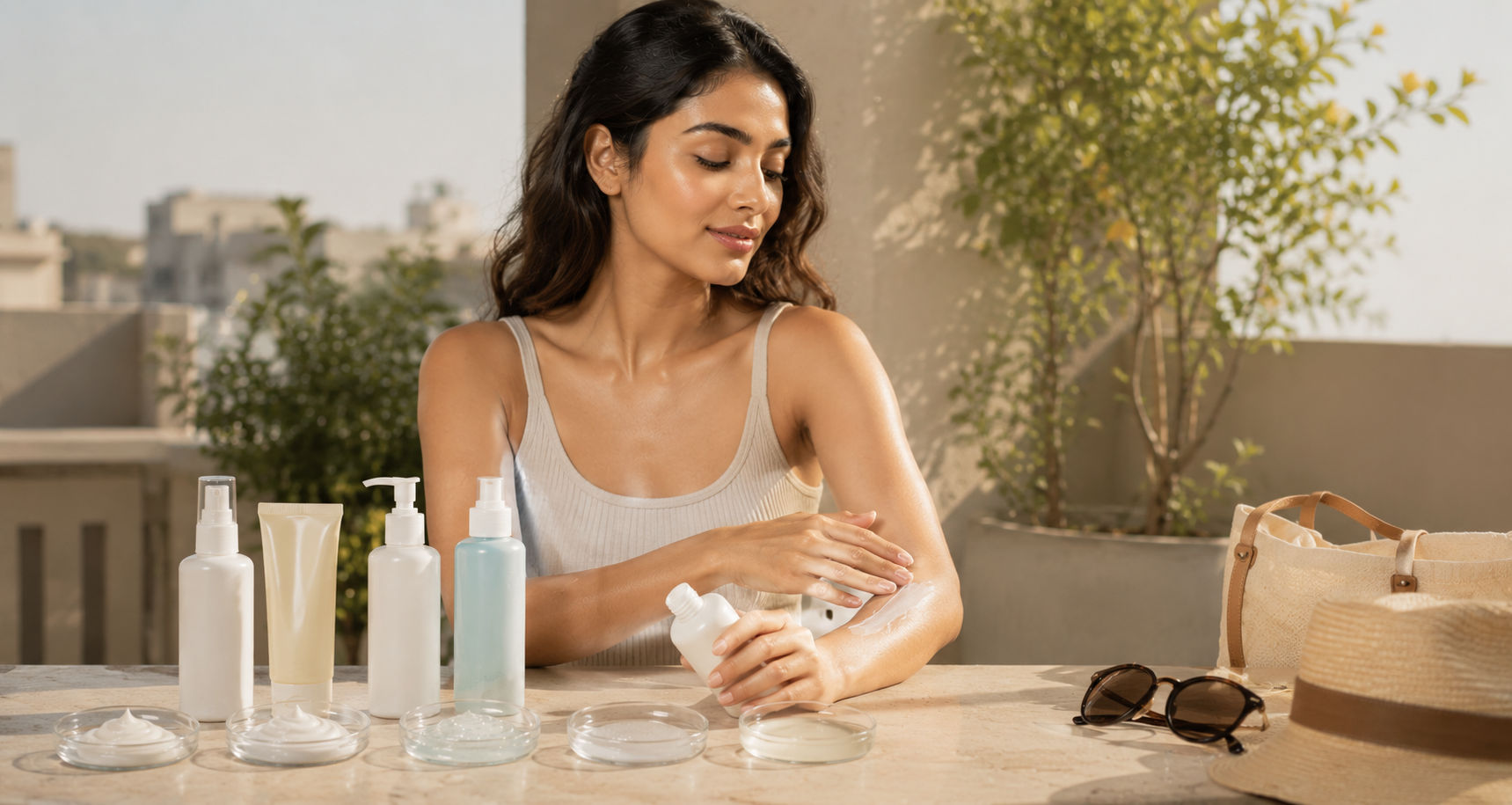
Body sunscreens are available in several textures, including:
- lightweight lotions
- cream-based formulas
- gel lotions
- fluid lotions
- sprays
Some people barely notice a lightweight lotion after a few minutes, while others prefer richer creams because they leave the skin feeling moisturized.
There's no universal "best" texture only the one that feels right for you.
What Works Best for Different Skin Types?
Your skin often tells you what it needs.
Dry Skin
If your skin feels tight after showering or tends to become flaky, a moisturizing lotion or cream sunscreen is usually more comfortable.
Some formulas even provide enough hydration that you may not need a separate body lotion afterward.
Oily Skin
People with oily skin often avoid body sunscreen because they don't like heavy products.
Fortunately, many lightweight lotions and gel-based formulas absorb quickly and leave very little residue behind.
Sensitive Skin
If your skin reacts easily, it's often worth choosing products with simple ingredient lists and little or no added fragrance.
Sometimes, fewer extras are exactly what sensitive skin prefers.
Does Water Resistance Really Matter?
It depends on what your day looks like.
If you're:
- exercising outdoors
- spending time at the beach
- swimming
- travelling
- sweating a lot
a water-resistant sunscreen usually makes more sense.
For an ordinary office day, it may not be necessary.
Just remember that even water-resistant formulas still need to be reapplied after swimming or prolonged sweating.
Quick Guide to Choosing a Body Sunscreen
| Skin Type | Formula That Often Feels Comfortable |
|---|---|
| Dry skin | Moisturizing cream or lotion |
| Oily skin | Lightweight lotion or gel |
| Normal skin | Everyday body lotion with SPF |
| Sensitive skin | Fragrance-free sunscreen |
| Outdoor lifestyle | Water-resistant formula |
Think of this as a starting point rather than a rulebook.
The Areas Most People Forget
Even people who apply sunscreen regularly tend to miss certain spots.
The most common ones are:
- ears
- back of the neck
- hands
- feet when wearing sandals
- shoulders
- back of the arms
These areas often receive plenty of sun without us realizing it.
Taking an extra few seconds to cover them can make a big difference over time.
Should You Change Sunscreen With the Seasons?
Many people do. A rich lotion that feels comfortable in winter may feel far too heavy during peak summer.
Likewise, a lightweight gel that's perfect in humid weather may not provide enough comfort once the air becomes dry.
There's nothing wrong with switching textures throughout the year if it helps you stay consistent.
Signs You've Found the Right Body Sunscreen
The best sunscreen isn't necessarily the most expensive one. It's the one that quietly fits into your routine.
After applying it, your skin should feel comfortable enough that you stop thinking about it.
Usually, a good everyday sunscreen should:
- spread easily
- absorb without leaving a heavy layer
- feel comfortable under clothing
- work well with your daily routine
- be easy enough to use every morning
If you enjoy using it, you're far more likely to stay consistent.
Daily Habits Matter More Than Finding the "Perfect" Product
People often spend weeks comparing ingredients, finishes, and reviews.
Those things certainly have their place. But wearing a sunscreen every day usually has a much bigger impact than endlessly searching for the perfect bottle.
A product that feels comfortable and becomes part of your routine will almost always be more useful than one that stays unopened on a shelf.
Frequently Asked Questions
-
What SPF is best for everyday body sunscreen?
SPF 30 and SPF 50 are both suitable for everyday use. The better choice depends on how much time you spend outdoors.
-
Should I use body sunscreen every day?
If parts of your body are regularly exposed to sunlight, using sunscreen daily is generally a sensible habit.
-
Can I use body sunscreen on my face?
Some products are designed for both, but many people prefer facial sunscreens because they're formulated specifically for facial skin.
-
Which body sunscreen works well for oily skin?
Lightweight lotions and gel-based formulas are often more comfortable because they absorb quickly and feel less greasy.
-
Do I still need body lotion if my sunscreen is moisturizing?
That depends on your skin. Some moisturizing sunscreens provide enough hydration, while very dry skin may still benefit from a separate lotion.
-
How often should I reapply body sunscreen?
When you're outdoors for extended periods, it's generally recommended to reapply about every two hours, or sooner after swimming or heavy sweating.
-
Is SPF 50 much better than SPF 30?
Both offer good protection when used correctly. Choosing an SPF you'll apply generously and consistently is usually more important than focusing only on the number.