In This Story:
- Why Undertones Matter More
- Why Foundation Looks Different In Daylight
- Why The Perfect Match Takes Time
- Why Warm Undertones Work Better
- Why Texture Matters More Now
- Choosing By Skin Type
- Why Foundation Oxidizes
- Why Foundation Finishes Feel Better
- Why Skin-Like Makeup Looks Better
- What Makes Foundation Look Balanced
- FAQs
Finding the right foundation for Indian skin tones has become less about chasing maximum coverage and more about understanding undertones, finishes and how a formula behaves once it leaves the bathroom mirror and meets actual daylight.
Because let's be honest, buying foundation online can feel like a personality test you never signed up for. A shade looks flawless in reviews, everyone swears it's their holy grail, and then it arrives only to turn suspiciously orange by lunchtime, look oddly grey around the mouth, or clash with your neck in ways that feel almost personal.
The reality is that Indian skin tones are far more nuanced than most shade charts give them credit for. That's why finding a great foundation isn't just about picking "medium" or "tan" anymore. It's about finding a formula that genuinely belongs on your skin rather than sitting on top of it.
Why Undertones Matter More
If foundation matching had a greatest hits list of mistakes, ignoring undertones would probably be number one.
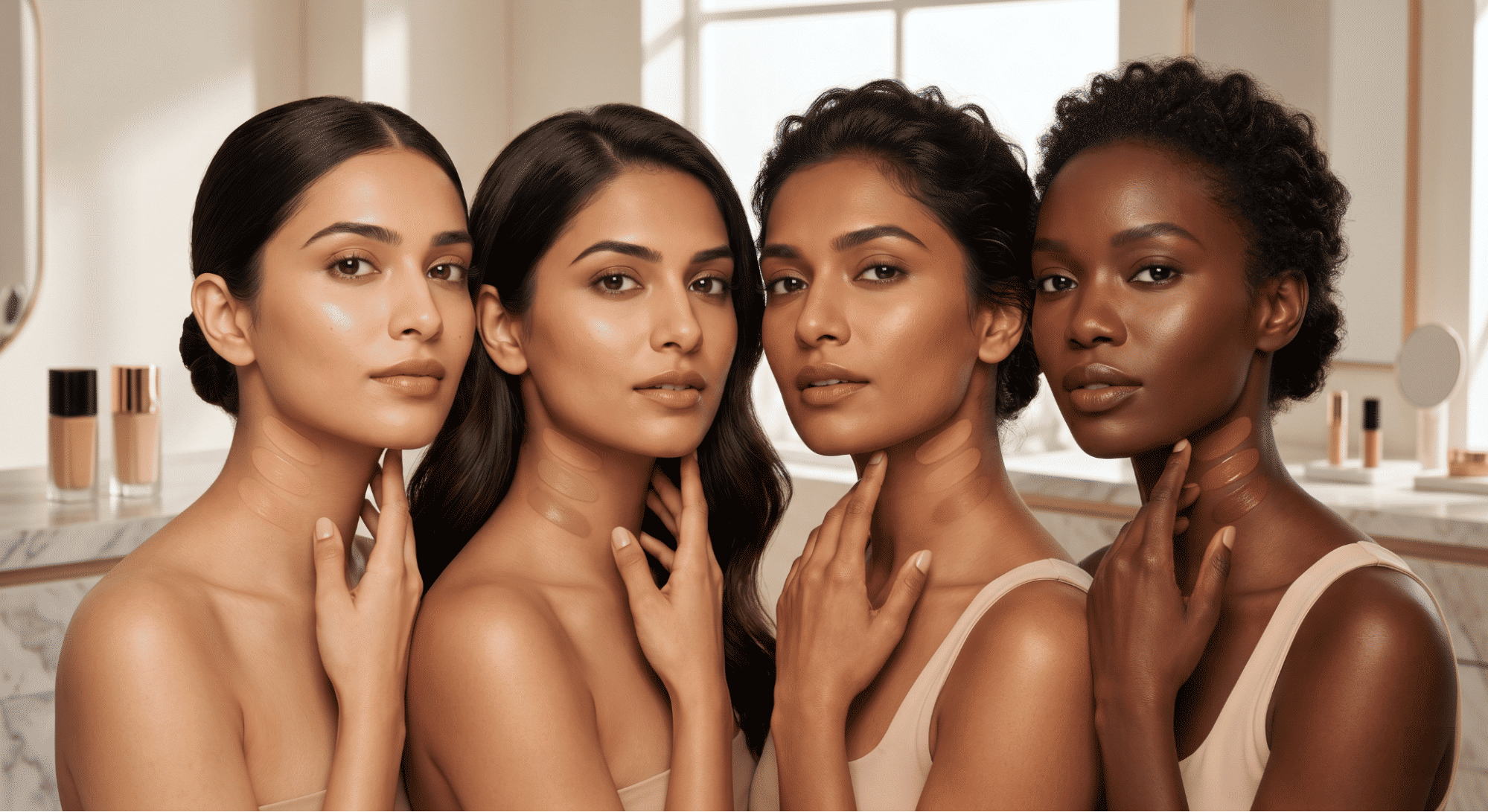
A foundation can match your skin depth perfectly and still look completely wrong if the undertone isn't aligned with your complexion. That's often why a shade seems promising in the bottle but feels off once it's blended in.
Many Indian skin tones naturally lean toward golden, olive, honey or neutral-warm undertones. Yet plenty of foundations still pull excessively pink, overly orange, too cool or strangely ashy once applied.
That's why the search for the right foundation is rarely about finding a shade that's darker or lighter. It's about finding one that speaks the same undertone language as your skin.
Nykaa Recommends:
Why Foundation Looks Different In Daylight
Indoor lighting has a habit of being extremely supportive. Daylight, on the other hand, tells the whole story.
A foundation that appears perfectly balanced under warm indoor bulbs can suddenly reveal completely different intentions outdoors. What looked seamless inside may appear too yellow, too pink, unexpectedly orange or slightly grey the moment sunlight enters the chat.
Indian daylight tends to be brighter and warmer than many people expect, which makes undertone mismatches much easier to spot. This is also where oxidation becomes impossible to ignore. A foundation that seemed perfect during the swatch stage can look noticeably different just a few minutes later.
That's why the final shade verdict should never happen under artificial lighting alone.
Why The Perfect Match Takes Time
One of the biggest misconceptions about foundation shopping is that you'll know instantly when you've found the right shade.
Usually, you won't.
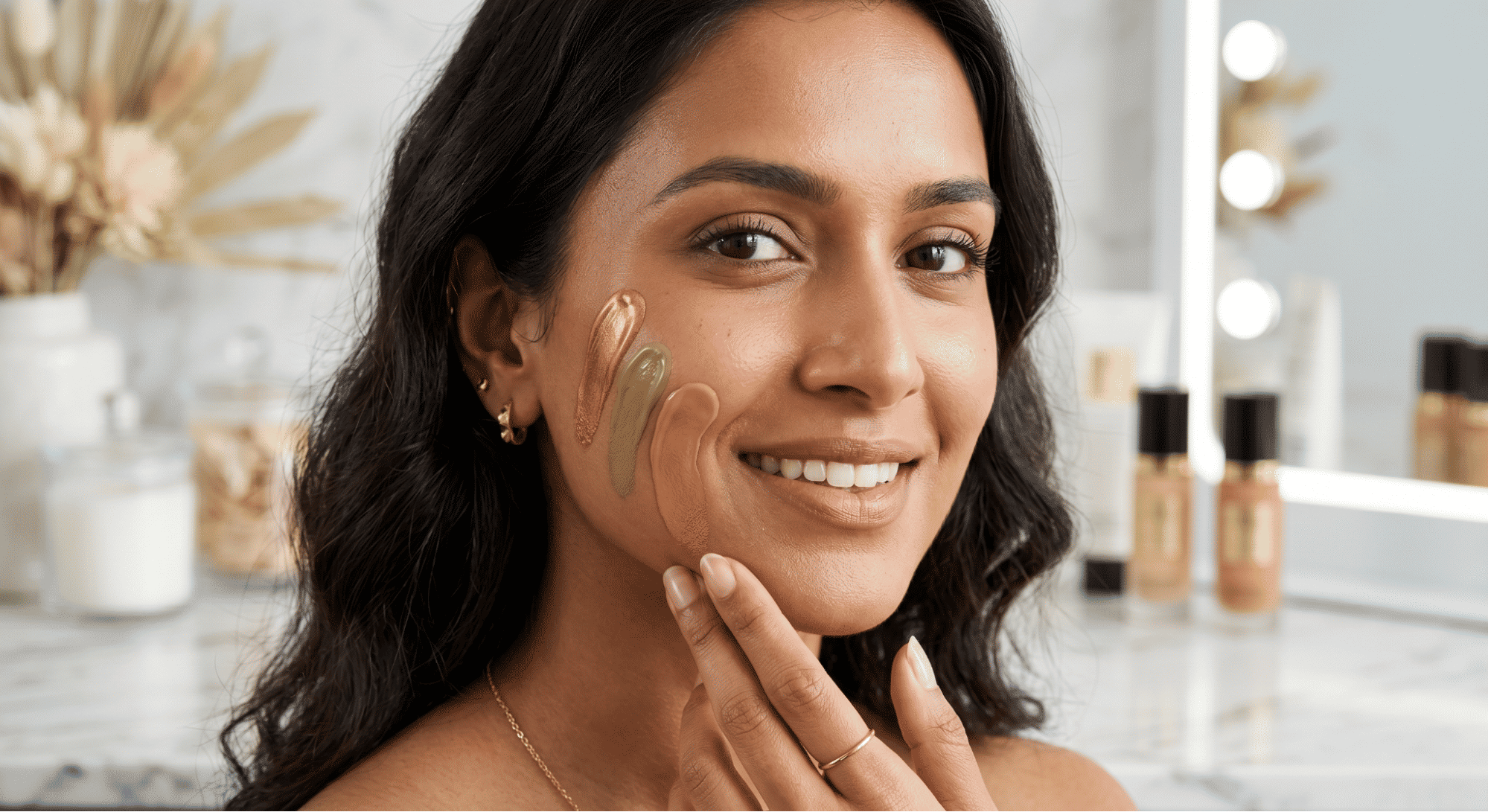
Freshly applied foundation is still settling into the skin, adjusting to your natural oils and revealing its true finish. What matters is how it looks fifteen to twenty minutes later.
That's when you'll notice whether it melts naturally into your complexion or starts heading in an entirely different direction. A foundation may become warmer, darker, duller or more orange as it settles, which is why patience often saves people from buying the wrong shade.
The best matches reveal themselves gradually rather than announcing themselves immediately.
Why Warm Undertones Work Better
There's a reason warm and neutral-warm shades dominate so many foundation ranges aimed at Indian consumers.
For many Indian complexions, foundations with golden, honey, caramel or softly olive undertones tend to create the most harmonious result. They bring warmth to the skin without making it appear overly yellow or artificially bronzed.
Very pink-based foundations, meanwhile, can sometimes create a noticeable disconnect between the face and neck, leaving makeup looking less natural than intended.
That doesn't mean every Indian skin tone is warm, but balanced warmth often feels more flattering than formulas that lean heavily cool.
Why Texture Matters More Now
Coverage used to be the headline act. Now, texture is stealing the spotlight.
Today's foundation shoppers are paying far more attention to how makeup feels and wears than simply how much it covers. Heavy matte formulas that once dominated beauty counters are gradually making room for lighter, more flexible alternatives.
Many people now gravitate toward:
- Skin-like finishes
- Lightweight formulas
- Breathable coverage
- Satin textures
- Soft matte finishes
Especially in Indian weather, where heavy foundation can start feeling like an extra layer of clothing by mid-afternoon, texture often determines whether a product becomes a favourite or gets forgotten in a drawer.
Choosing By Skin Type
Shade matching is important, but choosing the right finish can be just as transformative.
| Skin Type | What Often Feels Better |
|---|---|
| Oily skin | Soft matte foundation |
| Dry skin | Hydrating or satin finish |
| Combination skin | Natural skin-like finish |
| Humid-weather skin | Lightweight formulas |
| Dehydrated skin | Flexible satin textures |
The goal isn't to follow rules blindly. It's to choose a texture that works with your skin rather than constantly fighting against it.
Why Foundation Oxidizes
Few beauty disappointments compare to finding a perfect shade only to watch it transform an hour later.
Oxidation remains one of the most common foundation frustrations, particularly in warm and humid climates. As foundation interacts with skin oils, heat, humidity and air exposure, some formulas deepen in colour or develop a warmer, more orange appearance.
This is exactly why testing foundation immediately after swatching can be misleading.
A few extra minutes often reveal far more about a foundation than the initial application ever could.
Why Foundation Finishes Feel Better
Foundation finishes have become considerably more sophisticated in recent years.
Instead of forcing people to choose between completely matte or extremely dewy formulas, brands are creating finishes that feel more balanced and adaptable for daily life.
| Finish Type | What It Often Looks Like |
|---|---|
| Soft matte | Balanced, refined skin |
| Satin finish | Natural radiance |
| Serum foundation | Lightweight skin-like texture |
| Natural matte | Smooth without looking flat |
| Dewy finish | Fresh but more reflective |
For many people, the sweet spot sits somewhere between powdery matte and high-shine glow. Those in-between finishes tend to feel easier to wear and far more convincing in natural light.
Nykaa Recommends:
Why Skin-Like Makeup Looks Better
One of the biggest beauty shifts in recent years is the growing appreciation for makeup that still allows skin to look like skin.
Real skin has texture. It has pores. It moves when you smile, talk and laugh. Foundation doesn't need to erase all of that to be considered successful.
In fact, formulas that look completely flawless on camera can sometimes appear heavier, drier or more obvious in person. That's why skin-like makeup continues to gain momentum. It enhances rather than disguises, creating a finish that feels believable instead of overly perfected.
Because the most convincing foundation is rarely the one covering the most. It's usually the one nobody notices.
What Makes Foundation Look Balanced
The difference between a good foundation and a great one often comes down to balance.
When the undertone works, the finish suits your skin and the formula settles naturally, everything else starts falling into place. The complexion appears fresher, the transition into the neck becomes seamless, and there are no distracting patches of grey, pink or orange competing for attention.
Most importantly, you stop thinking about the foundation itself.
It simply becomes part of your skin, which is usually the clearest sign you've found the right match.
Frequently Asked Questions
-
What is the best foundation for Indian skin tones?
Foundations with golden, olive, honey or neutral-warm undertones tend to complement many Indian skin tones beautifully.
-
Why do foundations sometimes look grey on Indian skin?
This usually happens when the shade is too cool-toned, too pink or too light for the skin's natural undertones.
-
Which foundation finish works best in Indian weather?
Soft matte, natural matte and satin finishes are often the easiest to wear across different Indian climates.
-
Why does foundation turn orange later?
Some formulas oxidize when they interact with skin oils, heat, humidity and air exposure, causing the shade to deepen or warm up.
-
How do I find my undertone?
Warm undertones generally suit golden-based shades, while olive undertones often pair well with balanced warm or neutral foundations that aren't overly yellow or pink.