In This Story:
- What Are Warm Undertones?
- How to Identify Them
- Choosing the Right Foundation
- Picking the Best Concealer
- Blush for Warm Undertones
- Lipstick Shades to Try
- Eyeshadow Colours
- Choosing the Right Bronzer
- Best Highlighter Shades
- Makeup Rules vs Preferences
- Smart Makeup Shopping Tips
- Finding Your Perfect Match
- FAQs
Choosing makeup for warm undertones becomes much easier once you know which shades naturally complement your skin.
Have you ever bought a lipstick that looked beautiful in the store, only to wonder why it looked completely different once you wore it or maybe you've found yourself choosing a foundation that matched your skin tone but somehow still didn't look quite right.
Often, it's your skin's undertone. Once you know whether your undertones are warm, cool or neutral, shopping for makeup becomes much less confusing. Colours start making sense, foundation feels more natural, and even small details like blush or lipstick can pull your whole look together.
If you've been told you have warm undertones or you're trying to figure it out, here's a simple guide to choosing makeup that works beautifully with your complexion.
First Things First: What Are Warm Undertones?
Your skin tone and your undertone aren't the same thing.
Your skin tone can change throughout the year. A holiday, summer sunshine or even a few weeks indoors can make it look lighter or deeper.
Your undertone, on the other hand, stays fairly consistent.
People with warm undertones usually have hints of golden, yellow or peach beneath the surface of their skin. It isn't always obvious at first glance, but it often becomes easier to spot once you know what to look for.
How to Tell If You Have Warm Undertones
There’s no one test that works for everyone but there are a few simple clues that can point you in the right direction.
You might have warm undertones if:
- Gold jewellery tends to suit you more than silver.
- Your veins appear more green than blue.
- Earthy shades often look more flattering than icy colours.
- Off-white usually looks softer on you than bright white.
None of these are strict rules, but together they can give you a good idea.
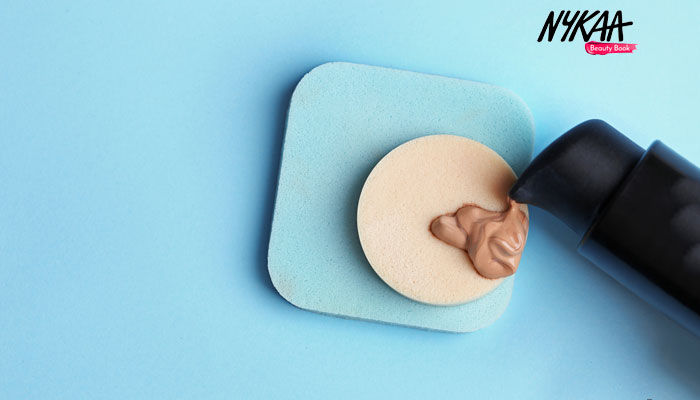
Foundation Should Blend, Not Change Your Colour
Foundation often gets the most attention, and for good reason.
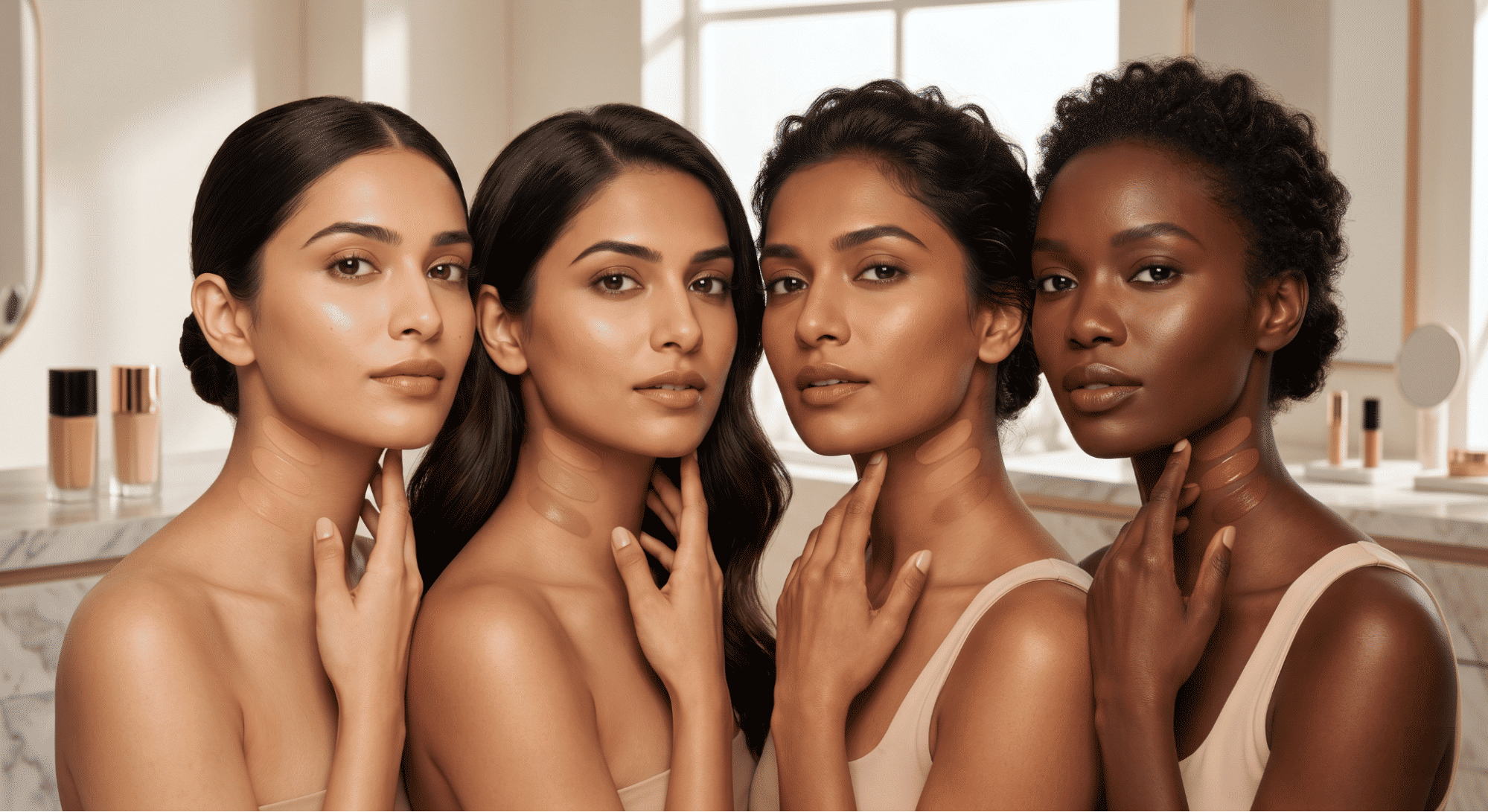
A good match shouldn't make your face look lighter, darker or a completely different colour from your neck.
If you have warm undertones, look for foundations described with words like:
- Warm
- Golden
- Honey
- Beige
- Golden Beige
The easiest way to check a match is by applying a small amount along your jawline and stepping into natural daylight.
If it disappears into your skin, you're probably on the right track.
Concealer Should Brighten Without Looking Ashy
A concealer that's too cool can sometimes make warm skin appear dull.
Instead, choose a shade that complements your undertone while still giving a little brightness under the eyes.
For blemishes or pigmentation, a concealer that's close to your foundation usually creates the most natural finish.
Blush Looks Best When It Adds Warmth
Blush shouldn't sit on top of your makeup.
It should look as though the colour naturally belongs there.
Warm undertones often pair beautifully with shades like:
- Peach
- Coral
- Apricot
- Soft terracotta
- Warm rose
These colours add freshness without looking overly cool against the skin.
Lipstick Shades That Naturally Complement Warm Undertones
Lipstick is often where undertones become most noticeable.
Some shades instantly brighten your complexion, while others can make it seem slightly washed out.
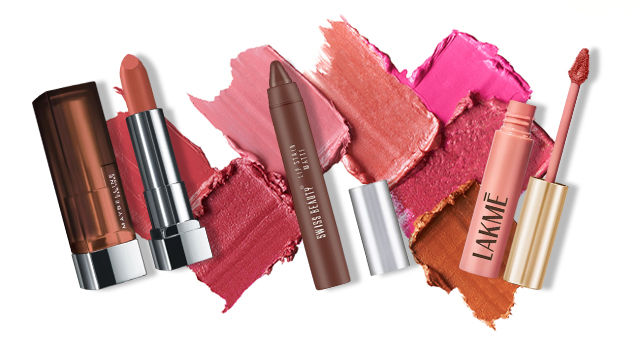
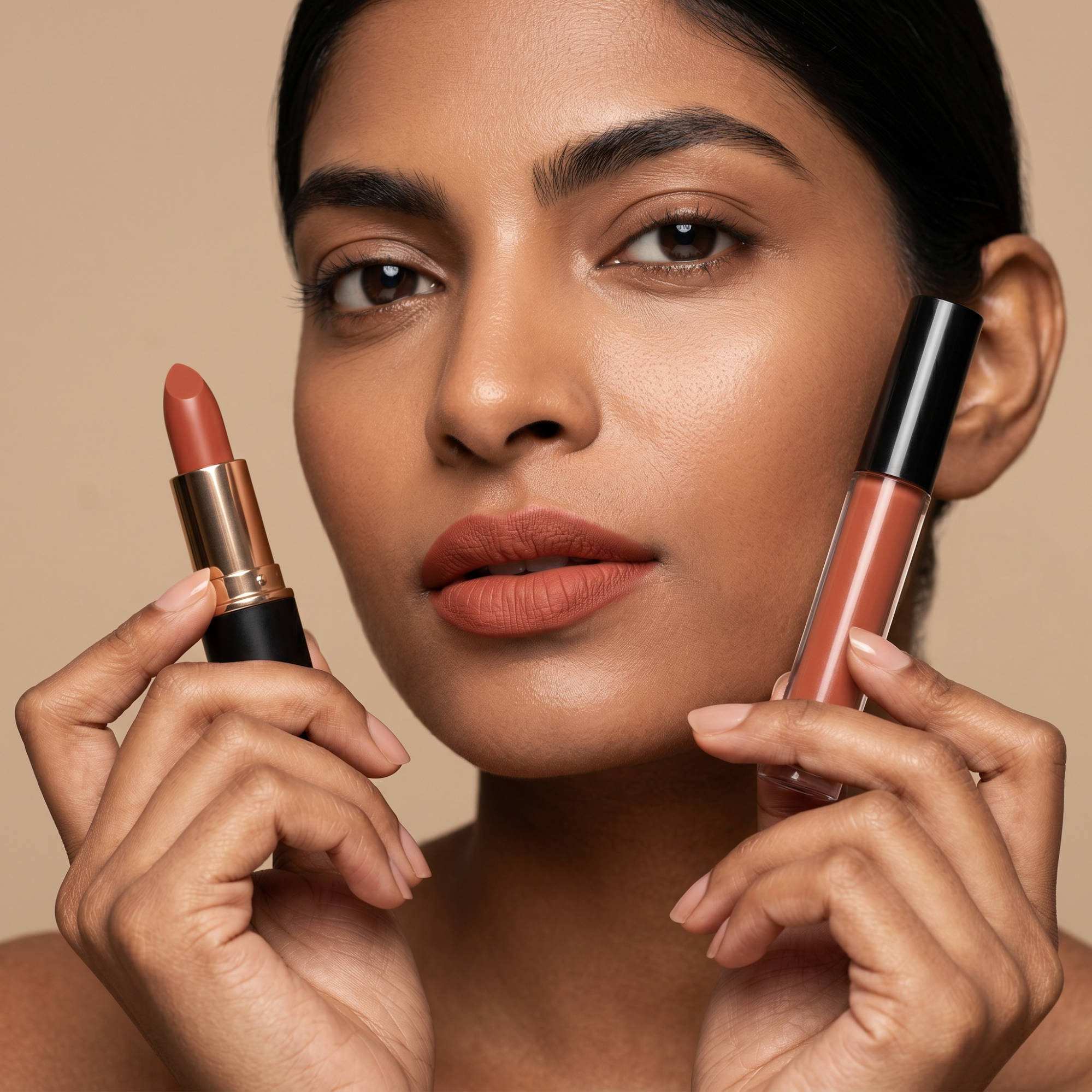
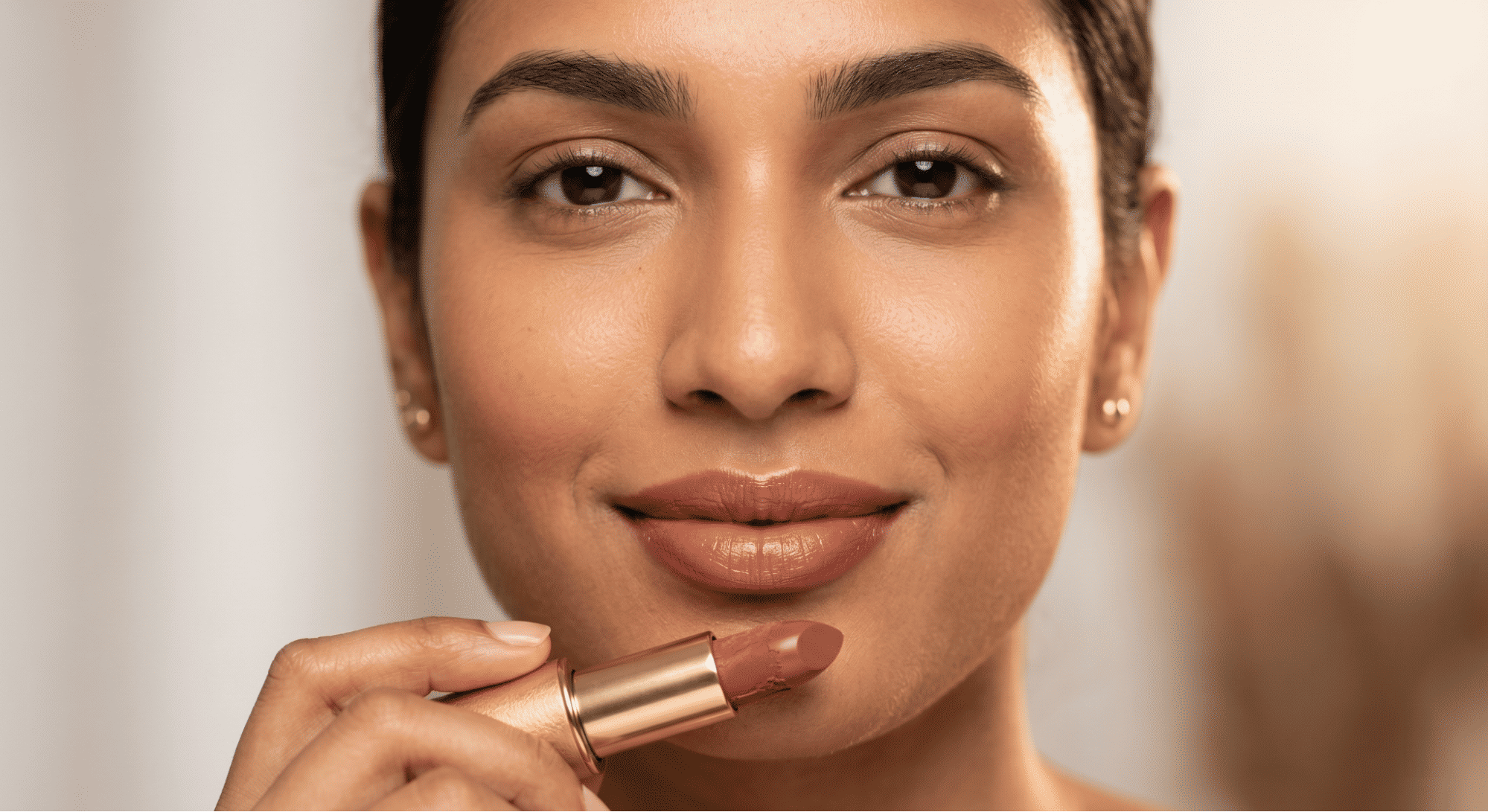
If you have warm undertones, you might enjoy colours such as:
- Coral
- Peachy nude
- Terracotta
- Brick red
- Warm brown
- Burnt orange
That doesn't mean cooler shades are off-limits. Makeup is personal, and if you love a colour, wear it with confidence.
Eyeshadows That Bring Everything Together
When choosing eyeshadow, warm undertones usually pair well with earthy colours.
Think of shades inspired by nature rather than icy tones.
Some favourites include:
- Bronze
- Gold
- Copper
- Chocolate brown
- Olive
- Warm taupe
These colours add depth while complementing the warmth in your complexion.
Bronzer Should Add Dimension, Not Orange Streaks
Bronzer is meant to create gentle warmth.
It shouldn't completely change the colour of your face.
Choose shades that are only slightly deeper than your natural skin tone and blend them gradually.
A little often goes much further than you expect.
Highlighter Should Look Like Skin, Not Glitter
Highlighter works best when it catches the light naturally.
For warm undertones, shades like:
- Champagne
- Soft gold
- Golden peach
often melt into the skin beautifully without looking overly frosty.
The goal is a healthy glow rather than an obvious shimmer.
You Don't Have to Follow Every Rule
One of the nicest things about makeup is that it's meant to be enjoyed.
Knowing your undertone simply gives you a helpful starting point.
If a cool pink lipstick makes you feel amazing, wear it.
If you love silver eyeshadow even though gold is traditionally recommended, that's perfectly fine too.
Guidelines are useful, but they're never more important than your own preferences.
Simple Tips That Make Shopping Easier
A few small habits can save a lot of guesswork:
- Test foundation in natural light whenever possible.
- Swatch products on your jawline instead of your wrist.
- Let the foundation settle for a few minutes before deciding on the shade.
- Don't rely only on the packaging or shade name.
- If you're between two shades, choosing the one that matches your undertone often gives the most natural result.
These tiny steps can make shopping a lot less frustrating.
Finding the Right Makeup Becomes Easier Once You Know Your Undertone
You don't need to replace your entire makeup collection overnight.
Understanding your undertone simply helps you make more confident choices the next time you're shopping.
Once you start recognising which shades naturally complement your skin, choosing foundation, lipstick or blush becomes much more straightforward and getting ready each morning feels a little easier too.
Frequently Asked Questions
-
How do I know if I have warm undertones?
A simple way to check is to look at your wrist veins in natural light. If they appear more green than blue and gold jewellery tends to suit you better than silver, there's a good chance you have warm undertones. Looking at several signs together usually gives a clearer answer than relying on just one.
-
Which foundation shades are best for warm undertones?
Look for shades described as warm, golden, honey or golden beige. Instead of testing them on your wrist, try a small swatch along your jawline. The right foundation should blend seamlessly into both your face and neck.
-
Can people with warm undertones wear pink or cool-toned makeup?
Of course. Your undertone is a helpful guide, not a rulebook. While warm shades may look more harmonious, you can absolutely wear cool-toned lipsticks or eyeshadows if you enjoy them. Confidence often makes the biggest difference.
-
How can I choose the right blush for warm undertones?
Blushes in peach, apricot, coral and warm rose usually blend beautifully into warm-toned skin. They add a healthy flush without standing out too much, creating a finish that looks fresh rather than overly dramatic.
-
Do warm undertones change over time?
Not usually. Your skin tone may become lighter or deeper depending on sun exposure or the season, but your undertone generally stays the same. That's why a foundation with the right undertone often continues to suit you throughout the year.
-
What eyeshadow colours work well for warm undertones?
Earth-inspired shades like bronze, gold, copper, chocolate brown, olive and warm taupe are popular choices. They naturally complement warm undertones and can be worn for both everyday makeup and evening looks.