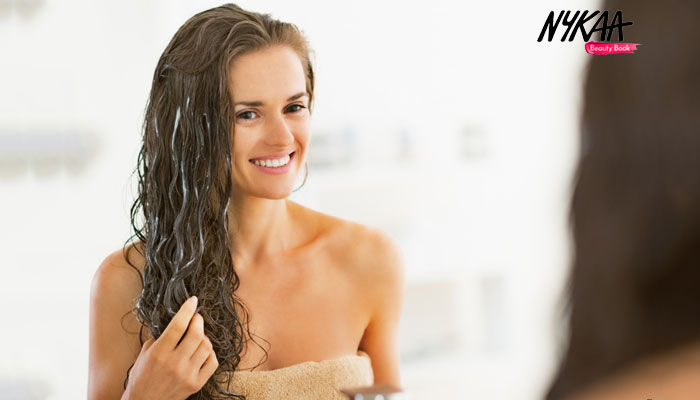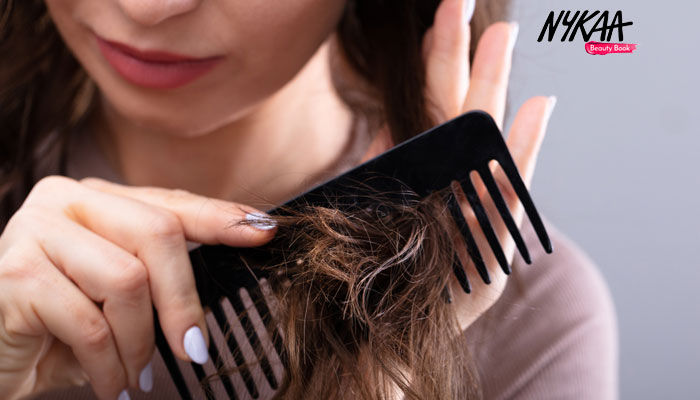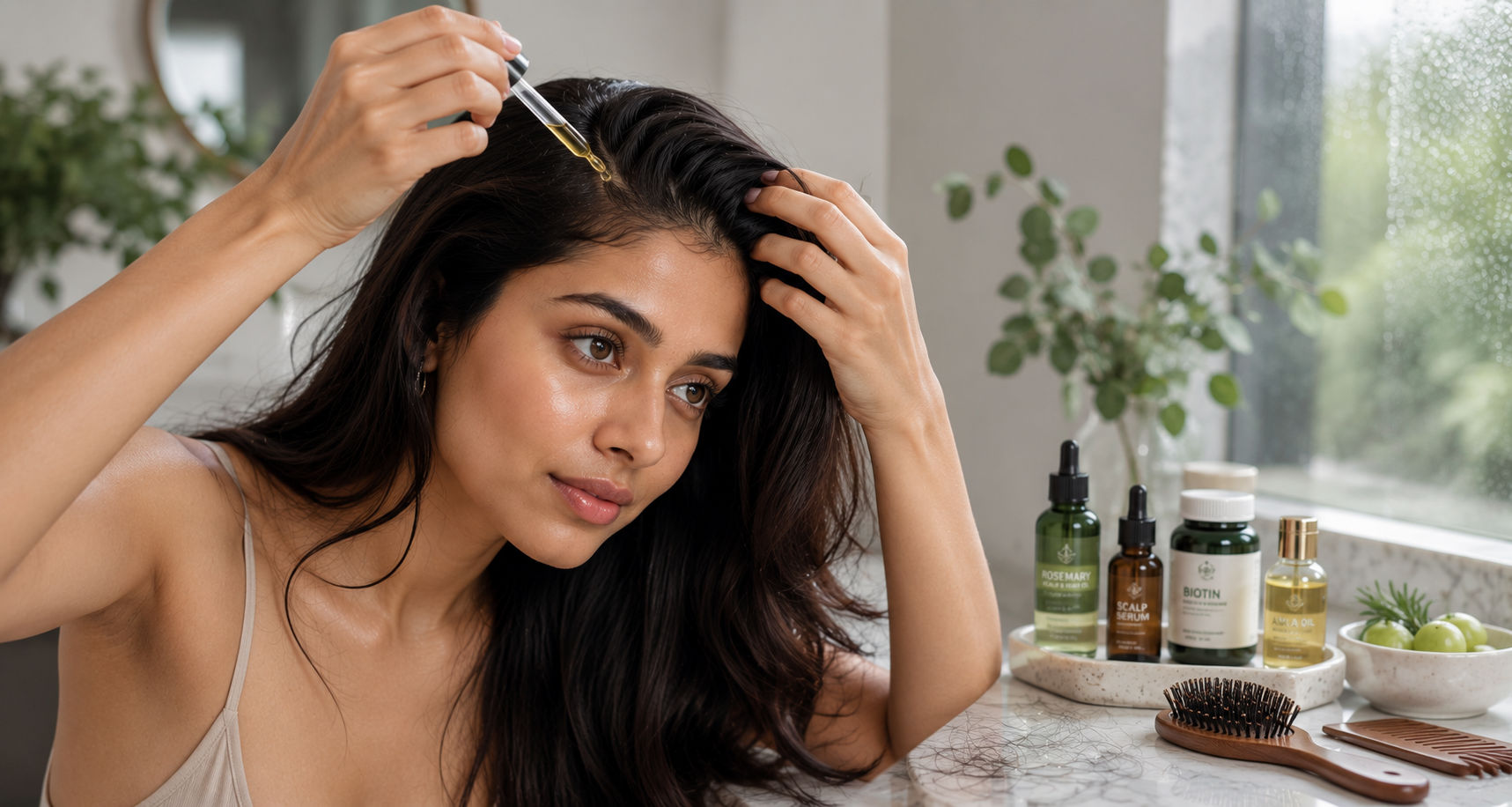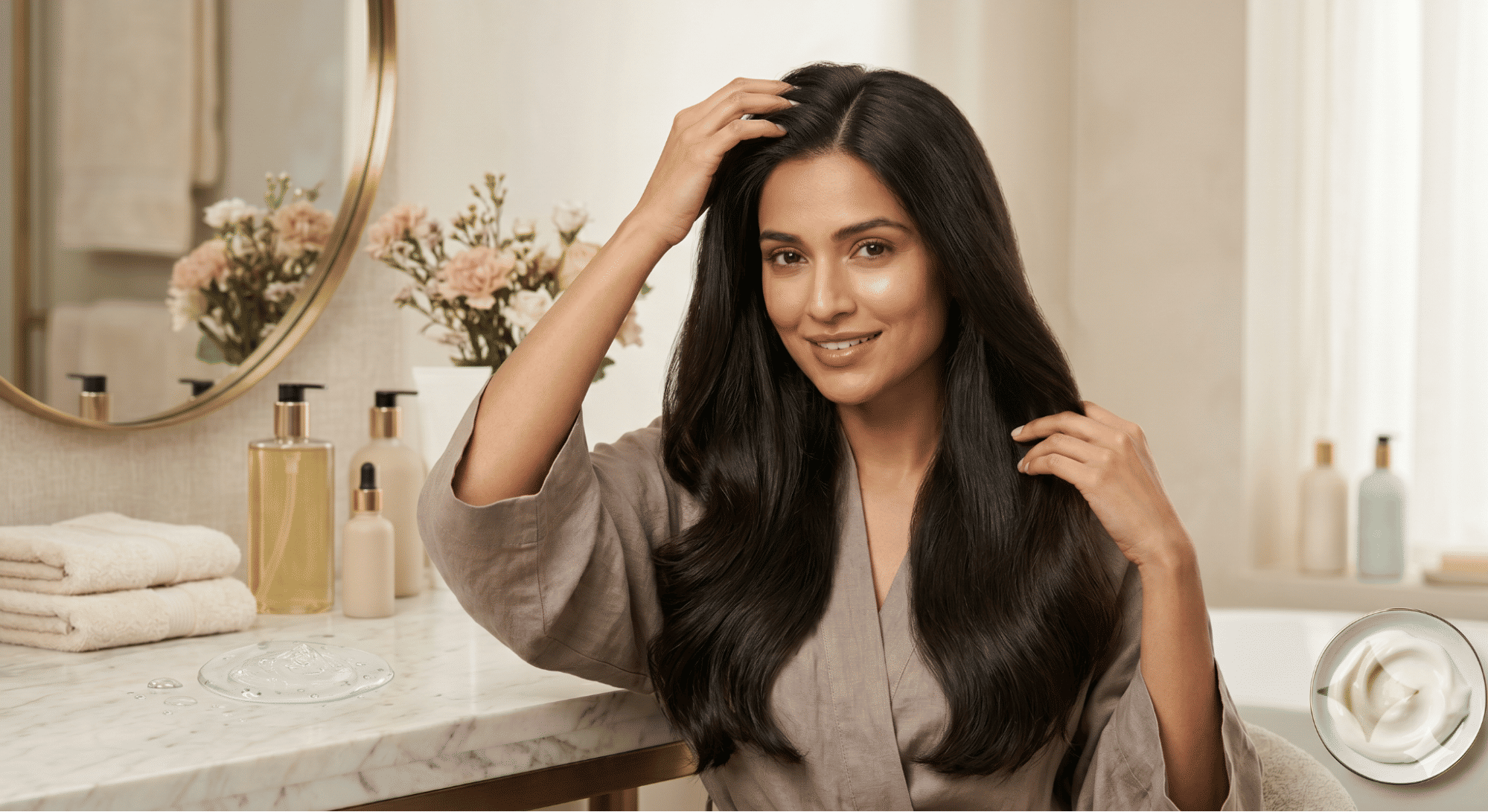
The best shampoos for this hair type cleanse excess oil without stripping moisture from the lengths. That’s why many people get better results from balancing formulas paired with targeted conditioning, rather than switching between shampoos designed only for oily or dry hair.
In This Story:
Having an oily scalp and dry hair can feel like your hair can't make up its mind.
You wash it in the morning and your roots feel fresh. A day later, they already look greasy again. Meanwhile, the ends still feel dry, rough, or slightly frizzy no matter what shampoo you buy.
That's usually when people start jumping between products. One month it's a shampoo for oily hair. The next month it's a moisturizing formula for dry hair.
Neither seems to solve both problems. The reason is simple: your scalp and your hair lengths often need different things.
Can You Really Have an Oily Scalp and Dry Hair?
In fact, it's one of the most common hair concerns people deal with.
Your scalp naturally produces oil to protect itself. Your ends don't have that advantage.
As hair gets longer, natural oils struggle to travel all the way down the hair shaft. That's why many people end up with:
- oily roots
- dry ends
- frizz through the lengths
- flat hair near the scalp
It feels contradictory, but it's completely normal.
Why Choosing the Wrong Shampoo Makes Things Worse
This is usually where the cycle starts. When roots get greasy quickly, many people reach for the strongest cleansing shampoo they can find.
At first, it feels like it's working. The scalp feels super clean.
Then a few washes later, the ends start feeling:
- rough
- tangled
- dry
- harder to manage
On the other hand, very rich moisturizing shampoos can leave oily roots feeling heavy after only a day or two.
That's why this hair type often responds best to balance rather than extremes.
What Type of Shampoo Works Best?
Most people do well with a balancing shampoo.
The goal isn't to completely remove every trace of oil.
It's simply to clean the scalp without making the rest of the hair feel stripped.
A good balancing shampoo usually leaves you with:
- fresh roots
- comfortable scalp
- manageable lengths
- less heaviness between washes
If your scalp feels clean but your hair still feels soft, you're usually heading in the right direction.
Should You Look for Hydrating Ingredients?
Yes, but lightweight hydration is usually the key.
Many shampoos designed for oily scalps now include ingredients that help support moisture without feeling heavy.
Common examples include:
- niacinamide
- hyaluronic acid
- glycerin
- amino acids
That said, ingredient lists only tell part of the story.
Sometimes the biggest clue is simply how your hair feels after a few washes.
Why Conditioner Still Matters
A surprising number of people skip conditioner because they assume it will make their scalp oilier.
Usually it doesn't. The trick is where you apply it.
Conditioner works best on:
- mid-lengths
- ends
- dry areas
It generally doesn't need to go directly onto the scalp.
This simple habit often helps dry lengths more than switching shampoos repeatedly.
Signs Your Shampoo May Be Too Harsh
Sometimes the shampoo itself becomes part of the problem.
A formula may be too strong if:
- your scalp feels tight after washing
- your hair tangles more easily
- your ends feel rough
- oil seems to return even faster than before
Many people don't realize that over-cleansing can sometimes trigger an endless cycle of oily roots and dry lengths.
A Quick Shampoo Guide
| What You Notice | What Usually Helps |
|---|---|
| Oily roots by Day 2 | Balancing shampoo |
| Dry ends | Conditioner on lengths |
| Flat hair | Lightweight formulas |
| Frizzy lengths | Leave-in care |
| Product buildup | Occasional clarifying wash |
The shampoo doesn't need to solve every hair concern on its own.
Are Rich Moisturizing Shampoos Always Better for Dry Hair?
That's where people with oily scalps often get frustrated.
A rich shampoo might make the ends feel softer, but it can also leave roots looking:
- flatter
- heavier
- greasy sooner
That's why many people find better results from combining:
- a lightweight balancing shampoo
- a good conditioner
- occasional deeper treatments when needed
Instead of relying on one product to do everything.
How Does Indian Weather Affect This Hair Type?
During summer and monsoon months, many people notice:
- increased scalp oiliness
- sweat buildup
- frizzier lengths
A very rich shampoo can sometimes feel overwhelming during these seasons.
Lighter formulas often feel more comfortable when temperatures and humidity rise.
That's one reason why a shampoo that works perfectly in winter may feel completely different in May or June.
Stop Treating Your Scalp and Hair Like They're the Same
This is often the biggest breakthrough. Your scalp and your ends are different parts of your hair. They don't always need identical care.
A simple way to think about it is:
- Shampoo is mainly for the scalp.
- Conditioner is mainly for the lengths.
Once people start separating those two jobs, their routine usually becomes much easier.
How Do You Know You've Found the Right Shampoo?
Your scalp feels clean. Your roots don't become greasy immediately. Your ends don't feel stripped. Your hair feels easier to manage overall.
Just hair that behaves a little better between wash days. And honestly, that's usually a better sign than any promise printed on the bottle.
Frequently Asked Questions
-
Can I have an oily scalp and dry hair at the same time?
Yes. It's extremely common and happens because the scalp produces oil while the hair lengths often don't receive enough of it.
-
What shampoo is best for oily roots and dry ends?
A balancing shampoo that cleans the scalp effectively without leaving the lengths feeling stripped usually works best.
-
Should I skip conditioner if my scalp gets oily?
No. Most people benefit from conditioner. Just focus it on the mid-lengths and ends rather than the scalp.
-
Why does my scalp become oily so quickly?
Natural oil production, weather, sweat, product buildup, and genetics can all contribute.
-
Do I need a clarifying shampoo?
Sometimes. If your scalp feels weighed down by buildup, an occasional clarifying wash may help.
-
Why do my ends stay dry even when my scalp is oily?
Natural scalp oils often don't travel all the way down longer hair strands, which can leave the ends feeling drier.
-
Can using a harsh shampoo make oily roots worse?
In some cases, yes. Over-cleansing may leave the scalp feeling stripped and can make managing oiliness more difficult over time.