Hair cycling is simply about changing your wash-day routine based on what your hair needs instead of using the exact same products every time.

In This Story:
- What Hair Cycling Really Means
- Why Hair Cycling Became Popular
- Why Hair Needs Different Care
- A Simple Hair Cycling Routine
- Why Moisture Wash Days Matter
- Why Scalp Reset Days Help
- Why Repair Wash Days Matter
- Hair Cycling By Hair Type
- Signs Your Routine Needs A Change
- The Biggest Hair Cycling Mistake
- How Weather Changes Hair Needs
- Do You Need Multiple Shampoos?
- Is Hair Cycling Worth Trying?
- FAQs
A lot of hair trends sound complicated until someone explains them properly.
Hair cycling is one of those trends. The name makes it sound like you need a detailed schedule, multiple shampoos, and a bathroom shelf packed with products. In reality, the idea is much simpler.
Hair cycling is just rotating your hair products based on what your hair needs instead of using the exact same routine every time you wash it.
Because let's be honest your hair doesn't feel the same every week.
Sometimes your roots get oily faster than usual. Sometimes your lengths feel dry. Sometimes your scalp feels perfectly clean, but your ends need extra moisture. Hair cycling is built around that idea.
So, What Is Hair Cycling?
Hair cycling means changing the focus of your wash days.
Instead of reaching for the same shampoo and conditioner every single time, you switch between routines depending on what your hair needs at that moment.
For example:
One wash might focus on hydration.
The next wash might focus on scalp cleansing.
Another wash might focus on strengthening or repairing the hair.
You aren't changing products for the sake of it.
You're simply responding to what your hair is telling you.
Why Did Hair Cycling Become Popular?
A lot of people noticed something interesting.
Even products they genuinely liked didn't always give the same results month after month.
Hair would start feeling:
- Heavy at the roots
- Dry at the ends
- Less shiny than usual
- Harder to style
- Greasy sooner after washing
The first reaction is often to blame the shampoo.
But sometimes the issue isn't the product.
Sometimes the hair simply needs something different.
That's where hair cycling comes in.
Your Hair Doesn't Need the Same Thing Every Wash Day
Think about your skin for a moment.
You probably don't use a heavy moisturizer every day of the year.
During some seasons your skin needs more hydration. During others it feels perfectly fine with lighter products.
Hair works in a similar way.
A routine that feels amazing one week may feel too heavy the next.
Instead of forcing one routine to do everything, hair cycling allows you to adjust.
A Simple Way to Try Hair Cycling
You don't need six shampoos.
You don't need a complicated calendar.
Most people can start with three basic wash focuses.
Wash Day One: Moisture
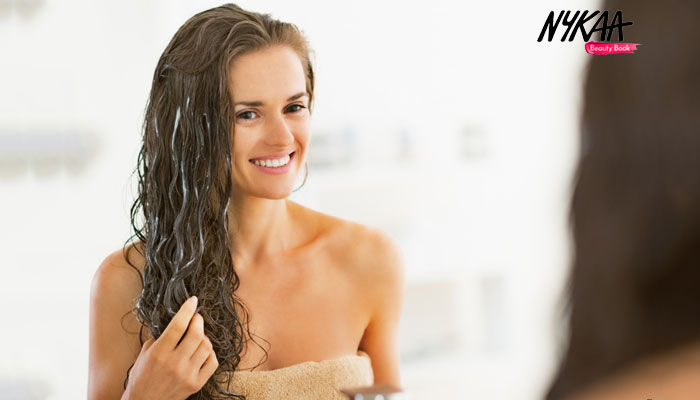
This wash is all about softness.
You might use:
- A moisturizing shampoo
- A nourishing conditioner
- A hydrating mask if your hair feels dry
This wash is particularly good for hair that feels rough, frizzy or is lacking shine.
Wash Day Two: Scalp Reset
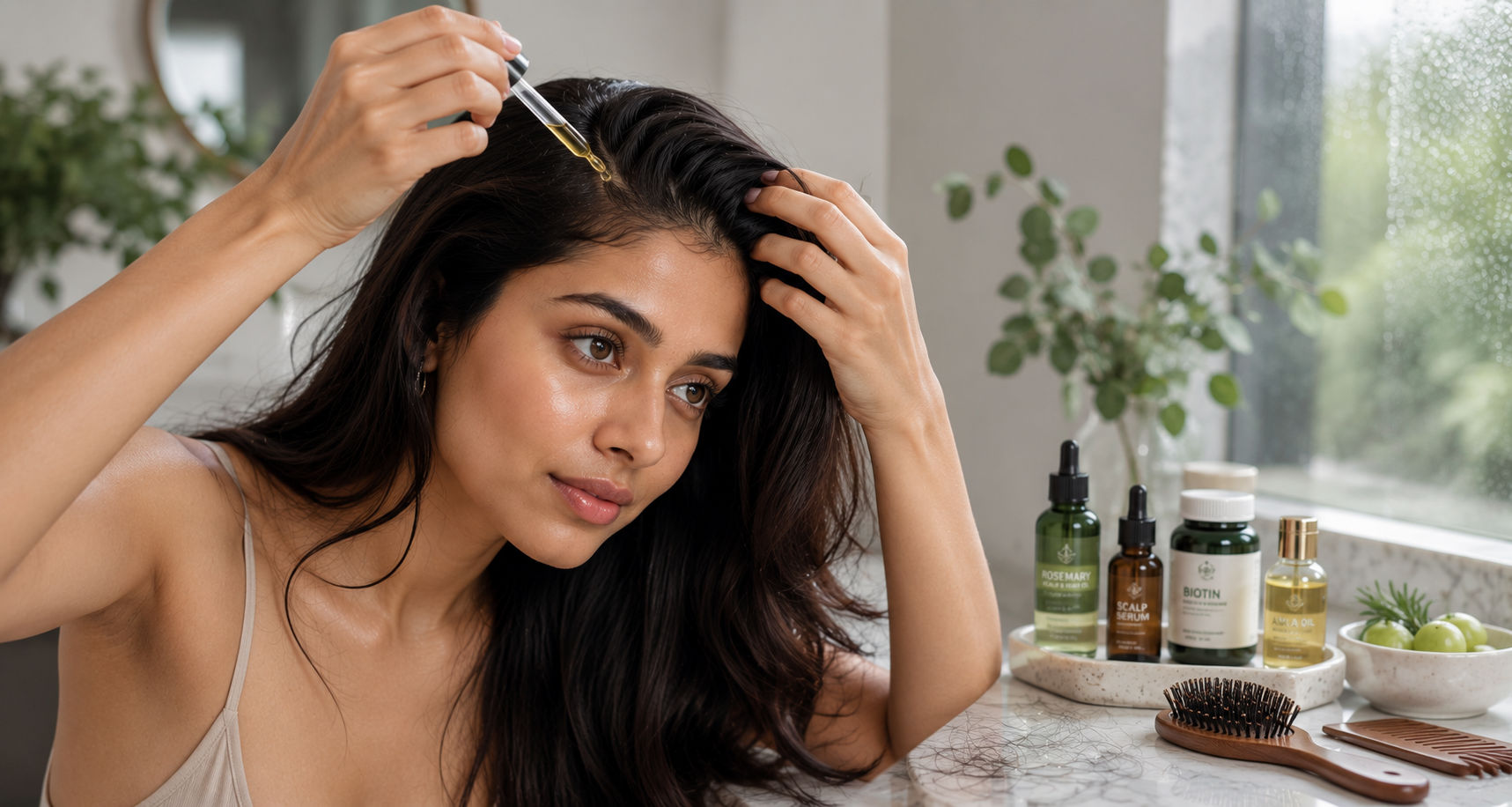
This wash focuses on the scalp rather than the lengths.
You might use:
- A clarifying shampoo
- A scalp-focused cleanser
- A lighter conditioner
This helps remove oil, sweat, styling product residue, and general buildup.
Many people notice their hair feels lighter afterward.
Wash Day Three: Repair
This wash focuses on strengthening the hair.
You might use:
- A strengthening mask
- A bond-repair treatment
- A protein-based product if your hair needs it
People who color, bleach, or heat-style their hair regularly often include this type of wash in their routine.
Hair Cycling Looks Different for Everyone
This is where some people get confused.
There isn't one perfect schedule.
Someone with curly hair won't necessarily follow the same routine as someone with fine, oily hair.
For example:
If You Have Oily Hair
You may prefer more scalp-focused wash days.
Your cycle might include regular clarifying sessions to keep buildup under control.
If You Have Dry Hair
Hydration may become the priority.
You may find yourself repeating moisturizing routines more often than repair-focused ones.
If You Have Curly Hair
Moisture usually plays a bigger role.
Many curly-haired people naturally spend more time on hydration than deep cleansing.
If You Have Color-Treated Hair
A mix of moisture and repair often works best.
Hair that's been colored or chemically processed usually benefits from both.
Signs Your Current Routine Might Need a Change
Sometimes hair gives pretty obvious hints.
You may notice:
- Roots becoming oily quickly
- Ends feeling dry
- Hair looking flat after washing
- Lack of bounce or movement
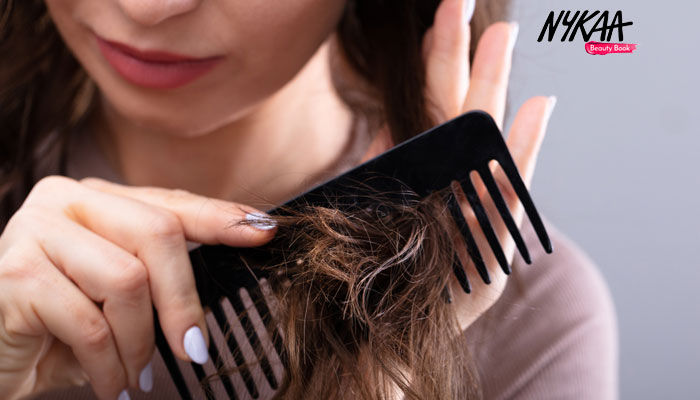
- Product buildup
- Frizz that seems worse than usual
These signs are not signs that your products need to change.
Sometimes your routine simply isn't matching your hair current needs.
The Biggest Mistake People Make
Overcomplicating everything.
This happens constantly.
Someone hears about hair cycling and suddenly buys:
- Three shampoos
- Four masks
- Multiple serums
- Several treatments
Then the routine becomes impossible to maintain.
The reality is much less exciting.
Most people can build a useful hair cycling routine with just a few products that serve different purposes.
Simple usually wins.
Weather Changes Everything
One reason hair cycling makes sense is because hair changes throughout the year.
During Summer
Heat, sweat, and humidity often make the scalp feel oilier.
Many people naturally lean toward scalp-cleansing products more often.
During Monsoon
Frizz tends to become the main complaint.
Hair may feel heavier, flatter, or harder to style.
During Winter
Dryness usually becomes more noticeable.
Hair often benefits from richer conditioners and extra hydration.
That's why a routine that worked perfectly in January might feel completely different in May.
Do You Need Multiple Shampoos?
Not necessarily.
Some people rotate between only two.
For example:
- One moisturizing shampoo
- One clarifying shampoo
That's enough to create a basic cycle.
Others add a treatment mask once every week or two.
The point isn't collecting products.
The point is giving your hair different types of care when it needs them.
Is Hair Cycling Actually Worth Trying?
For most people, it's worth experimenting with.
Not because it's a miracle trend.
Not because it guarantees perfect hair.
But because it encourages you to pay attention.
Instead of automatically using the same routine every wash day, you start noticing what your hair actually needs.
Some weeks your hair feels dry.
Some weeks your scalp feels oily.
Some weeks everything feels balanced and a simple wash is enough.
Hair cycling is really just a more flexible way of approaching hair care.
And sometimes that flexibility is exactly what makes a routine work better.
Frequently Asked Questions
-
What is hair cycling?
Hair cycling is the practice of rotating hair products and treatments based on your hair's changing needs instead of following the same routine every wash day.
-
Does hair cycling work?
Many people find that alternating between hydration, scalp care, and repair routines helps their hair feel more balanced.
-
How often should I do hair cycling?
There isn't a fixed schedule. Most people naturally rotate products across multiple wash days depending on how their hair feels.
-
Do I need lots of products?
No. A moisturizing shampoo, a clarifying shampoo, and an occasional treatment are often enough to get started.
-
Is hair cycling good for oily hair?
Yes. Many people with oily scalps use hair cycling to balance cleansing and moisture without making the hair feel stripped.
-
Can hair cycling help with buildup?
It can. Including occasional scalp-cleansing or clarifying wash days may help remove excess product residue and oil.