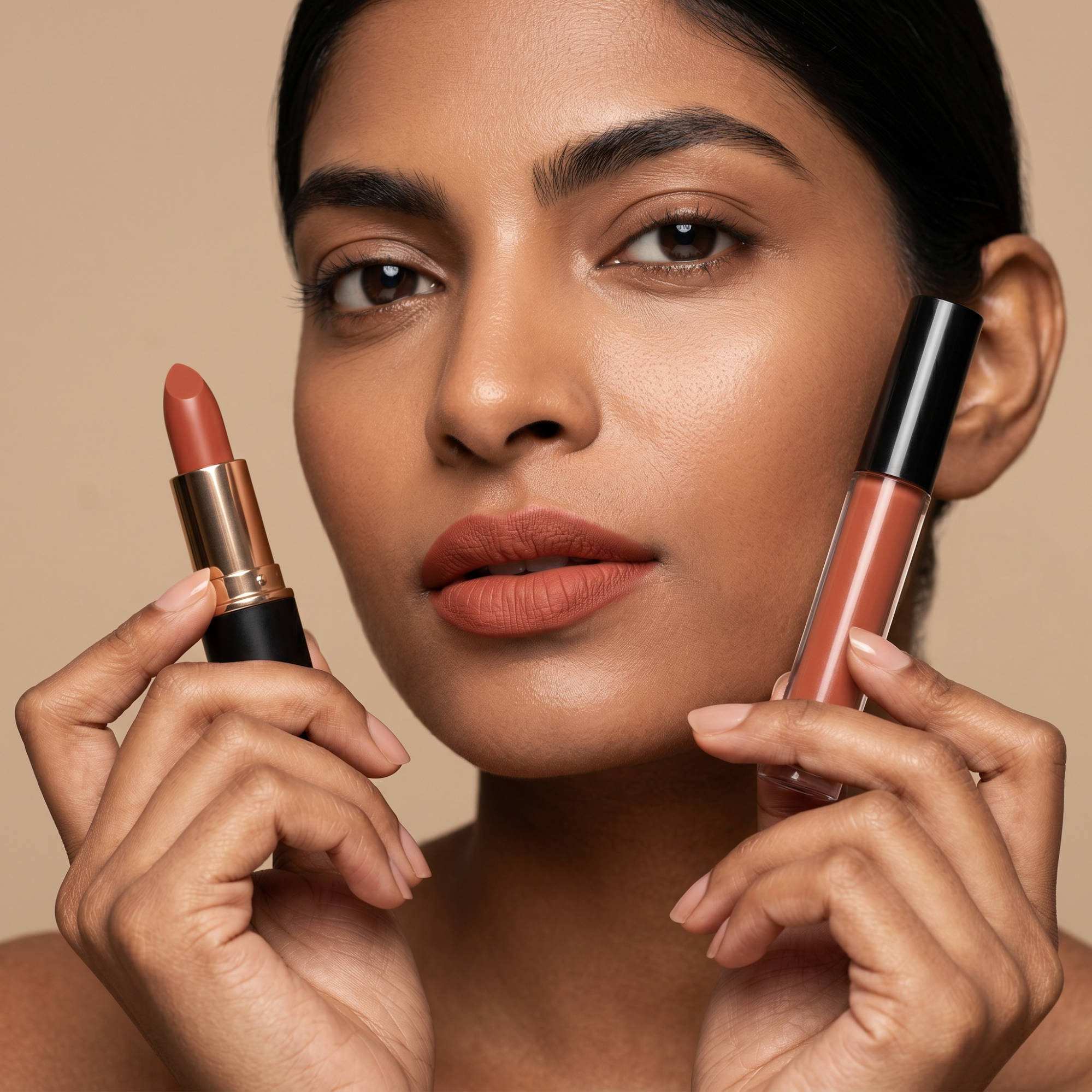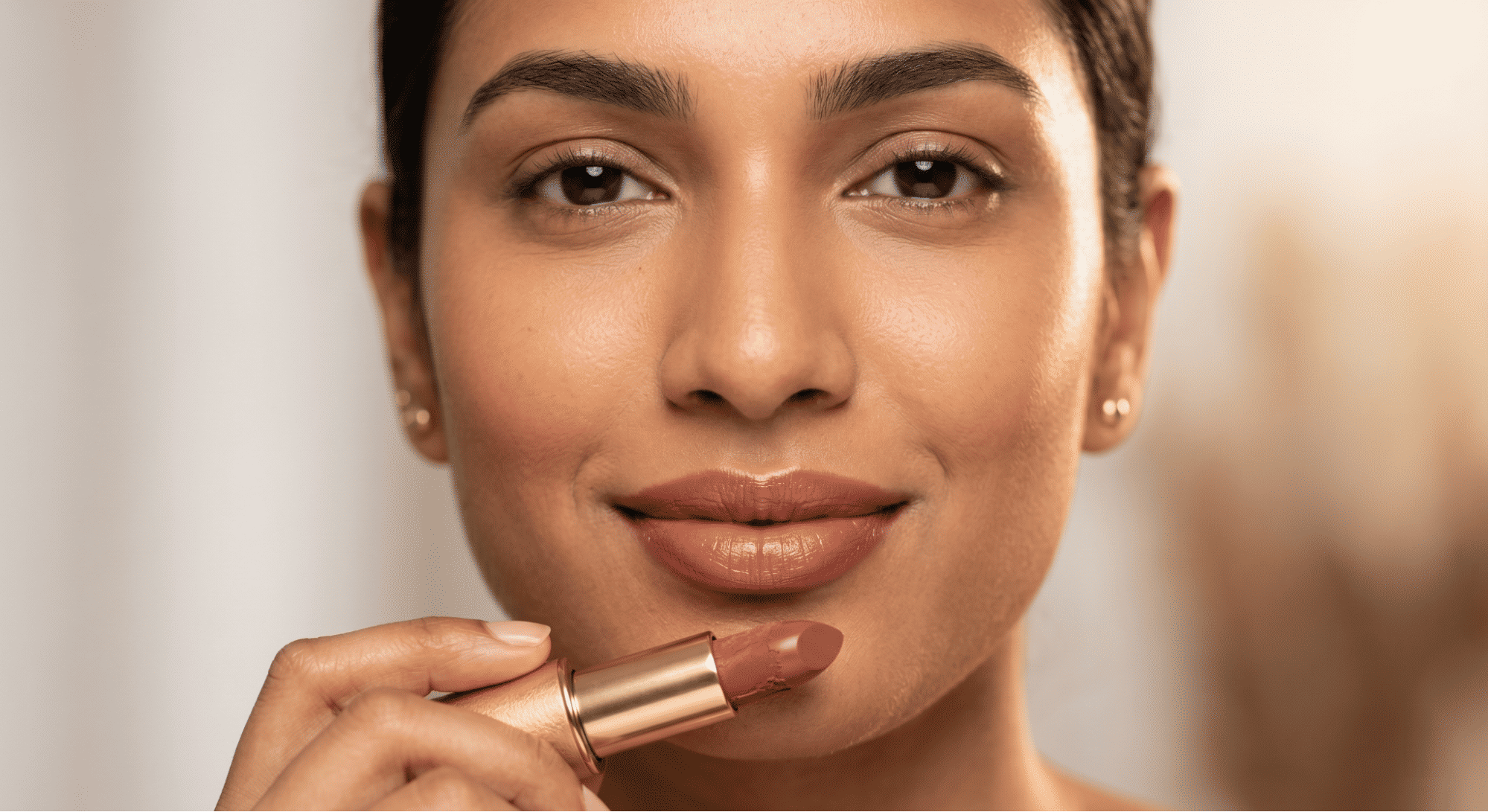
Even good lipsticks can start looking uneven when they cling to dry areas or build up too heavily through the day. That's why lighter application, simple lip prep and softer matte textures usually help lipstick wear more smoothly, evenly and comfortably for longer.
There's a very specific kind of disappointment that comes with lipstick looking perfect at first… and then completely falling apart an hour later.
You apply it, everything looks smooth, the color looks even, and then suddenly:
- The center starts cracking
- Dry lines become visible
- Some areas look darker than others
- The lipstick fades unevenly around the lips
And somehow the more you try to fix it, the worse it starts looking.
That's usually when people blame the lipstick immediately.
And honestly, sometimes the formula is the issue.
But a lot of the time, it's actually the condition of the lips underneath.
In This Story:
- Why Dry Lips Cause Cracking
- Why Thick Layers Look Worse
- Why Some Formulas Feel Patchy
- Why Lip Prep Matters
- Why Matte Lipsticks Show Dryness
- Ingredients That Affect Lipstick Wear
- How Weather Changes Lipstick
- Why Reapplying Too Much Backfires
- Why Soft Matte Lipsticks Feel Better
- Frequently Asked Questions
Dry Lips Change How Lipstick Sits Almost Instantly
This is probably the biggest reason lipstick starts looking cracked or patchy.
Even lips that look "fine" can still have tiny dry areas that lipstick catches onto immediately.
Especially with matte formulas, the color tends to:
- Grab onto flaky spots
- Skip smoother areas
- Set unevenly across the lips
Then once you start talking, eating, or moving your lips, the cracks become more visible.
That's why lipstick cracking usually starts with dryness underneath, not just the lipstick itself.
Thick Layers Usually Crack Faster
This part surprises people because it feels like adding more product should make lipstick look smoother.
But usually the opposite happens.
A thick lipstick layer tends to:
- Set unevenly
- Collect into lip lines faster
- Feel heavier after a while
- Crack more once lips move naturally
Thin layers almost always wear better.
Especially with:
- Matte lipstick
- Long-wear formulas
- Transfer-proof textures
Usually, lighter application gives a softer and smoother finish overall.
Some Lipstick Formulas Simply Don't Suit Certain Lips
This part gets overlooked constantly.
A lipstick that looks smooth on someone else may still look patchy on you because everyone's lip texture is different.
Some formulas naturally:
- Cling to dry patches
- Separate unevenly
- Fade oddly after eating
- Emphasise lip lines more
So sometimes it's not poor application, it's just the formula reacting differently to your lip texture.
That's honestly very normal.
Lip Prep Matters More Than People Expect
This is usually the biggest thing that changes how lipstick wears.
And honestly, it doesn't need to be complicated.
Usually enough:
- Gently remove flaky skin
- Apply a light lip balm beforehand
- Let it settle briefly
- Wipe away excess balm before lipstick
That small prep step usually helps lipstick sit more evenly almost immediately.
Too much balm underneath can create the opposite problem though:
- Lipstick sliding around
- Uneven fading
- Reduced wear time
So balance matters more than heavy hydration right before application.
Matte Lipsticks Usually Show Dryness Faster
This is why matte formulas get blamed the most for cracking.
Because matte lipstick sets more firmly on the lips, any dryness underneath becomes much more noticeable once the formula settles.
Especially:
- Powder matte formulas
- Extremely transfer-proof lipsticks
- Ultra-flat matte textures
Soft matte and creamy matte finishes usually stay smoother-looking longer because they move more naturally with the lips.
Ingredients and Texture Affect Wear More Than You Think
Comfortable lipstick usually comes down to texture balance.
| Ingredient / Texture | What It Usually Helps With |
|---|---|
| Vitamin E | Helps lips feel softer |
| Lightweight oils | Reduce dryness feeling |
| Silicone-based formulas | Smoother application |
| Soft matte finish | Less visible cracking |
| Thick powder matte | Can look patchy faster |
Usually, flexibility matters more than extremely dry long wear.
Weather Changes How Lipstick Behaves
This becomes obvious once seasons change.
The same lipstick can suddenly start cracking more because your lips themselves changed.
Usually:
| Weather Condition | What Often Happens |
|---|---|
| Dry weather | Cracking becomes more visible |
| Winter | Lips become flaky faster |
| Humid weather | Lipstick stays smoother longer |
| Air-conditioned spaces | Lips dry out through the day |
So sometimes the lipstick itself isn't different your lips are simply drier than usual.
Adding More Lipstick Rarely Fixes Patchiness
This happens constantly.
Once lipstick starts cracking, most people instinctively apply another thick layer on top.
But usually that only:
- Makes texture heavier
- Emphasises dryness more
- Creates uneven buildup
A softer fix usually works better:
- Blot gently
- Smooth uneven areas lightly
- Reapply a thin fresh layer instead
Less product usually looks cleaner and more natural.
Soft Matte Finishes Usually Wear Better Daily
This is something a lot of people slowly move toward.
Very flat ultra-matte lipstick can sometimes:
- Look harsher
- Crack faster
- Feel uncomfortable after a few hours
Soft matte finishes usually:
- Fade more naturally
- Feel lighter
- Look smoother through the day
And honestly, they tend to feel much easier for regular daily wear too.
Frequently Asked Questions
-
Why is my lipstick cracking on my lips?
Usually because of dry lips, thick lipstick layers or very matte long-wear formulas.
-
How can I fix patchy lipstick?
Light lip prep, thinner application and gentle reapplication usually help the most.
-
Why does matte lipstick look uneven sometimes?
Matte formulas cling more strongly to dry areas and lip texture.
-
Can lip balm help stop lipstick cracking?
Yes, but using too much balm underneath can make lipstick slide or fade unevenly.
-
Do some lipstick formulas crack more easily?
Yes. Extremely dry transfer-proof matte formulas usually crack more easily than softer matte textures.