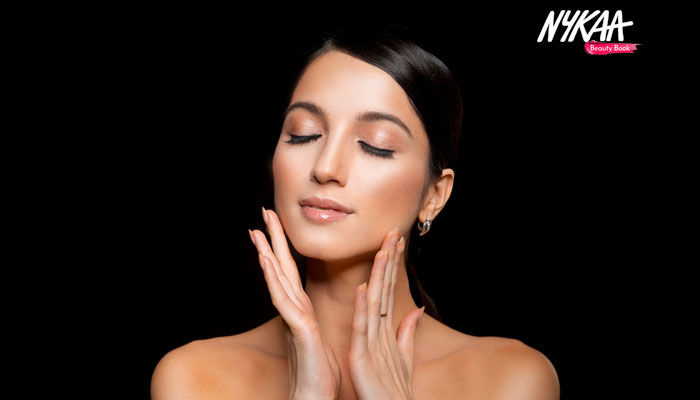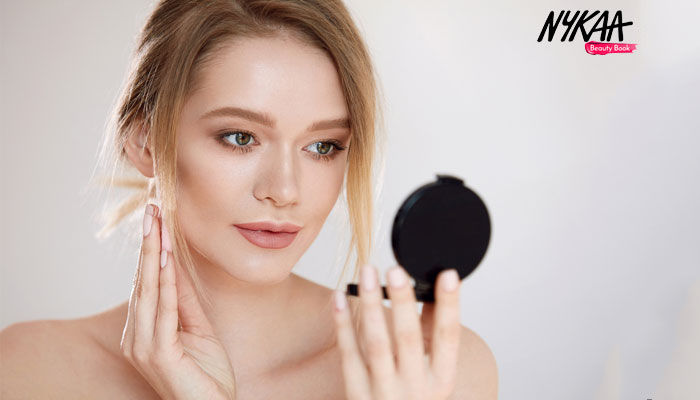
Some foundations can start looking patchy or cling to dry areas after a few hours, especially when the formula feels too flat or powdery. That's why many people with dry skin now prefer softer satin, serum and skin-like foundations that blend more naturally and stay comfortable through the day.
Dry skin and foundation don't always get along easily.
Sometimes your makeup looks smooth for the first half hour, then suddenly it starts catching around the nose, clinging to dry patches, or making your skin look tighter than it actually feels. And the more foundation you add to "fix" it, the heavier everything starts looking.
That's usually why people with dry skin stop chasing ultra-matte coverage and start looking for formulas that feel softer, lighter, and easier to wear through the day.
In This Story:
- Why Dry Skin Needs Softer Formulas
- Why Matte Foundations Look Patchy
- Why Skin Prep Matters
- Why Thin Layers Work Better
- Dewy Vs Greasy Foundation
- Best Foundation Textures For Dry Skin
- Ingredients That Help Dry Skin
- How Weather Changes Foundation
- Why Too Much Powder Looks Dry
- Why Skin-Like Makeup Looks Better
- When Foundation Melts Into Skin
- FAQs
Dry skin usually needs flexibility more than heavy coverage
This is where a lot of foundation routines go wrong.
A good hydrating foundation for dry skin isn't only about adding glow. It's more about helping makeup move naturally with your skin instead of sitting stiffly on top of it.
Hydrating formulas usually:
- feel softer on the skin
- blend more evenly
- cling less to flaky areas
- wear more naturally over time
That softer finish tends to look better in real daylight too.
Matte foundations can make dry areas look more obvious
Especially around:
- the nose
- smile lines
- chin
- forehead
Very matte formulas often hold onto texture faster, which is why dry skin can suddenly look patchy after a few hours.
That doesn't mean matte foundation is always bad for dry skin. But ultra-flat finishes usually need much more prep to stay smooth.
Soft satin or natural finishes tend to feel easier for daily wear.
Skin prep changes how foundation looks through the day
This honestly matters almost as much as the foundation itself.
If your skin underneath feels dehydrated, even expensive makeup can start separating or clinging unevenly.
A simple prep routine usually works best:
- lightweight moisturizer
- sunscreen
- giving skincare a minute to settle
Too many thick layers underneath can make foundation slide around later, so balance matters.
Thin layers almost always look smoother
A lot of people try to cover dryness with more product.
But thicker foundation usually:
- settles into lines faster
- emphasizes flakes
- feels heavier after a few hours
Using smaller amounts and building coverage gradually tends to create a much smoother finish.
Especially around the center of the face.
Dewy doesn't always mean greasy
This part confuses people sometimes.
A healthy glow on dry skin usually looks softer and fresher not oily.
That's why dewy foundation for dry skin keeps getting recommended. It helps skin look more comfortable and less flat.
The key is choosing formulas with balanced hydration instead of overly shiny finishes.
Certain foundation textures usually work better for dry skin
These textures tend to feel more comfortable:
- serum foundations
- satin-finish liquid foundations
- lightweight creamy foundations
- skin tints with hydration
Powder-heavy matte formulas usually show texture faster, especially during winter or in AC environments.
Ingredients that usually help dry skin foundations feel smoother
| Ingredient | What It Usually Helps With |
|---|---|
| Hyaluronic Acid | Adds lightweight hydration |
| Glycerin | Helps reduce tightness |
| Squalane | Adds softness and flexibility |
| Vitamin E | Improves comfort |
| Lightweight Oils | Help makeup move more naturally |
Usually the overall formula matters more than one ingredient alone.
Weather changes how foundation behaves
This becomes obvious pretty quickly through the year.
| Condition | What Usually Feels Better |
|---|---|
| Winter | Richer hydrating foundations |
| Dry heat | Satin finish formulas |
| Humid weather | Lightweight dewy textures |
| AC environments | Flexible moisturizing formulas |
So the same foundation can feel completely different depending on the season.
Too much powder is usually where makeup starts looking dry
A little powder can help makeup last longer.
But too much often:
- emphasizes flaky areas
- dulls the finish
- makes foundation look tighter
Most dry skin routines work better with minimal powder or powder only in specific areas.
Skin-like makeup usually looks better than heavy coverage
This is where foundation trends shifted recently.
People still want smoother-looking skin, but not necessarily thick full-coverage makeup anymore.
A softer finish usually looks more natural because real skin still has:
- texture
- movement
- pores
- slight unevenness
And honestly, that tends to look better in everyday lighting.
When foundation suits dry skin properly, it almost melts into the face
That's usually the difference.
- Skin still looks soft
- Dry patches don't stand out immediately
- Makeup fades naturally instead of cracking
- The finish stays comfortable for longer
You stop noticing the foundation itself.
Frequently Asked Questions about Hydrating Foundations for Dry Skin That Don’t Look Patchy
-
What type of foundation is best for dry skin?
Hydrating, satin, or lightweight dewy foundations usually work best because they move more comfortably with dry skin.
-
Why does foundation look patchy on dry skin?
Dry patches and dehydration make foundation cling unevenly, especially with matte formulas.
-
Are dewy foundations better for dry skin?
Usually yes. Dewy or satin finishes tend to look softer and more natural on dry skin.
-
How do I stop foundation from clinging to flaky skin?
Balanced moisturizing, gentle exfoliation, and applying thinner foundation layers usually help the most.
-
How do makeup artists prep dry skin before foundation?
Usually with lightweight hydration, moisturizer, and allowing skincare to settle before applying makeup.
-
Which foundation finish looks most natural on dry skin?
Soft satin or skin-like finishes usually look the most natural because they keep some natural dimension in the skin.
-
Why does my foundation look dry after a few hours?
Dry skin often loses moisture through the day, which can make makeup cling more strongly to texture later on.