Matte Blushes That Don't Look Dry or Patchy on Skin?
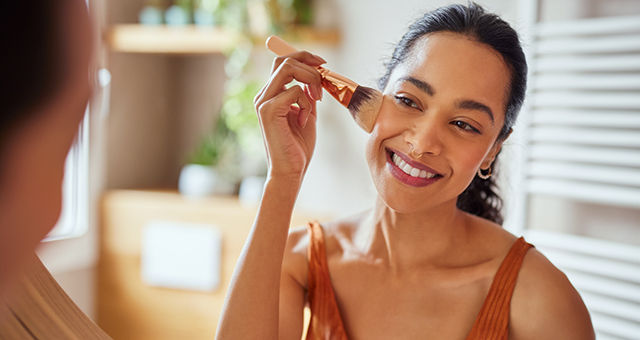
Older matte blush formulas could sometimes look patchy or cling to texture quickly, especially on dry skin. That's why newer soft matte, satin-matte and cream-to-matte blushes are becoming more popular for everyday makeup because they blend more naturally and keep the skin looking fresh instead of flat.
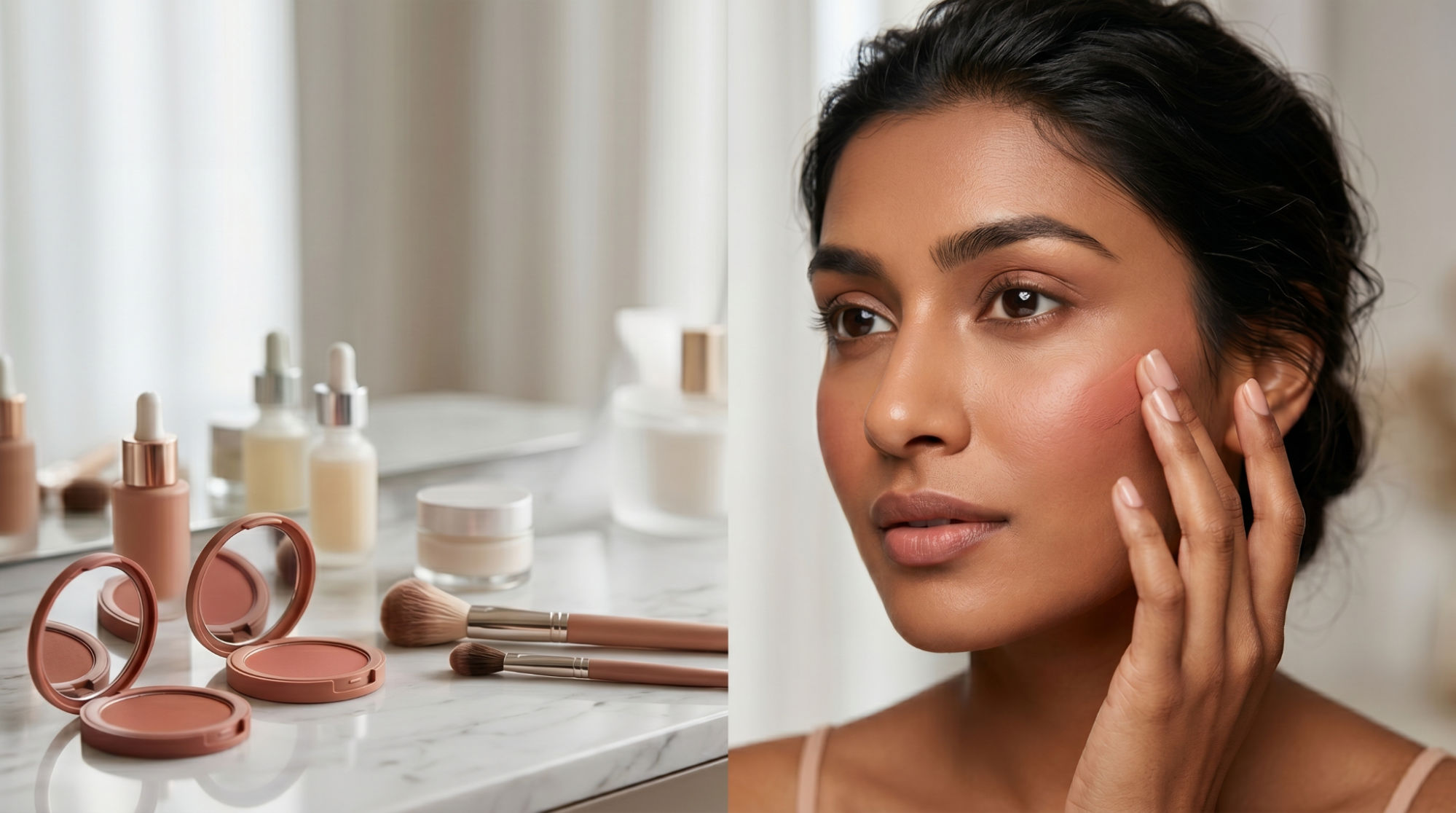
Matte blush used to feel a little risky sometimes.
It could look smooth in the compact, then suddenly turn patchy, chalky, or overly dry once it touched the skin. Especially on textured or dehydrated skin, matte blush had a habit of looking obvious very quickly.
That's why softer matte blush formulas became much more popular recently.
People still want that clean matte finish, but they want it to look natural and skin-like instead of flat or dusty.
The best matte blush now usually blends into the skin instead of sitting heavily on top of it.
In This Story:
- Why Matte Blush Feels Better Now
- Why Dry Skin Looks Patchy Faster
- Why Too Much Blush Looks Uneven
- Why Creamy Matte Works Better
- Why Skin Prep Matters
- Which Matte Blush Textures Wear Best
- How Weather Changes Matte Blush
- Why Too Many Matte Layers Look Flat
- Why Blending Matters More
- What Makes Matte Blush Look Natural
- FAQs
Modern matte blushes feel softer than older formulas
This is probably the biggest difference now.
Older matte blushes often looked:
- very powdery
- extremely flat
- difficult to blend naturally
- dry after a few hours
Newer formulas usually feel:
- smoother
- silkier
- easier to diffuse
- more natural in daylight
A good matte blush now usually gives soft color instead of obvious powder sitting on the cheeks.
That softer finish is what makes matte blush feel wearable daily again.
Dry skin usually notices patchiness faster
This happens especially on textured or dehydrated areas.
If the skin underneath feels:
- dry
- flaky
- overly powdered
- tight from matte foundation
matte blush can grab unevenly almost immediately.
That's why skin prep matters much more than people expect with matte blush.
Balanced hydration underneath usually makes blush blend more evenly.
Too much blush usually causes patchiness
This happens often with highly pigmented formulas.
People apply more product trying to blend it smoother, but thicker layers usually:
- stick unevenly
- become harder to diffuse
- emphasize texture faster
- make cheeks look heavier
Usually softer layers built gradually look much smoother and more natural.
Especially in daylight.
Creamy matte textures usually wear better now
This is where modern formulas improved a lot.
Some matte blushes now include:
- silky powders
- blurring ingredients
- lightweight oils
- cream-to-powder textures
So the blush still looks matte, just not dry or dusty.
That difference becomes very noticeable after a few hours of wear.
Skin prep changes how blush blends
Usually a balanced base works best:
- moisturizer
- sunscreen
- foundation properly settled first
If the skin underneath is:
- too wet
- too oily
- too powdery
- too dry
the blush can start skipping or blending unevenly.
Balanced skin prep almost always gives smoother blush application.
Different matte blush textures wear differently
| Blush Texture | What It Usually Looks Like |
|---|---|
| Soft matte powder | Smooth natural finish |
| Blurring matte blush | Softer-looking skin texture |
| Cream-to-matte blush | More skin-like blending |
| Powder-heavy matte | Drier flatter finish |
| Satin matte | Slightly fresher appearance |
Usually softer matte finishes look the most natural for everyday makeup.
Indian weather changes how matte blush wears
Weather affects powder textures more than people realize.
| Condition | What Usually Feels Better |
|---|---|
| Humid weather | Soft matte blush |
| Dry weather | Cream-to-matte textures |
| Winter | Satin matte finishes |
| Peak summer | Lightweight powder matte |
Very dry powder blushes usually become more patchy during colder or dehydrating weather.
Too many matte layers can make makeup look flat
This is where makeup sometimes starts looking heavy.
A routine with:
- matte foundation
- heavy powder
- dry matte blush
can remove too much natural dimension from the skin.
That's why softer matte finishes usually look fresher now compared to extremely flat powder-heavy makeup.
Skin still having a little natural texture usually looks more flattering in real life.
Blending matters as much as the blush formula
Honestly, even good blush can look patchy if it's applied too heavily in one spot.
Usually better:
- build slowly
- blend outward softly
- start with lighter layers first
That almost always creates a smoother result than applying too much blush immediately.
Good matte blush should still look soft on the skin
That's usually the goal now.
- No obvious powder sitting on top
- No patchy cheek areas
- Color looks blended naturally into the face
- Skin still looks fresh instead of overly matte
When matte blush is done well, it almost looks like natural color coming through the skin instead of makeup sitting over it.
Frequently Asked Questions
-
What is the best matte blush for daily wear?
Usually soft matte or satin-matte blushes look the most natural for everyday makeup.
-
Why does matte blush look patchy?
Dry skin, overly powdery formulas, or applying too much product usually causes patchiness.
-
Can dry skin wear matte blush?
Yes, especially softer matte or cream-to-matte blush formulas.
-
How do I make matte blush blend smoothly?
Use lighter layers and balanced skin prep underneath the makeup.
-
Are matte blushes better for oily skin?
Usually yes, because they help reduce excess shine throughout the day.
-
Why does blush cling to dry patches?
Powder-heavy formulas tend to grip unevenly on dehydrated skin areas.
-
Which blush finish looks most natural daily?
Soft matte, satin matte, and cream-to-matte finishes usually look the most skin-like.
-
Can too much powder make blush look worse?
Yes. Excess powder can make blush appear flat, patchy, and overly dry.