In This Story:
- What Matte Foundations Do Better
- Why Hydrating Foundations Feel Softer
- Is Matte Always Better For Oily Skin?
- Can Hydrating Foundations Look Too Shiny?
- Choosing Based On Skin Type
- Why Modern Foundations Feel More Balanced
- Why Skin Prep Matters
- How Weather Changes Foundation Wear
- Why Skin-Like Makeup Looks Better
- FAQs
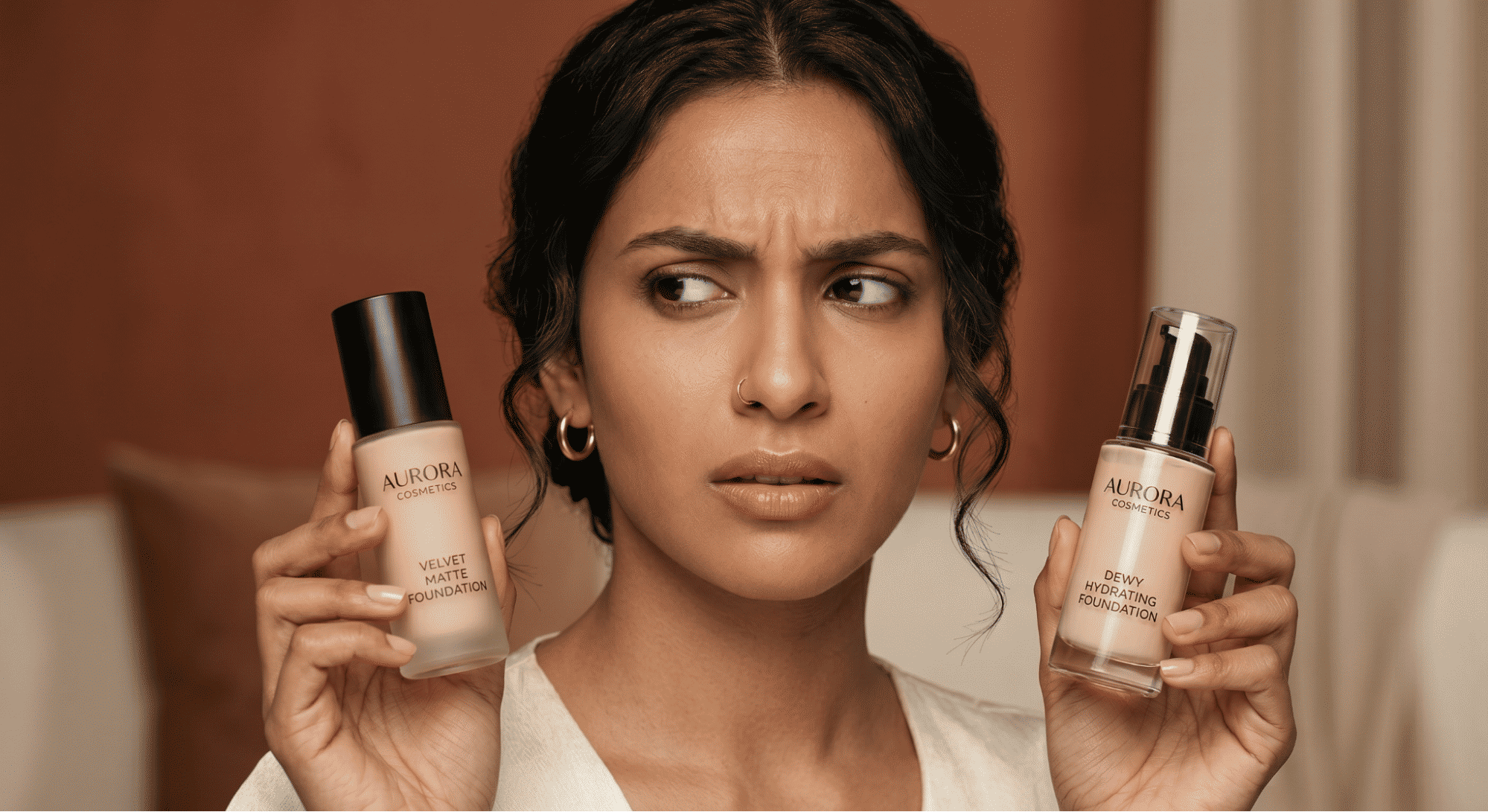
Matte foundations are often the go-to for keeping shine in check and helping makeup stay put for longer, while hydrating formulas lean into comfort, flexibility and a fresher-looking complexion. The interesting part? Modern foundations rarely sit at either extreme anymore. Instead, many newer formulas land somewhere in the middle, which is why satin, soft-matte and skin-like finishes have quietly become the favourites of everyday makeup wearers.
Foundation can be surprisingly convincing during the first few minutes after application. Five hours later is usually when the real review begins. That's when you notice whether makeup is still sitting beautifully on the skin or if it's started collecting around the nose, clinging to dry patches, looking overly shiny, or simply feeling heavier than you'd like. More often than not, those issues have less to do with the foundation being "bad" and more to do with whether the finish actually complements your skin, routine and environment.
What Matte Foundations Do Better
Matte foundation earned its popularity for a reason. When skin tends to become shiny throughout the day, a matte finish can create a more controlled, polished appearance that lasts longer without constant touch-ups.
These formulas are typically designed to reduce excess oil, minimise unwanted shine and maintain a smoother-looking complexion for extended wear. In humid conditions, especially, that can make a noticeable difference. If your makeup usually starts negotiating its exit by lunchtime, a matte formula can feel like a welcome upgrade.
Soft matte finishes also tend to photograph beautifully, blur the look of texture and create a more refined appearance without looking overly reflective. It's easy to see why they became a staple for long-wear makeup routines.
Nykaa Recommends:
Why Hydrating Foundations Feel Softer
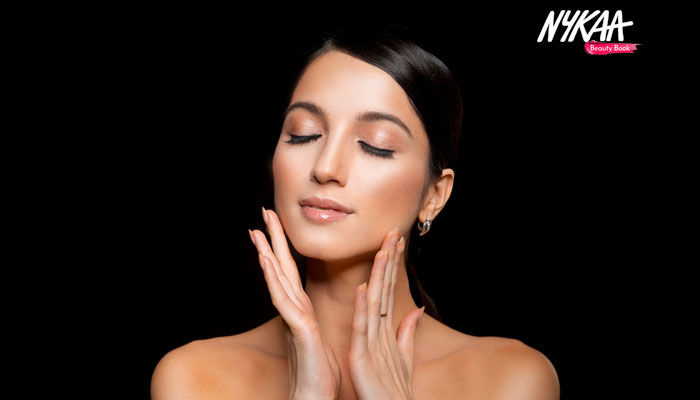
Hydrating foundations take a different approach. Instead of focusing primarily on oil control, they prioritise flexibility, comfort and movement, allowing the skin to look and feel a little more like itself.
Rather than creating a flat finish, these formulas often leave behind a subtle freshness that helps the complexion appear healthy and naturally radiant. Skin retains dimension, facial expressions feel less restricted, and makeup tends to move more gracefully throughout the day.
For people with dry or dehydrated skin, that comfort factor can be hard to give up. Of course, what one person sees as a healthy glow, someone else might describe as excess shine. That's why hydrating foundations inspire such divided opinions. The finish often depends as much on the wearer as the product itself.
Is Matte Always Better For Oily Skin?
Not necessarily.
One of the biggest beauty myths is that oily skin automatically needs the mattest foundation available. In reality, oily skin can still be dehydrated underneath, and when that happens, ultra-matte formulas sometimes create more problems than they solve.
Instead of looking smooth, makeup may begin to cling to unexpected dry patches, separate around the nose or appear uneven as the day progresses. The skin often produces more oil to compensate, leaving foundation looking less balanced than intended.
That's why foundation matching has become far more nuanced than simply assigning matte finishes to oily skin. For many people, a softer matte or semi-matte formula creates a far more flattering result.
Can Hydrating Foundations Look Too Shiny?
They absolutely can, depending on the weather, your skincare routine and your skin's natural oil levels.
In cooler or drier conditions, hydrating foundations often look incredibly flattering. They bring life back into the complexion, sit comfortably on the skin and help prevent makeup from looking dull or tight. But during humid weather, especially in Indian summers, some highly radiant formulas can gradually shift from luminous to noticeably shiny.
The challenge isn't hydration itself. It's finding the right balance. A lightweight hydrating foundation with a controlled finish can look fresh without crossing into oily territory, which is why texture matters more than labels.
Choosing Based On Skin Type
Your skin type is usually the easiest place to start when narrowing down foundation finishes.
| Skin Type | What Often Feels Better |
|---|---|
| Oily skin | Soft matte or semi-matte |
| Dry skin | Hydrating foundation |
| Combination skin | Balanced natural finish |
| Dehydrated skin | Flexible hydrating formulas |
| Sensitive skin | Lightweight skin-like textures |
That said, most people eventually discover they don't live at one extreme. Skin changes with seasons, stress, hormones and weather, which is why many makeup collections end up containing more than one type of foundation.
Why Modern Foundations Feel More Balanced
Foundation formulas have evolved considerably over the past few years.
Where older products often committed fully to either a matte or dewy finish, newer launches tend to occupy the space between. You'll now find natural mattes, satin finishes, soft-glow textures and skin-like formulas that offer the best of both worlds.
These balanced foundations control shine without making skin look flat and provide hydration without turning into a reflective spotlight by mid-afternoon. For everyday wear, that middle ground often feels much more realistic than either extreme.
Why Skin Prep Matters
A foundation's finish is only part of the story. The condition of the skin underneath plays an equally important role.
A matte foundation applied over well-hydrated skin usually looks smoother, blends more evenly and feels significantly more comfortable. On the other hand, a hydrating foundation layered over overly rich skincare can quickly become slippery or overly shiny.
That's why skin prep quietly determines how almost every foundation performs.
In general:
- Lightweight skincare pairs beautifully with matte formulas.
- Extra hydration benefits dry skin wearing flexible foundations.
- Balanced prep tends to create the most reliable results overall.
Think of skincare as the foundation before the foundation.
How Weather Changes Foundation Wear
If you've ever loved a foundation in January and questioned every life choice that led you to wear it in May, weather is probably the reason.
Environmental changes affect makeup more than many people realise.
| Weather Condition | What Often Feels Better |
|---|---|
| Humid weather | Soft matte finishes |
| Dry heat | Hydrating foundation |
| Winter | Flexible moisturising formulas |
| Air-conditioned spaces | Skin-like satin textures |
The formula itself hasn't changed. The conditions around it have. That's why seasonal foundation swaps often make more sense than forcing one product to work year-round.
Why Skin-Like Makeup Looks Better
Perhaps the biggest shift in modern beauty is that people are no longer chasing perfectly flat, powdery skin.
The current preference leans toward makeup that still resembles actual skin. Complexions with a little movement, a little dimension and a little life tend to look fresher in daylight and more flattering in real-world settings.
Instead of demanding fourteen hours of flawless perfection, many people now want foundation that:
- Feels comfortable
- Looks believable
- Wears evenly
- Moves naturally with the skin
- Fades gracefully rather than dramatically
Comfort has become just as important as coverage, and that change has reshaped the entire foundation category.
Nykaa Recommends:
The Best Foundation Usually Feels Easy to Wear
At the end of the day, the right foundation is usually the one you forget you're wearing.
It doesn't require constant touch-ups, it doesn't start misbehaving halfway through the day, and it doesn't leave you counting down the minutes until you can wash it off. It simply settles into your routine and gets on with the job.
When a foundation truly suits your skin, it fades naturally, feels comfortable for hours and still allows your complexion to look like your complexion.
And honestly, that's usually the sweet spot everyone is looking for.
Frequently Asked Questions about Matte vs Hydrating Foundations: Which One Suits Your Skin Better?
-
Which is better: matte or hydrating foundation?
Neither is universally better. The right choice depends on your skin type, climate, skincare routine and the finish you enjoy wearing throughout the day.
-
Is matte foundation good for oily skin?
Usually, yes. However, overly matte formulas can sometimes look patchy if oily skin is also dehydrated underneath.
-
Do hydrating foundations work for oily skin?
Absolutely. Lightweight hydrating foundations, particularly semi-matte or balanced formulas, can work beautifully on oily skin.
-
Why does matte foundation sometimes look cakey?
Dryness, excessive powder and heavy application are some of the most common reasons matte foundation starts looking cakey.
-
Which foundation finish looks the most natural?
Soft matte, satin and balanced skin-like finishes generally look the most natural and flattering in everyday lighting.