In This Story:
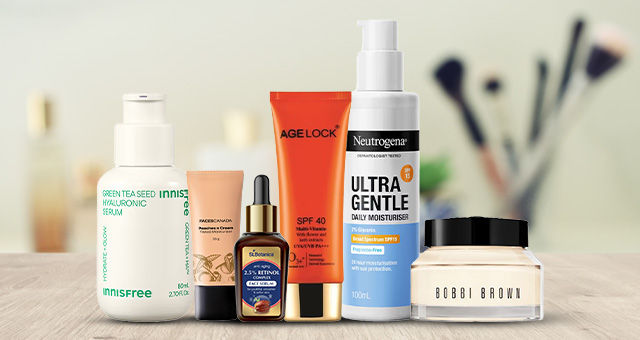
It's a jungle out there, what with a slew of BB creams, serums, moisturisers, sunscreens, primers, CC creams, pigmentation formulas and foundations popping up every other day. There's a host of powerhouse products out there, you're excused if you stare at that bewildering array lining your dressing table every morning, not quite knowing where to start.
Navigate The Maze Of 'Miracle' Skin Care Products
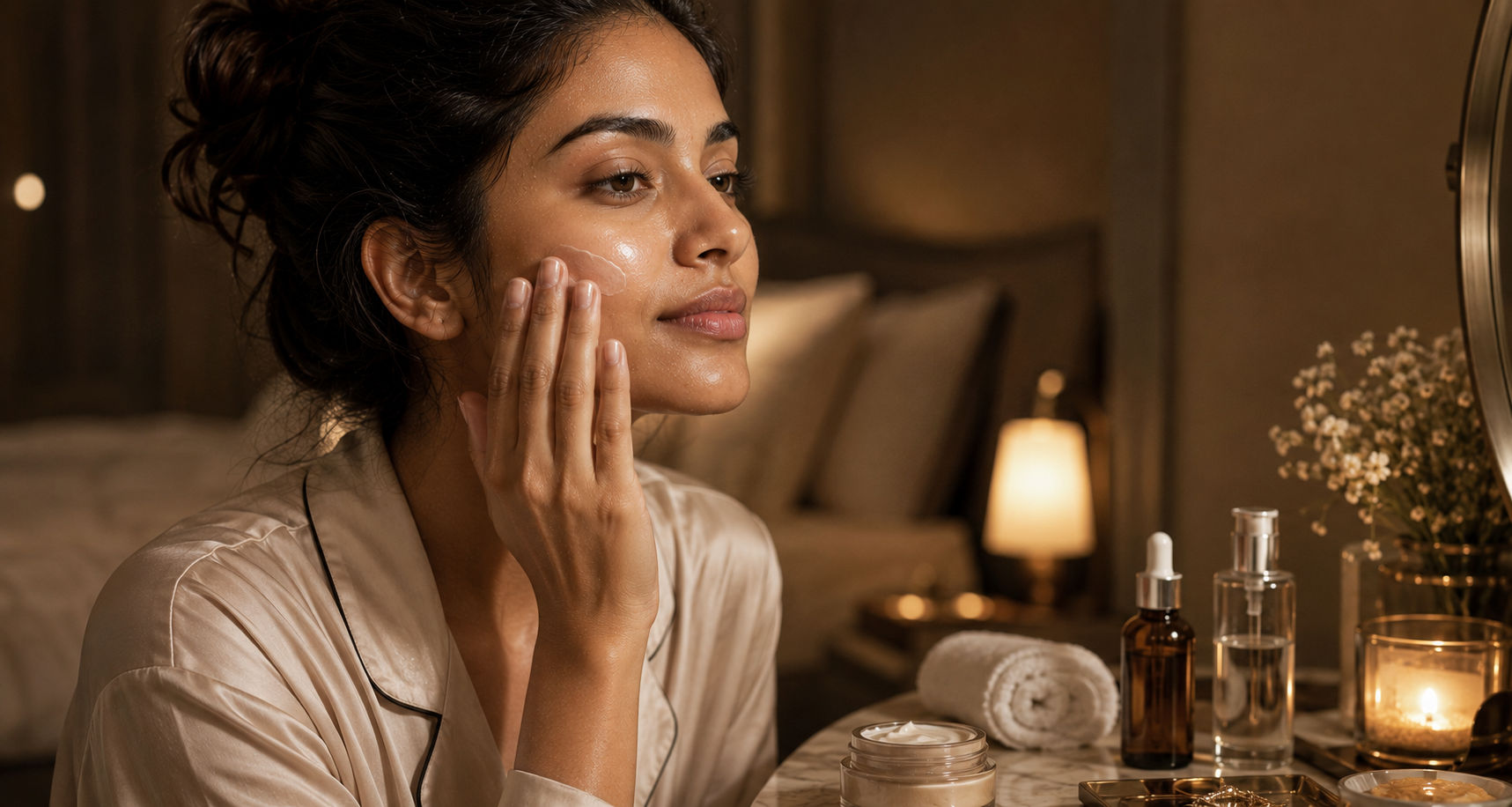
Advertising can be enticing. It’s easy to pick up one then another ‘miracle’ skin care products. But if you’ve just bought a new sensational moisturiser don’t rush out to pick up the matching cleanser, exfoliator, serum and sunscreen. Rule of thumb: Use a new product for at least two weeks before introducing more items to your skin care arsenal. This way you’ll know if the product is working and whether you’re sensitive to any specific ingredients.
1. Too Many Products Can Backfire
In fact, Dr. Dhimant Goleria, Nykaa skin care expert, says that “using too many lotions can irritate skin, making it hard to pinpoint what’s causing the problem.” Ingredients like vitamins A and C, Alpha Hydroxy Acids (AHAs), glycolic acid and retinol can cause allergies and sensitivity so do a patch test before slathering on potions containing them. “Vitamin C and AHAs are acid-based and can cause redness, peeling and itching while retinol and benzoyl peroxide can cause excessive dryness and photo sensitivity,” he adds.
Nykaa Recommends:
Advertising can be enticing. It’s easy to pick up one then another ‘miracle’ skin care products. But if you’ve just bought a new sensational moisturiser don’t rush out to pick up the matching cleanser, exfoliator, serum and sunscreen. Rule of thumb: Use a new product for at least two weeks before introducing more items to your skin care arsenal. This way you’ll know if the product is working and whether you’re sensitive to any specific ingredients.
2. Oily Skin
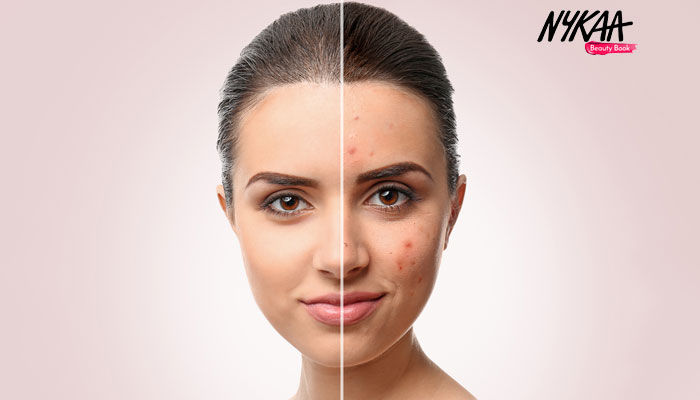
It's always best to use only the products you really need. If pimples are the bane of your life, use a cleanser containing salicyclic acid to remove oil, and a glycolic product to unclog pores. Top that with an oil-free moisturiser with a built-in sunscreen.
Nykaa Recommends:
3. Normal To Combination Skin
For normal to combination skin, a cleanser and anti-ageing serum containing peptides, hyaluronic acid, or vitamin B is enough. Complete your routine with an oil-free moisturiser and a sunscreen . It's also a good idea to use a mild exfoliator twice or thrice a week to prevent breakouts.
Nykaa Recommends:
4. Sensitive Skin
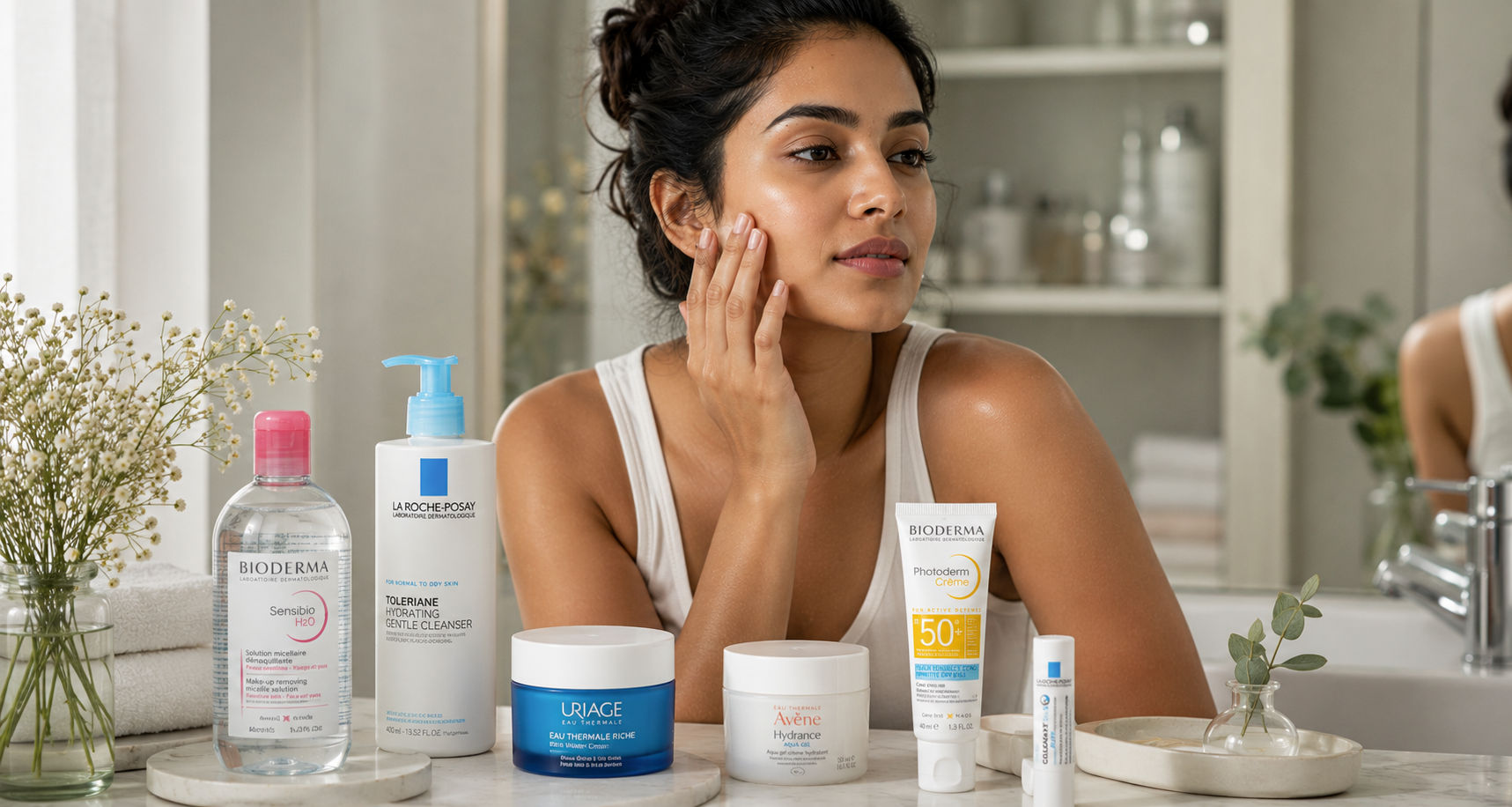
Avoid using a cleanser containing sodium laurel sulphate if you have sensitive skin because it can cause irritation. Always use a fragrance and paraben-free, moisturising face wash , a sunscreen with SPF 50 and a weekly enzyme mask to hydrate and protect skin.
Nykaa Recommends:
5. Serums For Best Results
Serums are thinner and contain higher concentrations of ingredients, especially formulated to penetrate deeper. Thus, doctors recommend applying serums to the skin first to ensure maximum penetration. Follow that with a moisturiser before applying makeup. These are designed to keep skin hydrated and protect it from pollution and the sun.
Nykaa Recommends:
6. Primer To Fix Makeup
After the moisturiser but before foundation, apply a thin layer of primer This is especially recommended if you have oily skin and foundation tends to ‘slide off’ in a few hours. Primers allow makeup to go on smoothly and even out the skin tone.
Nykaa Recommends:
7. Tinted Moisturisers For A Wash Of Colour
If you're one of the lucky ones with an even skin tone, ditch foundation and follow this with a tinted moisturiser for a sheer wash of color. For greater coverage and added SPF benefit apply a layer of BB cream or CC cream over the primer.
Nykaa Recommends:
Finally for all over coverage skip the tinted moisturiser and/or BB cream and blend a foundation all over face. To find Foundations for flawless coverage take your pick of powder, liquid, mineral or mousse formulations. Now go wow everyone with your flawless complexion and breezy routine.
In What Order Should Products Be Applied?
Now the question everyone wants to ask! In what order should serum, sunscreen, moisturiser, primer, and BB/CC creams be applied? Ideally, sunscreen should go on first if it's a chemical formulation, says Dr. Goleria. Check the list of ingredients to know if it's physical or chemical; if it lists Parsol, Mexoryl, oxybenzone or avobenzone as an ingredient, the formula is chemical. Meanwhile, zinc oxide or titanium dioxide are commonly found in physical sunscreens. Chemical sunscreens need to sink into skin, so they need to be applied first to clean, dry skin. Follow that up with a serum and moisturiser (in that order). Meanwhile, physical sun blocks don't allow other products to work effectively over them, so apply your moisturiser or serum first and top it with the physical sun block. Start with a serum, then the moisturiser and finally the sunscreen.
Key Takeaways
Ultimately, beauty should never have to be a fight. With the constant procession of BBs, CCs, serums, and get-glowing potions flooding onto the market every other day, it's simple to get caught up in the fray. But don't forget, skincare isn't about tackling every trend, it's about discovering what works for you and having your confidence radiate through. So, if you're a minimalist sunscreen-and-moisturiser type or a full-glam layering diva, don't sweat the details. Trust your gut, keep it simple where you can, and let your skin speak for itself.
FAQs
-
How do I build a simple yet effective skincare routine?
Start with the basics: cleanse, moisturise, and protect with sunscreen. Once you’ve nailed that, you can layer in serums, toners, or treatments based on your skin’s unique needs, but remember less is often more.
-
What’s the difference between BB creams, CC creams, and foundations?
BB creams are like a tinted moisturiser with added skincare benefits (think hydration and SPF), while CC creams offer color correction for redness or uneven tone. Foundation provides fuller coverage, perfect for those looking to conceal imperfections more completely.
-
Do I really need a separate product for day and night?
The key difference is that daytime products often include SPF, while nighttime ones focus on repair (like retinol or peptides). If you prefer to streamline, choose multitasking products that can carry you through both.
-
How can I tell what my skin type is?
After washing your face, wait an hour without applying any products. If your skin feels tight, it’s likely dry. If it looks shiny, it’s oily. If it’s oily in some areas and dry in others, congrats, you have combination skin.
-
How often should I exfoliate?
This depends on your skin type and the type of exfoliant you’re using. Gentle chemical exfoliants (like AHAs) can often be used 2-3 times a week, while stronger exfoliants or scrubs should be used sparingly to avoid over-exfoliation. Listen to your skin, it’ll let you know if you’re overdoing it.