In This Story:
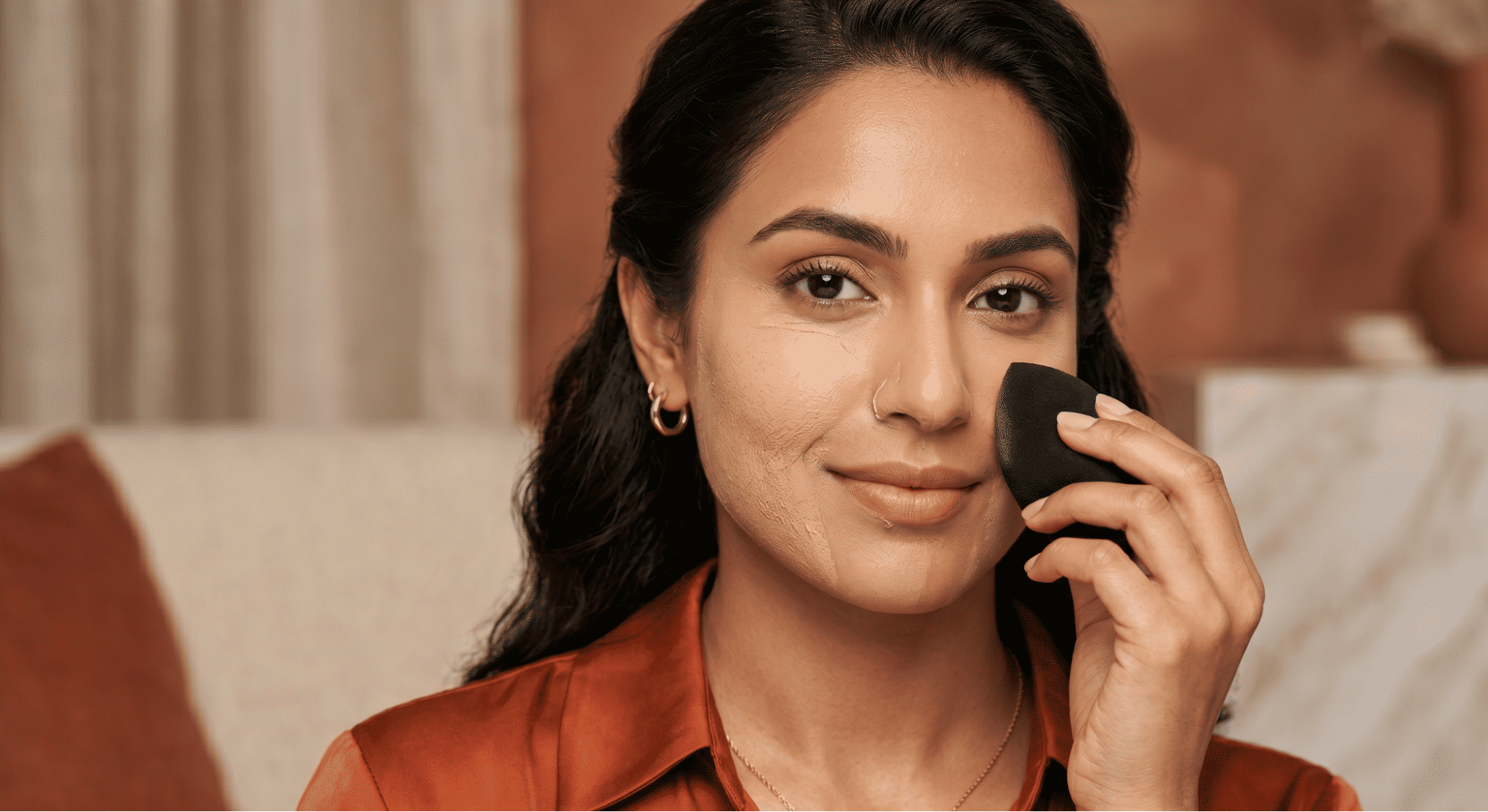
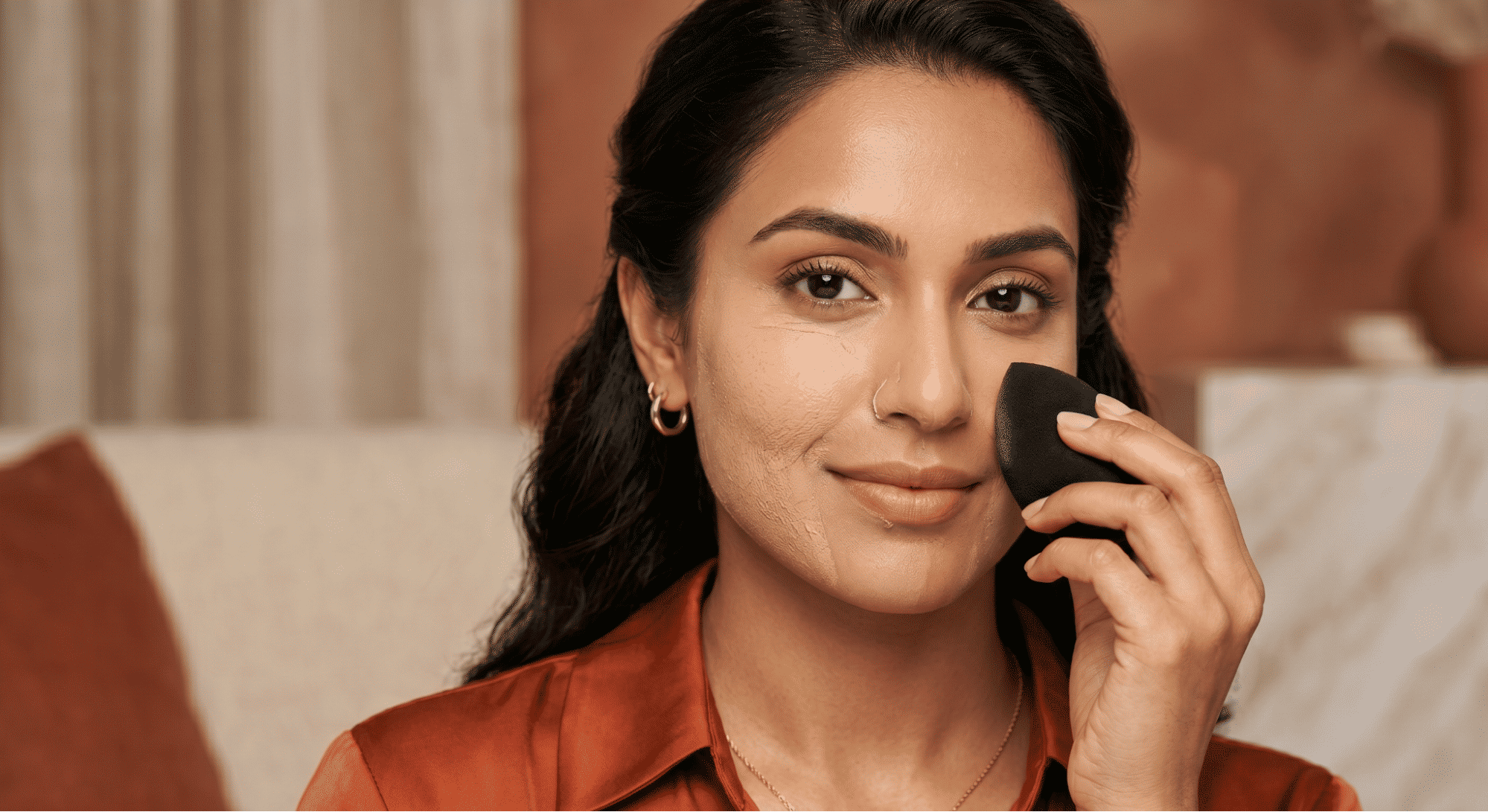
A patchy foundation day always starts with hope. You blend everything out, admire your handiwork in the mirror, maybe even convince yourself you've finally cracked the code to flawless base makeup. Then a few hours later, your foundation decides it has other plans.
Suddenly:
- Your nose looks like it's shedding makeup in tiny sections
- Dry patches have appeared out of nowhere
- Your chin is doing something completely different from your forehead
- Half your face looks cakey while the other half seems to have eaten the foundation
And just like that, the foundation gets blamed. Sometimes that's fair. But surprisingly often, patchy foundation is less about the product and more about what's happening underneath it.
Why Skin Prep Matters
Think of foundation like paint. Even the most beautiful formula struggles when the canvas isn't cooperating.
If your skin is:
- Feeling dry
- Producing excess oil
- Slightly flaky
- Dehydrated beneath the surface
- Layered with too many skincare products
foundation can settle unevenly before the day has even properly started.
This is why the exact same foundation can look incredible one morning and confusingly patchy the next. The bottle didn't change. Your skin did.And more often than not, a balanced prep routine matters far more than piling on extra makeup.
Why Dry Patches Look Worse
Foundation has a remarkable ability to discover dry spots you didn't even know existed.
The usual suspects include:
- Around the nose
- The chin
- Between the brows
- Corners of the mouth
Everything can look perfectly smooth until foundation arrives and suddenly puts those areas under a spotlight. Matte formulas are particularly enthusiastic about this. Because they grip onto the skin more firmly, they tend to magnify texture rather than disguise it.
This is why patchiness often becomes more noticeable during:
- Winter
- Dry weather
- Long days in air-conditioned spaces
Tiny flakes that were invisible moments ago suddenly become the main event.
Nykaa Recommends:
Why More Foundation Backfires
This is where many people accidentally make things worse. Foundation starts looking uneven. The instinctive response? Add more foundation.
Unfortunately, patchiness rarely responds well to extra layers.
Thicker applications tend to:
- Separate faster
- Set into texture more noticeably
- Gather around areas of movement
- Look heavier in natural light
Modern makeup trends have moved away from blanket coverage for a reason. Thin layers usually wear better, blend better and age better throughout the day. Sometimes less foundation is exactly what your foundation needs.
Why Skincare Affects Foundation
Not every foundation issue is actually a foundation issue. Sometimes the real culprit is a skincare-and-makeup partnership that simply isn't getting along.
For example:
- Rich moisturiser paired with a dry matte foundation
- Thick sunscreen layered under multiple primers
- Excessively hydrating routines before makeup
can sometimes lead to:
- Slipping
- Separation
- Pilling
- Uneven wear
It's a bit like inviting too many guests to a small dinner table. At some point, something is going to get pushed off. When foundation starts behaving unpredictably, simplifying what's underneath often makes a bigger difference than changing the foundation itself.
Nykaa Recommends:
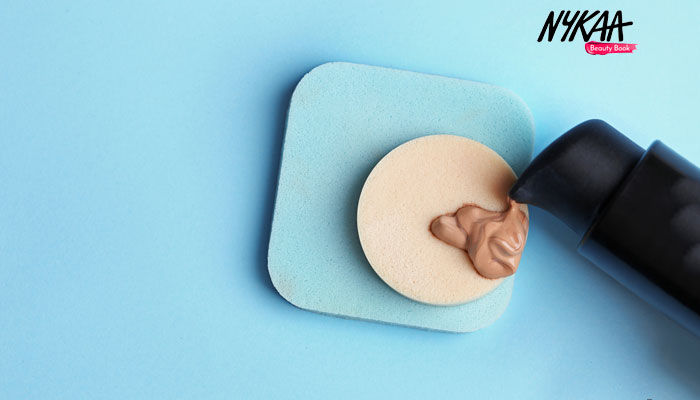
How Application Tools Change Finish
The way you apply foundation can completely change how it behaves. And yet it's often the last thing people think about.
Here's what different tools typically bring to the table:
| Tool | What It Often Does |
|---|---|
| Brush | More coverage and a polished finish |
| Sponge | Softer, smoother blending |
| Fingers | Melts product into the skin naturally |
Sometimes a foundation isn't patchy because it's the wrong formula. It's patchy because it prefers a different application method. A simple tool swap can completely transform the finish.
Why Different Areas React Differently
If you've ever wondered why your forehead looks flawless while your nose is staging a protest, you're not imagining it.
Different parts of the face behave differently.
| Skin Condition | What Often Happens |
|---|---|
| Dry patches | Foundation clings |
| Oily T-zone | Makeup separates |
| Dehydrated skin | Foundation appears uneven |
| Over-moisturised skin | Makeup slips around |
This is particularly common with combination skin. One area wants hydration. Another wants oil control. A third seems determined to create its own rules entirely. Patchiness is rarely one single problem happening everywhere at once.
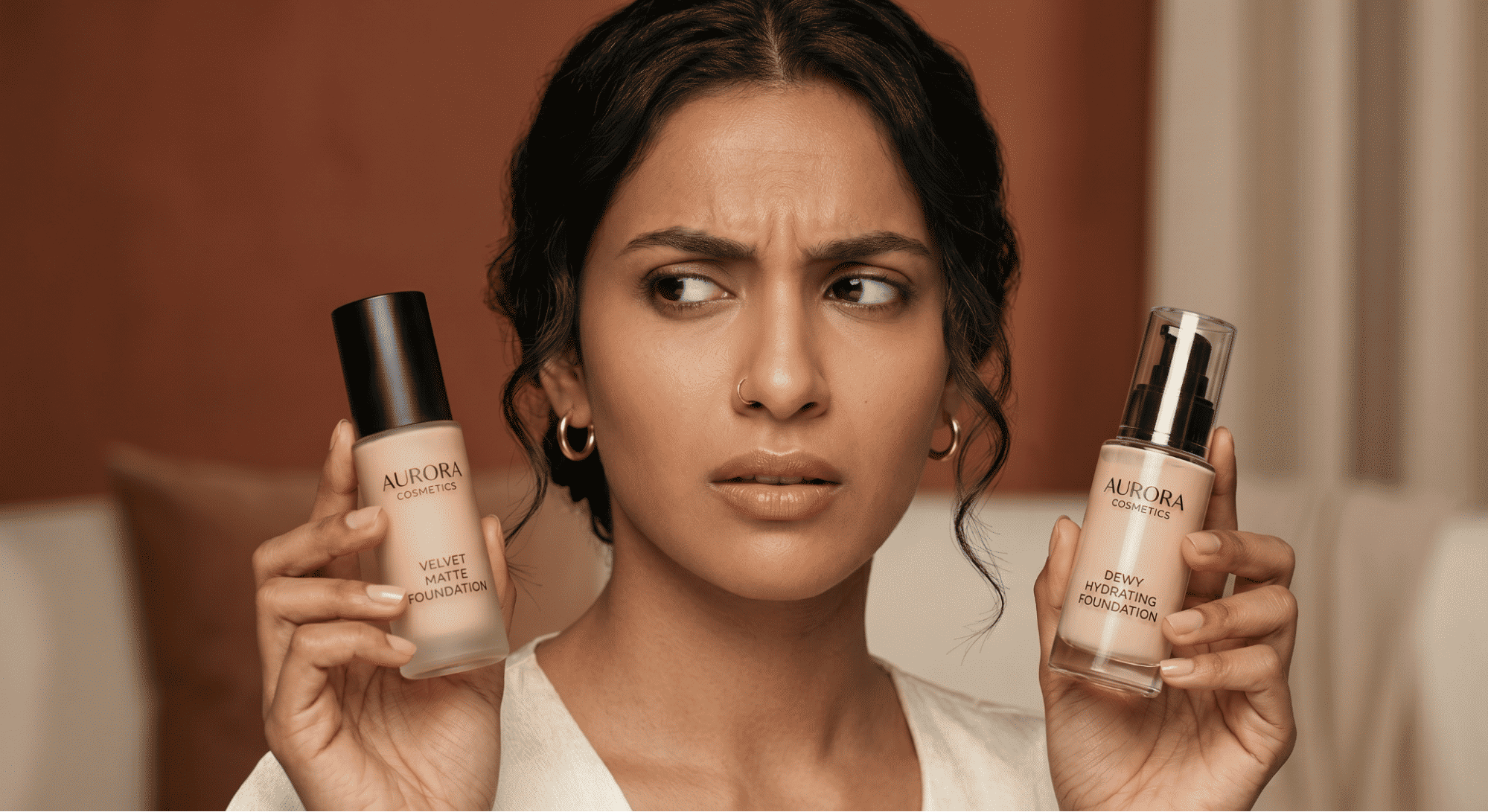
Which Foundations Emphasise Texture More
Some formulas are naturally less forgiving than others.
This is especially true for:
- Ultra-matte foundations
- Fast-setting liquid formulas
- Powder-heavy finishes
These textures often:
- Highlight dryness more quickly
- Hold onto texture
- Feel heavier after several hours
Meanwhile, softer formulas tend to be more forgiving.
Think:
- Skin-like foundations
- Satin finishes
- Soft mattes
- Lightweight serum foundations
This shift toward flexible, natural-looking base products is a big reason they continue to dominate beauty conversations People still want coverage. They just don't want their foundation announcing itself from across the room.
How Weather Changes Foundation Wear
Foundation doesn't exist in a vacuum. The weather has opinions too. And sometimes they're strong opinions In Indian climates especially, changing conditions can dramatically alter how makeup behaves.
| Weather Condition | What Often Happens |
|---|---|
| Humid weather | Foundation separates more easily |
| Dry weather | Texture becomes more visible |
| Winter | Dry patches stand out |
| Air-conditioned spaces | Makeup can look tighter or duller |
This is why a routine that worked perfectly last month can suddenly stop cooperating. It isn't always the product. Sometimes the environment quietly changed the rules.
How To Fix Patchy Foundation
Once foundation starts separating, it's tempting to launch a full rescue mission. More powder. More concealer. More foundation. More everything.
Unfortunately, that's usually when things become noticeably heavier.
A gentler approach tends to work better:
- Blot excess oil first
- Press makeup back into place using a sponge
- Add only a tiny amount of product where needed
Think maintenance rather than reconstruction. Small corrections almost always look cleaner than dramatic ones.
Hydration Usually Matters More Than Heavy Coverage
This is one of those makeup lessons people eventually learn through experience.
Many foundation problems improve when the skin underneath feels:
- Balanced
- Hydrated
- Comfortable
rather than overloaded with products or hidden beneath multiple layers of coverage.
It's one reason modern beauty trends continue leaning toward:
- Flexible formulas
- Lightweight textures
- Natural finishes
- Skin-first makeup
Healthy-looking skin often creates a better foundation result than heavy coverage ever could.
When Foundation Sits Properly, It Almost Disappears Into the Skin
That's really the goal. Not perfection. Not a completely texture-free face. Not maximum coverage in every corner.
A great foundation day usually looks like:
- Skin that still resembles skin
- Texture that appears softened rather than erased
- Makeup that fades gracefully
- A complexion that still looks fresh hours later
Because in real life, foundation rarely needs to be flawless. It just needs to work with your skin instead of fighting against it. And honestly, that's usually what looks best anyway.
Frequently Asked Questions
-
Why does my foundation look patchy on my skin?
Dry patches, excess oil, dehydration, incompatible skincare products and uneven skin prep are some of the most common causes.
-
How do I fix uneven foundation?
Use thinner layers, simplify your skincare underneath and focus on balanced hydration rather than adding more coverage.
-
Why does foundation cling to dry patches?
Matte and fast-setting formulas tend to grip onto textured or flaky areas more strongly, making dryness more visible.
-
Can moisturiser make foundation patchy?
Yes. Using too much moisturiser or combining products that don't layer well together can sometimes cause slipping and separation.
-
Which foundation finish usually looks smoother?
Skin-like, satin and soft matte finishes are generally more forgiving and natural-looking than very flat matte formulas.