Dry patches, excess oil, heavy skincare or thick foundation layers can all make makeup separate, cling unevenly or look cakey through the day. That's why balanced skin prep, lighter layers and softer skin-like formulas usually help foundation look smoother and wear more naturally for longer.
Foundation can look completely fine when you first apply it… and then somehow a few hours later:
- It starts separating around the nose
- Dry spots suddenly become obvious
- Makeup looks uneven around the chin
- Certain areas look cakey while others disappear
And honestly, that's usually the point where people blame the foundation immediately.
Sometimes the formula is the issue.
But a lot of the time, patchy foundation actually starts with the skin underneath.
In This Story:
Your Skin Prep Changes How Foundation Sits
This is probably the biggest reason foundation starts looking uneven.
If your skin is:
- Too dry
- Too oily
- Slightly flaky
- Dehydrated underneath
- Overloaded with skincare
the foundation doesn't settle evenly across the face.
That's why the same foundation can:
- Look smooth one day
- Look patchy the next
without the product itself changing at all.
Usually, balanced skin prep matters more than adding more makeup.
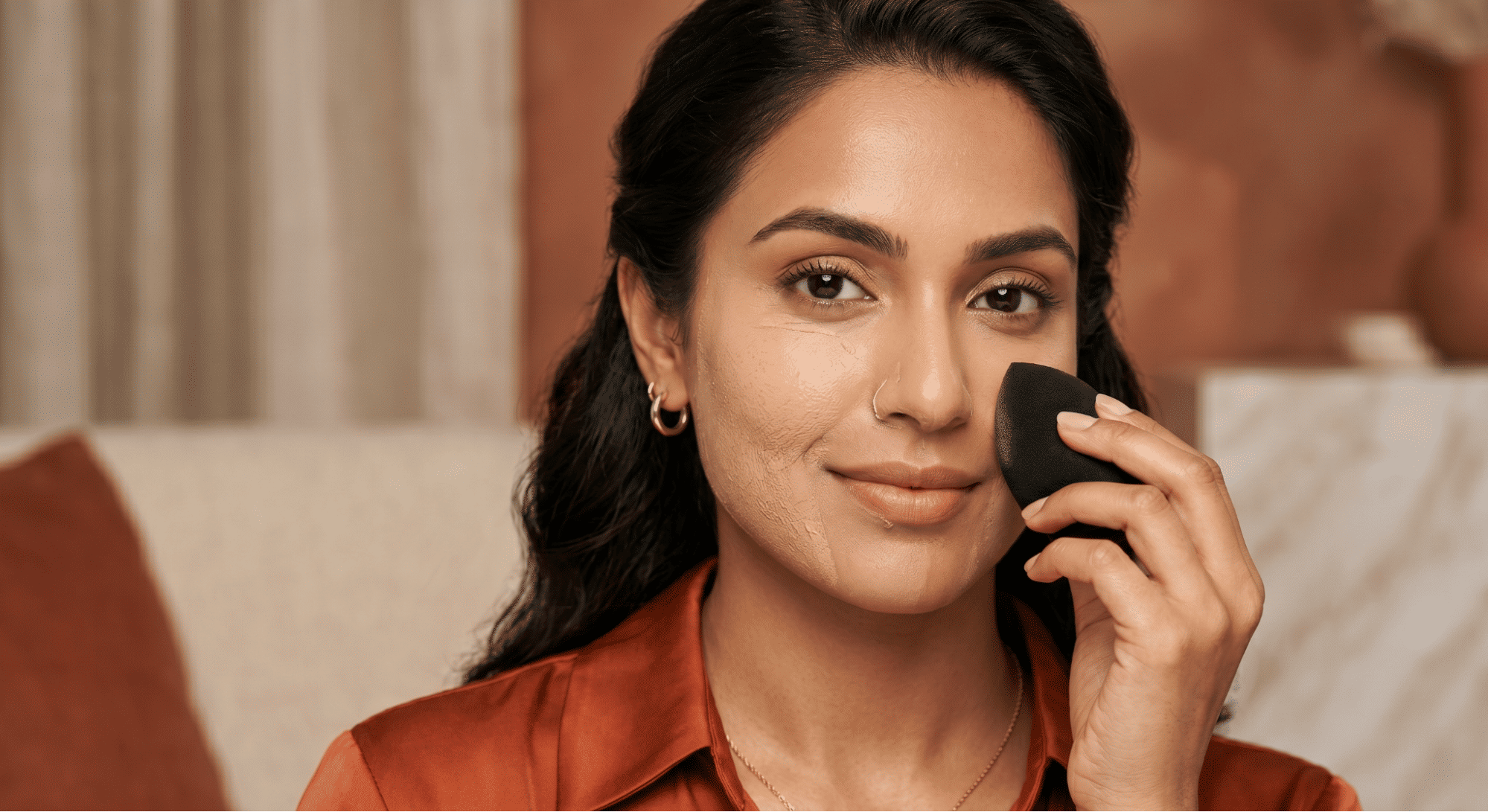
Dry Areas Become Much More Visible Under Foundation
This happens especially around:
- Nose
- Chin
- Between the eyebrows
- Corners of the mouth
Foundation naturally grabs onto texture in those areas.
And matte formulas usually make it even more obvious because they cling more firmly to dry skin.
That's why foundation patchy on skin issues often become worse during:
- Winter
- Dry weather
- Air-conditioned environments
Even tiny flakes become visible once pigment settles over them.
Using More Foundation Usually Makes Patchiness Worse
This is one of the most common mistakes.
When makeup starts looking uneven, people often apply another thick layer trying to smooth everything out.
But usually thicker layers:
- Separate faster
- Set into texture more
- Crease around movement areas
- Look heavier in daylight
Thin layers almost always wear more naturally.
Especially with modern skin-like makeup trends.
Skincare and Makeup Texture Need to Work Together
This part gets overlooked constantly.
Sometimes the foundation itself is completely fine, the problem is how it interacts with the skincare underneath.
For example:
- Heavy moisturizer + matte foundation
- Thick sunscreen + silicone primer
- Too many hydrating layers underneath makeup
can all cause foundation to:
- Slide around
- Separate faster
- Pill slightly
- Look uneven through the day
That's usually where most uneven foundation fix routines begin: simplifying what's underneath the makeup.
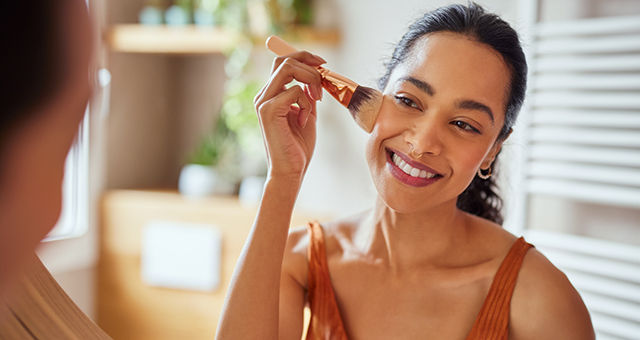
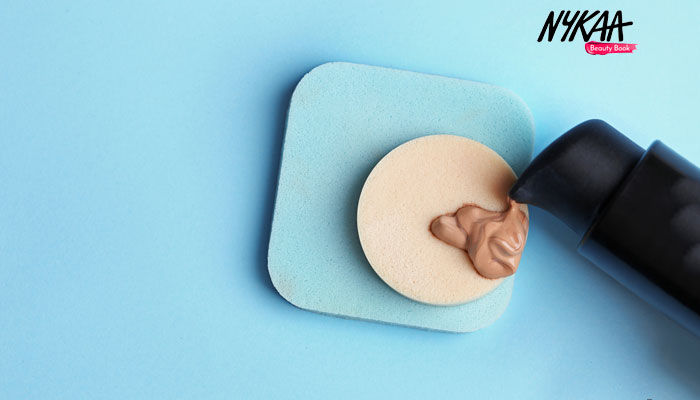
Application Tools Change the Finish More Than People Expect
This honestly changes foundation texture a lot.
Usually:
| Tool | What It Often Does |
|---|---|
| Brush | More coverage, sharper finish |
| Sponge | Softer, smoother texture |
| Fingers | Warms product into skin naturally |
Sometimes switching the application method fixes patchiness without changing products at all.
Especially if foundation looks:
- Too dry
- Too heavy
- Too textured
Oily Areas and Dry Areas Behave Completely Differently
This is why combination skin becomes frustrating with foundation.
One part of the face can look smooth while another starts separating quickly.
Usually:
| Skin Condition | What Often Happens |
|---|---|
| Dry patches | Foundation clings |
| Oily T-zone | Makeup separates |
| Dehydrated skin | Makeup looks uneven |
| Over-moisturized skin | Foundation slides |
So patchiness usually isn't caused by one single issue everywhere.
Different areas need different balance.
Some Foundation Formulas Naturally Emphasise Texture More
Especially:
- Ultra matte foundations
- Fast-drying liquid formulas
- Powder-heavy finishes
These formulas tend to:
- Hold onto texture more
- Emphasise dryness faster
- Look heavier after several hours
Softer finishes usually look smoother longer:
- Skin-like foundation
- Satin finishes
- Soft matte formulas
- Lightweight serum foundations
That's partly why lighter base makeup became so popular recently.
Weather Changes Foundation More Than People Realise
This becomes obvious very quickly in Indian weather.
Usually:
| Weather Condition | What Often Happens |
|---|---|
| Humid weather | Foundation separates faster |
| Dry weather | Makeup clings to texture |
| Winter | Dry patches become obvious |
| AC environments | Makeup looks tighter or dull |
So sometimes your routine didn't suddenly stop working; the environment changed around it.
Trying to Fix Patchiness During the Day Can Get Messy Fast
This is usually where makeup starts looking heavier.
Once foundation separates, layering:
- More powder
- More foundation
- More concealer
often makes texture stand out even more.
Usually a softer correction works better:
- Blot gently first
- Press makeup back into skin with sponge
- Add only a tiny amount where needed
Less correction usually looks cleaner.
Hydration Usually Matters More Than Heavy Coverage
This is something people slowly realise over time.
A lot of patchy foundation issues actually improve when skin feels:
- Balanced
- Hydrated
- Comfortable underneath
Instead of trying to completely cover every texture immediately.
That's why modern makeup trends lean more toward:
- Thin layers
- Flexible textures
- Natural finishes
- Skin-like makeup
Because makeup tends to wear better when the skin underneath feels stable.
When Foundation Sits Properly, It Almost Disappears Into the Skin
That's honestly the goal now.
Good foundation doesn't necessarily mean:
- Completely flawless skin
- Full coverage everywhere
- Heavy matte finish
Usually it means:
- Skin still looks like skin
- Texture looks softer instead of covered
- Makeup fades naturally instead of breaking apart
- The face still looks fresh after a few hours
And honestly, that usually looks much better in real life too.
Frequently Asked Questions
-
Why does my foundation look patchy on my skin?
Usually because of dry patches, excess oil, dehydration or skincare textures not sitting well underneath the makeup.
-
How do I fix uneven foundation?
Use thinner layers, balanced skin prep and avoid overloading the skin with heavy products underneath.
-
Why does foundation cling to dry patches?
Matte and fast-setting formulas naturally grab onto flaky or textured areas more strongly.
-
Can moisturizer make foundation patchy?
Yes. Using too much moisturizer or incompatible textures underneath foundation can cause separation.
-
Which foundation finish usually looks smoother?
Skin-like, satin and soft matte finishes usually look more natural and forgiving than very flat matte formulas.