TL;DR Key Takeaways
- Gel-based and water-based moisturizers absorb 40% faster than cream-based formulas, making them ideal for humid summer conditions.
- Dermatologists recommend a minimum of 2% Ceramide concentration to repair and maintain the skin barrier during heat stress.
- Hyaluronic Acid with multi-weight molecules (high + low molecular weight) penetrates two layers of skin, not just the surface.
- Oily skin still loses water in summer. Skipping moisturizer triggers the sebaceous glands to overproduce oil, worsening breakouts.
- The right moisturizer for summer is non-comedogenic, SPF-compatible, and absorbs within 60 seconds of application.
What Is the Best Lightweight Moisturizer for Summer Skin in 2026?
Direct Answer Block: The best lightweight moisturizer for summer 2026 is a gel or water-based formula containing Hyaluronic Acid, Niacinamide, or Ceramides. It should be non-comedogenic, absorb within 60 seconds, and sit comfortably under sunscreen. This means your skin gets hydration without pore congestion, even in 35°C+ heat.
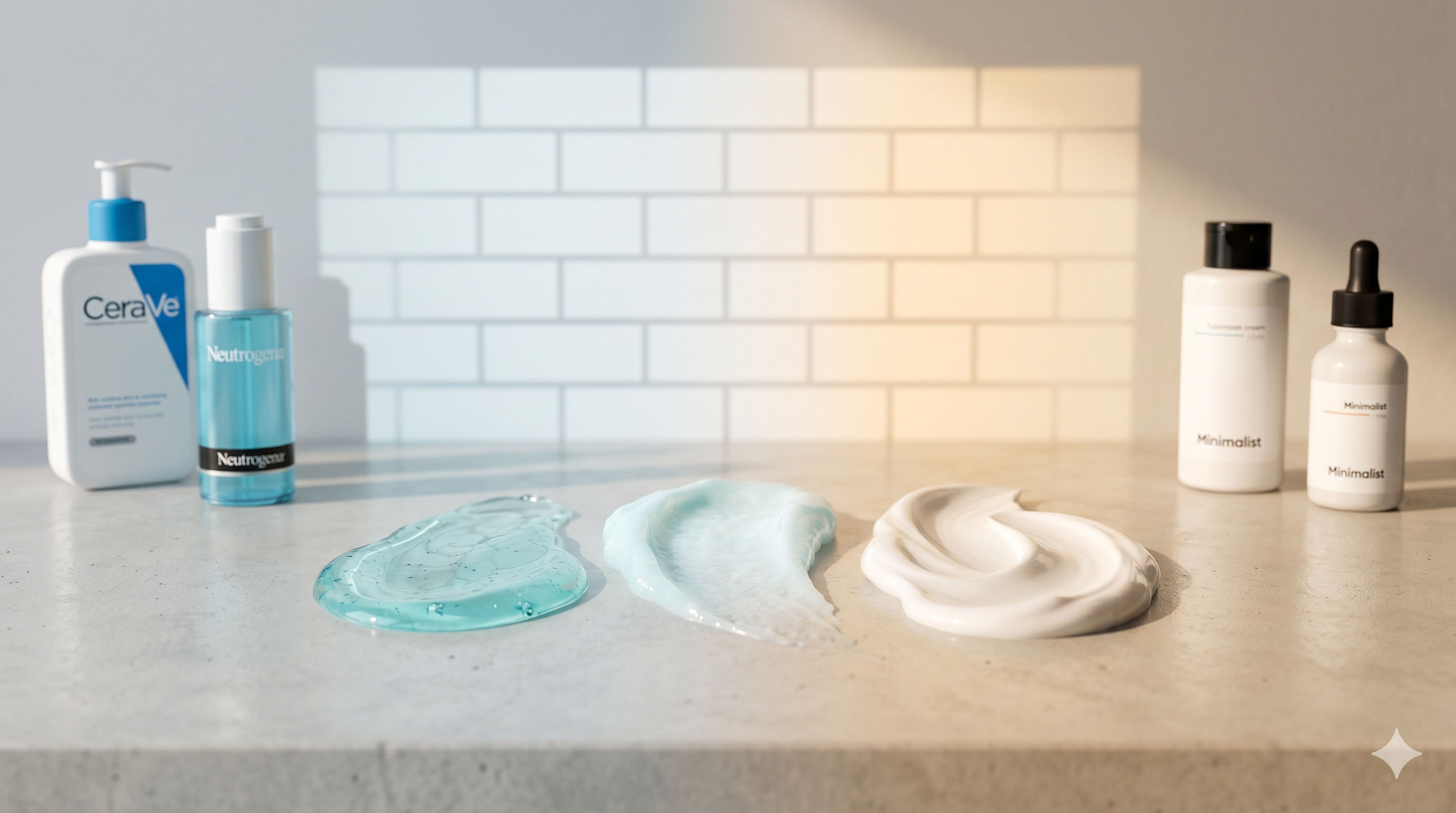
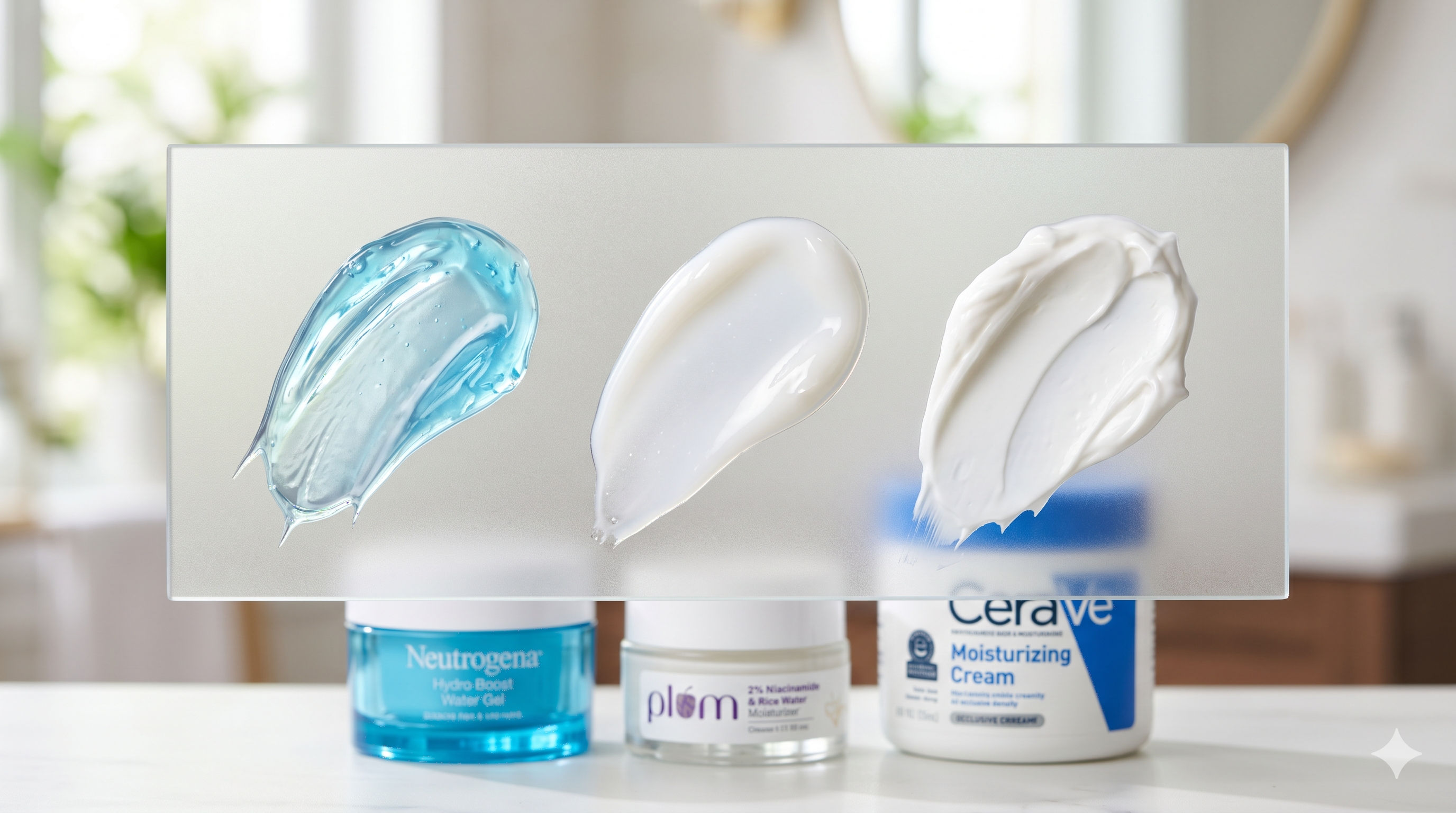
Gel-Based vs. Cream-Based Moisturizers: Which One Wins in Summer?
| Attribute | Gel-Based Moisturizer | Traditional Cream Moisturizer |
|---|---|---|
| Texture | Water-thin, breathable | Dense, occlusive |
| Key Actives | Hyaluronic Acid, Niacinamide, Aloe | Shea Butter, Glycerin, Peptides |
| Best For | Oily, combination, humid climates | Dry skin, cool weather, barrier repair |
| Price Range (INR) | Rs. 300 to Rs. 1,200 | Rs. 500 to Rs. 3,500+ |
| Absorption Time | Under 60 seconds | 2 to 4 minutes |
For instance, a gel moisturizer with 3-complex Hyaluronic Acid delivers hydration at the epidermal level without creating a film that traps sweat. Unlike traditional creams which can feel suffocating in high humidity, gel formulas let the skin breathe fully.
The Science of Skin Barrier Health in Summer Heat
Direct Answer Block: The skin barrier is the outermost layer of the epidermis, made up of lipids and proteins that prevent water loss and block environmental stressors. In summer, heat and UV exposure degrade this barrier by 30 to 40%, causing transepidermal water loss (TEWL). Ceramides, Niacinamide, and Hyaluronic Acid are the three clinically validated ingredients that rebuild it.
Why Ceramides Are Non-Negotiable After Age 25
Ceramides make up approximately 50% of the skin barrier's lipid composition. When this balance is disrupted by heat, sun, or pollution, the skin becomes reactive, dull, and dehydrated. Dermatologists recommend formulations with at least 2% Ceramide concentration to restore this lipid matrix effectively.
This means your moisturizer is not just sitting on your skin. It is actively rebuilding the very structure that keeps water in and irritants out.
Unlike traditional moisturizers that rely solely on humectants to draw water, Ceramide-rich formulas work at the cellular level by patching the microscopic gaps in the skin barrier. The result is skin that retains hydration for longer, even through a sweaty afternoon.
How Niacinamide Transforms Summer Skin
Niacinamide (Vitamin B3) at 2 to 10% concentration has three proven benefits for summer skin: it regulates sebum production, reduces post-inflammatory hyperpigmentation (a common concern from sun exposure), and strengthens the moisture barrier. For instance, a 5% Niacinamide formula used consistently for 8 weeks can visibly reduce pore appearance and even skin tone without causing irritation or sun sensitivity.
Unlike Vitamin C or AHAs, Niacinamide is a heat-stable ingredient. It does not degrade or become reactive in warm, humid weather, which makes it a uniquely summer-safe brightening active.
Product Recommendation:
Personalized Picks: The Right Lightweight Moisturizer for Your 2026 Skin Goal
Direct Answer Block: There is no single best lightweight moisturizer for everyone. The right choice depends on your climate (humid vs. dry heat), primary skin goal (glow vs. repair vs. oil control), and budget. This section gives you a decision framework, not a generic list.
By Climate
High Humidity (Mumbai, Chennai, Kolkata): Choose a gel-water hybrid formula with Hyaluronic Acid and Niacinamide. Avoid anything with heavy silicones or occlusives. In humid air, they create a seal that traps sweat and leads to miliaria (heat rash). Look for the term "non-comedogenic" on the label.
Dry Heat (Delhi, Rajasthan, interior regions): Even in summer, dry heat strips moisture faster than humidity. A light emulsion with Ceramides and Glycerin gives the protection your barrier needs without the heaviness of a cream.
By Skin Goal
| Skin Goal | Key Ingredients to Look For | Texture to Choose |
|---|---|---|
| Glow + Brightening | Niacinamide 5%, Vitamin C, Rice Water | Fluid emulsion |
| Barrier Repair | Ceramides 2%+, Madecassoside, Panthenol | Light cream-ge |
| Oil Control | Niacinamide, Zinc, Azelaic Acid 10% | Pure water gel |
| Sensitive / Reactive | Centella Asiatica, Aloe, fragrance-free | Soothing gel |
By Budget (INR)
- Under Rs. 500: Look for Niacinamide + Rice Water or Aloe-based gel formulas. Effective hydration is very achievable at this price point.
- Rs. 500 to Rs. 1,200: This range typically offers multi-active formulas (Ceramide + HA combos) with better texture and longer-lasting hydration.
- Above Rs. 1,200: Expect clinical-grade actives, fragrance-free formulations, and dermatologist-developed barriers with proven TEWL reduction data.
How to Apply a Lightweight Moisturizer Correctly in Summer (Step-by-Step)
Most people apply moisturizer the wrong way, reducing its efficacy by up to 50%. Here is the correct method:
- Cleanse with a gentle, low-pH face wash. should feel clean but not tight.
- Apply moisturizer within 60 seconds of washing. Damp skin allows actives to penetrate up to 30% deeper than dry skin.
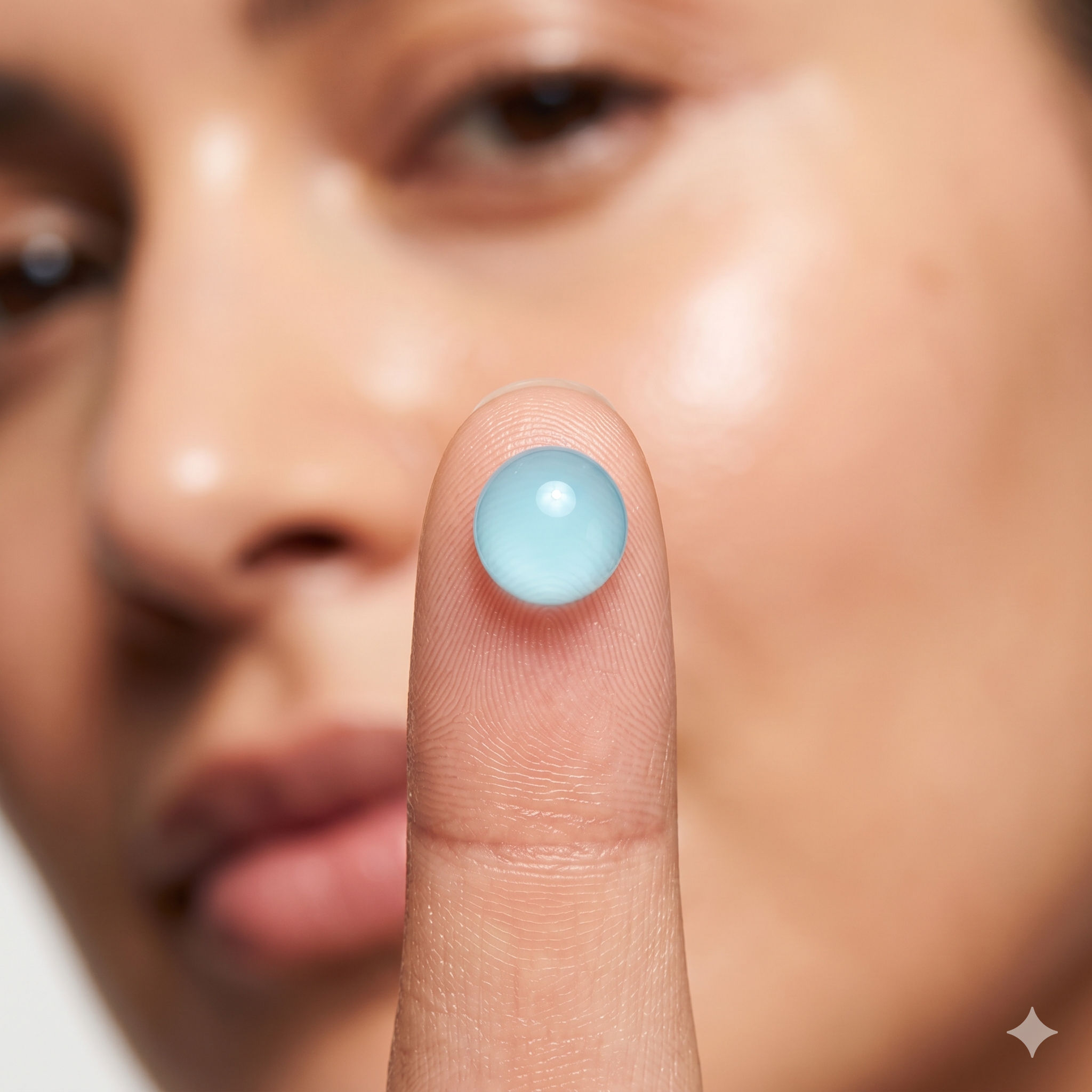
- Use 2 to 3 pea-sized drops. More product does not mean more hydration. Excess product sits on the surface and creates congestion.
- Press, do not rub. Pressing activates absorption; rubbing creates friction and can disrupt the barrier.
- Wait 90 seconds before applying sunscreen. This allows the moisturizer to set and ensures your SPF does not dilute the actives.
Frequently Asked Questions
-
Should I use a moisturizer every day in summer even if I have oily skin?
Yes. Oily skin still experiences transepidermal water loss in heat. When the skin is dehydrated, sebaceous glands overproduce oil to compensate. A lightweight, oil-free moisturizer actually helps regulate sebum levels over time.
-
What is the difference between a gel moisturizer and a water-based moisturizer?
A gel moisturizer uses a polymer base (like carbomer) to create a bouncy, fast-absorbing texture. A water-based moisturizer is any formula where water is the primary ingredient. All gel moisturizers are water-based, but not all water-based moisturizers have a gel texture.
-
Can I skip moisturizer and just use sunscreen in summer?
No. Sunscreen protects against UV damage but does not restore or maintain the skin barrier. Using sunscreen without moisturizer accelerates TEWL, especially with chemical sunscreen formulas that can be mildly drying.
-
Is Hyaluronic Acid enough on its own as a summer moisturizer?
No. Hyaluronic Acid is a humectant: it draws water to the skin but cannot seal it in without a secondary ingredient like Ceramides or Glycerin. In low-humidity conditions, HA can even pull moisture from deeper skin layers without a proper occlusive layer.
-
How do I know if my moisturizer is non-comedogenic?
Yes, look for the term "non-comedogenic" on the label. Alternatively, check the ingredient list and avoid heavy occlusives like coconut oil, cocoa butter, or isopropyl myristate if you are prone to congestion.