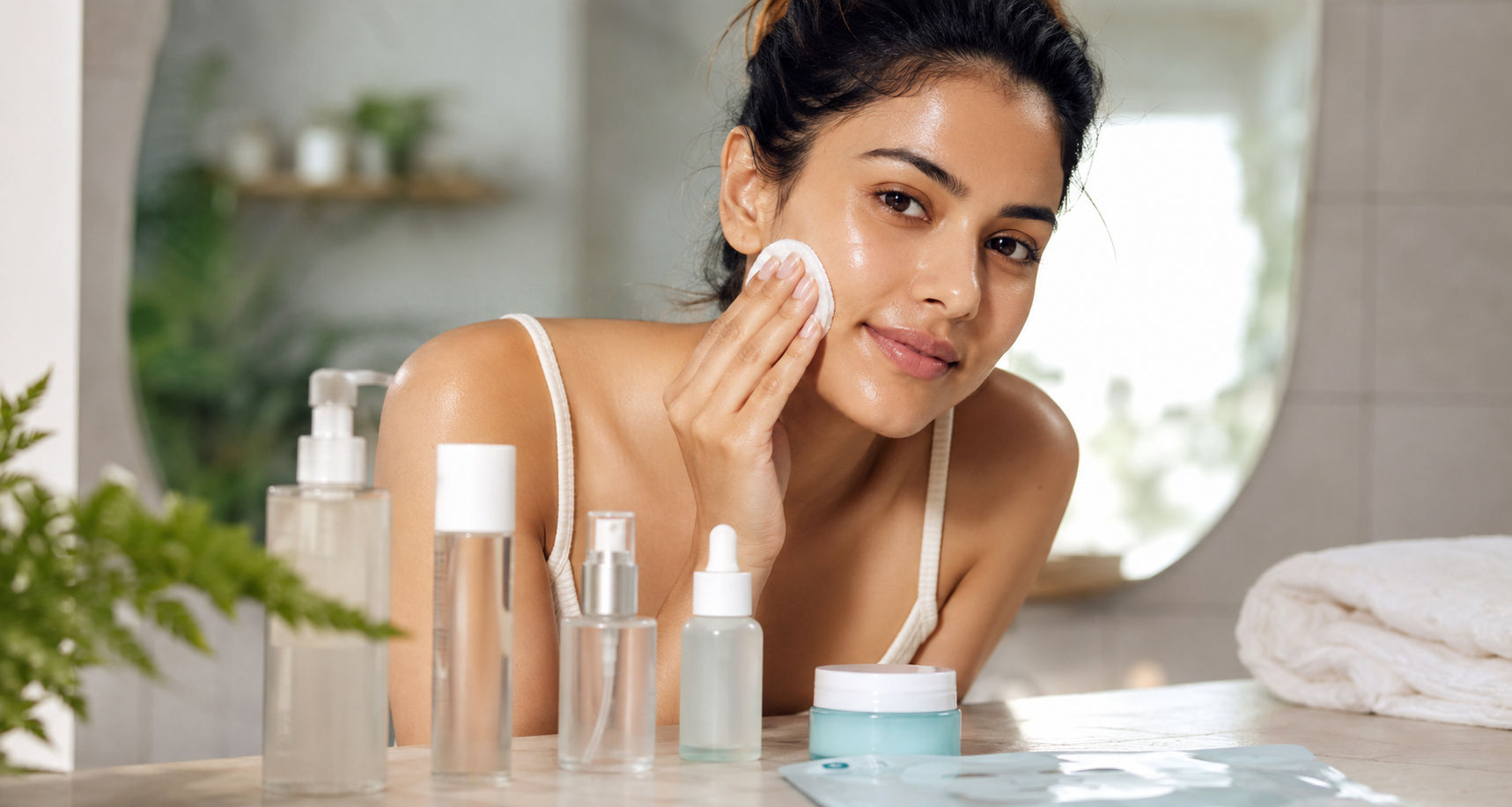
Korean skincare has become one of the most talked-about beauty movements in the world, but its popularity isn't built on one hero ingredient or a lengthy routine. At its heart, it's about paying attention to your skin every day and giving it what it needs, whether that's extra hydration, barrier support or a little time to recover.
That's probably why so many people continue to come back to K-beauty. It doesn't expect everyone's skin to behave the same way. Some routines are just three or four steps, while others include a few more products depending on the season or a particular skin concern. The idea is to build a routine that feels realistic enough to follow every day.
If you're curious about Korean skincare but aren't sure where to begin, this guide breaks it down into simple, manageable steps that are easy to adapt to your own skin.
Quick Guide to Korean Skincare
| Looking For | Korean Skincare Essential |
|---|---|
| Fresh, Clean Skin | Gentle cleanser |
| Everyday Hydration | Toner and essence |
| Targeted Care | Serum or ampoule |
| Healthy Skin Barrier | Moisturiser |
| Daily Protection | Sunscreen |
| Instant Glow | Sheet mask |
What Is Korean Skincare?
Rather than thinking of Korean skincare as a fixed routine, it's easier to see it as a skincare philosophy. The focus is on keeping the skin comfortable, hydrated and balanced instead of waiting for problems to appear before taking care of them.
Many Korean products are designed to work together in light layers, allowing you to build a routine that suits your skin rather than following a one-size-fits-all approach. The aim isn't flawless skin overnight it's healthier-looking skin that feels well cared for over time.
Why Has Korean Skincare Become So Popular?
K-beauty reached a global audience because it made skincare more personal.
Instead of encouraging everyone to use the same products, it introduced the idea that routines could change with your skin's needs. In humid conditions a light gel cream might feel just right but in winter a richer moisturiser may be more comfortable.
The products helped as well. Many are known for light textures, gentle formulations and ingredients chosen to support hydration without making the skin feel heavy.
Do You Really Need a 10-Step Routine?
Not really. The famous ten-step routine has become one of the biggest myths surrounding Korean skincare. While it certainly exists, it's not something most people follow every single day.
For many beginners, a cleanser, toner, moisturiser and sunscreen are enough to build a consistent routine. Other products, such as essences, serums or masks, can be added gradually if your skin needs them.
Consistency usually matters much more than the number of products sitting on your shelf.
Build a Simple Korean Skincare Routine
A Korean-inspired routine doesn't have to feel complicated. Think of each step as helping the next one work a little better.
Cleanse
Start by removing the day's build-up without stripping away moisture. If you've been wearing makeup or sunscreen, double cleansing can leave your skin feeling cleaner while still keeping it comfortable.
Hydrate with Toner
Modern Korean toners are less about removing leftover residue and more about giving the skin an early layer of hydration. It's a simple step that helps prepare your skin for everything that follows.
Add an Essence
Essences are often what people associate most closely with K-beauty. Their lightweight texture sinks in quickly, leaving the skin feeling refreshed and comfortably hydrated without any heaviness.
Use a Serum
This is where your routine becomes more personal. Whether you're hoping to brighten dull-looking skin, improve hydration or support the skin barrier, choosing one serum based on your main concern is usually a good place to begin.
Moisturise
A moisturiser helps hold on to all the hydration you've already applied. Gel creams are often preferred by oily skin, while richer creams can feel more nourishing for dry skin.
Finish with Sunscreen
Daily sunscreen has long been a cornerstone of Korean skincare. A formula that feels lightweight and sits comfortably under makeup is much easier to wear consistently, which is what really matters.
Popular Korean Skincare Ingredients
One of the reasons Korean skincare feels so approachable is the way it combines familiar ingredients with thoughtful formulations.
Centella Asiatica
Often called cica, this ingredient is widely used in products made for skin that feels sensitive or easily irritated. It's especially popular in moisturisers, serums and calming creams.
Snail Mucin
Though it sounds odd at first, snail mucin has become one of K-beauty's most well-known ingredients thanks to its ability to leave skin feeling hydrated and smoother over time.
Hyaluronic Acid
A favourite across skincare routines everywhere, hyaluronic acid helps attract moisture to the skin, giving it a plumper and more comfortable feel.
Rice Extract
Inspired by traditional Korean beauty rituals, rice extract is commonly included in products that aim to leave the skin looking brighter and feeling softer.
Propolis
Collected from bees, this is known for being nourishing to skin care formulas and often seen in products which help encourage a healthy looking complexion.
Ceramides
Ceramides help reinforce the skin barrier and reduce moisture loss, making them a welcome addition to routines for dry or dehydrated skin.
Korean Skincare for Every Skin Type
The beauty of Korean skincare is that you can tweak it, without changing everything all at once.
Oily skin can often feel better with lighter cleansers and gel moisturisers rather than richer creams.
You'll often find that dry skin responds well to layering hydrating products, then sealing it all in with a nourishing moisturiser.
Combination skin might require some balancing, with a light touch of hydration on the face but more focus on dry patches.
If you have sensitive skin, calming formulas with ingredients such as centella or ceramides are often popular picks.
If you're prone to breakouts, keeping the routine gentle and introducing treatment products gradually is usually kinder to the skin than trying several active ingredients together.
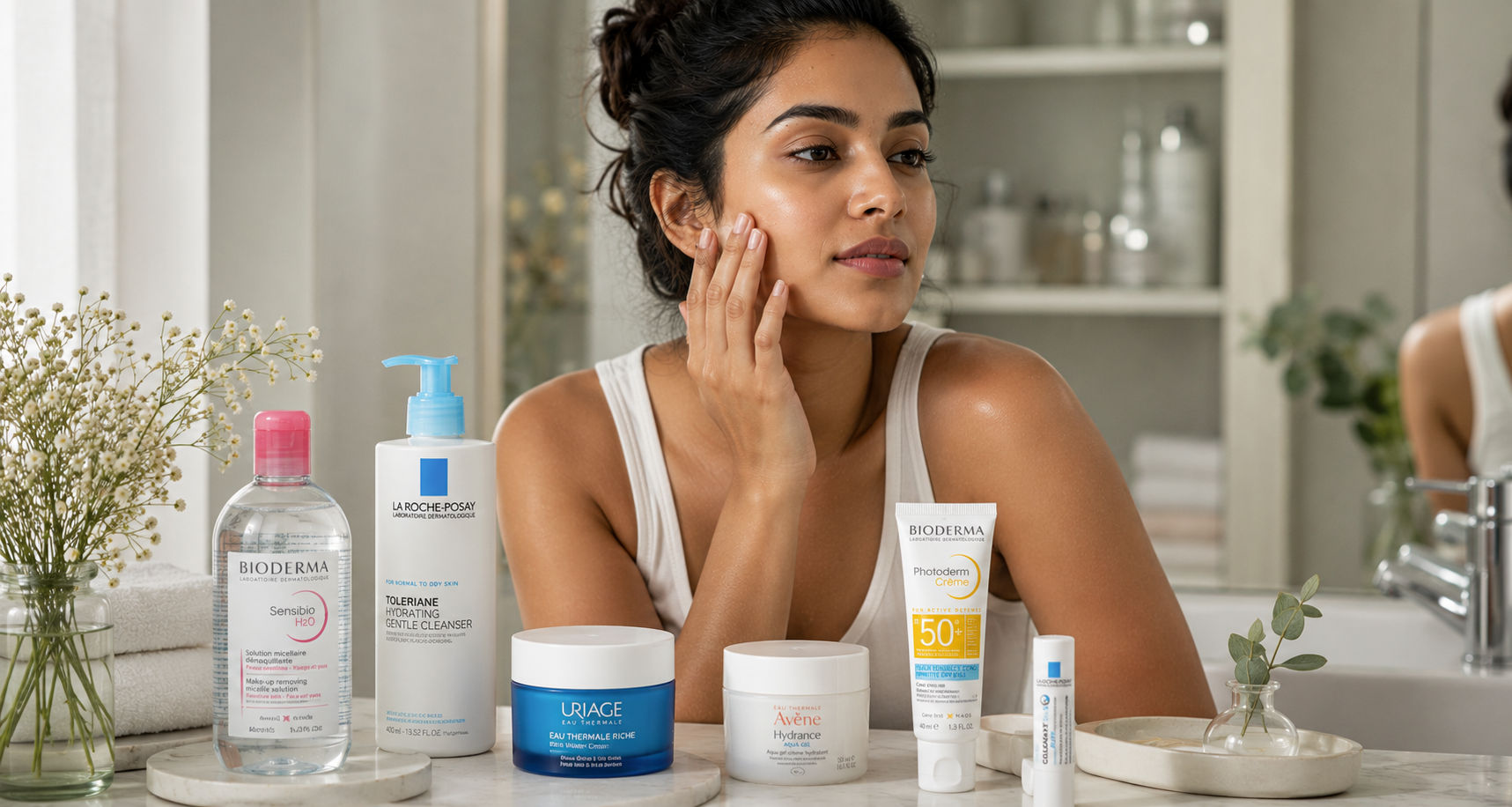
Korean Skincare vs French Pharmacy Skincare
| Korean Skincare | French Pharmacy Skincare |
|---|---|
| Hydration-first approach | Barrier-focused skincare |
| Flexible layering | Streamlined routines |
| Innovative textures | Dermatologist-inspired formulations |
| Glow and skin balance | Everyday skin comfort |
| Easily customised | Minimalist philosophy |
Neither approach is better than the other. Some people enjoy following one philosophy, while others combine products from both to create a routine that suits their skin and lifestyle.
Mistakes Beginners Often Make
It's tempting to go crazy when you first discover Korean skincare.
Buying every trending product, throwing a bunch of new active ingredients at your skin at the same time or expecting dramatic results within a week can leave your skin feeling overwhelmed.
Usually a slower approach works better. Often the more satisfying results in the long run are achieved by giving each product time to settle into your routine and remembering to wear sunscreen every day.
Building Your First Korean Skincare Routine
If you're starting from scratch, there's no need to fill an entire shelf.
A beginner-friendly routine can include:
- Gentle cleanser
- Hydrating toner
- Essence
- Serum
- Moisturiser
- Sunscreen
Once those basics feel familiar, you can explore products like sheet masks, sleeping masks or ampoules based on what your skin needs rather than what's currently trending.
Frequently Asked Questions
-
Is Korean skincare only for people who want a 10-step routine?
Not at all. Many people keep things simple with just a few essentials. The number of steps is far less important than finding products you'll enjoy using consistently.
-
Can beginners start with Korean skincare?
Absolutely. A basic routine with a gentle cleanser, hydrating moisturiser and sunscreen is often enough to get started. You can always add products like a toner, essence or serum later if your skin calls for them.
-
Does Korean skincare work well in India?
For many people, yes. The category includes lightweight gels, lotions and sunscreens that feel comfortable in warm weather, along with richer products for skin that needs extra nourishment.
-
Which Korean skincare product should I buy first?
If you're starting a routine from scratch, begin with the basics cleanser, moisturiser and sunscreen. Once you are happy with those then the next step is usually to add a toner or serum.
-
Can I use Korean skincare with products from other brands?
Yes. There's no need to replace everything at once. Many skincare routines combine Korean products with products from other brands, as long as new additions are introduced gradually.
-
How long does Korean skincare take to show results?
That depends on your skin and what products you are using. Hydration tends to manifest fairly quickly but issues like uneven texture or dullness generally will take longer and consistent attention to resolve.