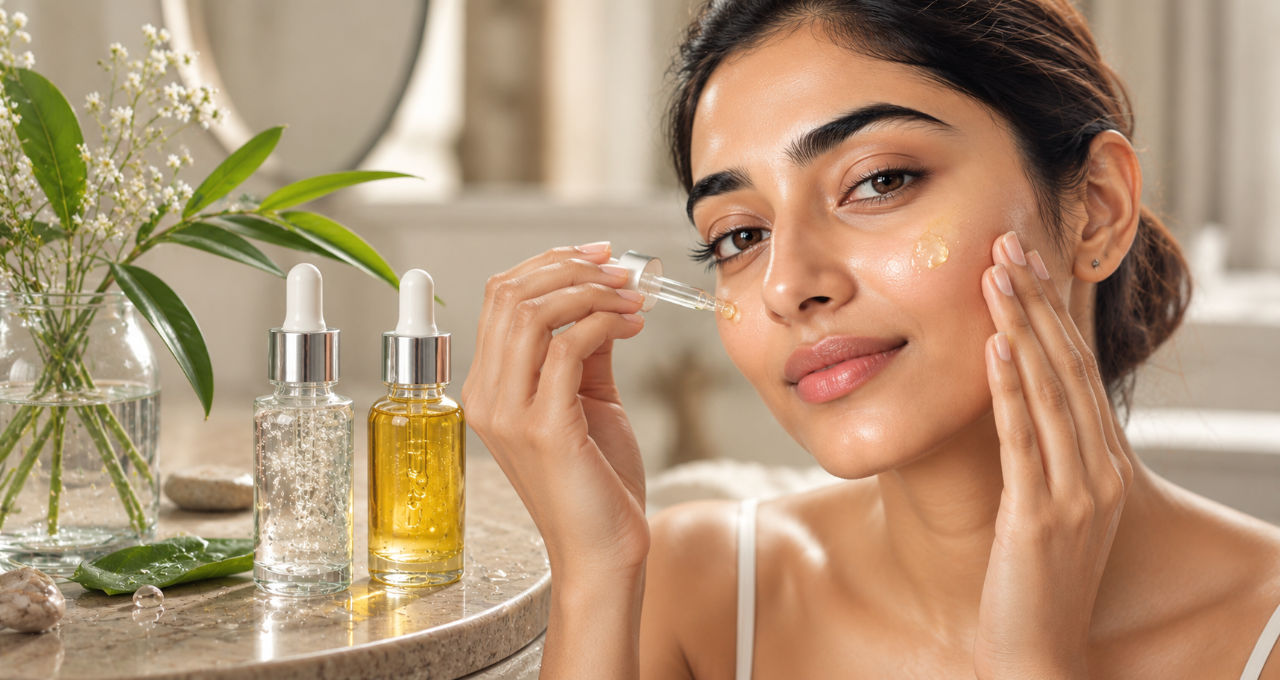
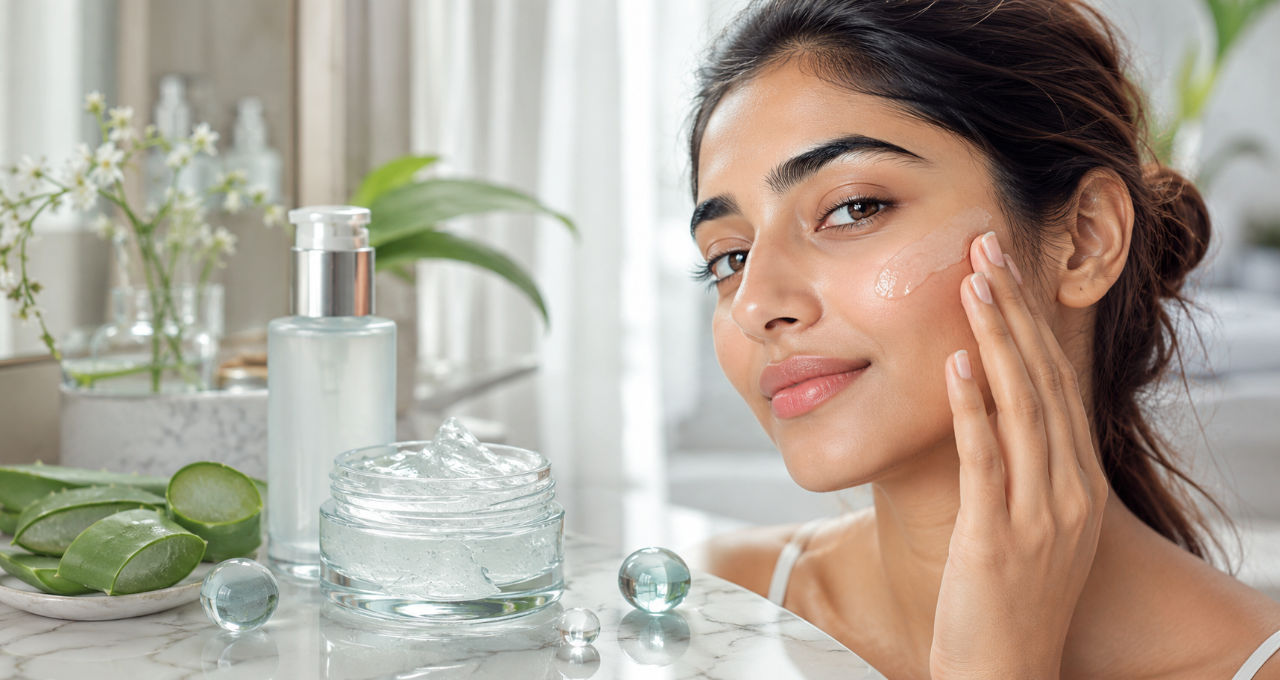
Gel moisturizers, water-based lotions and gel-cream formulas are often popular because they hydrate without leaving excess shine. That’s why many people with oily skin focus on lightweight textures that help keep skin balanced, fresh and easy to manage throughout the day.
In This Story:
- Why Oily Skin Needs Moisturizer
- Why Lightweight Textures Work Better
- Why Gel Moisturizers Are Popular
- Why Ingredients And Texture Matter
- Signs A Moisturizer Is Too Heavy
- Moisturizer Types Explained
- Healthy Glow Vs Greasy Skin
- How Weather Changes Moisturizer Needs
- Why More Product Isn’t Better
- Simple Routine For Oily Skin
- How To Know A Moisturizer Works
- FAQs
People with oily skin often have a love-hate relationship with moisturizer.
When your face already feels shiny by midday, adding another layer can seem unnecessary. That's why many people either skip moisturizer completely or keep searching for one that doesn't leave their skin feeling heavier than before.
The problem is that oily skin still needs hydration. The goal isn't to avoid moisturizer. It's to find one that gives your skin enough hydration without adding excess shine or a greasy finish.
Why Oily Skin Still Needs Moisturizer
A common misunderstanding is that oily skin and hydrated skin are the same thing.
They're not. Your skin can produce plenty of oil while still lacking water. When that happens, skin may feel:
- tight after cleansing
- uncomfortable during the day
- oily and dehydrated at the same time
That's one reason many people notice their skin becoming shinier after skipping moisturizer for several days.
Lightweight Textures Usually Feel Better
Texture often matters more than marketing claims.
For oily skin, lighter formulas tend to feel easier to wear throughout the day.
Popular options include:
- gel moisturizers
- water-based lotions
- gel-cream formulas
- lightweight emulsions
These products tend to absorb more quickly, and leave less surface residue on the skin.
Why Gel Moisturizers Are So Popular
Gel moisturizers have become a go-to option for oily skin for a simple reason they rarely feel heavy.
Many people like them because they:
- sink in quickly
- feel cooling on the skin
- layer well under sunscreen
- work comfortably under makeup
In warm weather, they often feel much more comfortable than rich creams.
Ingredients Matter, But Feel Matters Too
People often spend a lot of time checking ingredient lists. That's helpful, but the texture of the product is just as important.
Some ingredients commonly found in moisturizers for oily skin include:
Hyaluronic Acid
Helps support hydration without making the skin feel coated.
Niacinamide
Frequently included in formulas designed for oily and combination skin.
Glycerin
A lightweight ingredient that helps attract moisture to the skin.
Ceramides
Help support the skin barrier and reduce moisture loss.
Rich doesn’t mean right for oily skin, even if a moisturiser is packed with great ingredients.
How Can You Tell If a Moisturizer Is Too Heavy?
Usually, your skin lets you know fairly quickly.
You may notice:
- a greasy feeling soon after application
- makeup moving around more than usual
- excess shine across the face
- a sticky finish that doesn't go away
If this happens consistently, the formula may simply be too rich for your skin type.
Moisturizer Types at a Glance
| Moisturizer Type | How It Usually Feels |
|---|---|
| Gel | Very lightweight |
| Water-Based Lotion | Quick absorbing |
| Gel-Cream | Light but hydrating |
| Lightweight Cream | Moderately nourishing |
| Rich Cream | Heavier texture |
Most oily skin types tend to feel more comfortable with gel or gel-cream formulas.
Healthy Glow vs Excess Oil
This is where things get confusing.
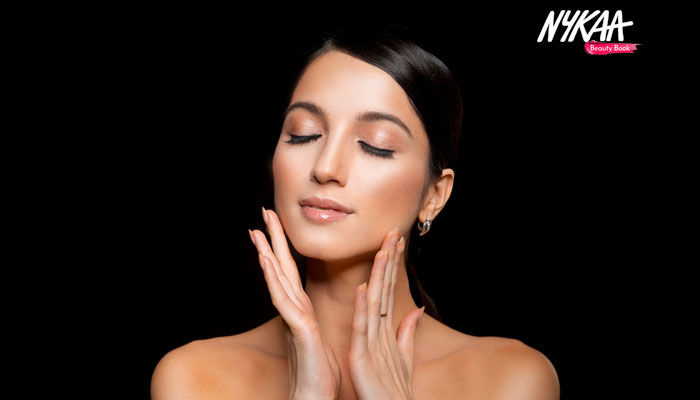
A moisturizer should leave the skin looking comfortable and healthy.
That doesn't necessarily mean completely matte.
A natural glow is normal.
Excess oil usually looks different. It tends to appear as:
- heavy shine
- oily patches around the nose and forehead
- makeup breaking down faster
There's a difference between hydrated skin and greasy skin.
Weather Can Change Everything
The moisturizer you love in December may feel completely different in June.
During hot and humid months, many people prefer:
- gel textures
- water-based formulas
- fewer skincare layers
When temperatures drop, slightly richer moisturizers may feel more comfortable.
Your skincare routine doesn't have to stay exactly the same all year.
More Product Isn't Always Better
Another mistake people make is using too much.
Even a lightweight moisturizer can start feeling greasy if it's applied heavily.
Most of the time, a thin and even layer is enough.
Your skin should feel comfortable after application, not coated.
A Simple Routine for Oily Skin
Many people do perfectly well with:
- Gentle cleanser
- Lightweight serum (optional)
- Moisturizer
- Sunscreen
That's often enough for daily care.
Adding more products doesn't automatically improve results.
The Best Moisturizer Is Usually the One You Forget About
That may sound strange, but it's true.
A good moisturizer shouldn't keep reminding you it's there.
Your skin should feel:
- comfortable
- balanced
- hydrated
- easy to manage
If you're not constantly noticing shine, stickiness, or heaviness, you've probably found a formula that suits your skin.
Frequently Asked Questions
-
Do people with oily skin need moisturizer?
Yes. Oily skin still needs hydration, even if it produces excess oil.
-
What type of moisturizer works best for oily skin?
Gel moisturizers, water-based lotions, and gel-cream formulas are often popular choices.
-
Can moisturizer make oily skin look worse?
A heavy formula can feel greasy, but the right moisturizer usually helps skin feel more balanced.
-
Are gel moisturizers better than creams?
Not always, but many people with oily skin find gels more comfortable because they feel lighter.
-
Should I stop using moisturizer during summer?
Usually not. Switching to a lighter moisturizer is often a better solution.
-
Why does my moisturizer feel greasy?
The formula may be too rich for your skin type, or you may be applying more than your skin needs.
-
Can oily skin be dehydrated?
Yes. Oil production and hydration are two different things.
-
How much moisturizer should oily skin use?
Usually a thin, even layer is enough for most people.