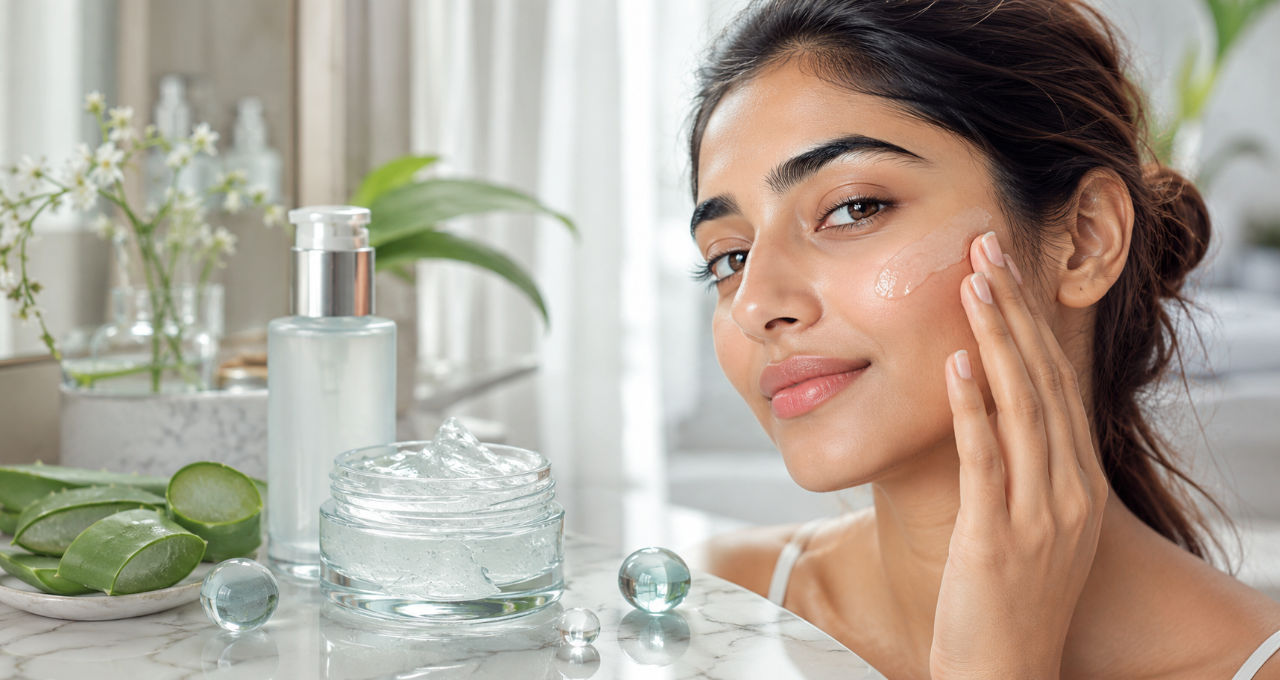
Serums are usually designed to target specific concerns like dullness, dehydration or uneven skin tone, while face oils help support the skin barrier and reduce moisture loss. That’s why many people use a serum for treatment and a face oil for added comfort and nourishment when their skin needs it.
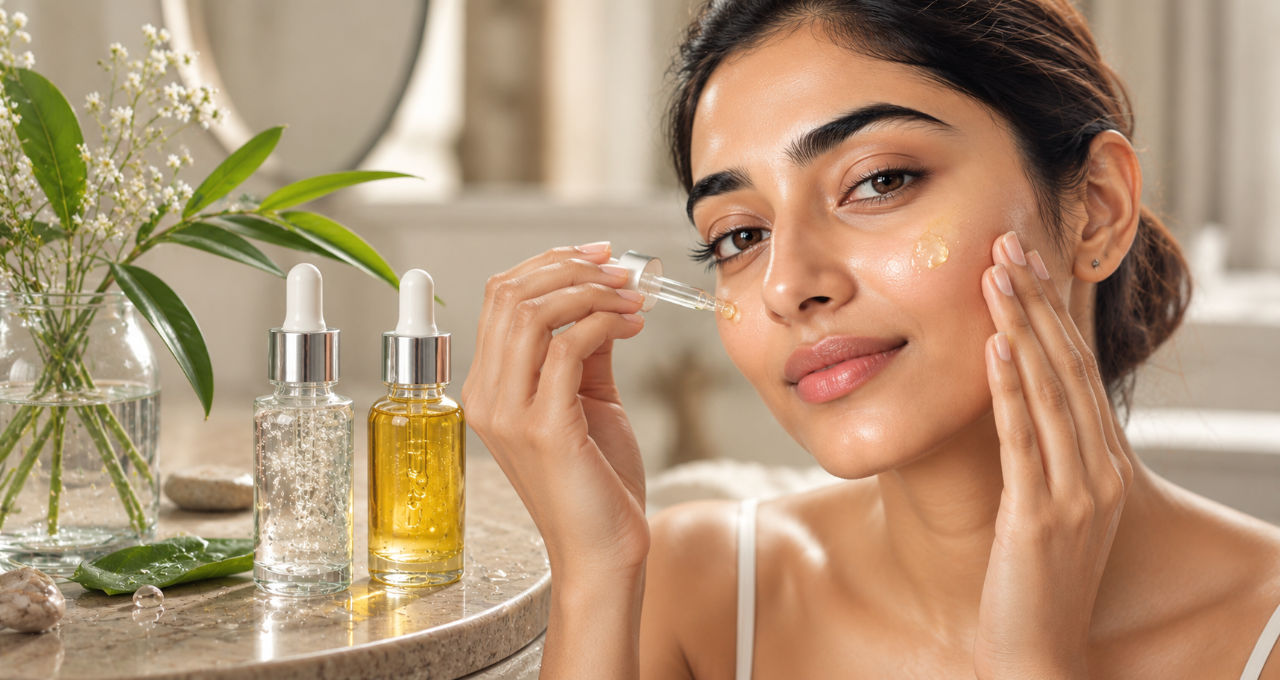
In This Story:
- Face Serum vs Face Oil Explained
- What A Face Serum Does
- What A Face Oil Does
- Why They Feel Different
- When A Serum Works Best
- When A Face Oil Helps More
- Face Serum vs Face Oil Comparison
- Can You Use Both Together?
- Which Is Better For Oily Skin?
- Which Is Better For Dry Skin?
- How Weather Changes Skin Needs
- Do You Need Both Products?
- How To Know What Works
- FAQs
If you’ve been on the hunt for skincare products lately, you’ve probably encountered face serums and face oils.
They can look pretty much the same in the beginning. They are usually sold in small bottles, used after cleansing and often promise healthier skin. That’s why so many people ask themselves if they really need both.
In truth, serums and oils are not really competing products. They are different things, feel different on the skin and work well together if used properly.
What is the Main Difference Between a Face Serum and a Face Oil?
The biggest difference comes down to what each product is trying to do.
A face serum is usually designed to target a specific skin concern.
A face oil is usually designed to help keep the skin comfortable and prevent moisture from escaping.
One focuses more on treatment. The other focuses more on support. That's why many skincare routines include both rather than choosing one over the other.
What Does a Face Serum Actually Do?
A serum is often where the "active" part of a skincare routine happens.
Depending on the formula, a serum can help with concerns such as:
- dehydration
- dullness
- uneven skin tone
- dark spots
- fine lines
- excess oil
Most serums are light and absorb pretty fast.
That's one reason people often use them both morning and night.
They're designed to deliver ingredients directly to the skin without feeling heavy.
What Does a Face Oil Do?
Face oils work a little differently.
Instead of focusing on treatment ingredients, they help support the skin's moisture barrier.
Many people use face oils when their skin feels:
- dry
- rough
- tight
- uncomfortable
A face oil can help create a protective layer that slows down moisture loss.
That's why skin often feels softer and more comfortable after using one.
Why Do They Feel So Different on the Skin?
Honestly, texture is usually the easiest way to tell them apart.
Face Serum
Usually feels:
- lightweight
- fast-absorbing
- water-based
- barely noticeable after application
Face Oil
Usually feels:
- richer
- more nourishing
- slower to absorb
- slightly protective on the skin
Neither texture is better.
It simply depends on what your skin needs at that moment.
When Does a Face Serum Make More Sense?
A serum is often the better choice when you're trying to address a particular concern.
For example:
- Vitamin C serums for dull-looking skin
- Hyaluronic acid serums for dehydration
- Niacinamide serums for excess oil
- Brightening serums for uneven skin tone
In these situations, the serum is usually doing most of the treatment work.
When Does a Face Oil Make More Sense?
Face oils often become useful when skin feels uncomfortable rather than when you're targeting a specific issue.
Many people reach for an oil when their skin feels:
- dry after cleansing
- rough during winter
- tight from weather changes
- dehydrated from air conditioning
In those situations, the extra nourishment can make a noticeable difference.
Face Serum vs Face Oil: Quick Comparison
| Feature | Face Serum | Face Oil |
|---|---|---|
| Texture | Lightweight | Richer |
| Base | Usually water-based | Oil-based |
| Main Purpose | Target specific concerns | Help lock in moisture |
| Absorption | Fast | Slower |
| Feel on Skin | Light | Nourishing |
Looking at it this way makes the difference much easier to understand.
Can You Use Face Serum and Face Oil Together?
Yes, and many people do.
A common routine looks like this:
- Cleanser
- Serum
- Moisturizer
- Face oil (optional)
The serum usually goes first because it's lighter.
The oil typically comes later because it helps seal in the products underneath.
Think of face oil as a finishing step rather than a treatment step.
Which One Is Better for Oily Skin?
This is where face oils sometimes get an unfair reputation.
A lot of people assume oily skin should avoid oils completely. That's not always true.
Some lightweight oils work well for certain skin types.
That said, many people with oily skin often find serums more comfortable because they feel:
- lighter
- less greasy
- easier to wear during the day
Especially in hot or humid weather.
Which One Is Better for Dry Skin?
Dry skin often benefits from both products.
A hydrating serum can help bring moisture into the skin.
A face oil can help reduce moisture loss.
Used together, they often complement each other rather than compete.
That's one reason many dry skin routines include both.
Does Weather Change What Your Skin Needs?
More than most people realize. Many people notice their skincare preferences changing throughout the year.
| Season | What Often Feels Better |
|---|---|
| Summer | Lightweight serums |
| Winter | Richer oils |
| Monsoon | Simpler, lighter layers |
| Air-conditioned environments | Hydration plus barrier support |
Your skin's needs can shift with the weather, and that's completely normal.
Do You Have to Choose One?
Some days your skin may be perfectly happy with a serum alone.
Other days it may appreciate the added comfort of a face oil.
The goal isn't to use more products.
It's to use products that make your skin feel balanced and comfortable.
How Do You Know You're Using the Right Product?
Usually your skin tells you.
The right product often leaves skin feeling:
- comfortable
- balanced
- less tight
- easier to manage
Not necessarily dramatic.
Just comfortable enough that you stop thinking about it.
And honestly, that's often a better sign than any marketing claim on a bottle.
Frequently Asked Questions
-
Is a face serum better than a face oil?
Not necessarily. Serums and oils serve different purposes and can often be used together.
-
Can I use a face oil instead of a serum?
You can, but face oils generally don't target specific skin concerns the way treatment serums do.
-
Should serum go on before face oil?
Yes. Serums are usually applied before oils because they're lighter and absorb more quickly.
-
Is face oil suitable for oily skin?
Some people with oily skin use lightweight oils, but many find serums more comfortable for daily use.
-
Can dry skin use both serum and face oil?
Yes. Many people with dry skin layer both to support hydration and reduce moisture loss.
-
Do I need both a serum and a face oil?
Not always. The best choice depends on your skin type, concerns, and how your skin feels day to day.