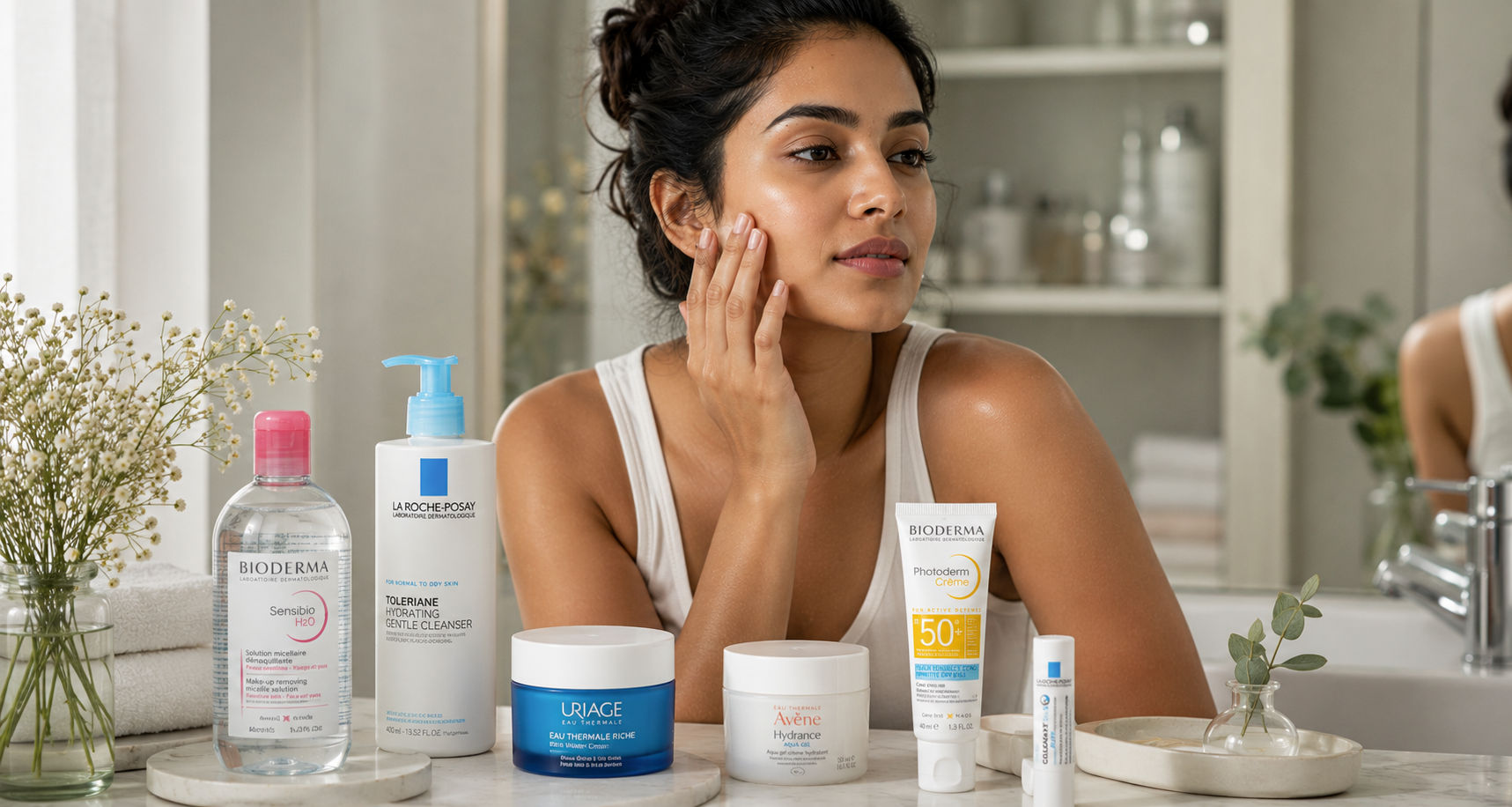
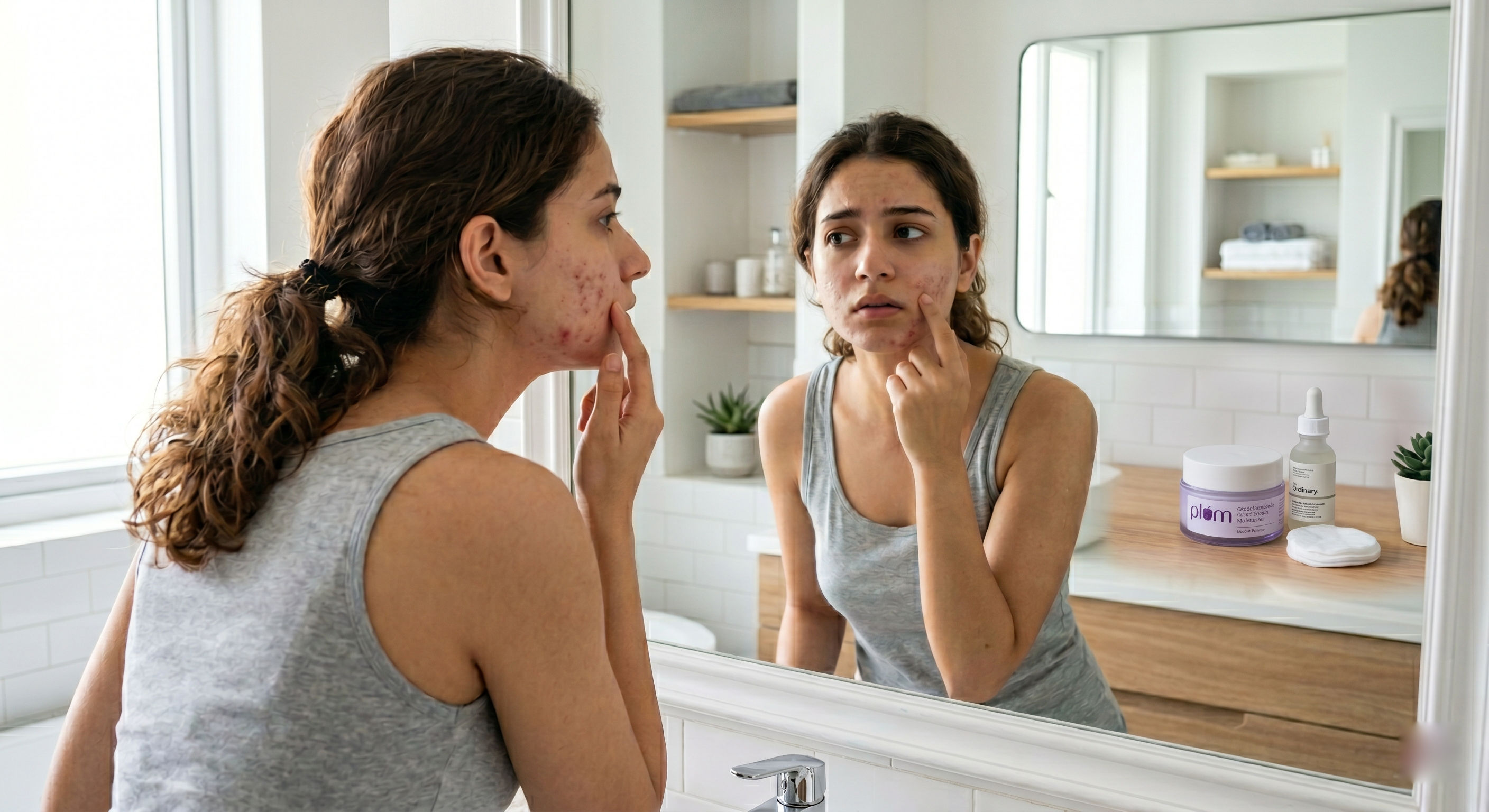
- Some moisturizers can contribute to breakouts depending on texture
- Heavier formulas may not suit every skin type
- Layering and routine also play a role
- Choosing the right texture often makes a difference
- Small adjustments usually improve how your skin responds
Moisturizer is supposed to help your skin feel balanced, so when breakouts show up after using one, it can feel confusing.
It doesn’t always mean the product is bad. In most cases, it’s more about how it fits your skin and how everything in your routine works together.
It usually comes down to how the product sits on your skin
Breakouts linked to moisturizers are often about how the formula behaves after application.
If it sits too heavily, it can trap oil and make your skin feel slightly congested. This tends to happen more if your skin already produces excess oil.
Sometimes it feels fine at first, but after a few days you start noticing small changes.
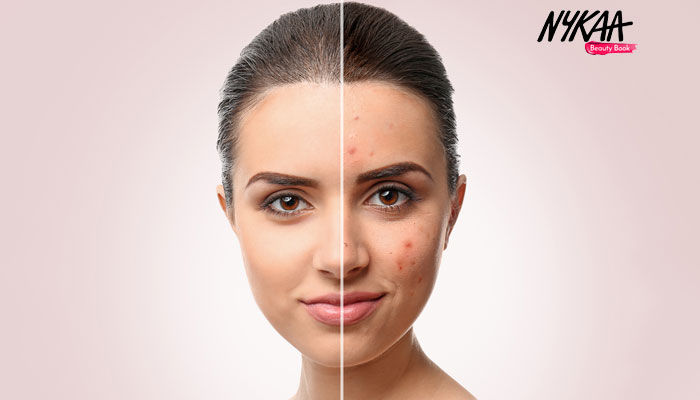
- Tiny bumps that weren’t there before
- Skin feeling layered or greasy
- Breakouts in areas you don’t usually get them
That’s usually a sign the product isn’t matching your skin well.
Product Recommendation:
The texture can quietly be the main reason
Richer creams can feel comfortable at first, but for oily or acne-prone skin, they may end up feeling too much over time.
Lighter gel-based moisturizers absorb faster and don’t sit heavily, which is why they tend to work better in these cases.
Gel-cream textures sit somewhere in between and often feel easier to use daily.
If your skin starts feeling congested, this is usually the first thing worth adjusting.
Sometimes it’s not just the moisturizer
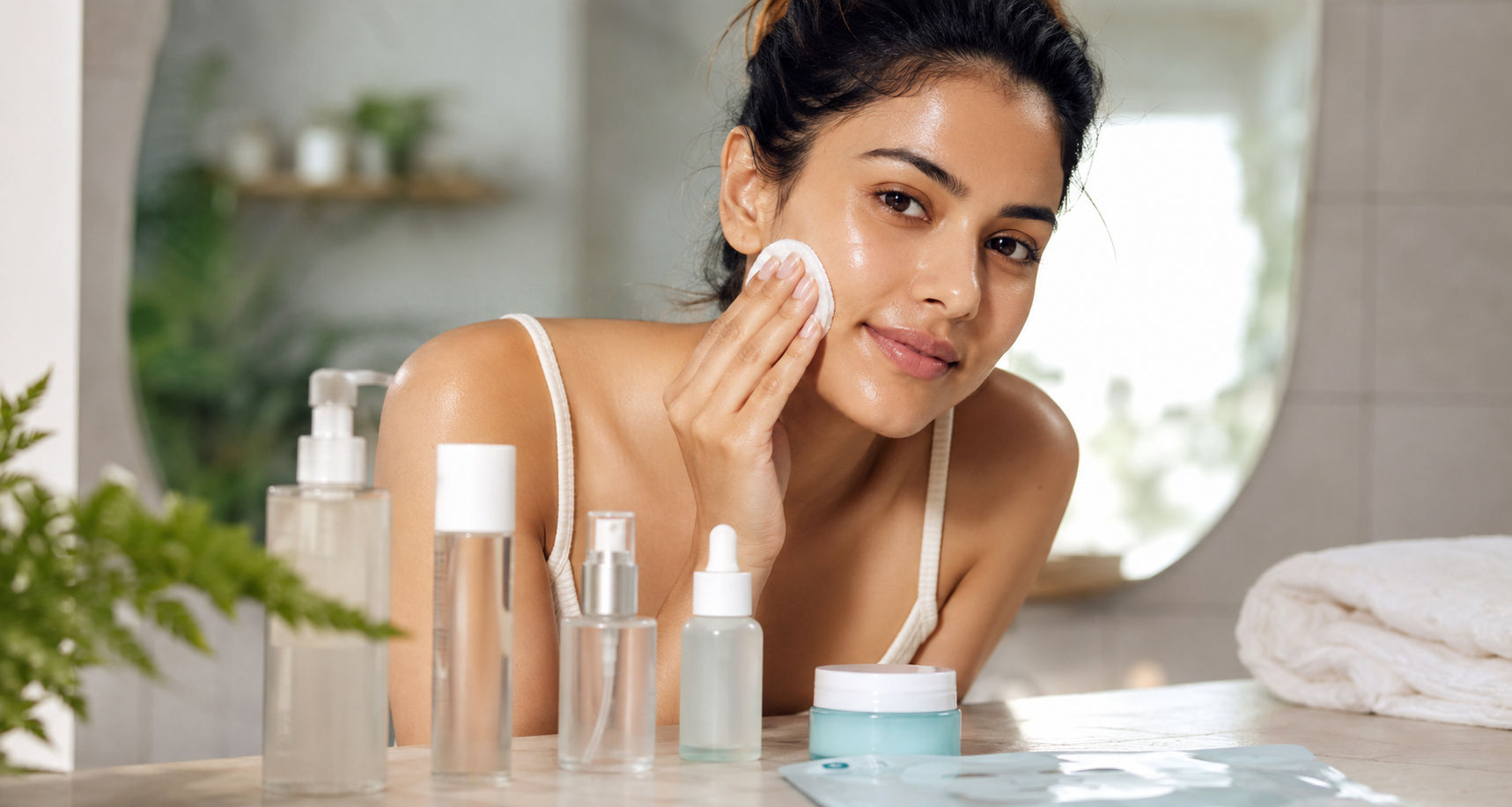
It’s easy to focus on one product, but the rest of your routine matters too.
Layering multiple products, especially heavier ones, can create buildup. Even if each product is fine on its own, together they may feel too much.
Over-cleansing or using strong treatments can also affect how your skin reacts. When your skin barrier is not in a great place, it can start producing more oil, which can lead to breakouts.
In these situations, simplifying things usually helps more than changing just one step.

| Ingredient | % Range | Function | Timeline |
|---|---|---|---|
| Ceramides | 0.5–2% | Support barrier without clogging pores | 2–6 weeks |
| Niacinamide | 2–5% | Helps regulate oil | 2–4 weeks |
| Glycerin | 5–10% | Hydrates without heaviness | Immediate |
| Hyaluronic Acid | 0.1–1% | Provides lightweight hydration | Immediate |
| Shea Butter | 2–10% | Nourishes but can feel heavy for some | Varies |
It depends on how your skin reacts to it and what else you’re using.
Weather can make the same product feel different
In humid conditions, heavier textures can start feeling excessive and lead to congestion more easily.
In drier environments, the same product may feel more comfortable.
| Condition | What Usually Works Better |
|---|---|
| Humid weather | Gel or gel-cream |
| Dry heat | Light cream |
| Winter | Cream |
| Air-conditioned environments | Gel-cream |
Sometimes your skin hasn’t changed much, but your surroundings have.
A few small changes usually clear things up
You don’t always need to replace your moisturizer completely.
- Try switching to a lighter texture
- Use a smaller amount
- Reduce layering if your routine feels heavy
- Give your skin time before changing again
These changes are simple, but they often make the biggest difference.
Product Recommendation:
Application can affect more than expected
How you apply your moisturizer also matters.
Using too much or layering too quickly can make your skin feel overloaded.
- Apply on clean, slightly damp skin
- Use a small, even amount
- Let each layer settle before adding another
- Avoid stacking too many heavy products
When your routine feels lighter, your skin usually responds better.
When it starts working, your skin feels more stable
You don’t always see an immediate difference.
It’s more about how your skin behaves over time.
- Fewer unexpected breakouts
- Skin feels less congested
- More balanced through the day
That’s usually how you know things are improving.
FAQs about Can Moisturizer Cause Pimples or Breakouts
-
Can moisturizer cause pimples?
Yes, if the texture or ingredients do not suit your skin, it can contribute to breakouts.
-
How do I know if my moisturizer is breaking me out?
If you notice new breakouts after starting a product, especially in unusual areas, it may not be suitable.
-
Should I stop using moisturizer if I have acne?
No, moisturizing is still important. Choosing the right texture helps avoid congestion.
-
Which moisturizer is best for acne-prone skin?
Lightweight gel or gel-cream formulas usually work better.
-
How long should I wait before changing my moisturizer?
Give your skin some time to adjust before deciding if it’s working.