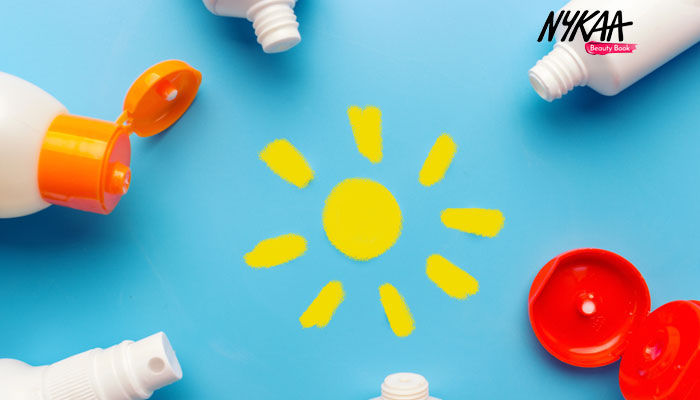
While trendy packaging is tempting, skin experts look for three things: Photostability, Broad-Spectrum Efficacy, and Non-Comedogenic safety. In the intense UV landscape of India, where pollution and heat often exceed global averages, "cosmetic" sunscreens sometimes fall short. This guide explores the "Pharmacy Favorites" that dermatologists actually prescribe to treat melasma, prevent aging, and protect sensitive skin.
1. Why Experts Prioritize "Pharmacy Brands"
Dermatologists often lean toward brands like Cetaphil, La Roche-Posay, and Fixderma. These products undergo rigorous In-Vivo testing (the gold standard where products are tested on human skin, not just in a lab).
- The 2026 Standard: Look for compliance with IS 17494:2025, the latest Indian Bureau of Standards certification for SPF accuracy.
- Photostability: This ensures the UV filters don't "break down" after 30 minutes of sitting in the sun.
2. Top-Rated Clinical Picks on Nykaa
The Gold Standard for Oily/Acne-Prone Skin
- UV Doux Silicone Sunscreen Gel (SPF 50, PA+++): Frequently prescribed by Indian doctors, this silicone-based gel provides a matte finish that resists sweat and humidity. It is "Non-Comedogenic," meaning it won't trigger the "Sunscreen Acne" many oily-skinned users fear.
- Solasafe Silicone Sunscreen Gel: Known for its "velvet touch," this pharmacy staple glides on like a primer, making it ideal for those who wear makeup daily.
The Savior for Sensitive & Reactive Skin
- Cetaphil Sun SPF 50+ Light Gel: Specifically formulated for extremely sensitive skin, this gel is fragrance-free and paraben-free. It uses a high concentration of mineral filters to reflect UV rays without causing the "stinging" sensation typical of chemical sunscreens.
- La Shield Fisico (100% Mineral): A transparent, physical sunscreen that contains only Zinc Oxide. It is the "safe bet" for post-chemical peel or post-laser skin care.
The Pigmentation & Melasma Specialists
- Melblok Pigmentation Control Day Cream (SPF 50+): As noted by experts at Melblok Research, this acts as both a shield and a corrective treatment, regulating melanin production while blocking 98% of UVB rays.
- Photostable Pro+ Hydragel (SPF 80+): For those with severe hyperpigmentation or those spending 6+ hours outdoors, this offers an ultra-high protection factor with new-gen filters like Tinosorb.
3. The "Expert Rules" for Maximum Protection
According to leading Indian dermatologists, applying sunscreen is a science, not a suggestion:
- The 2-Finger Dosage: You need roughly 2.0mg of product per square centimeter of skin. Using less than two full fingers of product for your face means you are likely only getting SPF 15 protection from an SPF 50 bottle.
- The "Wait and Set" Rule: Chemical sunscreens need 15–20 minutes to bind with the skin's top layer. If you apply and immediately walk into the sun, the product can "evaporate" or rub off before it starts working.
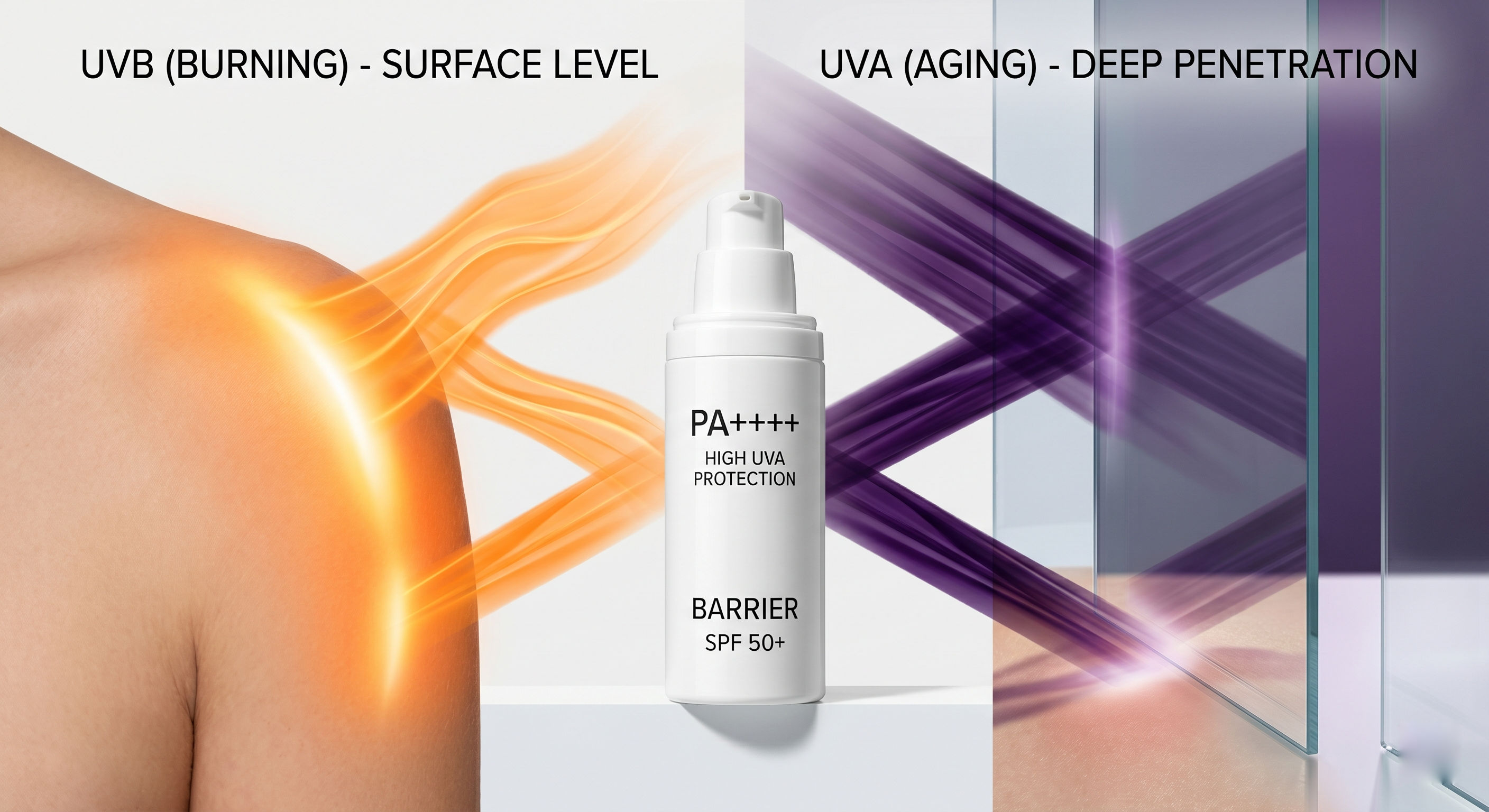
- The Reapplication Reality: Sunscreen filters are like batteries; they run out. If you are sitting near a window in an office in Mumbai or Delhi, UVA rays are still reaching you. Reapply at 1:00 PM even if you applied it at 8:00 AM.
Frequently Asked Questions
-
Why do doctors prefer SPF 50 over SPF 100?
SPF 30 blocks 97% of UVB, and SPF 50 blocks 98%. The jump to SPF 100 only adds about 1% more protection but often requires a much thicker, greasier formula that can clog pores. Experts recommend a "comfortable" SPF 50 that you will actually wear every day.
-
Does "Broad-Spectrum" cover Blue Light (HEV)?
Not always. Standard broad-spectrum covers UVA and UVB. To protect against blue light from phones and laptops-which causes "Digital Aging"-look for sunscreens containing Iron Oxides (usually found in tinted versions) or specialized antioxidants like Ectoin.
-
Can I use sunscreen if I have active, painful acne?
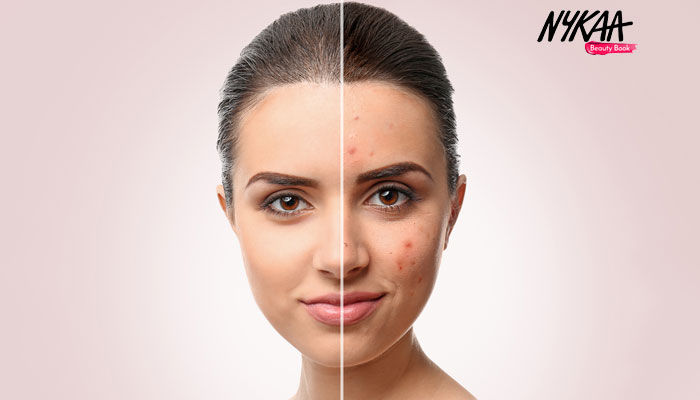
Yes. In fact, UV rays darken acne scars (PIH). Choose a "Pharmacy Gel" like Rayfree Nano Gel or BHA-infused SPF that treats the acne while protecting the skin.
-
Is it safe to use "Physical" sunscreens every day?
Absolutely. Physical (Mineral) sunscreens are inert and don't absorb into the bloodstream, making them the safest choice for long-term daily use, especially for pregnant women or those with skin allergies.
-
What is the "Critical Wavelength" listed on some clinical bottles?
This is a technical measure of how far into the UVA spectrum a sunscreen protects. A wavelength of 370nm or more is considered excellent for preventing deep-tissue aging and tanning.
-
How should I remove waterproof clinical sunscreen?
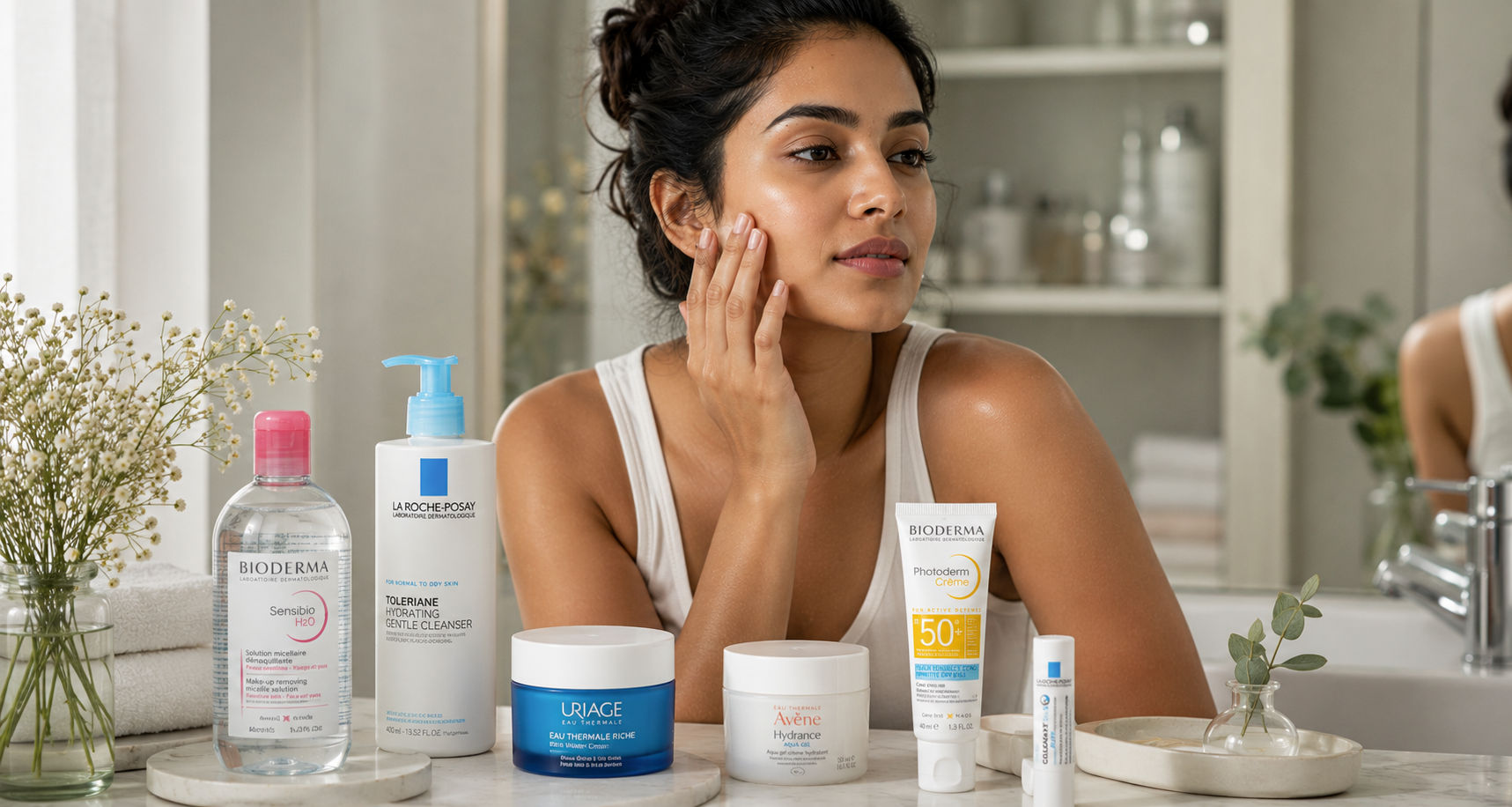
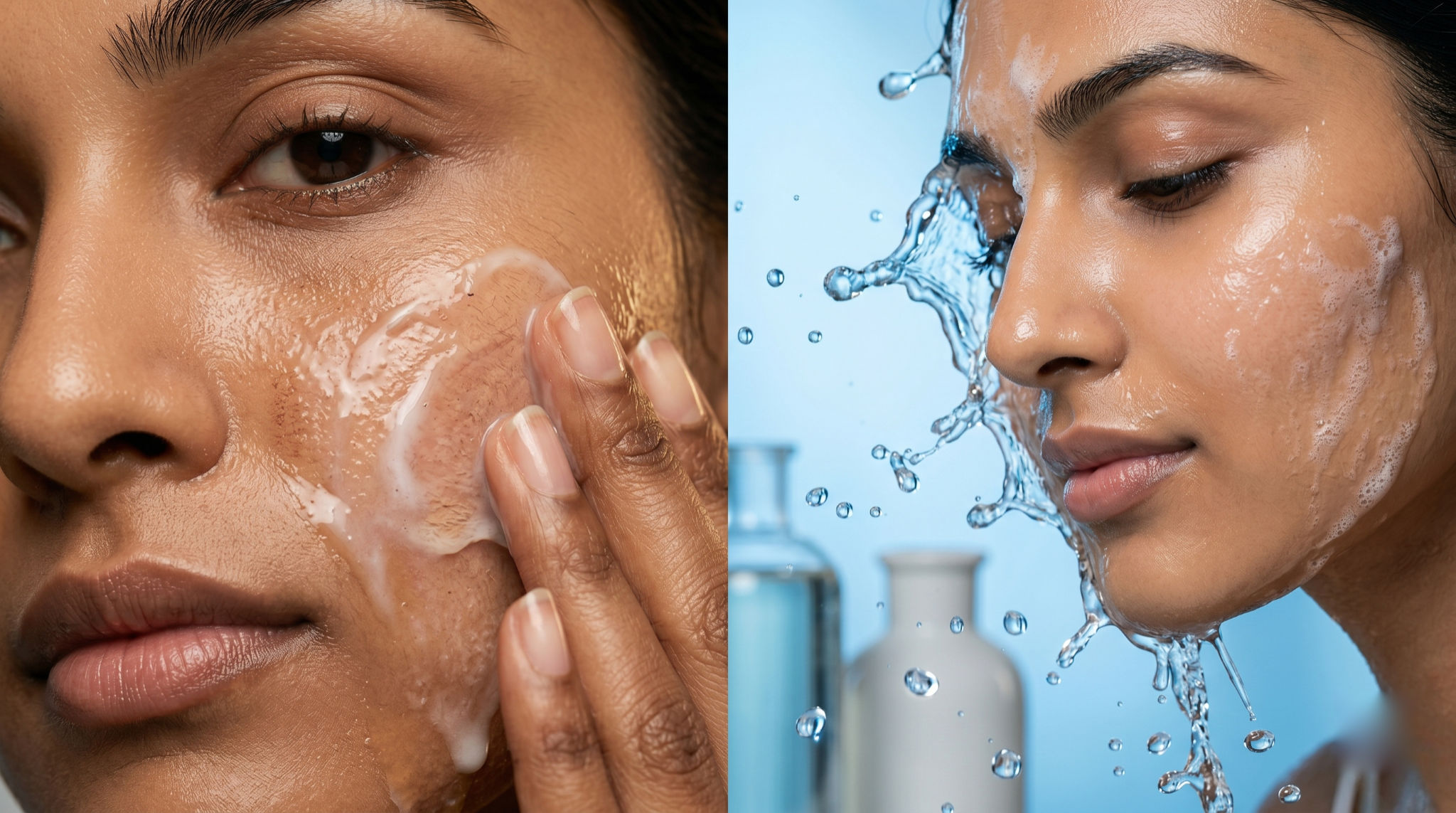
Pharmacy sunscreens are designed to stick. Use a Double Cleanse - start with Micellar water or a cleansing oil (like Bioderma Sensibio) to break down the silicone, then follow with your regular face wash.
-
Can I mix my SPF with my moisturizer to make it lighter?
Never. Mixing SPF with any other product dilutes the UV filters and creates "holes" in your protection. Always layer them: Moisturizer first, wait 2 minutes, then Sunscreen.
-
Why does my skin feel warm after applying chemical sunscreen?
Chemical filters work by absorbing UV rays and converting them into heat. This is a normal reaction. If the warmth is accompanied by itching or redness, switch to a Mineral formula.
Expert Tip: In 2026, the best sunscreen is the one you enjoy wearing. If a clinical gel feels too dry, switch to a "Hydragel." If a cream feels too heavy, look for an "Aqua Fluid." Consistency is the only way to prevent sun damage.