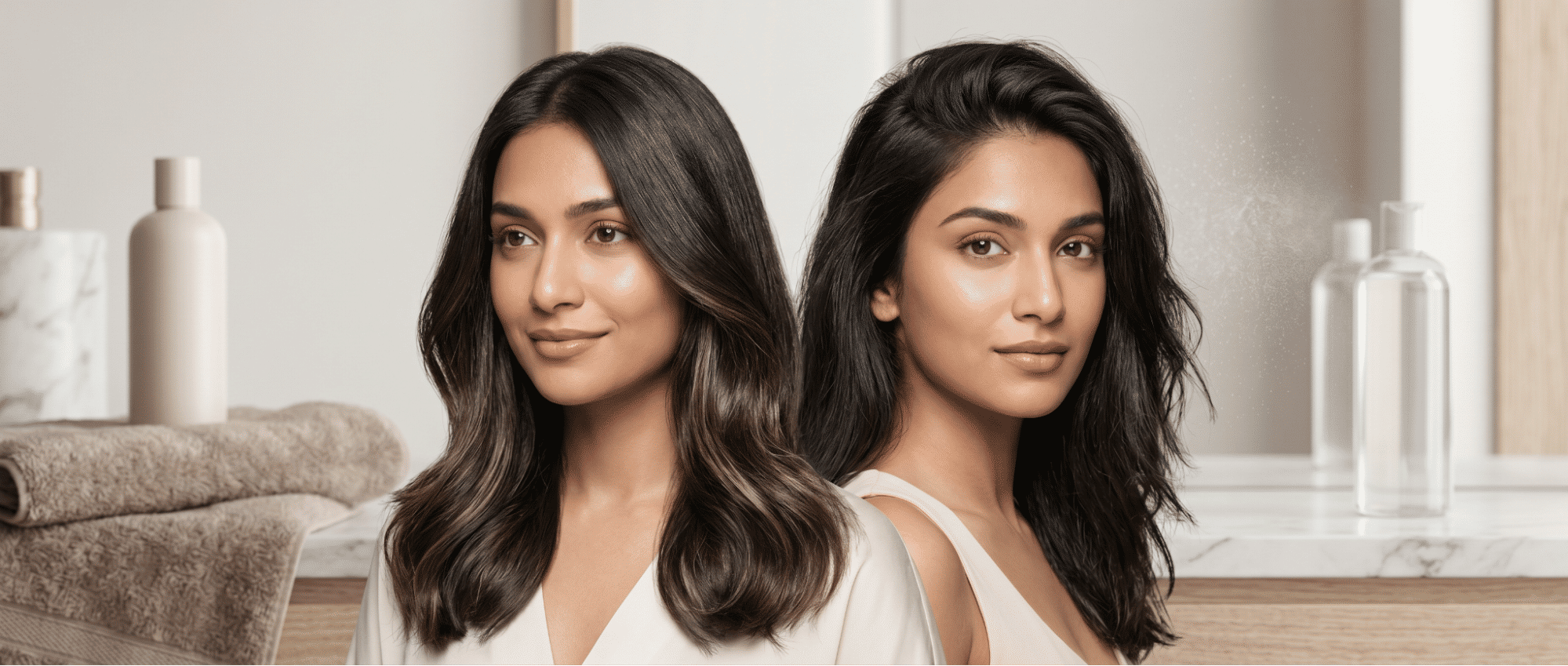
Dry hair and oily hair often need completely different routines, which is why products that work beautifully for one hair type may not suit another.
Hair care advice can feel contradictory sometimes.
One person swears by rich hair masks and nourishing oils. Another says lightweight products are the only way to keep hair looking fresh. Both routines may work well but not for the same hair type.
That's usually where the confusion starts. Dry hair and oily hair often need completely different approaches. A product that improves one can easily make the other feel worse.
The good news is that once you understand what your hair actually needs, building a routine becomes much simpler.
In This Story:
- How To Tell If Hair Is Dry Or Oily
- Why Dry Hair Needs Moisture
- Why Moisturizing Shampoo Matters
- Why Conditioner Matters For Dry Hair
- When Leave-In Products Help
- Why Heat Protection Matters
- Why Oily Hair Needs Balance
- Why Balancing Shampoo Helps
- Why Oily Hair Still Needs Conditioner
- Why Lightweight Styling Works Better
- Why Washing Schedules Differ
- Dry Hair Vs Oily Hair Explained
- Why Copying Routines Backfires
- What If You Have Oily Roots And Dry Ends?
- How Weather Changes Hair Needs
- What Healthy Hair Really Looks Like
- Why The Right Routine Feels Easier
- FAQs
How do you know if your hair is dry or oily?
Before changing your routine, it's worth figuring out what you're dealing with.
Dry hair often feels:
- rough to the touch
- frizzy throughout the day
- dull rather than shiny
- prone to tangles
- dry around the ends
Oily hair usually looks and feels different.
You may notice:
- greasy roots shortly after washing
- hair that feels heavy quickly
- reduced volume
- scalp buildup
- hair that separates into sections faster
Some people even experience both an oily scalp with dry ends which is more common than many realize.
If you have dry hair, focus on moisture
Dry hair is often looking for one thing: hydration.
That doesn't mean coating it with product after product. Usually, it's about helping hair stay softer and more comfortable throughout the day.
A moisture-focused routine often works best.
Step 1: Choose a moisturizing shampoo
One thing do wrong is have shampoos that are too harsh.
If your hair already feels dry, harsh cleansing can leave it feeling even rougher after every wash.
Look for shampoos that focus on:
- hydration
- softness
- nourishment
- moisture balance
Hair should feel clean after washing, but not stripped.
Step 2: Make conditioner a non-negotiable step
There product that has a way of consistently helping dry hair, and that is conditioner.
Conditioner can help:
- improve softness
- reduce tangles
- smooth rough areas
- make hair easier to manage
Spend a little extra time applying it through the mid-lengths and ends, where dryness usually shows up first.
Step 3: Add a leave-in product if needed
Some dry hair types benefit from extra support between washes.
A lightweight leave-in conditioner or hair serum can help:
- control frizz
- improve smoothness
- add softness
- reduce dryness throughout the day
Not everyone needs this step, but many people find it helpful.
Step 4: Be mindful of heat styling
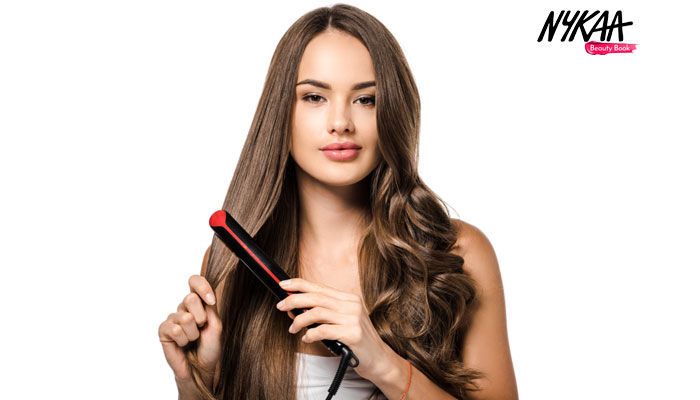
The use straighteners, curling irons and blow-drying over time can leave dry hair feeling even more fragile.
If you regularly style with heat, using a heat protectant is usually worth it.
Protecting hair often makes a bigger difference than trying to repair damage later.
If you have oily hair, focus on scalp balance
Oily hair is often misunderstood. Many people assume the solution is washing more aggressively or skipping conditioner completely.
Usually, that doesn't help. A balanced routine tends to work better than an overly harsh one.
Step 1: Use a balancing shampoo
Oily hair generally benefits from shampoos that help remove excess oil without making the scalp feel stripped.
Look for formulas designed to:
- refresh the scalp
- remove buildup
- reduce excess oil
- leave minimal residue
The goal isn't a squeaky-clean scalp.
The goal is a comfortable one.
Step 2: Don't skip conditioner
This surprises a lot of people. Conditioner doesn't automatically make hair oilier.
In fact, avoiding it completely can sometimes leave the lengths feeling dry and difficult to manage.
A simple approach works best:
- apply conditioner to the lengths
- focus on the ends
- avoid the scalp area
That usually provides moisture where it's needed without weighing down the roots.
Step 3: Keep styling products lightweight
Heavy creams, oils, and rich styling products can sometimes make oily hair feel greasy faster.
Many people find better results with:
- lightweight serums
- volumizing sprays
- light leave-in products
Less product is often more with oily hair.
Step 4: Wash based on your scalp's needs
One of the biggest hair myths is that everyone should wash on the same schedule.
Some people genuinely need more frequent washing.
Others don't.
If your scalp feels oily, uncomfortable, or heavy with buildup, washing may simply be the right choice for your hair type.
A quick comparison
| Routine Step | Dry Hair | Oily Hair |
|---|---|---|
| Shampoo | Moisturizing formula | Balancing formula |
| Conditioner | Rich hydration | Lightweight hydration |
| Leave-In Care | Often helpful | Optional |
| Hair Oil | Usually beneficial | Use sparingly |
| Styling Products | Moisture-focused | Lightweight formulas |
Neither routine is better.
They're just solving different problems.
One mistake both hair types make
A lot of hair frustration comes from copying someone else's routine.
You see a product working beautifully for someone online and assume it will do the same for you.
But hair types respond differently.
A rich hair mask that transforms dry hair may leave oily hair feeling flat.
A scalp-cleansing shampoo that works for oily roots may feel too harsh for someone dealing with dryness.
Hair care usually becomes easier once you stop following trends and start paying attention to your own hair.
What if you have oily roots and dry ends?
This is actually one of the most common hair concerns.
The scalp produces oil naturally, but the lengths and ends don't always receive enough of it.
In this situation, many people do well with a combination approach:
- balancing shampoo on the scalp
- conditioner focused on the lengths
- occasional hair oil on the ends
- lightweight styling products
You don't have to choose between treating your scalp and treating your ends.
You can do both.
Weather changes what your hair needs
Hair often behaves differently depending on the season.
Summer
- oily roots may become oilier
- sweat can increase scalp buildup
Monsoon
- frizz often becomes more noticeable
- hair may feel heavier
Winter
- dryness usually becomes more obvious
- ends may feel rougher
Small adjustments often work better than completely changing your routine.
Healthy hair doesn't look the same on everyone
This is worth remembering.
Some people naturally have:
- more texture
- more volume
- slightly oily roots
- drier ends
That's normal.
Healthy hair isn't always perfectly smooth or shiny.
Most people are simply looking for hair that feels:
- comfortable
- manageable
- balanced
- easier to style
And that's a much more realistic goal.
When your routine matches your hair type, everything feels easier
That's usually the biggest sign you're on the right track.
Hair behaves better between washes.
Styling takes less effort.
Roots feel fresher.
Ends feel softer.
And you spend less time trying to fix problems that the wrong products may have created in the first place.
Frequently Asked Questions
-
What is the best routine for dry hair?
A moisturizing shampoo, conditioner, optional leave-in care, and occasional deep conditioning usually work well for dry hair.
-
What is the best routine for oily hair?
A balancing shampoo, lightweight conditioner, and minimal heavy styling products are often helpful for oily hair.
-
How do I know if my hair is dry or oily?
Dry hair usually feels rough and frizzy, while oily hair tends to develop greasy roots and lose volume quickly.
-
Should oily hair use conditioner?
Yes. Applying conditioner mainly to the lengths and ends can help maintain balance without weighing down the scalp.
-
Why is my scalp oily but my ends dry?
This is very common. Your scalp naturally produces oil, while the ends often receive less moisture and protection.
-
What is the biggest mistake people make with oily hair?
Overwashing or using very harsh shampoos can sometimes make the scalp feel even oilier over time.