- Glycolic acid is an AHA used for gentle surface exfoliation
- It helps improve texture and reduce dullness over time
- Often used as a toner step after cleansing
- Works gradually rather than instantly
- Needs careful use to avoid over-exfoliation
Glycolic acid toners tend to come up when skin starts feeling a little uneven or dull. It’s one of those ingredients that sounds strong at first, but in the right routine, it usually feels quite manageable.
A lot of people expect quick results with it. In reality, it’s more about steady changes that build over time.
It works on the surface, not deep inside the skin
Glycolic acid is part of the AHA group, which mainly focuses on the top layer of your skin.
It helps loosen the buildup of dead skin cells, which can make your skin look a bit dull or feel slightly rough.
Once that layer starts clearing gradually, your skin tends to look smoother and a little more even.
It’s not doing anything drastic underneath. Most of the change you see comes from the surface improving.
The difference shows more in texture than anything else
This is usually the first thing people notice.
Your skin may start to feel smoother when you touch it. Over time, it can also look a bit clearer, especially if dullness was an issue.
It’s not an overnight shift. It’s more like your skin slowly starts looking more refined.
That’s where most of the glycolic acid toner benefits and usage come into play.
It’s often used as a toner, but behaves differently
Even though it comes in a toner format, it doesn’t act like a basic hydrating toner.
It’s more of a treatment step.
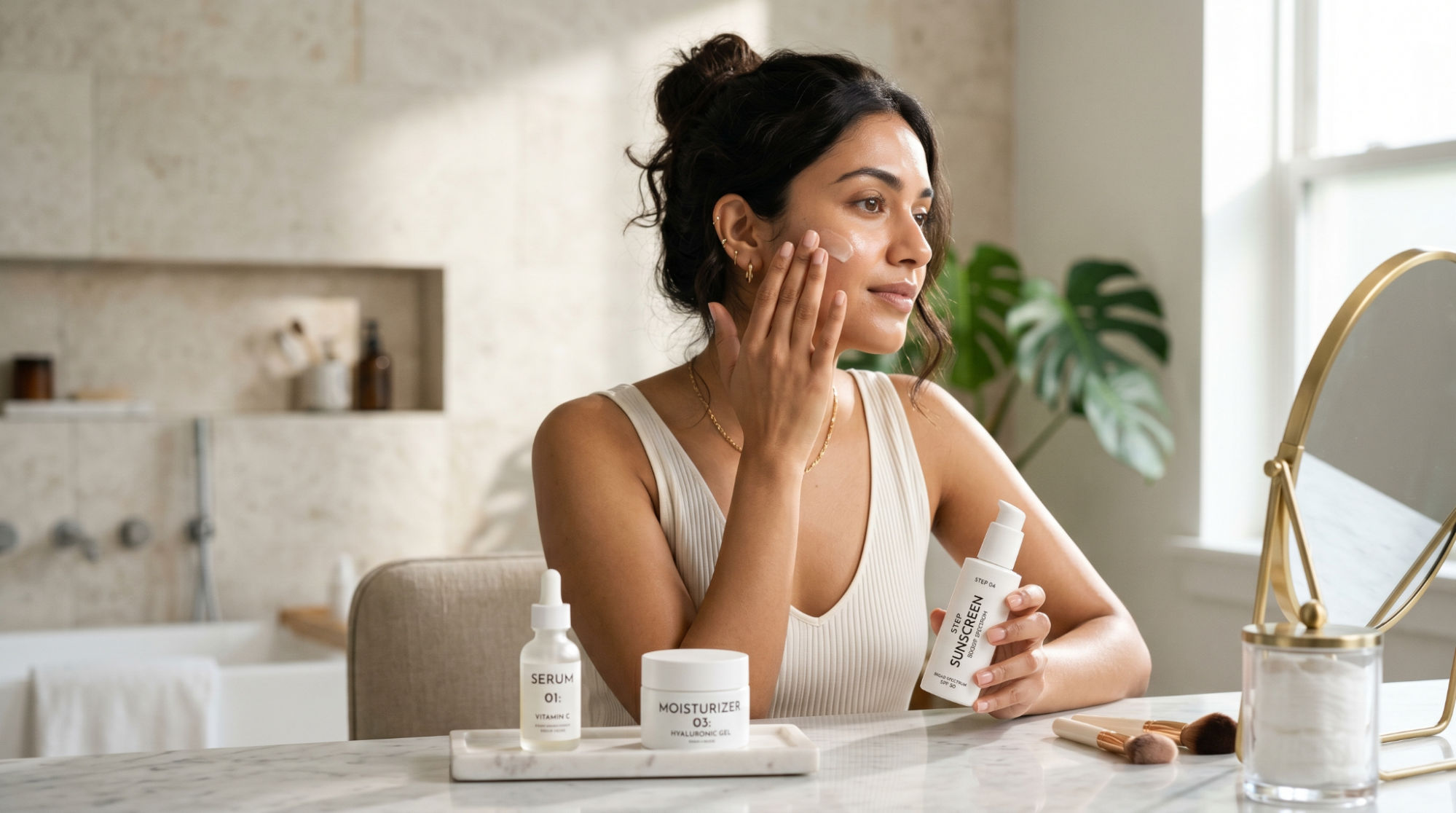
After cleansing, it’s applied to help prep the skin by gently exfoliating. That also helps the next steps in your routine absorb a bit better.
Because of this, it’s usually not used every single day, especially in the beginning.
A few ingredients that help balance exfoliation
| Ingredient | % Range | Function | Timeline |
|---|---|---|---|
| Glycolic Acid | 5–10% | Exfoliates and improves texture | 2–6 weeks |
| Hyaluronic Acid | 0.1–1% | Maintains hydration | Immediate |
| Glycerin | 5–10% | Helps prevent dryness | Immediate |
| Panthenol | 1–5% | Soothes the skin | 1–2 weeks |
| Niacinamide | 2–5% | Supports overall balance | 2–4 weeks |
Using an AHA toner for exfoliation usually feels better when the rest of your routine focuses on hydration.

The first few uses can feel slightly different
This is something people don’t always expect.
Your skin might feel a little more sensitive at first, or slightly dry in certain areas. It doesn’t happen for everyone, but it’s fairly common.
Starting slowly usually helps.
Using it a few times a week instead of daily makes it easier for your skin to adjust.
Texture and strength can change the experience
Not all glycolic toners feel the same.
Lower concentrations tend to feel gentler and are easier to use regularly. Higher strengths can feel more noticeable on the skin.
If your skin starts feeling uncomfortable, it’s often a sign to reduce how often you’re using it rather than stopping completely.
The base formula also matters. Some feel more hydrating, while others feel more active.
Your surroundings can affect how your skin responds
In humid weather, exfoliation may feel lighter and easier to manage. In dry conditions, your skin may feel more sensitive.
| Condition | What Usually Works Better |
|---|---|
| Humid weather | Light exfoliation routines |
| Dry heat | Exfoliation + hydration |
| Winter | Less frequent use |
| Air-conditioned environments | Gentle layering with hydration |
Sometimes it’s not the product, just the environment changing how it feels.
Using it too often usually does more harm than good
It’s tempting to use it more frequently for faster results.
In practice, overuse can make your skin feel irritated or slightly uneven.
Spacing it out usually works better.
- Use a few times a week
- Follow with a moisturizer
- Keep the rest of your routine gentle
That balance tends to give better results over time.
What you might start noticing after a few weeks
The changes are usually gradual.
Your skin may feel smoother first. After that, it may look a bit clearer and less dull.
It’s not dramatic, but it’s noticeable over time.
When it’s working, your skin just looks more refined
There isn’t usually a big shift.
It shows up in small ways.
- Texture feels smoother
- Skin looks slightly brighter
- Overall tone feels more even
It’s more about consistency than quick results.
Frequently Asked Questions about What Is Glycolic Acid Toner and How Does It Work on Your Skin
-
What is glycolic acid toner used for?
It is used for gentle exfoliation, helping improve skin texture and reduce dullness.
-
Can I use glycolic acid toner every day?
It is usually better to start a few times a week and adjust based on your skin’s response.
-
Is glycolic acid toner good for all skin types?
It can work for most skin types, but sensitive skin may need lower strength and less frequent use.
-
What should I apply after glycolic acid toner?
A hydrating serum and moisturizer help balance the routine.
-
How long does it take to see results?
You may start noticing smoother skin within a few weeks of consistent use.