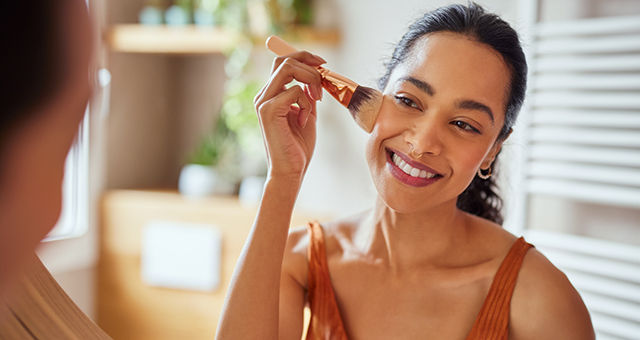
The way blush is placed affects how the cheeks, jawline and overall face shape appear, which is why some placements look fresher and more flattering than others. Softer blending and understanding your face shape usually make blush look much more natural and effortless in everyday makeup
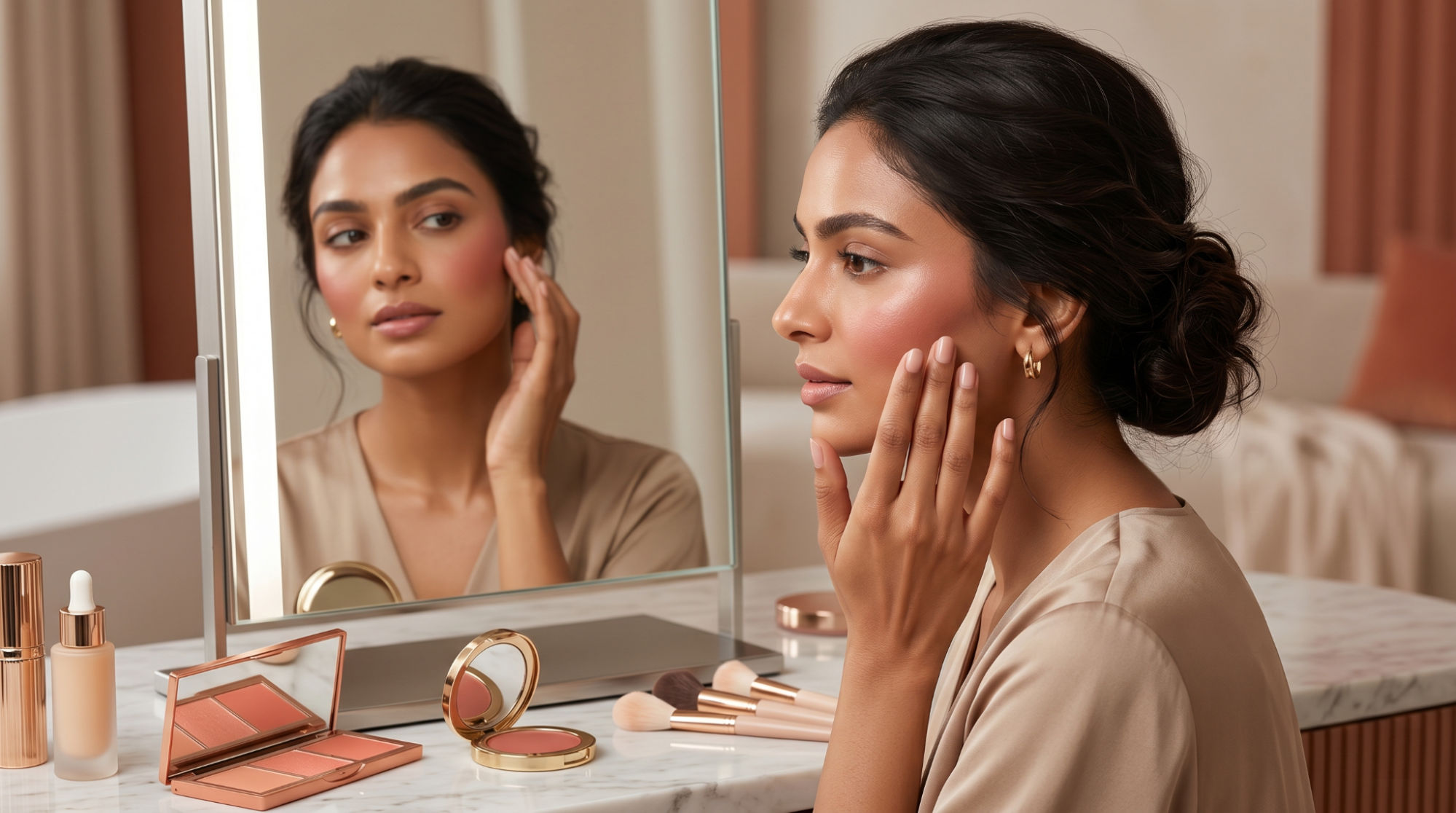
Blush is one of those makeup products that can completely change how your face looks with very little effort.
Sometimes it makes the skin look fresh and healthy. Other times it somehow sits too low, too close to the nose, or makes the face look heavier instead of lifted.
That's usually when people start looking up how to apply blush correctly because the placement can completely change the balance of the face.
And honestly, face shape does affect where blush tends to look the most natural.
In This Story:
Blush placement changes the overall shape of the face
This is usually the first thing people notice.
Where blush sits can make the face look:
- softer
- more lifted
- more sculpted
- fresher and more balanced
For example:
- higher blush placement usually creates a lifted effect
- centered blush gives a softer youthful look
- lower placement can sometimes drag the face downward
That's why placement matters just as much as the blush shade itself.
Best Blush Placement for Different Face Shapes
Round Face Shape
Round faces usually look best with blush placed slightly higher on the cheeks.
The goal is usually to create a little more lift and structure naturally.
Usually works best:
- blend upward toward the temples
- avoid placing too much blush directly near the center of the cheeks
- keep the shape slightly angled outward
This helps the face look softer and slightly more sculpted.
Oval Face Shape
Oval faces are usually the easiest to work with because most blush placements look balanced naturally.
You can usually wear:
- lifted blush placement
- soft centered blush
- natural cheek-focused placement
This face shape gives more flexibility depending on the makeup style you prefer.
Long Face Shape
Longer face shapes usually look more balanced with softer horizontal blush placement.
Instead of blending blush very high upward, it usually looks better:
- slightly across the cheeks
- softly outward
- with less sharp lifting
This helps add width and softness to the face naturally.
Heart-Shaped Face
Heart-shaped faces usually suit softer rounded blush placement.
Very sharp blush near the temples can sometimes make the upper face look stronger.
Usually works better:
- blending softly around the outer cheeks
- keeping the blush diffused
- avoiding overly dramatic lifted placement
This helps the face look balanced and softer overall.
Square Face Shape
Square face shapes usually look best with blush that softens stronger angles.
Usually flattering:
- circular blending motions
- blush slightly higher on the cheeks
- softened edges instead of harsh placement
This helps balance sharper jawlines naturally.
Blending matters more than exact placement sometimes
This honestly gets overlooked a lot.
Even the "perfect" blush placement can look harsh if:
- too much product is applied at once
- the blush isn't blended properly
- the formula is too powdery or pigmented
Usually softer blending makes blush look more natural on every face shape.
That's often more important than following strict placement rules.
Different blush placements create different makeup effects
| Placement Style | What It Usually Looks Like |
|---|---|
| High cheek placement | Lifted face effect |
| Centered blush | Soft youthful flush |
| Across the cheeks | Balanced softer shape |
| Temple blending | Sculpted makeup look |
| Nose + cheek blush | Fresh trendy makeup style |
There's honestly more flexibility now than there used to be.
Face shape "rules" aren't strict anymore
This part matters.
Modern makeup trends are leaning more toward:
- natural-looking skin
- softer blending
- personal preference
- makeup that feels wearable daily
So if a certain blush placement makes your face look fresher or more balanced, that usually matters more than following exact rules.
Blush texture changes how placement looks too
Different blush formulas change the final effect on the skin.
| Blush Texture | What It Usually Looks Like |
|---|---|
| Cream blush | Softer natural flush |
| Soft matte blush | Smooth balanced finish |
| Satin blush | Fresher healthy glow |
| Powder blush | More defined cheek color |
| Dewy blush | More radiant skin effect |
Cream and satin textures usually make blush placement look softer and more blended.
Indian weather changes blush wear too
Especially during summer and humidity.
| Condition | What Usually Works Better |
|---|---|
| Humid weather | Soft matte blush |
| Dry weather | Cream blush |
| Winter | Satin finishes |
| Peak summer | Lightweight blended blush |
Heavy blush placement can become much more noticeable in heat.
The best blush placement usually looks effortless
That's honestly the goal.
When blush placement works well:
- skin looks fresher
- the face looks naturally balanced
- features appear softer or more lifted
- makeup blends naturally into the skin
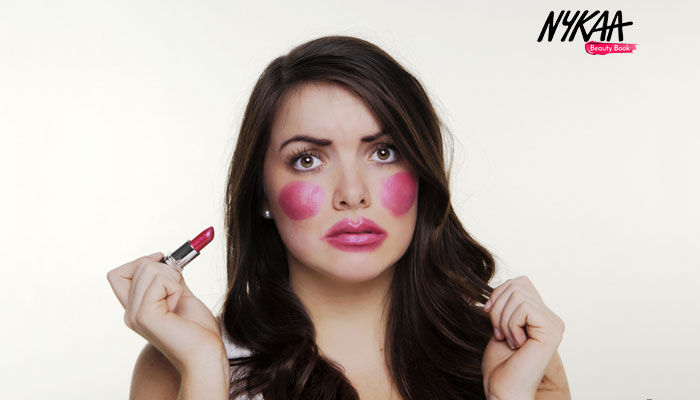
The blush shouldn't feel like a separate stripe of color sitting on top of the makeup.
It should just make the face look healthier overall.
Frequently Asked Questions
-
How do I apply blush correctly?
Apply lightly and blend based on your face shape instead of placing heavy color in one area.
-
Where should blush go on a round face?
Usually slightly higher and outward toward the temples for a more lifted effect.
-
What blush placement suits long faces?
Softer horizontal placement across the cheeks usually balances longer face shapes best.
-
Does blush placement really matter?
Yes. Placement changes how balanced, lifted, or soft the face looks overall.
-
Which blush texture looks most natural?
Cream, satin, and soft matte blushes usually blend most naturally into the skin.
-
Should blush go near the nose?
A little can look fresh and natural, but placing too much too close to the nose can sometimes make makeup look heavier.
-
Is cream blush better for beginners?
Usually yes, because cream blush tends to blend more softly and naturally.