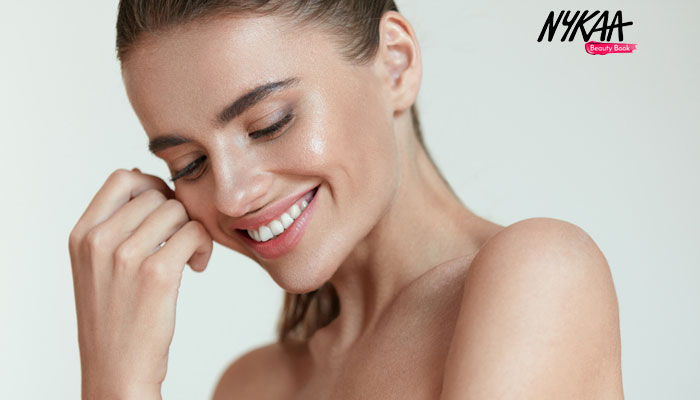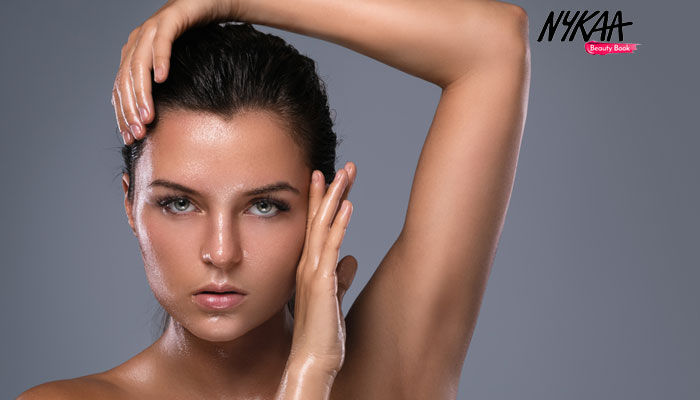

You’ve seen it on red carpets, magazine covers, and those seemingly unretouched paparazzi shots, that skin. Not quite dewy, not fully matte, but something in between: silky, smooth, and whispering luxury. Satin skin. Think Tyla on the red carpet, Hailey Bieber post-facial, or Addison Rae just posting a casual selfie. It’s the skin finish that doesn’t scream, but suggests. Radiant but refined. Effortless, yet edited. And yes, it’s completely achievable, even without a glam squad on speed dial.
Behind every satin-skinned celeb is a ritual of precision, patience, and plenty of hydration. The good news? You don’t need to be A-list to access the formula. From skincare to makeup to lifestyle tweaks, here’s your insider guide to mastering satin skin.
The Satin Skin Blueprint
1. Skin Prep
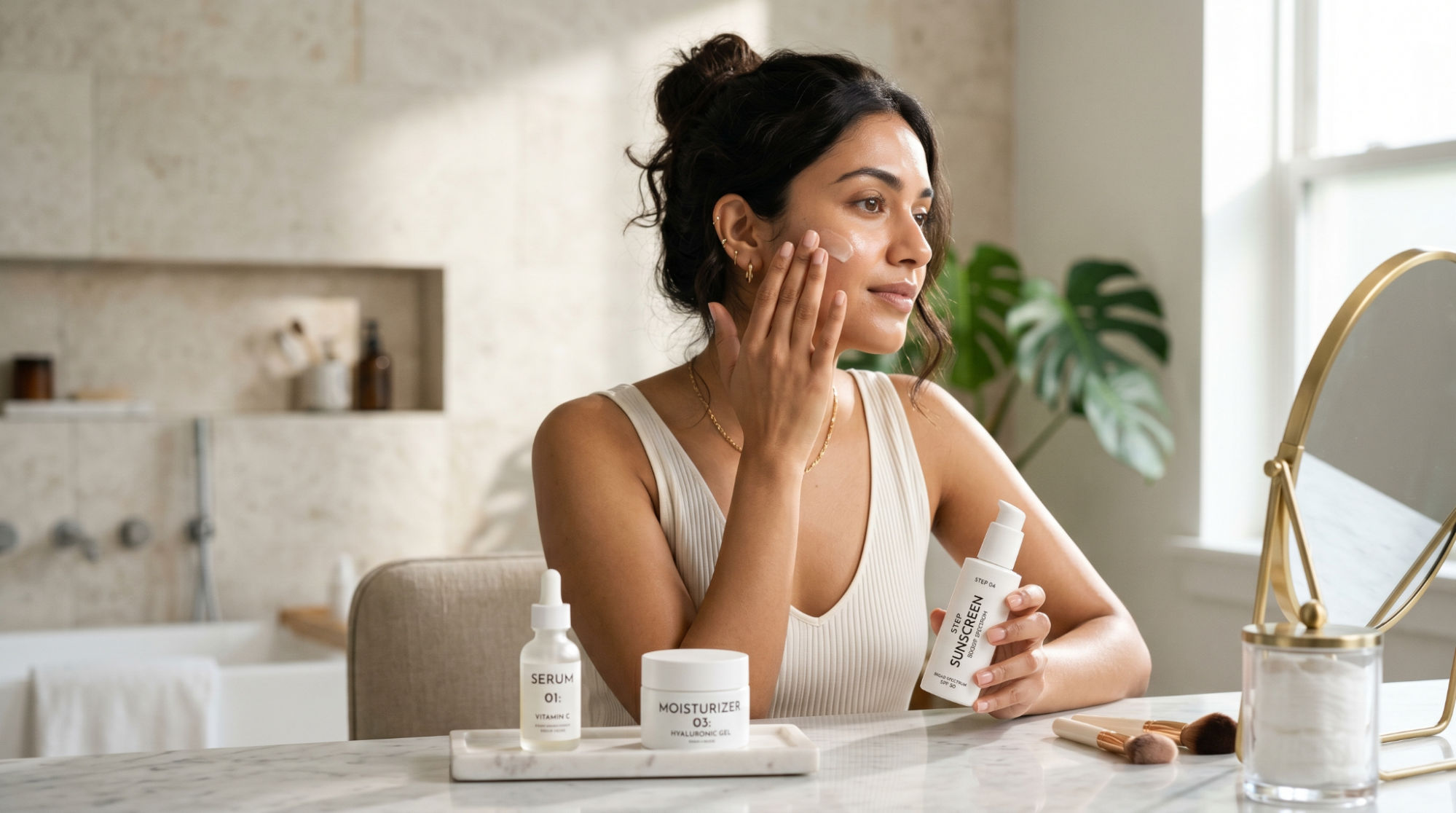
The journey to satin skin begins well before makeup. Start with a gentle, enzyme-based exfoliant (like a fruit acid polish or a lactic acid toner) to lift dullness without compromising your barrier. Satin skin isn’t about glassy perfection; it’s about clarity and texture balance.
Follow with a hydrating toner or essence. Celebrity facialists swear by skin flooding, layering hydrating products like hyaluronic acid, glycerin mists, or essence waters to plump and prime.
2. Barrier-First Moisturising
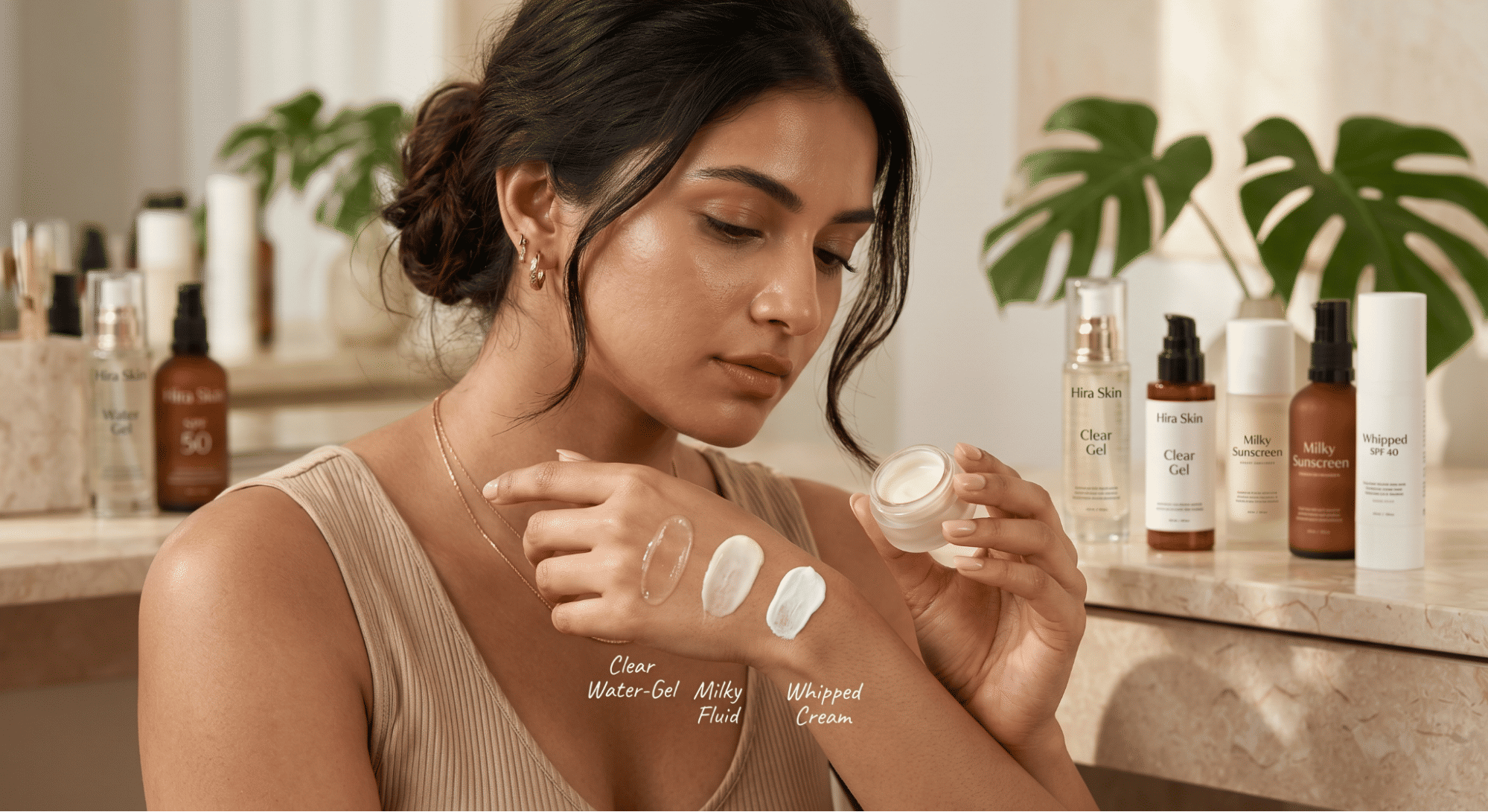
Next, opt for a barrier-repair moisturiser. Look for ingredients like ceramides, squalane, and peptides. Satin skin requires a smooth canvas, and barrier support ensures your complexion stays supple and light-reflective, not patchy or parched. Bonus points for creams with a natural satin finish; rich, but never greasy.
3. Prime Like a Pro
Celebrity MUAs are selective with primer. For satin skin, choose a blurring, hydrating primer that subtly refines pores but leaves skin breathable. Products that offer the kind of low-key radiance that works under or even without foundation.
4. Foundation that Breathes
The satin finish sweet spot? A breathable, medium-coverage foundation with skin-loving ingredients. You want something that moves with your skin. Buff it in with a damp sponge for melt-in perfection, or use fingers to warm the formula into the skin.
Skip heavy powders. If you must set, do so only in strategic areas (T-zone, under eyes) using a micro-fine translucent powder.
5. Highlight, But Make It Chic
True satin skin doesn’t glitter, it glows. Use cream or liquid highlighters in champagne or rose-gold tones tapped onto high points of the face. Your goal? Light catching the skin in motion, never a disco-ball beam.
6. Lifestyle: The Silent Glow Factor
Satin skin isn’t just surface-level. Celebs often attribute their glow to internal care: sleep, water, lymphatic drainage, and yes, green smoothies. While you don’t need a private chef or facialist, staying hydrated, managing stress, and practising skin-positive habits (like gentle cleansing and SPF) go a long way.
Key Takeaways
Satin skin is the perfect balance, never too matte, never too dewy. It starts with exfoliation, hydration, and barrier-loving care. A radiant base, soft-focus highlight, and healthy lifestyle complete the look. It’s not just skin-deep; satin skin is a reflection of calm, care, and understated confidence.
FAQs
-
What’s the difference between satin and dewy skin?
Dewy skin tends to be ultra-glowy and sometimes sticky or oily. Satin skin has a more balanced finish, it’s radiant without being shiny, smooth without looking flat.
-
Can oily skin types achieve satin skin?
It’s all about smart layering. Use mattifying primers only in oil-prone zones and stick to oil-free, hydrating formulas that control excess sebum while keeping the skin supple.
-
Do I need to wear foundation for satin skin?
Not necessarily. A good skincare routine plus strategic use of tinted moisturisers or even just concealer can deliver that natural satin effect.