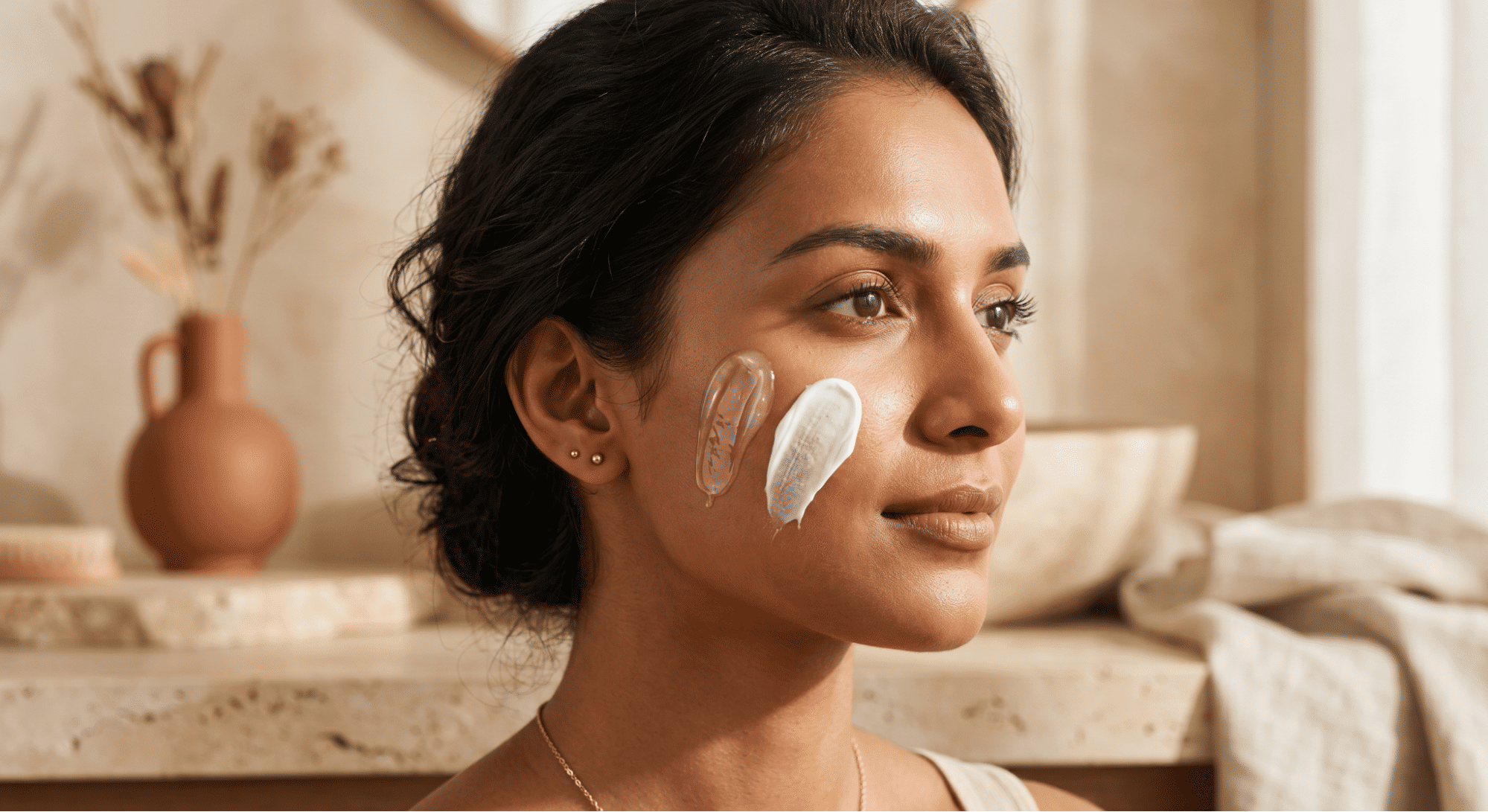
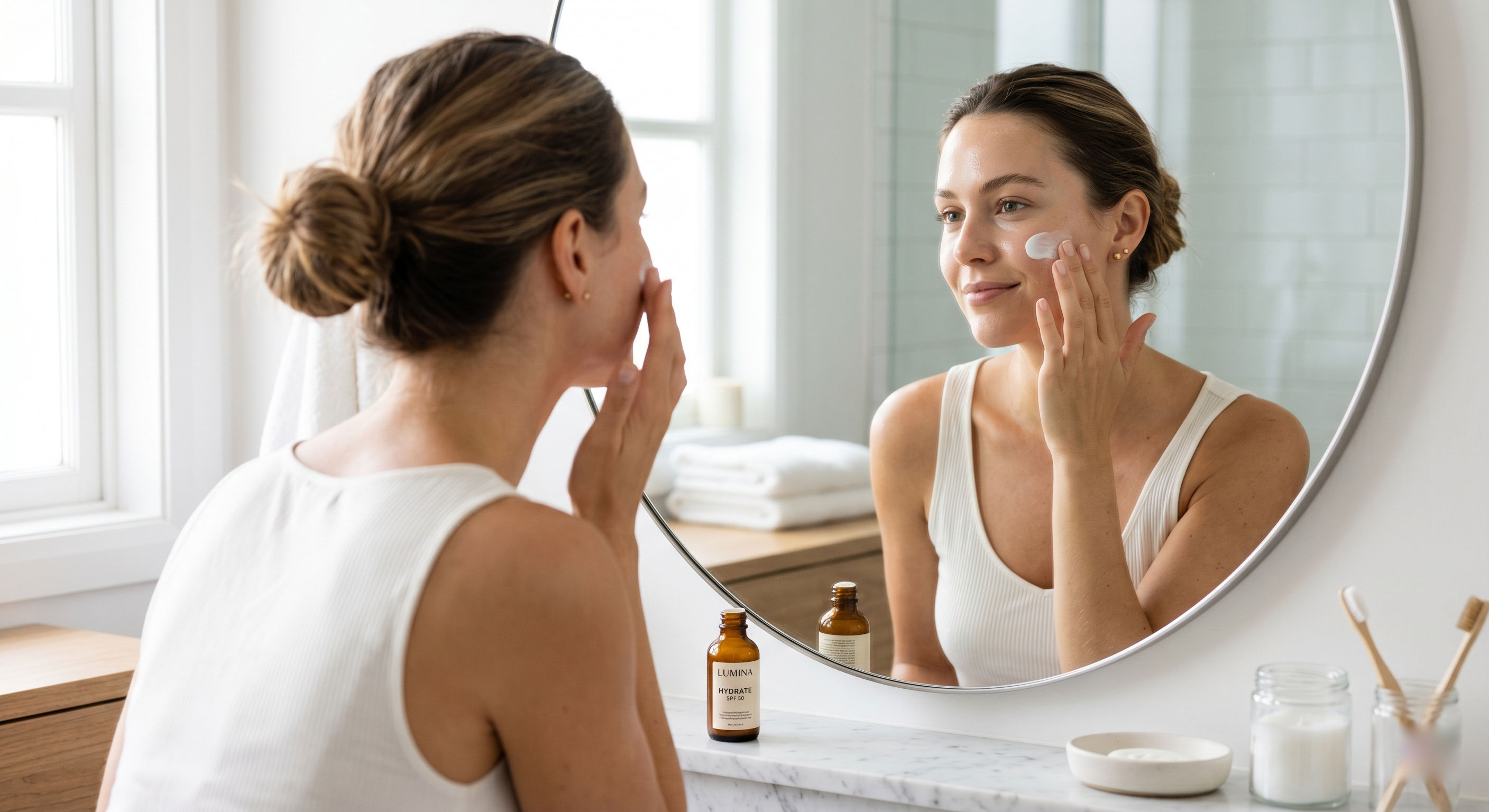
- Moisturizer is usually applied before sunscreen
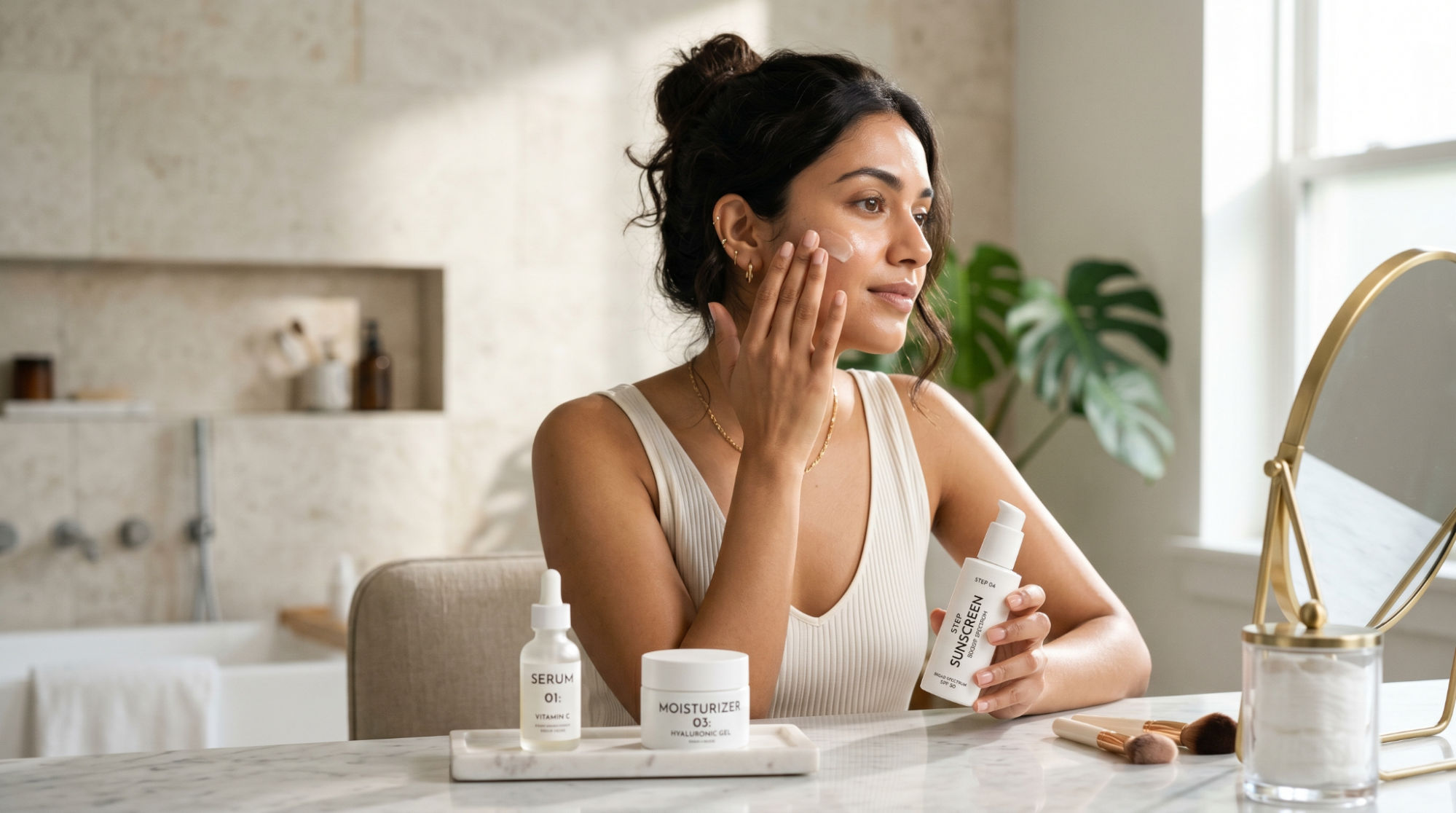
- Sunscreen works best as the final step in your routine
- The order affects how well both products perform
- Texture and skin type can change how layering feels
- Small adjustments can make your routine feel more comfortable
If you’ve ever felt unsure about where moisturizer fits when sunscreen is involved, you’re not the only one. It’s one of those steps that seems simple, but starts to feel confusing once you actually try different products.
The general rule is straightforward. Sunscreen goes last. But the way everything sits on your skin can still vary depending on what you’re using.
It comes down to what each product is meant to do
Moisturizers and sunscreens don’t behave the same way on your skin.
A moisturizer is there to hydrate and support your barrier. It needs to absorb at least slightly to do its job.
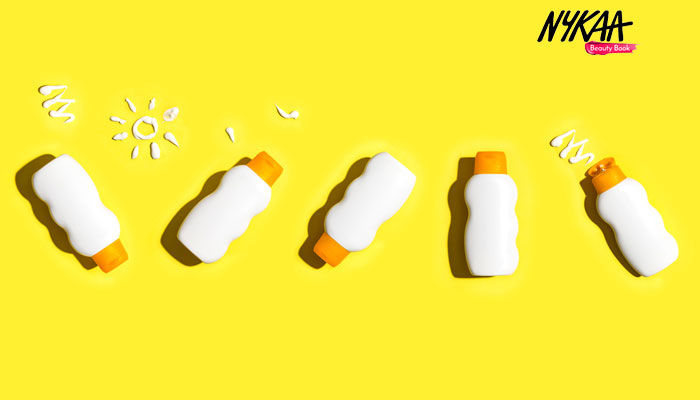
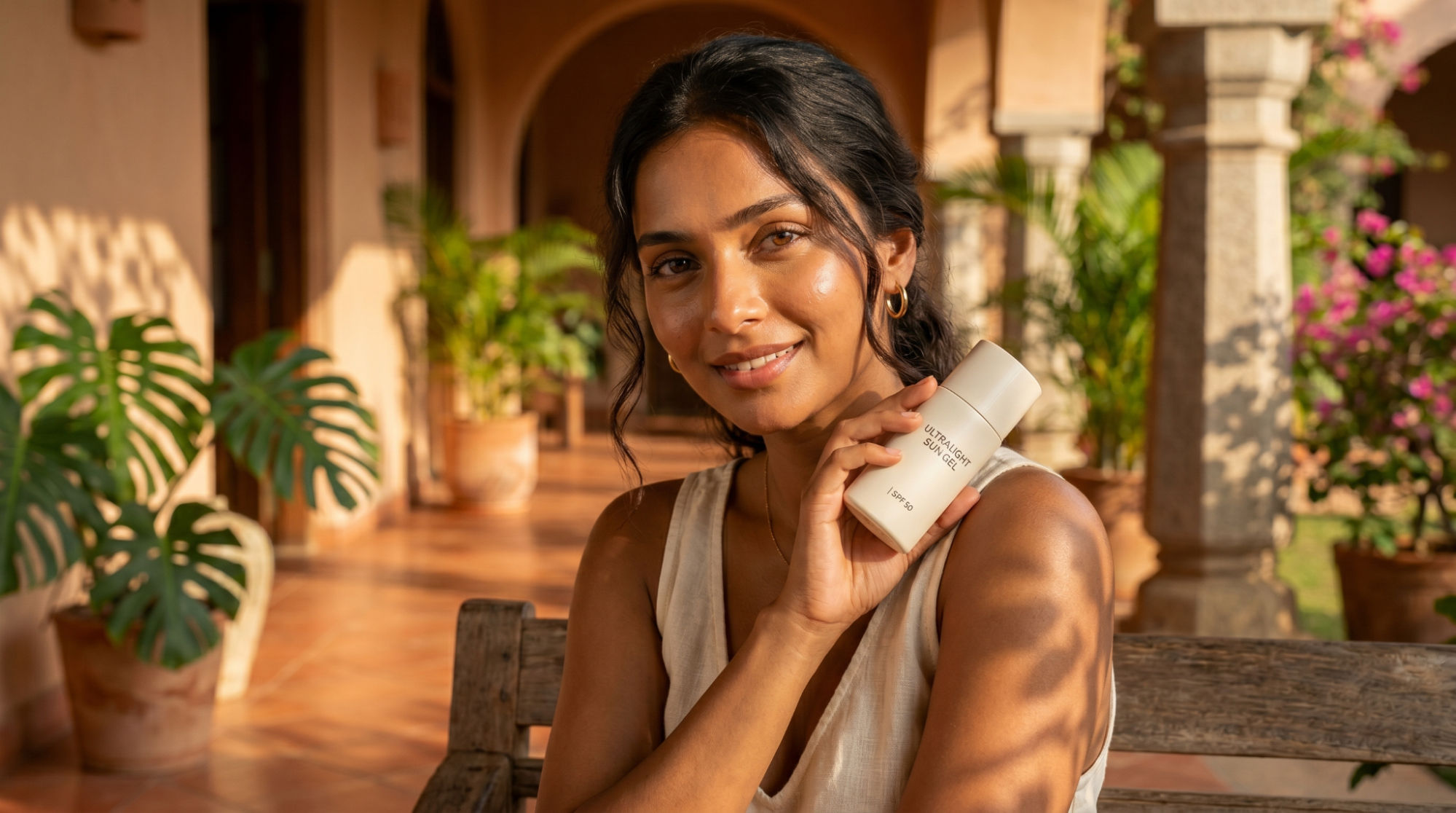
Sunscreen, on the other hand, is meant to sit on top. That’s how it protects your skin from sun exposure.
If you reverse the order, things don’t work the same way. The sunscreen layer can get disturbed, and that affects how evenly it protects.
Product Recommendation:
Where moisturizer naturally fits in the routine
After cleansing and any serums, your skin is ready for hydration. That’s where moisturizer comes in. It helps bring your skin back to a comfortable state before you move to the final step.
If your skin still feels tight before sunscreen, it’s often a sign that something is missing at this stage.
Why sunscreen is left for the end
Sunscreen needs a clear surface to form an even layer.
Anything applied after it can shift or dilute that layer, even if it’s lightweight. That’s why it’s generally used as the last step before makeup.
It’s less about rules and more about how the product actually works once it’s on your skin.
Skin type doesn’t change the order, but it changes the feel
The sequence stays the same, but the experience can be different.
If your skin is dry, a slightly richer moisturizer can make the routine feel more comfortable through the day.
If your skin is oily, lighter textures tend to sit better and avoid that heavy or layered feeling.
Some sunscreens already feel moisturizing. In those cases, skipping moisturizer can feel fine, but it depends on how your skin behaves after a few hours.
Texture combinations can make or break the routine
This is where things often go wrong.
Two heavy products layered together can make your skin feel greasy. Even if both are good individually, they may not work well together.
Lighter combinations usually feel easier to wear.
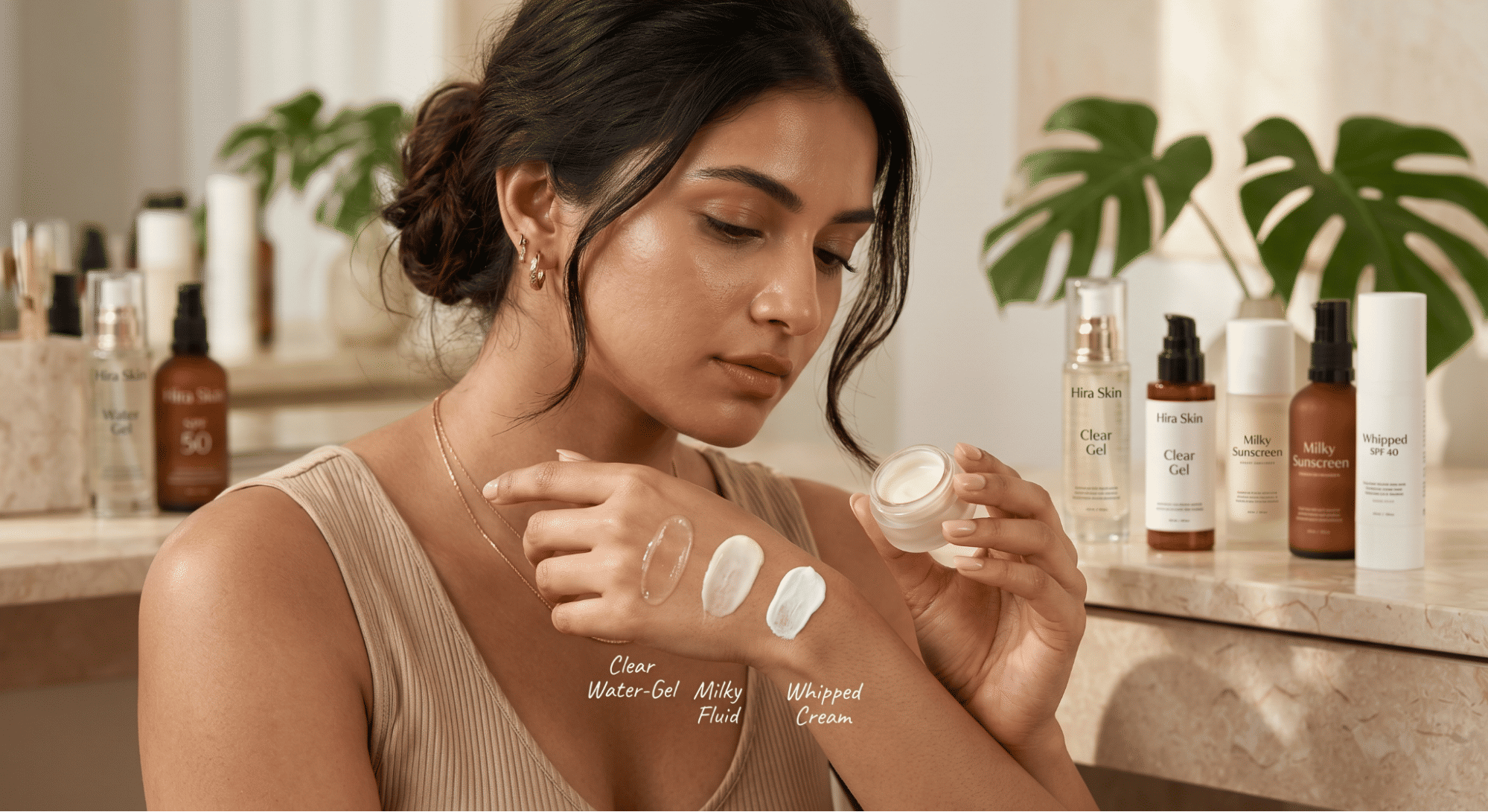
- Cream moisturizer with thick sunscreen can feel heavy
- Gel-cream with fluid sunscreen usually feels more balanced
- Lighter layers tend to sit better under makeup
If your sunscreen starts pilling, it’s often because the layers underneath aren’t sitting well together.
A few ingredients that keep the routine balanced
| Ingredient | % Range | Function | Timeline |
|---|---|---|---|
| Glycerin | 5–10% | Helps maintain hydration | Immediate |
| Hyaluronic Acid | 0.1–1% | Supports moisture levels | Immediate |
| Ceramides | 0.5–2% | Strengthen the skin barrier | 2–6 weeks |
| Niacinamide | 2–5% | Balances oil and supports skin | 2–4 weeks |
Hydration and protection work better together when both steps are supported properly.
How you apply each layer also matters
Applying everything too quickly or in large amounts can make your routine feel heavy.
- Moisturizer works better on slightly damp skin
- Letting it settle for a few seconds helps
- Sunscreen should be spread evenly as the final step
- Using too much at once can make layering uneven
A little patience between steps usually makes things feel smoother.
Product Recommendation:
When the routine starts feeling too heavy
If your skin feels greasy or overloaded, it’s not always about the order. It’s often about the combination.
Switching to lighter textures or adjusting how much you use can help more than removing steps entirely.
Small changes tend to fix the problem faster.
How it feels when everything is layered right
You’ll notice it more in how your skin feels later.
- It doesn’t feel greasy or sticky
- Sunscreen spreads evenly
- Your skin stays comfortable through the day
It’s less about how it feels immediately and more about how it holds up over time.
Frequently Asked Questions about Apply Moisturizer Before or After Sunscreen
-
Should I apply moisturizer before sunscreen?
Yes, moisturizer is applied first so your skin can absorb hydration before sunscreen forms a protective layer.
-
Can I skip moisturizer if my sunscreen feels hydrating?
If your skin feels comfortable without it, you may skip it, especially for oily skin. Dry or sensitive skin usually benefits from both.
-
How long should I wait between moisturizer and sunscreen?
A few seconds is enough for the moisturizer to settle.
-
Can I apply sunscreen before moisturizer?
It is not recommended, as applying moisturizer after sunscreen can reduce its effectiveness.
-
Why does my sunscreen pill after moisturizer?
This usually happens due to incompatible textures or applying too much product at once.