- Niacinamide and vitamin C work differently even though both target skin tone
- One focuses more on balance, the other on visible brightness
- Your skin type often decides which one feels better
- They can be used in the same routine with some adjustments
- Choosing depends more on your concern than trends
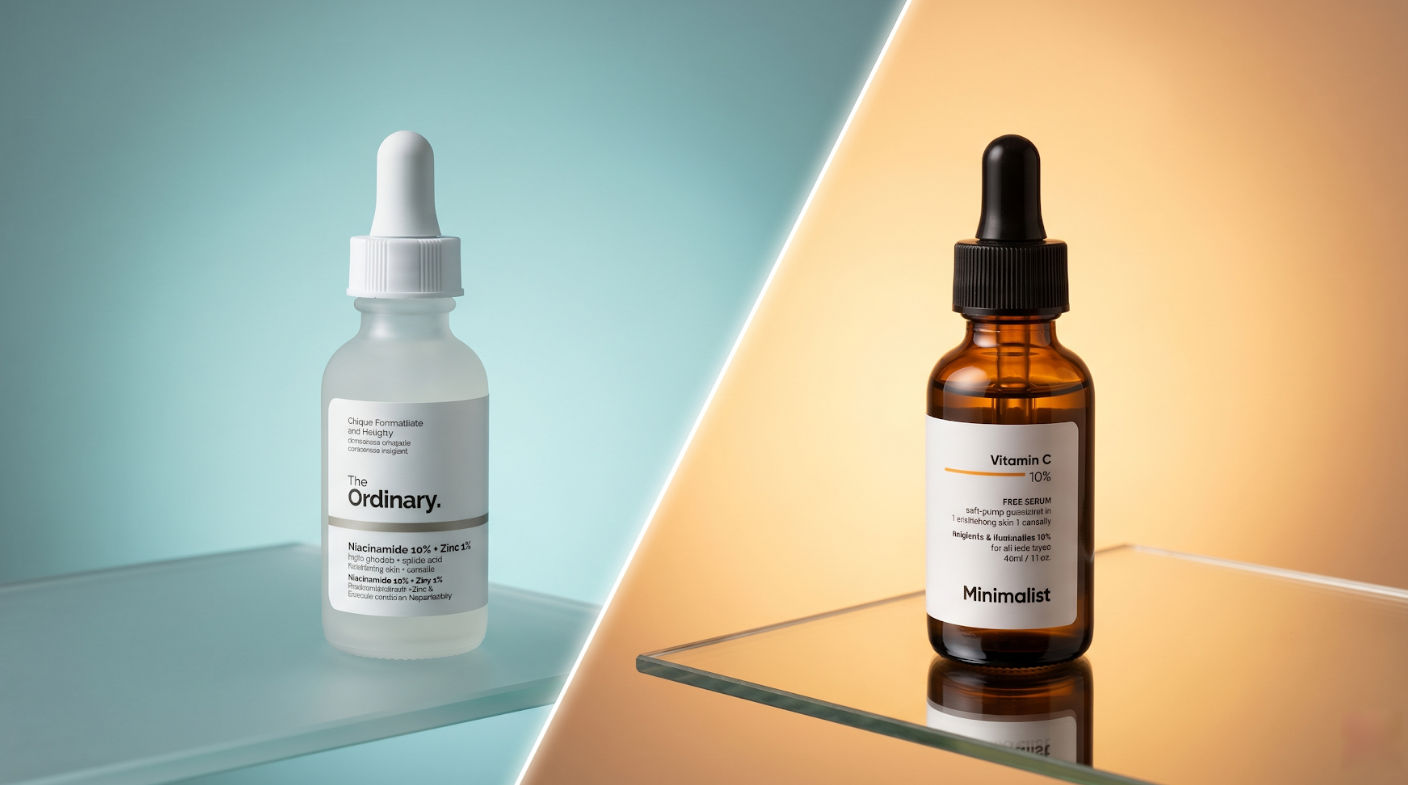
Niacinamide and vitamin C often come up together, especially when you're looking for a serum that improves how your skin looks overall. Both are known for helping with uneven tone, but they don't behave the same way once you start using them.
It's easy to assume they do similar things, but the experience can feel quite different depending on your skin.
They may seem similar, but they approach skin differently
At a glance, both are used for brighter-looking skin. That's where the similarity mostly ends.
Niacinamide works more quietly. It helps balance oil, supports the skin barrier, and gradually improves how even your skin looks.
Vitamin C feels more direct. It focuses on dullness and helps skin look clearer and more radiant over time.
So while both contribute to a more even appearance, the way they get there is different.
One leans towards balance, the other towards visible brightness
Niacinamide tends to make your skin feel more stable.
If your skin feels oily in some areas and slightly dry in others, this is usually where it fits in. Over time, it helps everything feel a bit more even.
Vitamin C, on the other hand, is more about improving dullness. It doesn't change oil levels much, but it helps your skin look fresher and more awake.
The difference shows more in how your skin looks after a few weeks rather than immediately.
Your skin type often decides which feels right
This is usually the easiest way to narrow it down.
If your skin leans oily or feels a bit unpredictable, niacinamide usually sits better. It feels lighter and more manageable in daily use.
If your main concern is dullness or uneven tone, vitamin C tends to make more sense.
For combination skin, it often comes down to which concern feels more noticeable.
Some routines end up using both without overcomplicating things
You don't always have to choose one over the other.
Many routines include both, just not layered at the same time.
Using vitamin C in the morning and niacinamide later in the day often feels easier. It keeps things simple while still targeting different concerns.
Trying to layer both together can feel unnecessary unless your skin is already comfortable with them.

What they usually look like in a routine
| Ingredient | % Range | Function | Timeline |
|---|---|---|---|
| Niacinamide | 2–5% | Helps balance oil and improve tone | 2–4 weeks |
| Vitamin C | 5–15% | Improves brightness and clarity | 4–8 weeks |
| Hyaluronic Acid | 0.1–1% | Adds hydration | Immediate |
| Glycerin | 5–10% | Maintains moisture | Immediate |
| Ceramides | 0.5–2% | Support barrier strength | 2–6 weeks |
Both tend to work better when the rest of your routine supports hydration.
The texture can quietly influence your choice
This part is often overlooked.
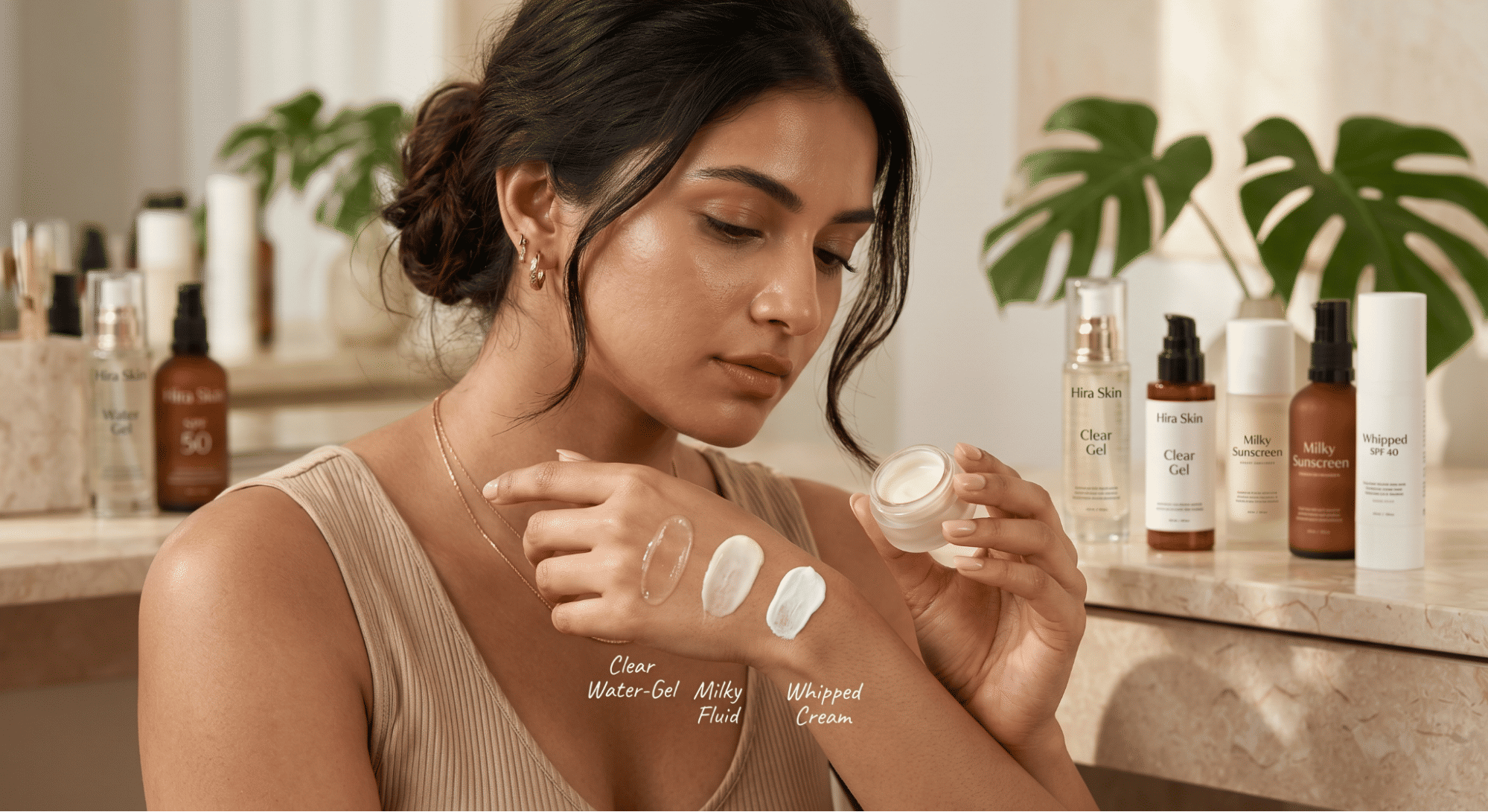
Niacinamide serums are usually lightweight and easy to layer. They absorb quickly and don't feel heavy.
Vitamin C can feel slightly different depending on the formula. Some versions are lightweight, while others feel a bit more active on the skin.
If your routine already feels heavy, this can make a difference.
Weather and surroundings can change how they feel
The same serum can feel different depending on the environment.
In humid conditions, lightweight niacinamide formulas tend to feel more comfortable.
In drier conditions, vitamin C paired with a good moisturizer may feel more balanced.
| Condition | What Usually Works Better |
|---|---|
| Humid weather | Niacinamide-based routines |
| Dry heat | Vitamin C + moisturizer |
| Winter | Either, with richer support |
| Air-conditioned environments | Balanced layering |
Sometimes the choice isn't just about the ingredient, but how your skin reacts in that setting.
It doesn't have to be a strict choice every time
A lot of routines work well without picking one permanently.
You might find yourself reaching for niacinamide when your skin feels slightly off, and vitamin C when it looks dull.
That flexibility usually works better than sticking to one just because it's trending.
How it feels when you've picked the right one
You won't usually notice it immediately.
It shows up in small ways over time.
- Skin feels more balanced or less oily
- Tone looks more even
- Dullness becomes less noticeable
It's not dramatic, but it feels more consistent.
Frequently Asked Questions about Niacinamide vs Vitamin C: Which Serum Should You Choose
-
Niacinamide vs vitamin C serum, which is better?
It depends on your concern. Niacinamide is better for oil control and balance, while vitamin C is better for brightness.
-
Can I use niacinamide and vitamin C together?
Yes, but many people prefer using them at different times of the day for better comfort.
-
Which is better for oily skin?
Niacinamide usually works better as it helps regulate oil.
-
Which is better for dull skin?
Vitamin C is more effective for improving brightness and clarity.
-
How long do they take to show results?
Niacinamide usually shows changes in 2–4 weeks, while vitamin C may take 4–8 weeks.