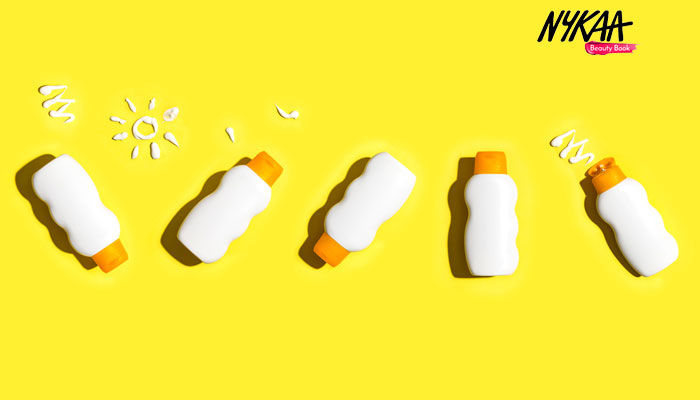
The era of "one-size-fits-all" sunscreen is over. In 2026, sunscreens have undergone a "skinification"—merging high-tech UV filters with clinical-grade skincare actives. Whether you’re looking to fade dark spots, fix a broken skin barrier, or block blue light from your laptop, the secret lies in the ingredients.
Here is your comprehensive guide to the powerhouse ingredients dominating the Nykaa sunscreen aisle this year.
1. The Modern UV Filters: The "New-Gen" Shields
Unlike older filters that could be greasy or unstable, 2026 formulations use "New-Gen" filters that are photostable (don't break down in heat) and offer a "zero white cast" finish.
- Tinosorb S & M (Bemotrizinol / Bisoctrizole): The gold standard in 2026. These are hybrid filters that both absorb and reflect UV rays. They are incredibly stable and provide the best broad-spectrum coverage available in India.
- Uvinul A Plus: Specifically targets deep-penetrating UVA rays to prevent long-term aging and "DNA-level" skin damage.
- Micronized Zinc Oxide: Provides the protection of a physical block without the heavy, purple tint of traditional mineral sunscreens.
2. The Skincare "Boosters": Treating While Protecting
Why use two products when one can do the job? These actives turn your SPF into a treatment:
| Ingredient | Purpose | Best For |
|---|---|---|
| Niacinamide (Vit B3) | Regulates oil & fades acne marks | Oily / Acne-Prone Skin |
| Ceramides | Repairs the skin barrier & locks in moisture | Dry / Sensitive Skin |
| Hyaluronic Acid | Deep hydration & plumping effect | Dehydrated Skin |
| Vitamin C & E | Neutralizes free radicals & boosts glow | Dull / Aging Skin |
| Iron Oxides | Blocks Blue Light (HEV) from screens | Office Workers / Hyperpigmentation |
Deep Dive: Main Ingredients & How They Help
Niacinamide (The Oil Controller)
- How it helps: It stabilizes the sebaceous glands, reducing the "mid-day shine" common in Indian summers. It also inhibits melanin transfer, meaning it stops sun-induced dark spots before they form.
- Usage: Ideal for daily wear under makeup. Look for it in Plum 2% Niacinamide & Rice Water SPF.
Ceramides (The Barrier Builders)
- How it helps: Sun exposure can "dry out" the skin's natural lipids. Ceramides act as the glue between your skin cells, preventing the tightness and redness often caused by the harsh sun.
- Usage: Essential for those using Retinol or AHAs at night. Found in Dr. Sheth's Ceramide & Vitamin C Sunscreen.
Iron Oxides (The Blue Light Shield)
- How it helps: Regular sunscreens don't block the light from your phone or laptop, which can worsen melasma. Iron Oxides (found in tinted sunscreens) are the only ingredients proven to block High-Energy Visible (HEV) light.
- Usage: If you spend 8+ hours in front of a screen, switch to a tinted formula like Re'equil Sheer Zinc Tinted Sunscreen.
Rice Water & Cica (The Soothers)
- How it helps: These botanical extracts calm "sun-stressed" skin. Cica (Centella Asiatica) is particularly effective at reducing the heat-induced redness (erythema) that occurs after a day outdoors.
- Usage: Perfect for post-beach or vacation recovery.
3. Hidden "No-Go" Ingredients for 2026
To stay "Clean & Safe" on Nykaa, many brands are now formulating without:
- Oxybenzone & Octinoxate: Often replaced in 2026 due to concerns over coral reef safety and potential skin irritation.
- High Denatured Alcohol: Often used for a "quick dry" feel, it can actually cause "rebound oiliness" in oily skin.
- Synthetic Fragrances: The leading cause of that "stinging" sensation in the eyes when you sweat.
Frequently Asked Questions
-
Can I use a Vitamin C serum under a Vitamin C sunscreen?
Yes! Layering them actually creates a "double defense." The serum works from within, while the Vitamin C in the sunscreen neutralizes surface free radicals created by UV rays.
-
Does "Hyaluronic Acid" in sunscreen make my face look oily?
Not at all. Hyaluronic acid is a humectant, meaning it holds water, not oil. It gives you a "dewy" glow without the greasiness of heavy oils.
-
What is the benefit of "Rice Water" in Indian sunscreens?
Rice water has been used for centuries in Asia for its brightening properties. In 2026, it's used in sunscreens (like Mamaearth Rice Sunscreen) to soothe the skin and provide a "glass skin" finish.
-
Are "Mineral" ingredients better for the environment?
Generally, yes. Non-nano Zinc Oxide and Titanium Dioxide are considered "Reef-Safe," making them the preferred choice for travelers heading to coastal areas like Goa or the Maldives.
-
Why do some sunscreens contain "Turmeric" or "Saffron"?
These traditional Indian ingredients provide potent anti-inflammatory benefits. Turmeric helps reduce the redness caused by sun exposure, while Saffron acts as a natural radiance booster.
-
Is "Salicylic Acid" safe in a sunscreen?
Yes, in low concentrations. It helps keep pores clear while you wear the product, making it an excellent addition for those prone to "sunscreen-induced" whiteheads.
-
What does "Non-Comedogenic" actually mean?
It is a clinical claim that the ingredients in the formula have been tested to ensure they do not block pores or cause comedones (blackheads/whiteheads).
-
Why should I care about "Photostable" ingredients?
If an ingredient isn't photostable, it loses its ability to block UV rays within 30-60 minutes of sun exposure. Photostable filters like Tinosorb ensure you are protected for the full 2-3 hours between applications.
Pro Tip: Always check the first 5 ingredients on the pack. If you see Zinc Oxide or Tinosorb, you’re holding a high-quality, 2026-standard shield.