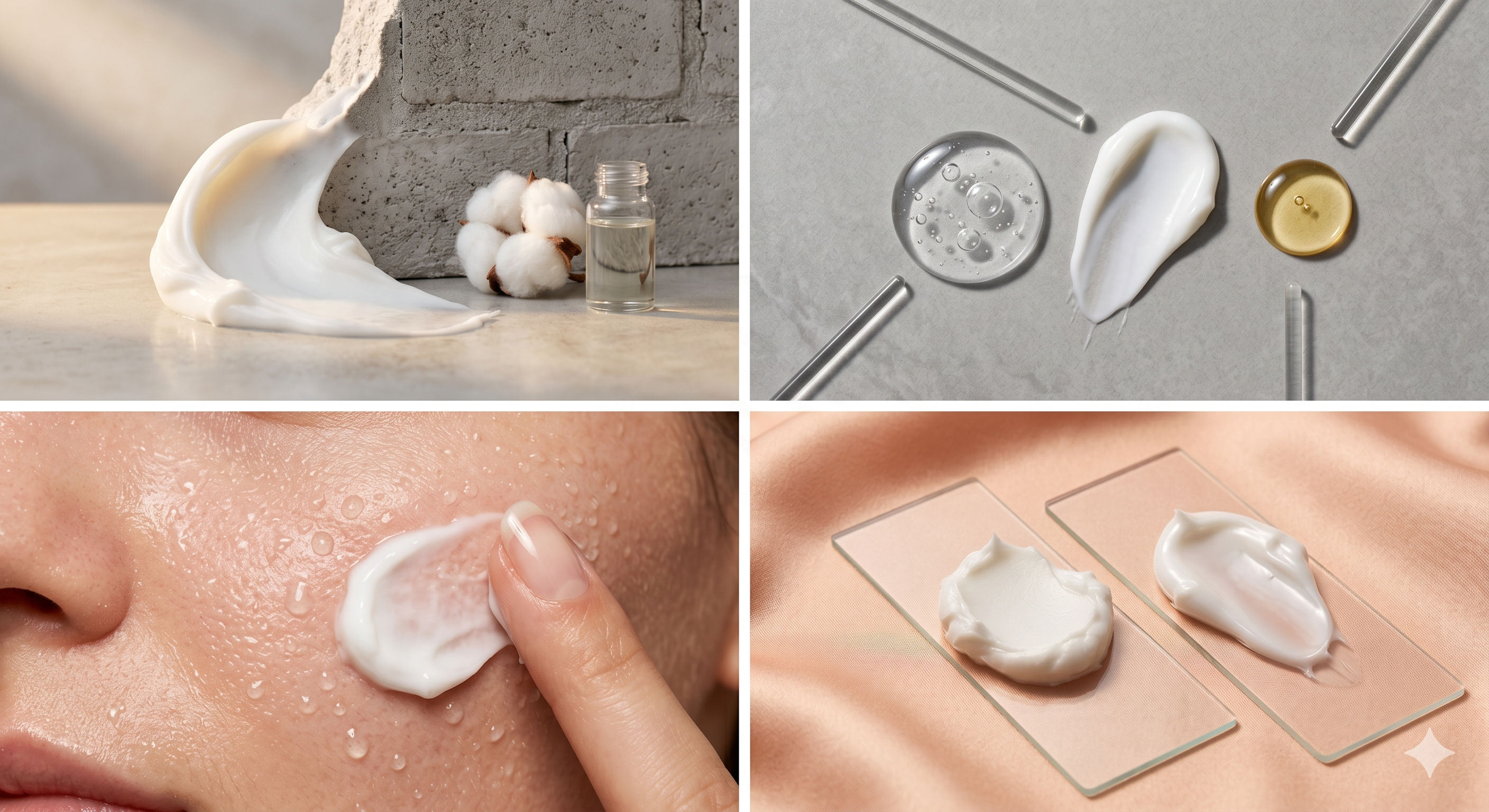
If you’re dealing with dry skin, you know it’s more than just a bit of flakiness. It’s that tight, uncomfortable feeling that makes you want to dunk your face in a vat of lotion. While "skin longevity" is the big buzzword right now, it really just means keeping your skin healthy and strong so it doesn't freak out as you get older. For anyone with a dry complexion, the goal is simple: stop the moisture from escaping and fix the surface so it can do its job.
The Essentials: Quick Tips for Dry Skin
- Follow the 3-Minute Rule: Put your moisturiser on damp skin within three minutes of washing your face. This traps the water on your skin before it evaporates.
- Look for the "Triple Threat": You want a mix of humectants like Hyaluronic Acid to pull water in, emollients like Ceramides to smooth things over, and occlusives like Squalane to seal it all shut.
- Prioritise Your Barrier: your skin stings when you apply products, your barrier is likely damaged. Focus on 2% ceramide formulas to help it heal.
- Pick the Right Texture: Skip the thin gels. Dry skin needs thick creams or balms to create a physical shield against the wind and dry air.
A Simple Step-by-Step for Repairing Your Skin
If your skin is currently feeling rough or "broken," follow this simple routine to get it back to normal.
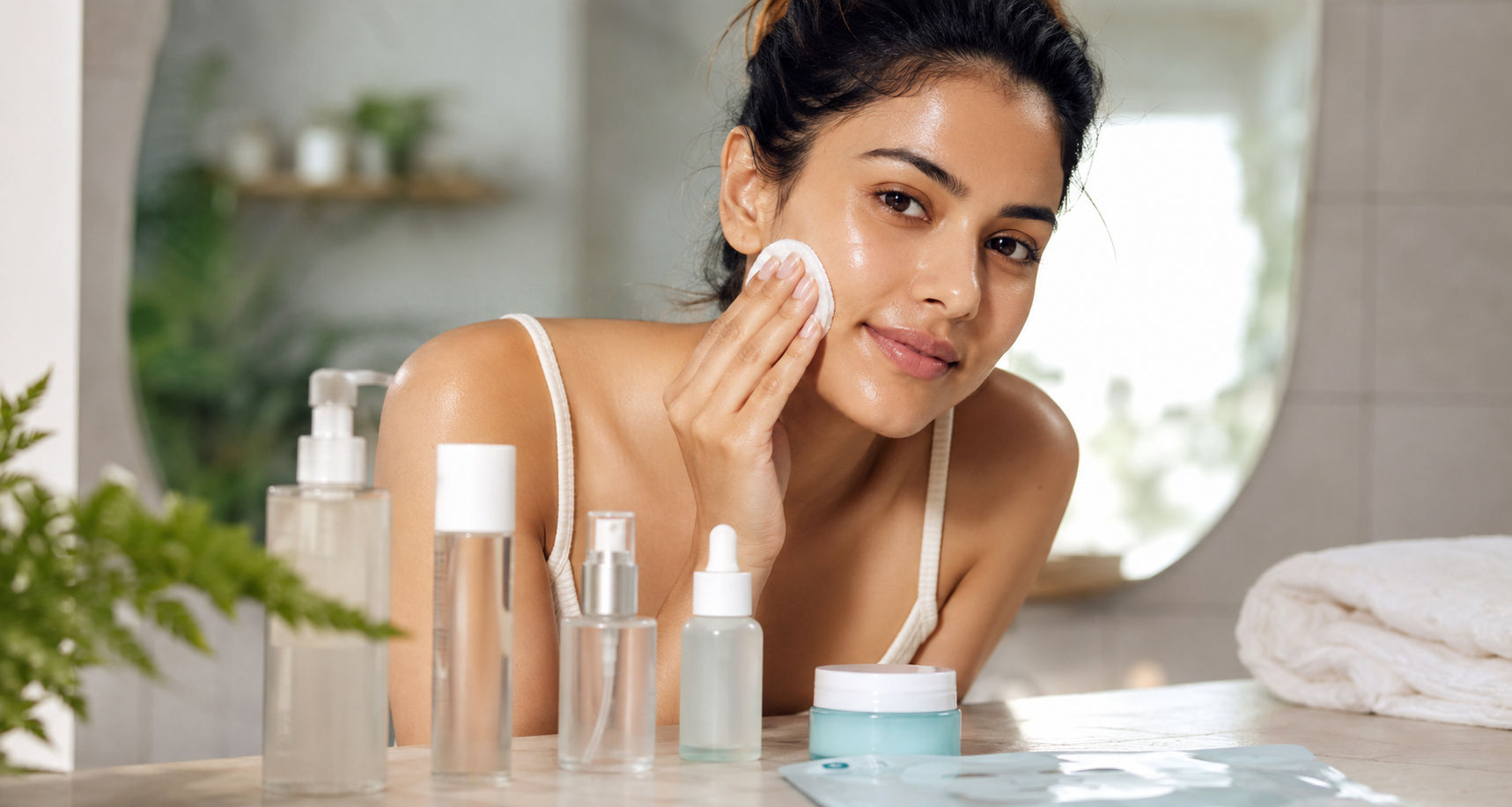
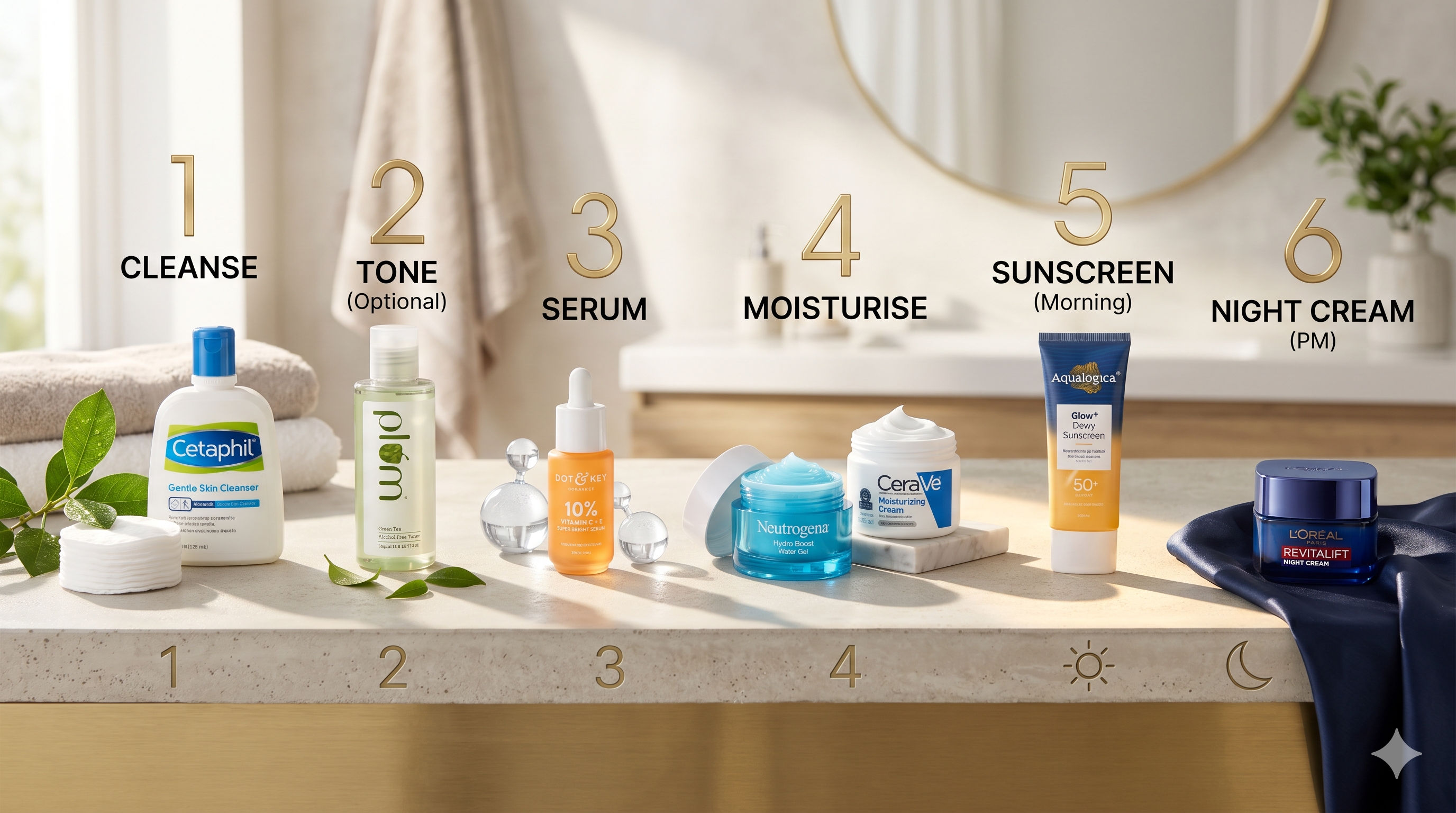
- Wash Gently: Use a creamy, non-foaming cleanser. You want to clean your skin without stripping away the oils it has left.
- Stay Damp: Don't rub your face dry with a towel. Leave it a little bit damp.
- The Serum Step: If you have a Hyaluronic Acid serum, put it on now.
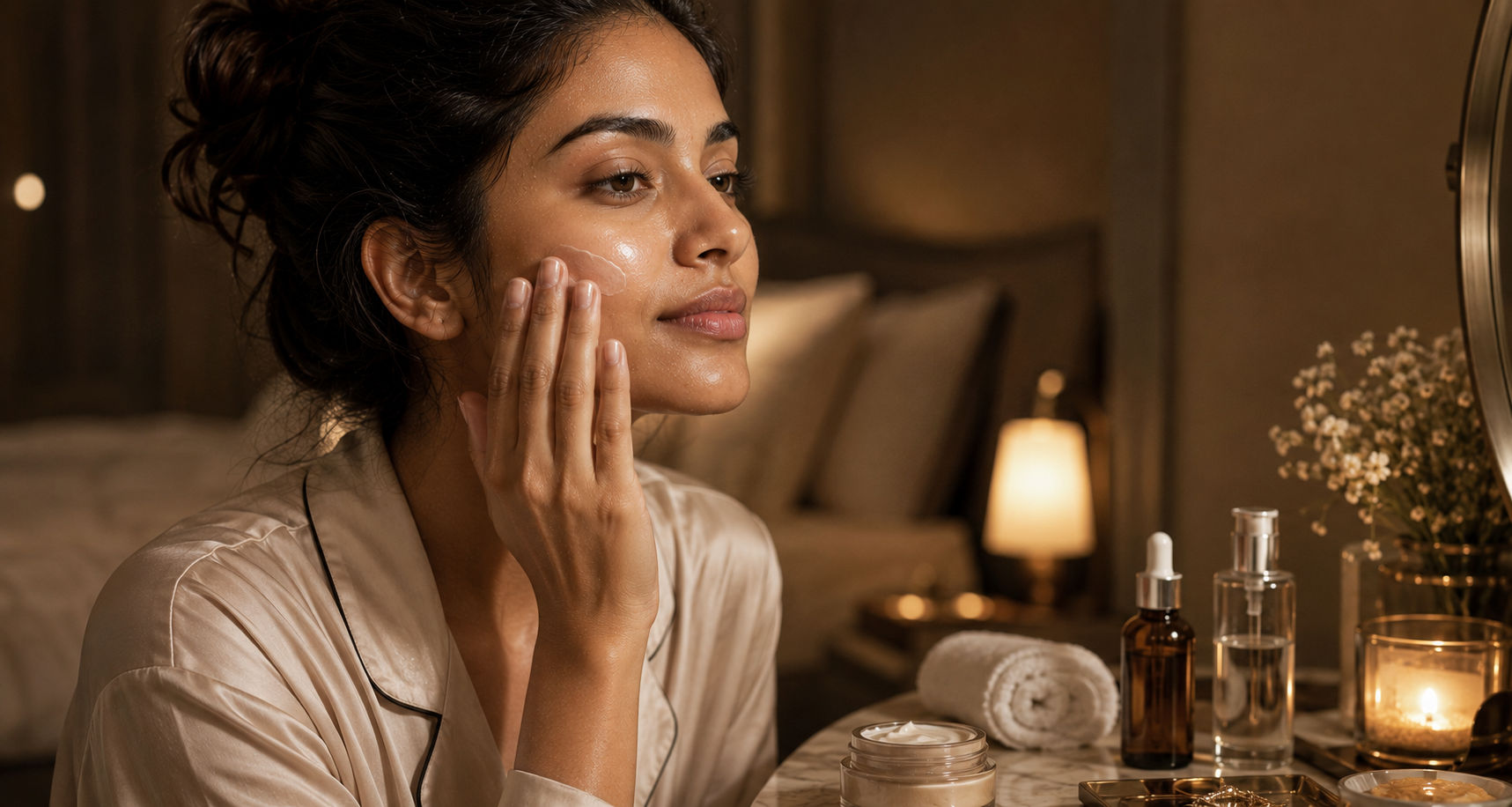
- Seal It In: Take a small amount of ceramide cream, warm it between your fingers, and press it into your skin.
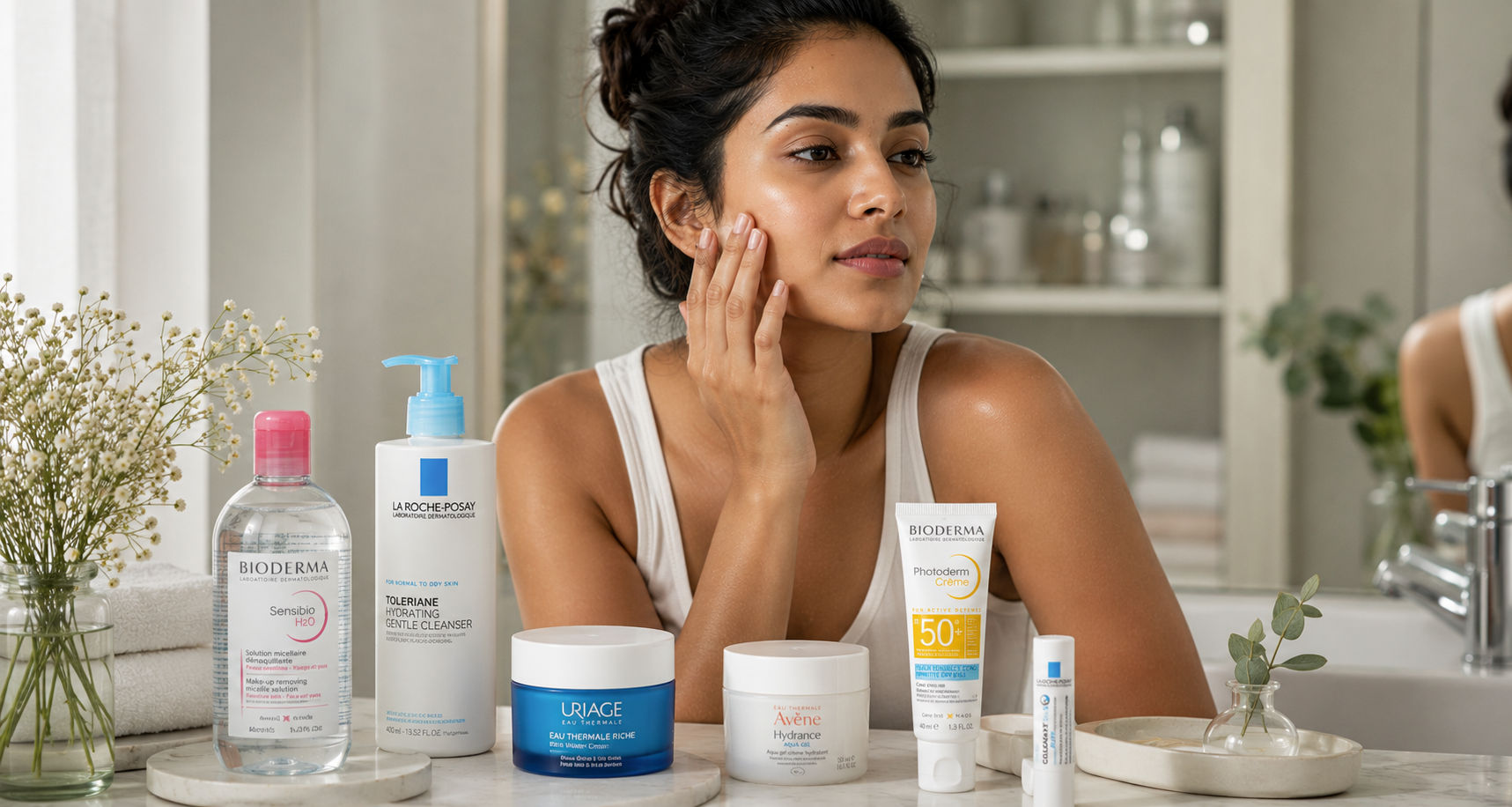
- Protect: In the morning, always finish with sunscreen to keep the sun from damaging your skin barrier further.
Product Recommendation:
What is the best way to treat extremely dry, flaky skin?
If your face is flaky and tight, you need to focus on "barrier-identical" ingredients like ceramides and squalane. The best trick is the "3-minute rule" where you apply a rich cream to damp skin right after cleansing. This stops water loss and helps rebuild the natural oils between your skin cells. Clinical studies show this can boost your skin's moisture levels by more than half.
Finding Your Favourite: CeraVe vs. Cetaphil
Most old-school lotions have alcohols that can actually dry you out. Modern formulas are much better at mimicking your skin’s natural oils.
| Feature | CeraVe Moisturising Cream | Cetaphil DAM (Daily Advance) |
|---|---|---|
| Main Ingredients | 3 Essential Ceramides and Hyaluronic Acid | Shea Butter, Niacinamide, and Panthenol |
| Feel | A thick cream that doesn't feel greasy | An ultra-creamy, heavy-duty lotion |
| Price | Mid-range | Very affordable |
| Best For | Fixing a damaged or sensitive barrier | Keeping skin hydrated all day long |
The Science of Ceramides: Why They Matter for Your Skin
Think of ceramides as the glue that holds your skin cells together. They make up about 50% of your skin’s outer layer. Dermatologists are highlighting that you can’t have healthy skin without these lipids. They act like the mortar between bricks. When you put ceramides on your skin, you’re essentially patching up the holes in your shield, which keeps your deeper skin layers safe from irritation.
A Closer Look at Barrier Health
- The 2% Benchmark: Many pros now suggest looking for products with at least 2% Ceramides. If a product has them listed at the very bottom of the label, there probably isn't enough to actually do anything.
- Layering Your Hydration: Using different sizes of Hyaluronic Acid is a game changer. Smaller molecules go deep to plump the skin, while larger ones sit on top to hold onto water.
- Stopping Water Loss: Air conditioning and cold winters can make your skin lose moisture 25% faster than usual. You need something like Squalane to act as a "gate" that keeps the moisture inside.
Picking the Right Routine for Your Life
The best moisturiser for you depends on where you live and what you're trying to achieve. In 2026, we’ve moved away from "one size fits all" skincare. You might need a light cream in a humid summer but a heavy balm when the air gets dry in the winter.
What Works for Your Climate and Budget
In Dry or Cold Places:
You need a thick balm that uses Shea Butter or Squalane. These provide a heavy-duty seal that won't budge, even in the wind.
In Humid or Tropical Places:
Even if it's sticky outside, dry skin still needs oil. Try a "gel-cream." This gives you the benefits of a cream without that heavy, suffocating feeling that makes your sunscreen peel off.
If You’re on a Budget:
You don't need to spend a fortune. Brands like Minimalist and Dot & Key offer high concentrations of ceramides for less than ₹500. A well-formulated budget cream often works better than an expensive luxury one that's mostly perfume.
Frequently Asked Questions
-
Do I really need moisturiser if my skin is dry?
Yes, absolutely. Dry skin doesn't have enough natural oil to protect itself. Without a daily moisturiser, your skin is more likely to get irritated, itchy, or start showing fine lines earlier than it should.
-
Can I use Hyaluronic Acid on its own?
Hyaluronic Acid is great because it pulls moisture in. But if the air around you is dry, it might actually pull moisture out of your skin. Always put a cream on top of it to lock it in.
-
Does dry skin cause permanent wrinkles?
Not exactly, but it makes them look a lot worse. When your skin is dehydrated, it loses its "bounce," so any little lines look much deeper. Hydrating your skin properly can smooth those lines out instantly.
-
How much should I use?
A pea-sized amount is usually enough for your whole face. Putting on a massive glob doesn't actually help your skin absorb more; it usually just ends up clogging your pores.
-
When should I apply sunscreen?
Always apply your moisturiser first. Give it a minute to sink in, then put your SPF on top.